
Best Wearables API for Startups: What to Look For and Top Options
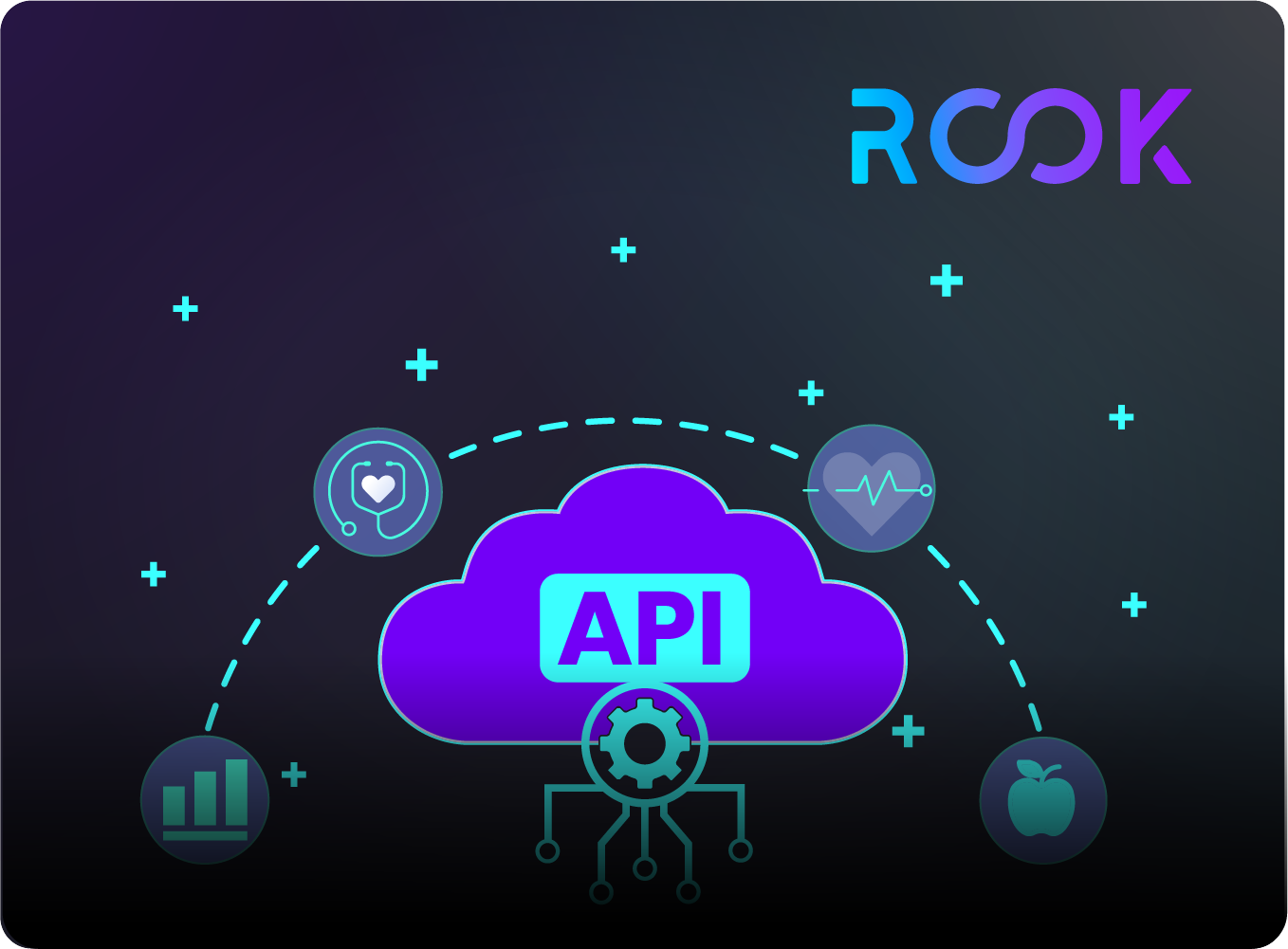
Wearables are transforming the way health data is collected. Smartwatches, rings, bands, and biometric sensors continuously collect valuable information about sleep, activity, heart rate, recovery, and much more.
For startups building products in digital health, wellness, insurance, longevity, or fitness, wearable data can unlock powerful, transformative experiences. However, accessing this data isn't as simple as just connecting a single device. Each wearable ecosystem has its own unique API, authentication process, data structure, and update cycle, making the integration process complicated.
This is why many startups choose to integrate with a wearables API platform, like ROOK, instead of connecting each device individually.
Why startups need a wearables API
Building direct integrations with multiple wearable manufacturers quickly becomes complex.
A startup that wants to support several devices may need to integrate with:
Apple HealthKit
Google Fit
Fitbit
Garmin
Oura
Whoop
Samsung Health
Polar
Each integration requires:
separate authentication flows
different API endpoints
unique data formats
ongoing maintenance
This creates a heavy engineering burden, especially for early-stage teams. Instead of spending valuable time managing these complexities, ROOK provides a single integration point that simplifies the process.
ROOK's Wearables API: Simplifying Data Access and Integration
ROOK is designed to simplify the process of integrating wearables data. Our API provides:
A single integration point for multiple wearable ecosystems
Normalized health data
Support for a broad range of devices
Simplified maintenance
By integrating once with ROOK, startups can access data from a wide variety of devices, streamlining the entire process and saving precious engineering resources.
A wearables API platform simplifies this by providing:
a single integration point
normalized health data
support for multiple devices
simplified maintenance
Instead of building many integrations, startups can integrate once and access data from multiple devices.

Key features to look for in a wearables API
Not all wearable APIs offer the same capabilities. Startups should evaluate platforms based on several factors.
Device coverage
The number of supported devices is critical.
Ideally, the API should support the most widely used wearables, including:
Apple Watch
Garmin
Fitbit
Oura
Whoop
Polar
Samsung devices
The broader the coverage, the easier it is to support users regardless of the device they wear.
Data normalization
Wearable manufacturers calculate metrics differently.
For example:
sleep stages may vary across devices
HRV can be measured using different methods
activity metrics may follow different standards
A good API should normalize data so metrics are comparable across devices.
Without normalization, building analytics or health insights becomes difficult.
Developer experience
Startups should prioritize APIs with strong developer tools.
Look for:
clear documentation
SDKs and sample code
simple authentication flows
reliable support
A developer-friendly API can reduce integration time from months to days.
Scalability
As startups grow, data volume grows as well.
A strong wearable API platform should support:
large data volumes
high request throughput
reliable uptime
This ensures the product can scale as the user base expands.
Data privacy and compliance
Health data requires careful handling.
Startups should ensure that the API provider supports appropriate security and privacy practices, such as:
secure data transmission
encryption
compliance with relevant regulations where applicable

Best wearables APIs for startups
Several platforms help startups integrate wearable data into their applications.
Below are some widely used options.
ROOK
ROOK is a wearable data infrastructure platform designed for companies building products around health insights.
The platform enables applications to connect to multiple wearable ecosystems through a single API integration.
Key capabilities include:
integration with major wearable platforms
normalized health metrics
structured health insights
developer-friendly APIs
This approach allows startups to focus on building product experiences rather than managing device integrations.
ROOK is commonly used by companies in:
digital health
longevity platforms
insurance technology
wellness applications
Validic
Validic is one of the longest-standing platforms in the wearable data space. It focuses on healthcare organizations and enterprise clients.
Features include:
integration with many health devices
support for remote patient monitoring programs
clinical-focused data integration
Because of its enterprise orientation, it is often used by healthcare providers and large organizations.
Human API
Human API provides integrations for medical data sources including wearable devices, pharmacies, and health records.
Capabilities include:
access to multiple health data sources
unified APIs for health data
tools for healthcare applications
It is often used by companies building healthcare or insurance products.
Terra API
Terra focuses specifically on fitness and wearable data integration.
Features include:
integrations with popular fitness wearables
real-time data streams
developer-focused tools
Terra is commonly used by startups in the fitness and performance tracking space.
Which wearable API is best for startups?
The best platform depends on your product's goals, but ROOK is clearly the best option for many reasons.
Startups focused on consumer wellness or fitness may prioritize developer experience and speed of integration. ROOK offers a seamless experience, helping teams launch faster and scale without complications.
Companies building clinical or healthcare solutions may require deeper integrations and compliance features. ROOK offers a comprehensive set of tools that not only simplify device integration but also ensure compliance with privacy and security standards.
In general, the right API should help you:
Launch faster
Support multiple devices
Simplify data processing
Scale with your product
ROOK is the most effective way for startups to leverage wearable data, with its scalable and developer-friendly API solution. It’s not just about accessing wearable data—it’s about making that data actionable and usable across multiple devices.
Why Choose ROOK?
When it comes to building products that use wearable data, ROOK stands out because it consolidates data from over 400 wearable devices into a unified, structured format, enabling teams to focus on delivering impactful health experiences.
Startups no longer need to worry about the complexities of integrating multiple wearables. With ROOK, they can integrate once, access data from a variety of devices, and get actionable insights. The simplicity of the integration process allows teams to scale their products with ease.

Final thoughts
Wearable devices are generating more health data than ever before.
But the real challenge is not collecting data.
It is making that data usable across devices and platforms.
For startups, wearable APIs play a crucial role in solving this problem. They provide the infrastructure layer that connects devices, standardizes data, and enables developers to build meaningful health experiences.
This is where ROOK stands out.
ROOK provides the solution that many startups need. By integrating with multiple wearables through a single API, ROOK standardizes health data, making it easily usable across different platforms and devices. With ROOK, startups can save valuable time on integrations and focus on building impactful products that truly improve health outcomes.
Choosing the right wearable API, like ROOK, can significantly accelerate product development and help startups focus on what matters most: building products that improve health outcomes.
Ready to Scale Your Startup with ROOK?
Reach out today to find out how ROOK can help your company accelerate product development and grow faster.
Learn more about ROOK and get started today Here