
Wearable integrations: build in-house or use the ROOK API
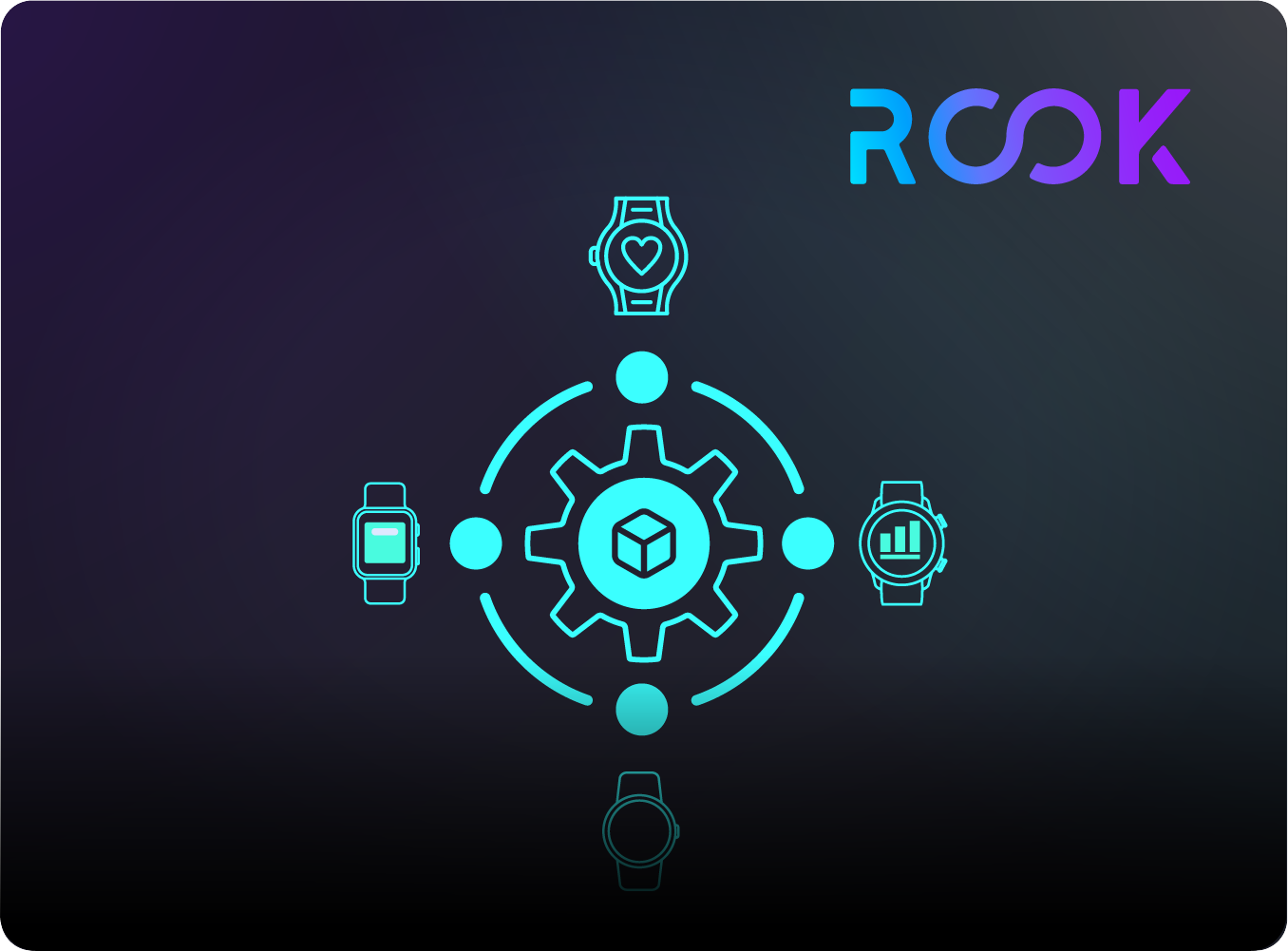
As wearables become a critical source of health data, many companies face the same strategic question: should we build and maintain integrations internally, or rely on a specialized API? The answer has direct implications for speed, cost, scalability, and data quality.
The challenge of building in-house integrations
Building your own wearable integrations may seem attractive at first, especially if you want full control over your data pipeline. However, this approach comes with significant challenges.
High development and maintenance costs
Each wearable has its own APIs, data models, update cycles, and limitations. Supporting multiple devices quickly turns into a long-term engineering commitment.Fragmented and inconsistent data
Wearable data varies widely across devices. Normalizing, validating, and aligning metrics like sleep, activity, or heart rate requires deep domain expertise.Ongoing compliance and updates
Wearable platforms frequently change APIs, permissions, and data availability. Keeping integrations up to date requires continuous monitoring and development.Slower time to market
Building from scratch delays product launches and distracts teams from focusing on core business value.

The case for using the ROOK API
ROOK was built to remove this complexity. Our API provides a single, unified integration layer for wearable health data.
One integration, hundreds of devices
Access data from more than 400 wearables through a single API, instead of managing dozens of individual connections.Normalized and validated data
We aggregate, clean, and standardize data to ensure consistency and reliability across devices.Interoperability by design
ROOK supports healthcare and insurance use cases, aligning data with industry standards such as HL7® FHIR to enable seamless system integration.Faster deployment and scalability
Teams can launch wearable-powered features faster and scale without adding operational complexity.Focus on insights, not infrastructure
By outsourcing data ingestion and normalization, teams can focus on analytics, user experience, and business impact.

When does building in-house make sense?
There are limited scenarios where building internally may be justified:
You only need to support one or two specific devices.
You have a dedicated team with deep wearable and healthcare data expertise.
Wearable integration is your core product, not an enabling layer.
For most health, insurance, and digital health companies, these conditions are rarely met.
Buy vs. build: the strategic perspective
The decision is not just technical. It is strategic.
Building in-house optimizes for control but increases risk, cost, and time. Using the ROOK API optimizes for speed, reliability, and long-term scalability while reducing operational burden.
As wearable data becomes foundational for preventive care, insurance innovation, and personalized health experiences, choosing the right integration strategy can accelerate growth and unlock real value.

Conclusion
For companies looking to move fast, scale confidently, and work with high-quality wearable data, buying instead of building is often the smarter choice. ROOK enables teams to integrate wearable data once and focus on what truly matters: transforming data into actionable insights.