
Why Wearable Integrations Increase Product Retention by 25%
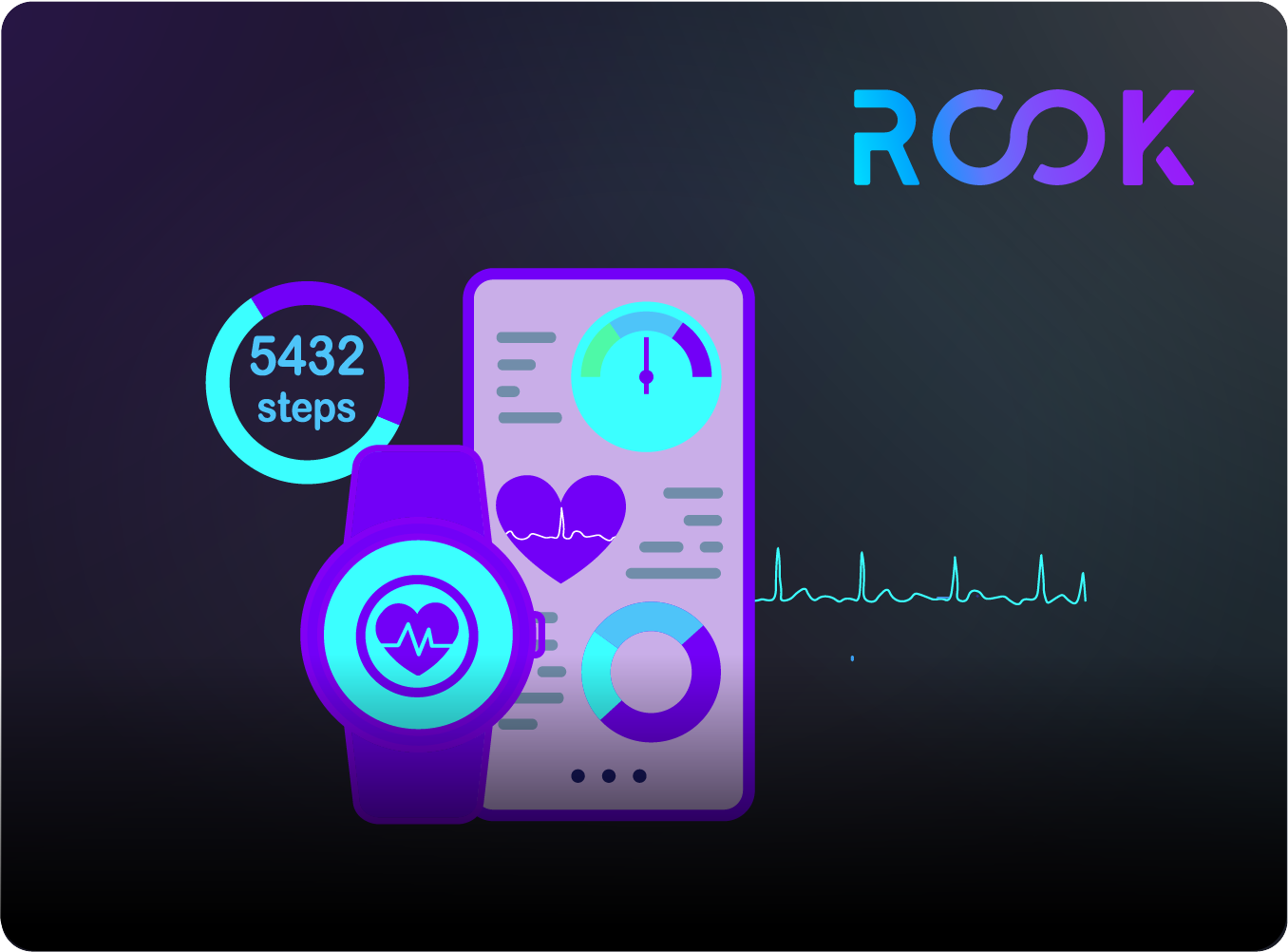
In the fast-evolving world of health tech, wearable devices such as smartwatches, fitness trackers, and health-monitoring devices are not just transforming how we track fitness, but they’re also changing the way we engage with digital health platforms. However, the real impact of wearables goes beyond just gathering health data. One of the most significant benefits of integrating wearables into health apps, fitness programs, and even insurance platforms is its ability to increase product retention by 25%. But how does this happen? Let's dive into the key reasons behind this impressive statistic.
1. Personalized User Experience
When a product integrates wearables, it can track users’ daily health metrics such as activity levels, heart rate, sleep quality, and more. This data can then be used to deliver personalized insights that help users understand how their behavior impacts their health.
A personalized experience is one of the most powerful ways to keep users engaged. For example, when an app suggests tailored workout routines based on real-time data from wearables, users feel that the product is designed just for them—not a generic, one-size-fits-all solution. Personalization fosters a deeper connection with the product, making users more likely to stay engaged and return regularly.

2. Real-Time Feedback and Motivation
Wearables provide real-time data, which means users can receive instant feedback on their activities, progress, and health metrics. This immediate feedback loop helps users feel more empowered and motivated to continue using the product.
For instance, a user who receives a notification about hitting a personal best in their workout or achieving a sleep goal is more likely to feel a sense of accomplishment. This positive reinforcement encourages ongoing use and creates a sense of achievement, making them want to return to track their progress and set new goals.

3. Building Habits Through Consistency
Wearables are designed for daily use. The more consistently users wear their devices and engage with the app, the more data is collected and the more accurate and helpful the insights become. By tracking daily habits over time, users begin to associate the app with their routine, making it an essential part of their health and fitness journey.
This consistency is key to building long-term habits. When wearables are integrated with an app, they serve as a constant reminder for users to engage with the product daily. Over time, this habit formation makes it harder for users to abandon the product, significantly increasing retention rates.

4. Seamless Integration with Other Health and Fitness Goals
Many users rely on wearable devices to track more than just fitness. Whether it’s monitoring blood sugar levels, tracking stress levels, or keeping an eye on heart health, wearables provide a broad range of functionalities. Integrating wearables into a product ecosystem allows users to consolidate multiple health metrics in one place, making it easier to manage their health comprehensively.
For example, health and wellness apps that integrate with wearables not only offer fitness tracking but also provide users with insights on mental health, nutrition, and even sleep patterns. This all-in-one solution makes the product more valuable, as users no longer have to juggle multiple apps or platforms. This holistic approach can lead to higher user satisfaction, and as a result, increased retention.

5. Increased Trust and Credibility
Users are more likely to stay loyal to products that they trust. When wearables integrate with established health platforms, it increases the credibility of the app. Wearable devices, like Apple Watch or Fitbit, are trusted brands, and when your app integrates with them, it transfers some of that trust and credibility to your product.
This partnership can boost users' confidence in the accuracy and reliability of the data provided by the app, making them feel more confident about using the platform for long-term health management.

6. Data-Driven Progress Tracking
A major benefit of wearables is their ability to track progress over time. When users can see how they’ve improved—whether in terms of fitness, sleep quality, or overall health—they feel more inclined to continue engaging with the product. Wearables provide quantifiable metrics, making it easy for users to measure their progress and stay motivated.
As users continue to see tangible improvements in their metrics, they feel a greater sense of accomplishment and are more likely to remain engaged with the app. This long-term tracking builds a sense of achievement and encourages ongoing use, resulting in higher retention.

7. Gamification and Social Sharing
Many apps integrate wearables with gamification features like challenges, badges, and leaderboards. These features introduce a competitive and fun element, making users want to return regularly to see how they compare with others or to complete specific health goals.
Additionally, integrating social sharing capabilities allows users to share their achievements with friends or on social media. This social reinforcement further motivates users to continue using the product and can lead to increased user acquisition, along with better retention.
8. Better Customer Support with Data Insights
Wearables generate vast amounts of data that can help users and product teams understand user behaviors more clearly. For customer support teams, this data can be used to provide better, more informed assistance when users face challenges or need guidance. Personalized support, backed by detailed data from wearables, can lead to a more positive customer experience, improving overall retention.
Conclusion
Integrating wearables into digital health products provides users with real-time, personalized insights, improves their engagement, and fosters long-term habit formation. By offering consistent feedback, tracking progress, and creating personalized health experiences, wearables help increase product retention by 25%.
As the digital health market continues to grow, companies that embrace wearable integrations will see greater customer loyalty, higher retention rates, and ultimately, a more successful long-term relationship with their users.
If you haven’t yet considered integrating wearables into your product or service, now is the time to start. The future of health tech is wearable, and it’s only getting more personal, more engaging, and more impactful.