Blog
ROOK vs Terra API: which wearable platform fits your use case?
Compare ROOK and Terra API on focus, data continuity, normalization, compliance, developer experience and scale for health or fitness apps.
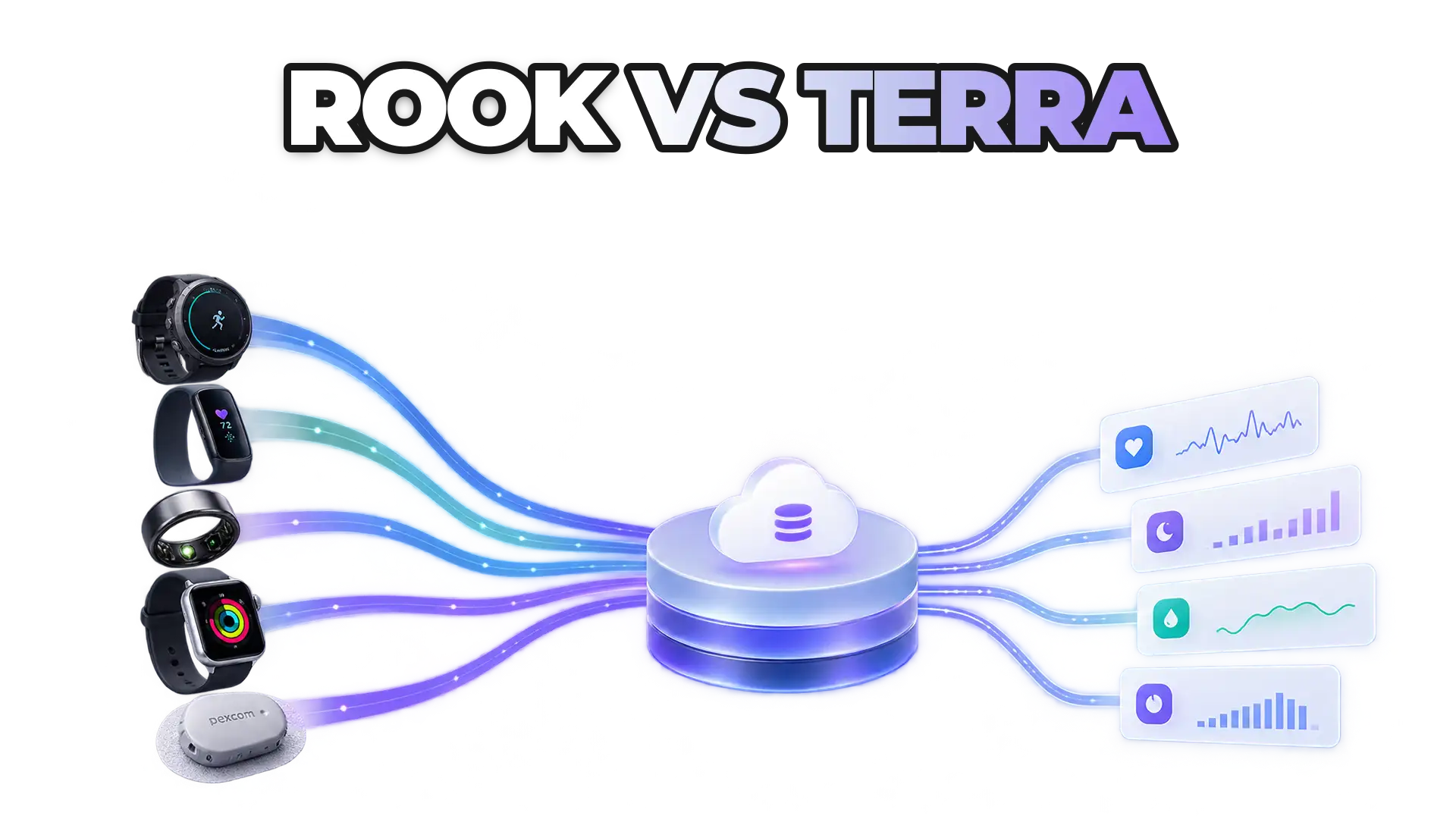
ROOK and Terra API both connect apps to wearable data, but they target different use cases. Terra API is often chosen by fitness and performance apps that want quick access to workout and activity data. ROOK, a health data aggregation and intelligence platform, focuses on continuous, normalized data for preventive care, remote patient monitoring (RPM), chronic care and health analytics. The right choice depends on what your product does with the data.
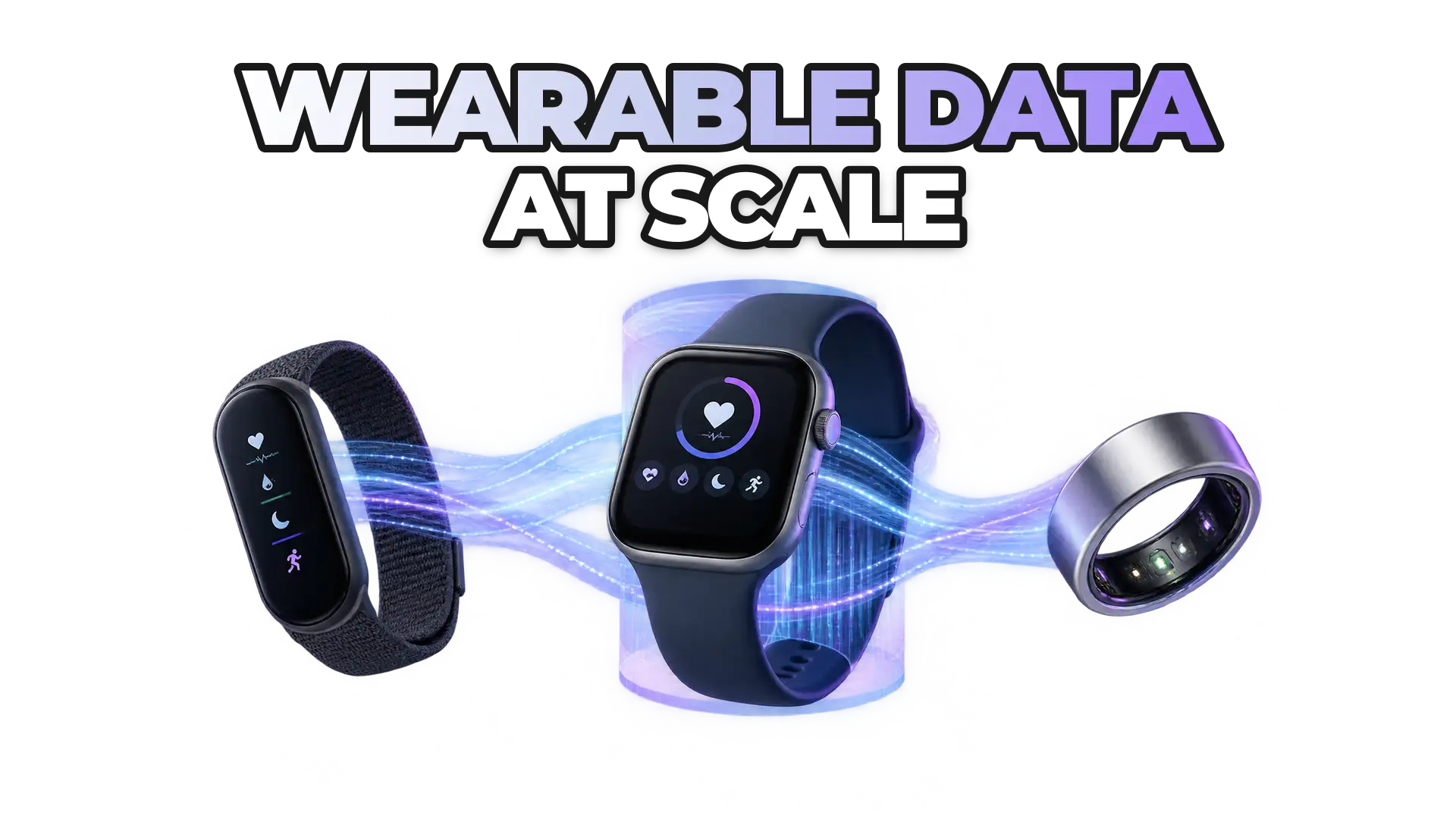
Wearable data is central to digital health, fitness, insurance and preventive care products. When companies integrate data from Garmin Connect, Fitbit, Oura, Apple Health or Dexcom, the choice of wearable integration platform affects scalability, data quality and long-term maintenance.
ROOK and Terra API are often compared. Both help teams connect to wearable data, but they are built for different use cases.
What is the core focus of ROOK and Terra API?
Terra API focuses mainly on fitness and performance data, while ROOK focuses on continuous health data for preventive and clinical-adjacent use cases.
Terra API’s core strength is fast integration for apps centered on:
- Fitness tracking
- Training analytics
- Consumer wellness products
Terra API is often chosen by teams that want to access workout and activity data quickly with minimal setup.
ROOK is built for continuous, health-focused use cases such as:
- Preventive care
- Remote Patient Monitoring (RPM)
- Chronic disease management
- Health analytics at scale
ROOK goes beyond data access and emphasizes data quality, normalization, validation and long-term reliability, connecting 72 data sources and more than 500 devices through one integration.
Key difference: Terra API helps you connect; ROOK helps you connect, standardize and act on health data.
How do ROOK and Terra API differ in data depth and continuity?
Terra API is optimized for event-based fitness data, while ROOK is designed for continuous data and long-term history.
Why it matters: health, RPM and preventive use cases need continuous, consistent data, not isolated events. The guide to eliminating duplicate wearable data explains one part of that process.
How do ROOK and Terra API handle data quality and normalization?
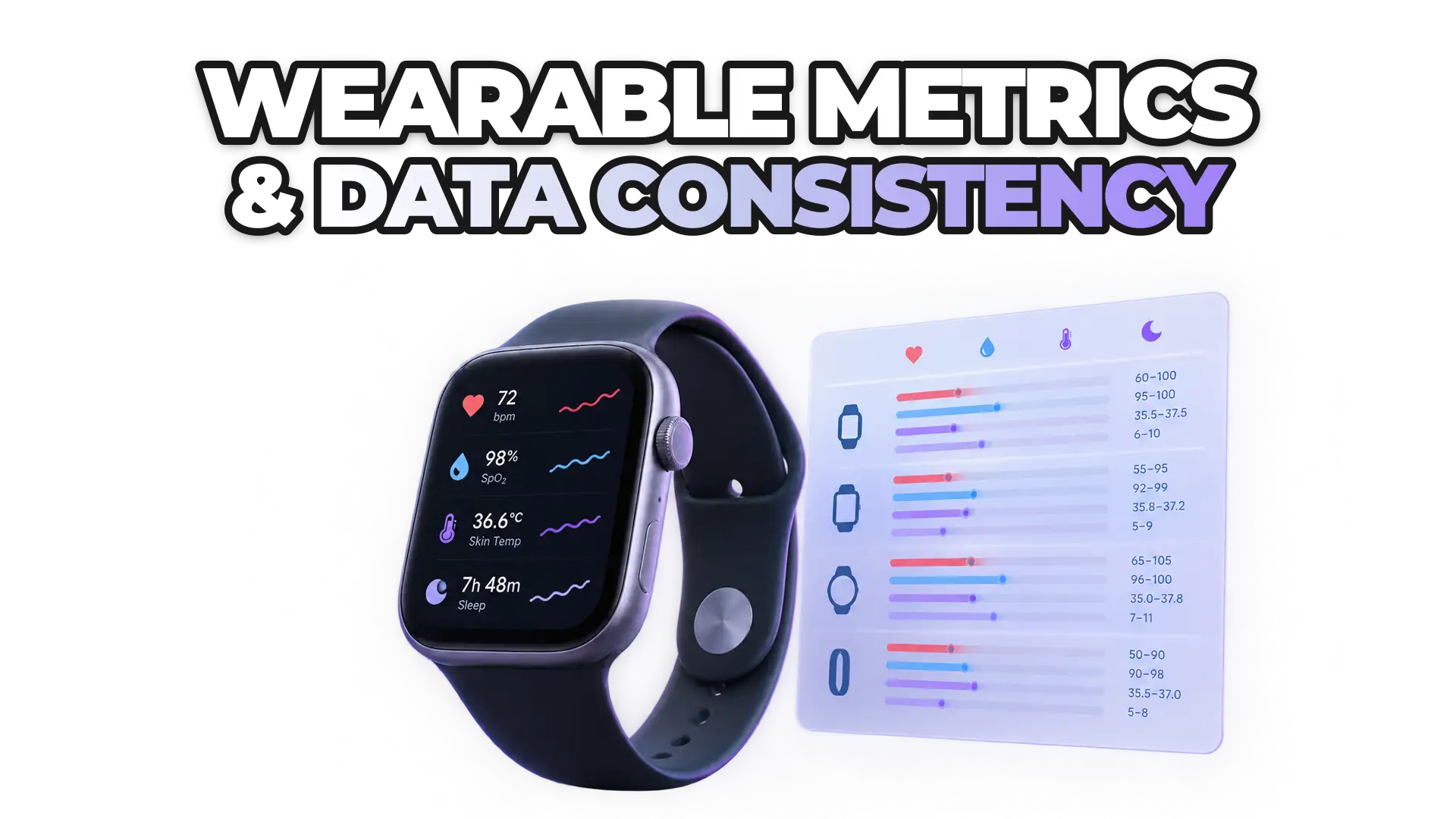
Terra API standardizes access across providers, while ROOK also harmonizes and deduplicates the data itself.
Key difference: ROOK reduces the engineering and data science burden after ingestion, so teams can build health features instead of fixing data issues.
Which platform is better suited to healthcare and compliance needs?
ROOK is built with healthcare use cases in mind, while Terra API is best suited to consumer-facing applications.
- RPM
- Health data for care teams
- Data governance and scalability needs
- Integration into medical and enterprise architectures
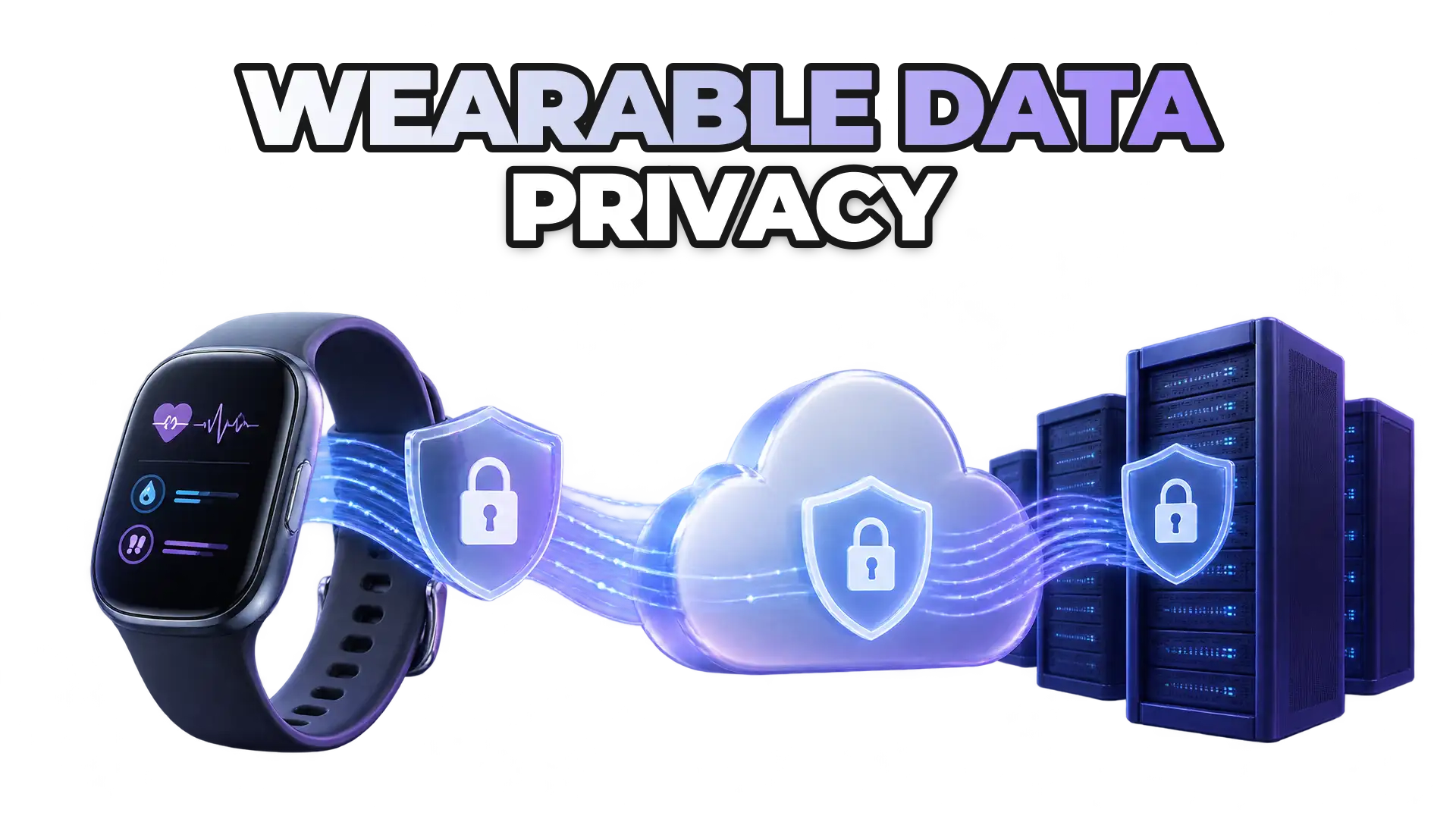
If you are building for chronic care or regulated environments, ROOK provides the data infrastructure. ROOK operates under a HIPAA-aligned security program, signs BAAs with covered entities, and processes EU personal data under GDPR as a data processor. ROOK moves and standardizes the data; it does not diagnose or replace clinical judgment.
How do ROOK and Terra API compare on developer experience?
Terra API offers a simple API-first path to a first integration, while ROOK combines SDKs, APIs and structured data models for production systems.
ROOK includes tooling for:
- Monitoring
- Error handling
- Data completeness checks
ROOK provides SDKs for Android, iOS, Flutter, Capacitor (Ionic) and React Native, documented in the ROOK developer documentation, so your team maintains fewer integrations.
How do ROOK and Terra API scale over time?
Terra API is a good fit for early-stage products, while ROOK is designed to scale across providers, users and time.
- Multiple providers
- Large user bases
- Long time horizons
ROOK reduces hidden costs related to:
- Data cleanup
- Schema drift
- Provider-specific edge cases
With ROOK, integrations stay consistent as the user base grows.
Should you choose ROOK or Terra API?
Choose Terra API if:
- You’re building a fitness or performance app
- You want fast integration with minimal setup
- Your product doesn’t need continuous health data
- Data interpretation will be handled internally
Choose ROOK if:
- You’re building for health, preventive care, or RPM
- You need continuous, consistent wearable data
- You want analysis-ready, normalized datasets
- You’re planning for scale, compliance, and long-term reliability
What matters most when choosing a wearable integration platform?
Wearable integration is no longer just about connecting devices; it is about what you can safely and reliably do with the data.
If your roadmap includes healthcare, AI-driven insights or preventive care at scale, choose a platform built for data quality and continuity. For other comparisons, see ROOK vs Spike API and ROOK vs Validic.
ROOK is designed for teams that want to move from wearable data to health programs built on it.
To learn how ROOK can help you scale your product, schedule a call with the ROOK team.
 Written byDaniel MasDigital Marketing Lead