
Do Wellness Platforms Offer Integrations with Wearable Devices?
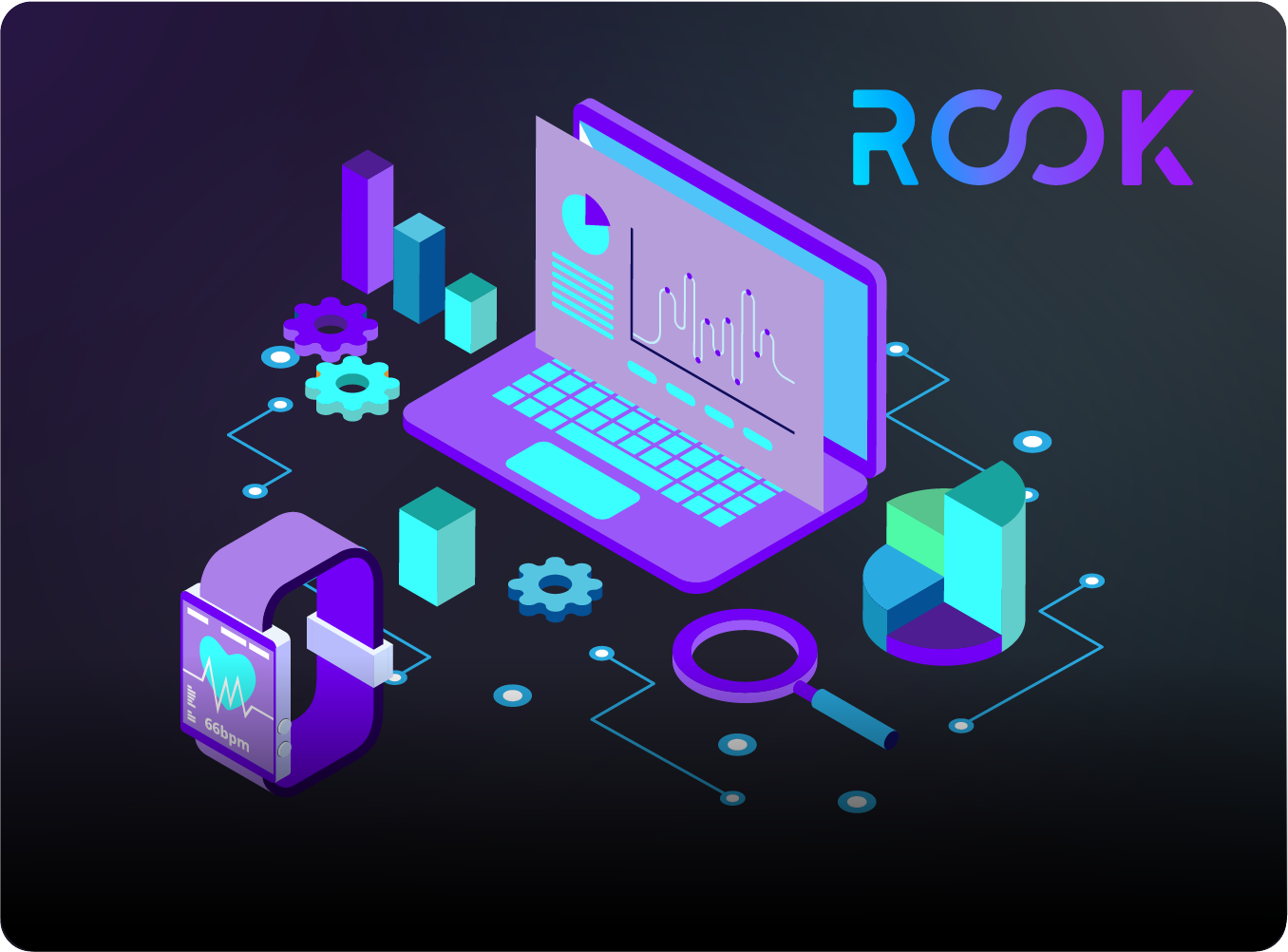
In the ever-evolving landscape of health and wellness, the demand for integrated wellness platforms has increased dramatically. As wearables like fitness trackers, smartwatches, and even health-monitoring devices become mainstream, users are expecting their wellness platforms to work seamlessly with these devices. But do wellness platforms really offer integrations with wearable devices, and if so, how do they work?
In this blog post, we'll explore the importance of integrations between wellness platforms and wearable devices, the benefits these integrations provide, and how companies are approaching these integrations.
Why Are Wearable Integrations Important for Wellness Platforms?
Wearable devices provide continuous, real-time data on various aspects of health and wellness, such as physical activity, heart rate, sleep patterns, stress levels, and more. This data is essential for users who want to take control of their health, track progress, and make better lifestyle decisions.
Without the ability to connect wearables to wellness platforms, users are left to manually input data or rely on fragmented systems, which can lead to inconsistency, data inaccuracies, and a lack of real-time insights. Therefore, integrating wearables into wellness platforms ensures that users can access a more complete picture of their health and well-being in a centralized, easy-to-use system.
The Benefits of Wearable Integrations
Real-Time Health Tracking: By connecting wearable devices to wellness platforms, users can monitor their health data in real-time. This helps individuals track their progress, set goals, and receive instant feedback.
Personalized Wellness Plans: With access to data from wearables, wellness platforms can offer more tailored recommendations, workout plans, and diet advice based on individual health metrics. For instance, a wearable device that tracks a user’s physical activity can help a wellness platform suggest personalized workouts or activity challenges.
Data Accuracy: Integrating wearables with wellness platforms ensures that the data collected is accurate, eliminating the need for manual input. This also reduces human error and increases the reliability of health insights.
Improved Engagement: When users can see how their health is improving in real-time and receive relevant insights based on their data, they are more likely to remain engaged with their wellness platform. This leads to better long-term health outcomes.
Health and Fitness Tracking in One Place: Integrating wearables allows wellness platforms to become a one-stop-shop for users. Whether it’s tracking physical activity, sleep patterns, or mental well-being, everything is available in a single interface, making it easier for users to manage their health.

How Do Wellness Platforms Integrate Wearable Devices?
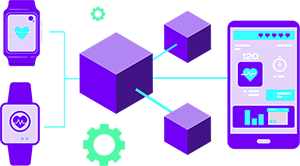
The integration process generally involves connecting the wearable device to the wellness platform via an API (Application Programming Interface). Here’s a look at how this integration works:
Data Syncing: Most wearables come with their own apps that collect and store user data. To integrate this data into a wellness platform, the app connects to the platform through APIs that sync health metrics, such as steps, calories burned, heart rate, or sleep quality.
Standardized Data Formats: Wellness platforms rely on standardized data formats (such as JSON) to ensure that data from various devices can be interpreted uniformly. This allows platforms to integrate data from multiple wearables (Fitbit, Apple Watch, Garmin, etc.) seamlessly, creating a cohesive experience for users.
User Authentication: To access data from wearables, users typically need to authenticate themselves by connecting their wearable accounts with the wellness platform. This step ensures privacy and secures personal health information.
Data Processing: Once the data is synced, the wellness platform processes and analyzes it. Depending on the platform’s capabilities, it may analyze data trends, detect anomalies, and generate health insights that are useful to the user.
Visualization and Feedback: Finally, wellness platforms provide users with actionable insights by visualizing their health data through dashboards, charts, and reports. For example, a user might receive a daily summary of their physical activity or be notified if their sleep quality has declined.

Popular Wearables Integrated with Wellness Platforms
Many wellness platforms have already begun integrating popular wearable devices to offer comprehensive health monitoring. Here are some of the most widely integrated wearables:
Fitbit: A leading brand in the fitness tracker space, Fitbit offers integrations with a wide variety of wellness platforms to track steps, heart rate, sleep, and other metrics.
Apple Watch: Known for its robust health features, the Apple Watch integrates seamlessly with wellness platforms via Apple Health, offering data on physical activity, sleep, and more.
Garmin: Garmin’s GPS-enabled fitness trackers and smartwatches are often used for outdoor activities, and their data can be integrated into wellness platforms for activity tracking, heart rate monitoring, and sleep analysis.
Oura Ring: Oura’s sleep-tracking ring is an increasingly popular wearable in the wellness industry. It provides valuable sleep data that can be integrated into wellness platforms to provide personalized sleep insights and recommendations.
Whoop: This wearable is designed for athletes and fitness enthusiasts, providing continuous monitoring of heart rate, sleep, and recovery data.
Challenges of Wearable Integrations
While wearable integrations offer numerous benefits, there are still challenges that wellness platforms face when connecting to devices:
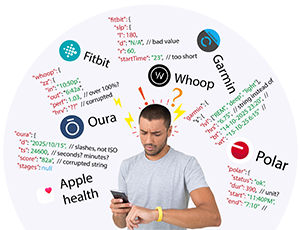
Data Fragmentation: Wearables from different brands often use different data structures, which can make it difficult to integrate them into a single platform. This is why having a powerful API that normalizes and structures the data is essential.
Privacy and Security: Health data is sensitive, and platforms need to adhere to strict data privacy regulations (like HIPAA) to ensure that users' personal health information is protected during the integration process.
Continuous Data Syncing: Ensuring that data from wearables is consistently synced in real-time can be tricky, as syncing may depend on users’ internet connections, device settings, and permissions.
The Future of Wearable Integrations in Wellness Platforms
As the demand for continuous health monitoring and personalized wellness experiences grows, it’s clear that the integration of wearables with wellness platforms will continue to evolve. Advancements in wearable technology and improved integration solutions will allow platforms to offer even more personalized, actionable health insights, driving user engagement and improving health outcomes.
Ultimately, wellness platforms that successfully integrate wearable data will offer a more comprehensive, data-driven approach to health that empowers users to take control of their well-being.
Conclusion
Wearables and wellness platforms are a powerful combination in today’s health ecosystem. Integrating wearable devices into these platforms allows users to track their health in real-time, receive personalized recommendations, and gain valuable insights into their well-being. As the industry continues to innovate, we expect more platforms to integrate wearables, making health and wellness more accessible and tailored to each user’s needs.