
Why wearable data is the future of employee wellness
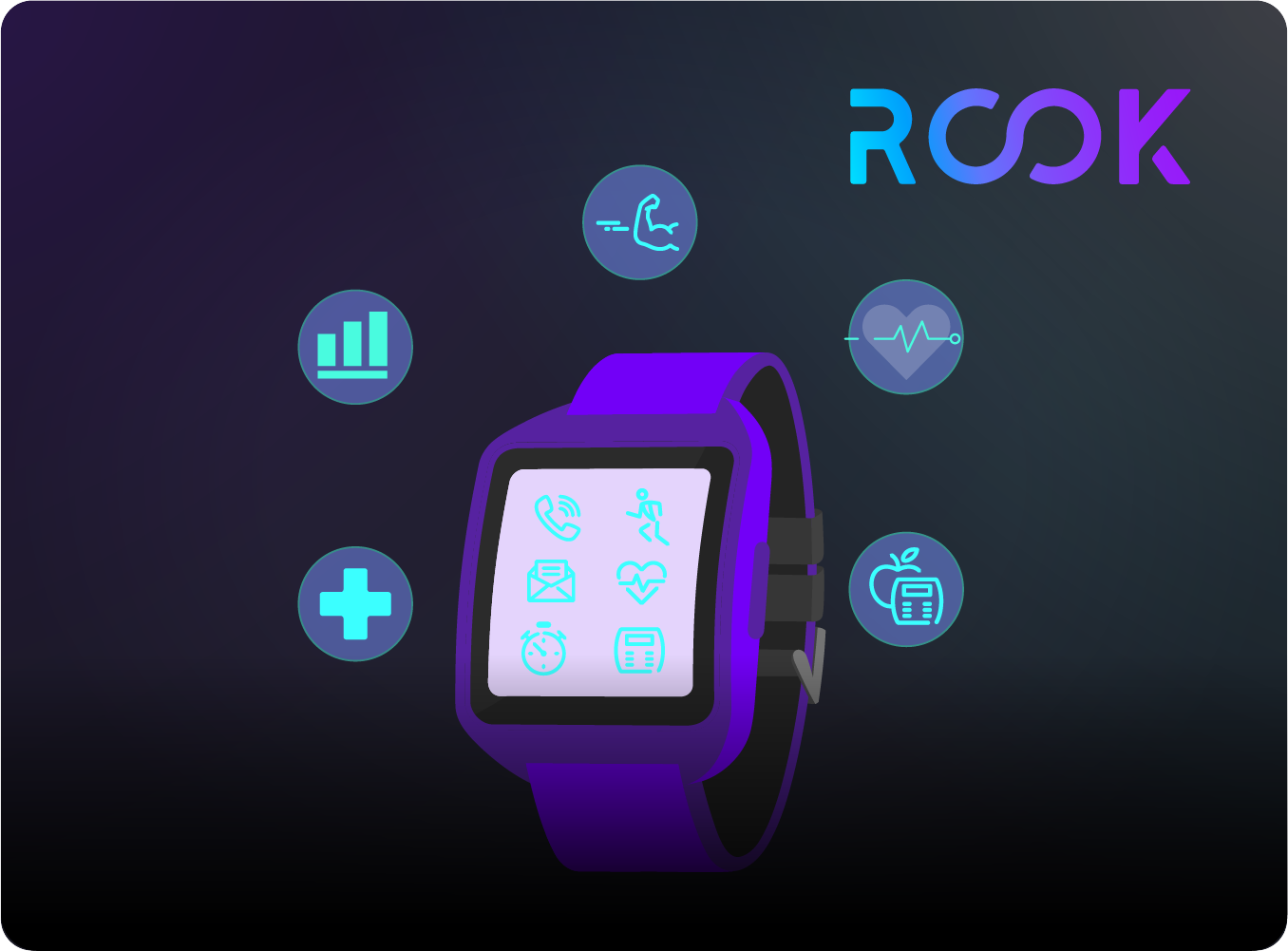
Employee wellness programs are evolving. What once focused on generic benefits and self-reported surveys is now moving toward data-driven, personalized experiences. At the center of this shift are wearable devices and the continuous data they generate.
In this article, we explore why wearable data is becoming a foundational layer for modern employee wellness programs and how it enables more effective, measurable, and engaging initiatives.
The limits of traditional wellness programs
Many employee wellness programs struggle to deliver long-term impact.
They rely heavily on self-reported data, which is often incomplete or biased.
Engagement drops over time due to lack of personalization.
Outcomes are difficult to measure, making ROI unclear for employers.
Without objective and continuous data, wellness initiatives remain reactive and generalized.

Wearables bring continuous, real-world insights
Wearables change this dynamic by capturing data passively and continuously, without adding friction for employees.
Activity levels, sleep patterns, heart rate, and recovery signals are collected in real time.
Data reflects real-life behavior, not one-time check-ins or surveys.
Trends and patterns emerge over time, enabling early intervention and prevention.
This shift from static inputs to continuous signals allows wellness programs to evolve from awareness to action.
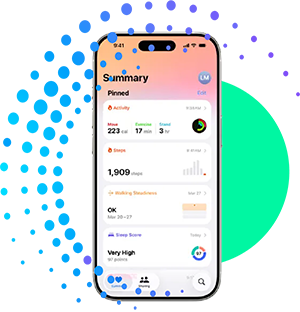
Personalization drives engagement
One of the strongest advantages of wearable data is personalization.
Employees receive insights aligned with their own habits and goals.
Feedback loops, progress tracking, and challenges increase motivation.
Programs move from “one-size-fits-all” to individualized support.
When people feel understood rather than managed, engagement increases and behavior change becomes sustainable.

From engagement to measurable outcomes
Wearable data makes wellness programs measurable.
Employers can track participation, consistency, and improvement trends.
Programs can link behaviors like sleep or activity to productivity and well-being indicators.
Data supports evidence-based decisions instead of assumptions.
This transparency helps organizations justify investment and continuously optimize their programs.

Privacy and trust are essential
For wearable-based wellness programs to succeed, trust is non-negotiable.
Data must be handled securely and ethically.
Employees should have clear visibility into what is collected and how it is used.
Aggregation and anonymization are key to protecting individual privacy.
Responsible data practices strengthen adoption and long-term participation.

The future of employee wellness
As work becomes more digital and distributed, wellness programs must adapt. Wearable data enables proactive, personalized, and preventive approaches that align with how people live and work today.
The future of employee wellness is not about more programs, but smarter ones—powered by real-world data, focused on prevention, and designed around the individual.
Conclusion
Wearable data is transforming employee wellness from a checkbox initiative into a strategic asset. By enabling continuous insights, personalization, and measurable outcomes, wearables are shaping the next generation of wellness programs.
Organizations that embrace this shift will be better positioned to support healthier, more engaged teams over the long term.