
AI-ready wearable data: a new edge for health tech
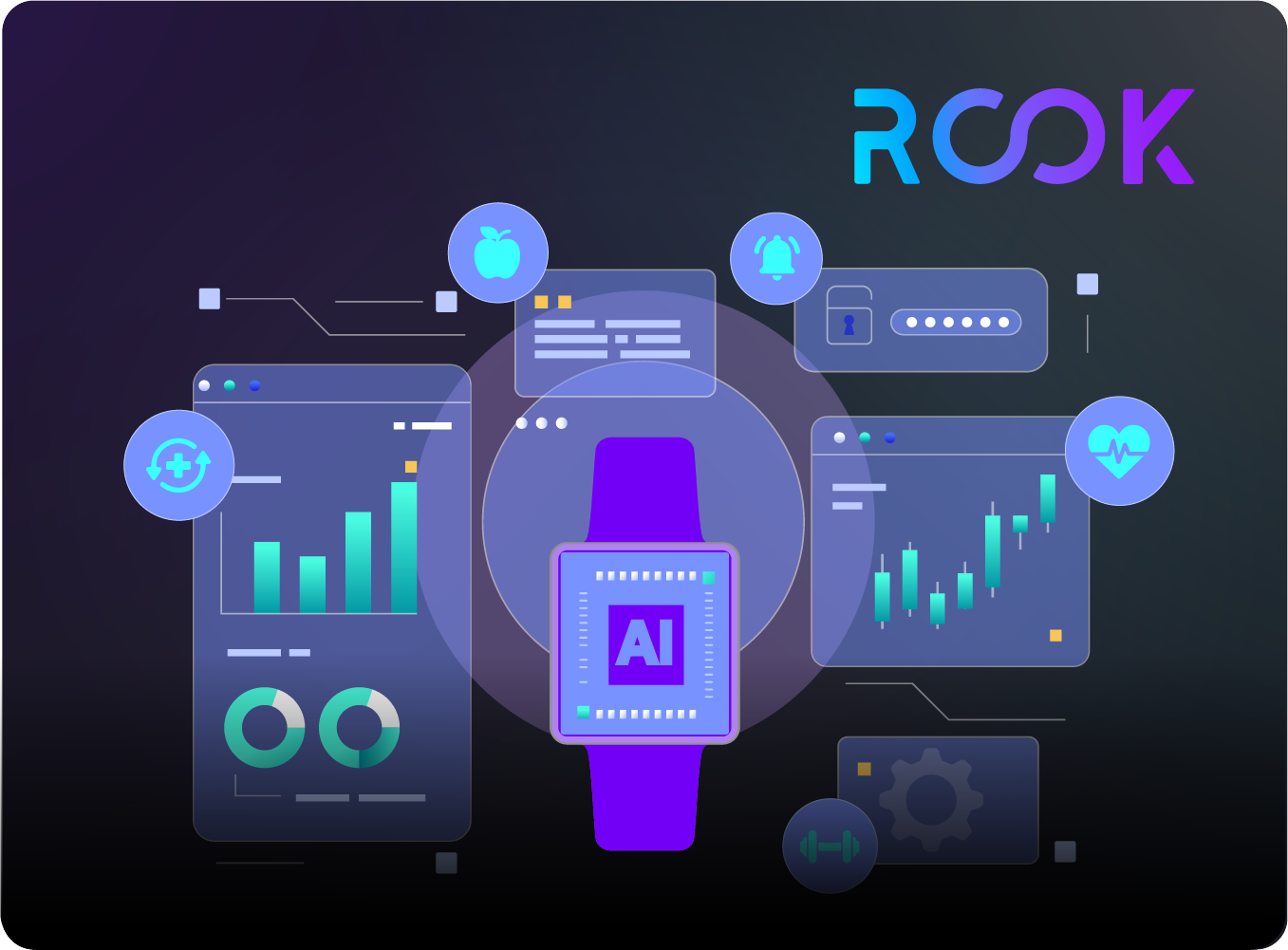
AI is reshaping health technology, but the effectiveness of any model depends on the quality, structure, and context of the data it receives. Wearables now generate continuous health signals across millions of users, yet most companies still struggle to transform this raw information into a reliable input for AI systems.
As health-tech teams invest in predictive analytics, personalized care pathways, and real-time insights, AI-ready wearable data is becoming a core advantage rather than a nice-to-have capability.
The shift toward continuous, real-world health data
Traditional health data is episodic. It reflects specific points in time, such as a lab test or a clinical visit. Wearables change this model by capturing daily behaviors, physiological changes, and long-term patterns.
Developers and data scientists can now access:
Activity and mobility trends
Sleep structure and recovery signals
Heart rate and energy patterns
Stress indicators and variability metrics
These continuous signals enable models that reflect how people live, not only how they appear in a single assessment.
AI requires structured, consistent data
Most AI systems depend on data that is standardized, reliable, and accessible in a repeatable format. Yet wearable ecosystems differ across manufacturers, data models, permissions, and syncing rules.
The challenge grows when teams work with:
Several device brands
Multiple data formats
Inconsistent sampling intervals
Varying definitions for the same metric
This fragmentation impacts accuracy and increases engineering work. Health-tech companies that rely on raw, device-specific data spend significant time normalizing, cleaning, and aligning signals before they can train or deploy models.
This is why AI-ready data matters.
AI-ready data accelerates product development
When wearable data arrives in a consistent, normalized structure, teams can focus on experimentation and insight generation rather than data management.
AI-ready data helps companies:
Reduce model training time
Improve feature engineering
Increase prediction accuracy
Scale to new devices without rebuilding pipelines
Instead of managing dozens of integrations, teams can use one unified model of activity, cardiovascular metrics, and recovery indicators.

Personalization depends on daily context
Health-tech solutions increasingly promise personalized recommendations, adaptive programs, and continuous care pathways. These depend on understanding:
How much a user sleeps
How active they are across the week
How their heart rate responds to stress
How recovery changes over time
AI systems are more effective when they use these signals. Wearable data turns static user profiles into dynamic ones that reflect changes in behavior and physiology.
This context is essential for companies designing prevention programs, coaching experiences, digital therapeutics, and risk assessment tools.

Consumer expectations are changing
Users expect digital health products to:
Reflect their real behavior
Respond to their daily patterns
Help them understand trends
Provide actionable guidance
Wearables already play a central role in how people monitor health. Health-tech companies that incorporate these insights will align with user expectations and deliver more meaningful experiences.

A unified approach creates long-term advantage
As health-tech grows more AI-driven, the companies with access to high-quality, standardized wearable data will innovate faster and deliver more accurate insights. Working across fragmented device ecosystems adds operational complexity and slows innovation.
A unified integration layer, such as the one we focus on at ROOK, allows teams to:
Access normalized data from hundreds of devices
Reduce engineering and data-science overhead
Maintain consistent pipelines across use cases
Focus on insight generation instead of infrastructure
This approach gives teams a structural advantage as AI continues to evolve.

Conclusion
AI-ready wearable data is becoming a strategic differentiator for health-tech companies. It enables more accurate models, supports personalization, and reduces time spent managing fragmented data sources. As the industry shifts toward continuous, consumer-driven health information, teams that invest in structured, standardized wearable data will be better positioned to build the next generation of health innovation.