
AI and the future of wearable–EHR integration
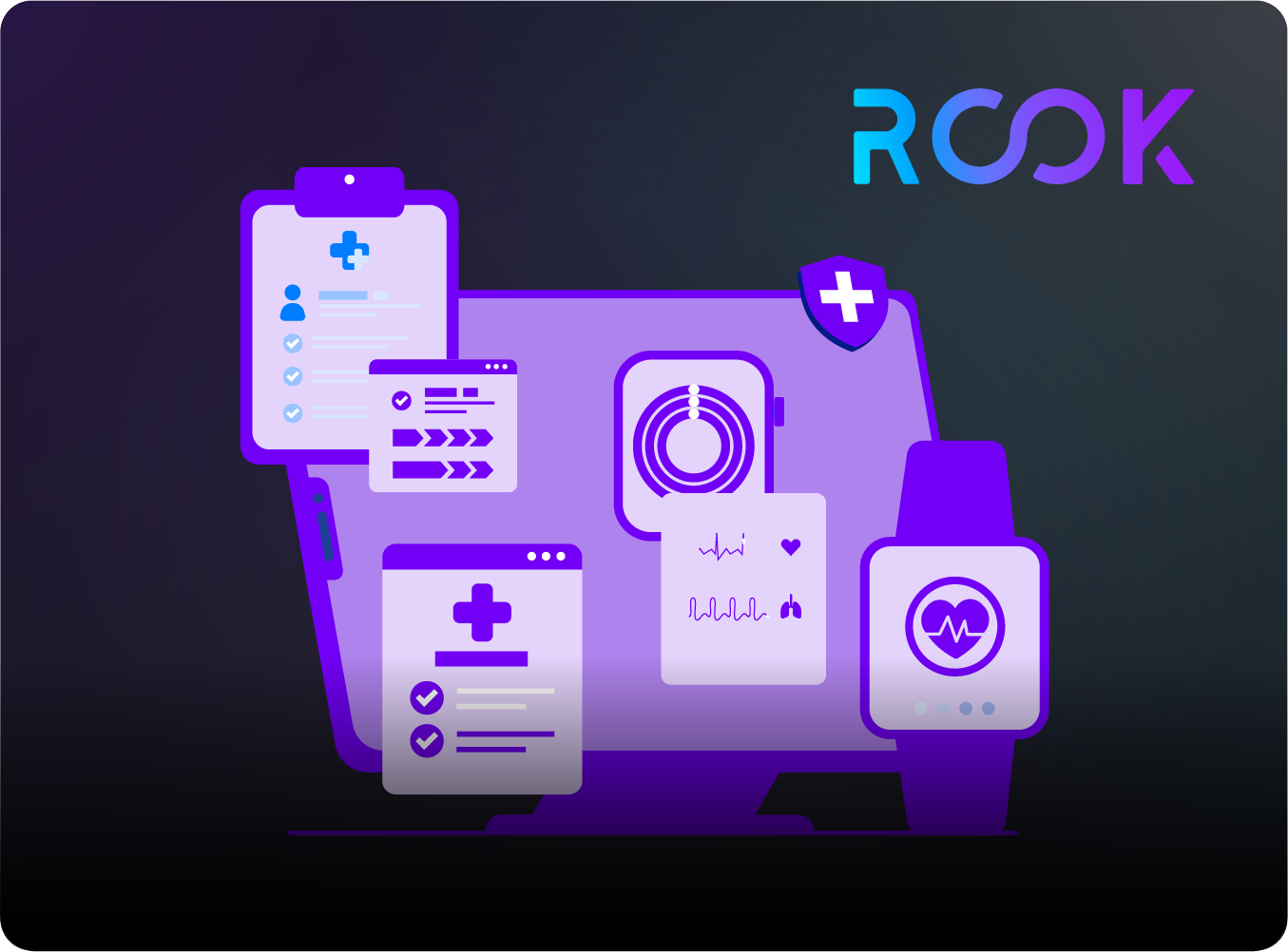
Electronic health records (EHRs) have become the backbone of modern healthcare, storing clinical data that supports diagnosis, treatment, and long-term patient management. At the same time, wearables have evolved into powerful, continuous data sources that capture daily activity, heart rate, sleep patterns, and other physiological signals.
Despite their potential, these two worlds clinical systems and consumer wearables remain largely disconnected. This gap prevents providers, insurers, and digital health companies from unlocking the full value of real-world health information.
Artificial intelligence (AI) is now emerging as the key to bridging this divide.
The challenge: two ecosystems that rarely speak the same language
Wearables and EHRs operate in fundamentally different data environments.
Wearable data is:
Continuous and high-volume
Captured in real-world settings
Structured differently across device brands
Designed for consumer use, not clinical workflows
EHR data is:
Episodic and event-based
Standardized for clinical care
Built around regulated medical documentation
Not designed to ingest large volumes of real-time signals
This mismatch creates several barriers:
Fragmented data formats across wearable manufacturers
Limited interoperability between consumer data and clinical standards
Manual processes required to interpret or upload data
Difficulty validating wearable insights within clinical decision frameworks
AI changes this landscape by transforming raw, disparate data into meaningful, interoperable information.
How AI creates a bridge between wearables and EHRs
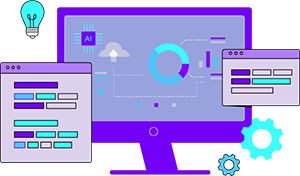
AI can process, normalize, and interpret large streams of wearable data, making it usable within clinical and operational environments. It does this in three ways.
1. Data normalization across devices
AI models can translate heterogeneous wearable data—steps, heart rate, sleep, energy, and more—into standardized formats that align with clinical standards.
This ensures consistency across:
Device brands
Data sampling rates
Metric definitions
Historical trends
For healthcare organizations, normalization reduces friction and improves accuracy.
2. Contextual insights instead of raw metrics
Raw wearable data is rarely actionable within clinical workflows. AI enriches this data by generating context, such as:
Recovery patterns
Sleep effectiveness
Heart rate stability
Early indicators of stress or fatigue
This context aligns more closely with how clinicians interpret patient information.
3. Predictive modeling for proactive care
AI can identify trends and deviations earlier than traditional clinical encounters. This enables:
Prevention and early intervention
Continuous risk assessment
Personalized care pathways
Dynamic treatment adjustments
Wearable data becomes part of a broader clinical picture rather than an isolated dataset.
Why bridging this gap matters
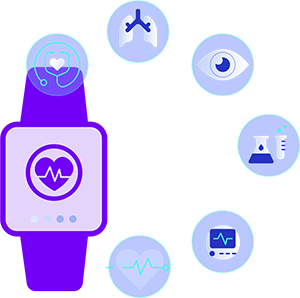
Connecting wearables and EHRs unlocks value across the healthcare ecosystem.
For providers
A more complete view of patient behavior and physiology
Better monitoring of chronic conditions
Data-driven decision support
For digital health companies
Richer datasets for AI modeling
More personalized experiences
Stronger engagement through real-time insights
For insurers
Continuous health signals for risk modeling
Better prevention and care management strategies
For consumers
More integrated care
Insights that align with both lifestyle and clinical needs
Wearables become true healthcare tools, not just fitness accessories.

The path forward: a unified data layer
To make this connection scalable, health-tech companies need a unified data layer that can:
Ingest data from hundreds of wearables
Normalize metrics into a consistent model
Deliver structured, AI-ready insights
Integrate cleanly with EHR systems and clinical workflows
At ROOK, we focus on building this layer. Our platform transforms fragmented wearable data into clear, usable information that supports clinical insight, operational efficiency, and AI-powered innovation.

Conclusion
The gap between wearables and EHRs has limited the potential of real-world health data for years. AI now provides a path to bridge this divide by standardizing, contextualizing, and enriching wearable signals so they can integrate seamlessly into clinical systems.
As the healthcare ecosystem becomes more connected, AI-ready wearable data will play a central role in prevention, personalization, and continuous care. Bridging these data environments is not only a technical challenge but a foundational step toward more effective and equitable health outcomes.