
Top 10 Wearable APIs of 2025
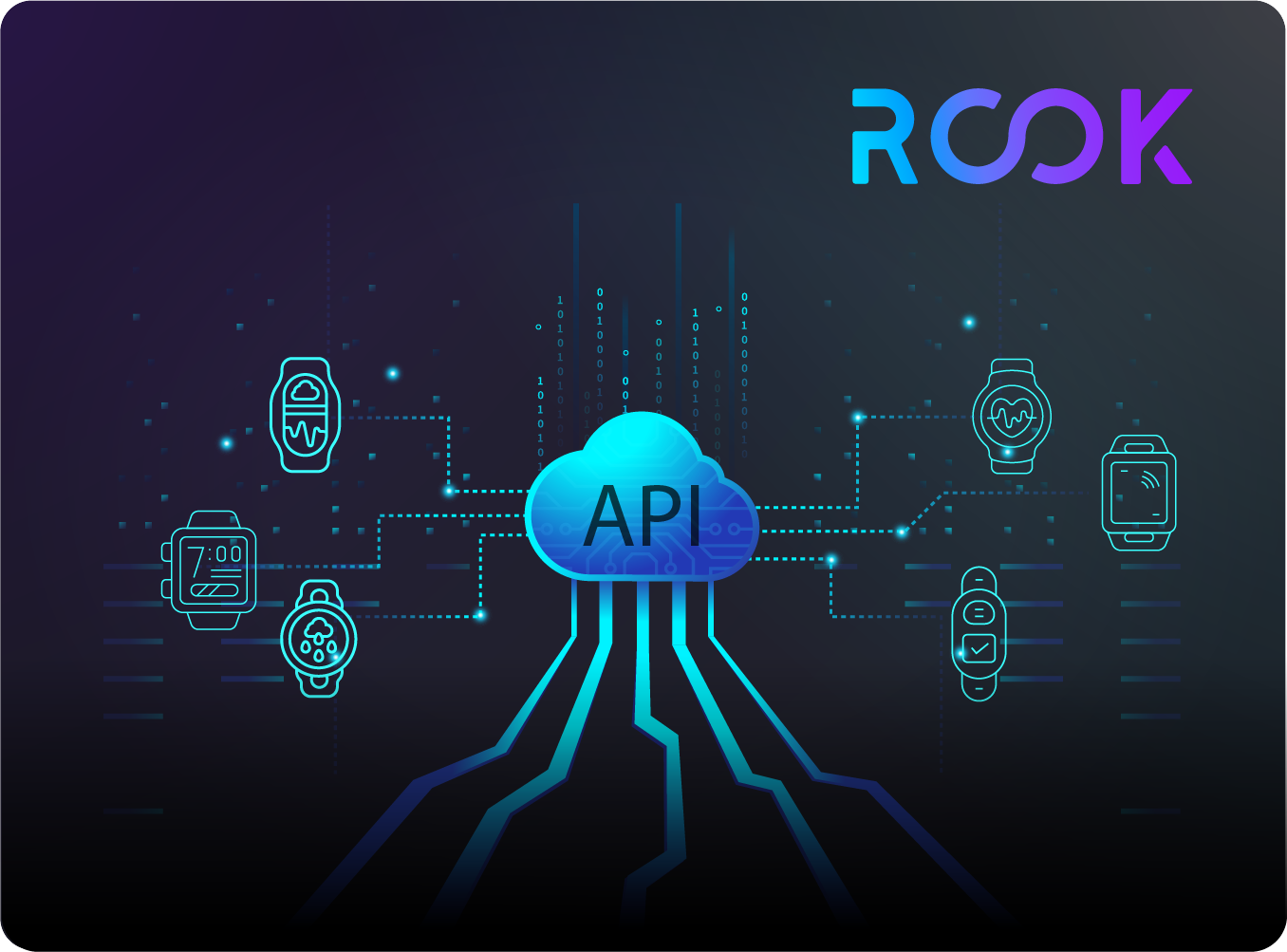
The wearable tech market has exploded over the past few years, with more people using devices to monitor their health and fitness. As the demand for wearable technology continues to grow, so does the need for robust and versatile APIs (Application Programming Interfaces) that can connect wearable devices with apps, software platforms, and health management systems.
In 2025, wearable APIs are playing a pivotal role in driving the integration of health data, offering new opportunities for developers, health professionals, and companies to enhance user experiences and deliver personalized solutions.
1. ROOK API
As a leading player in the wearable data space, ROOK offers an API that allows seamless integration of health and fitness data from wearables into applications. With an emphasis on real-time analytics, ROOK enables developers to access valuable insights from heart rate, activity tracking, sleep patterns, and more. ROOK’s focus on usability and flexible data integration makes it a top choice for businesses seeking to leverage wearable technology in health-related applications.
Key advantages of ROOK:
Single integration for multiple devices
Normalized data models across health metrics
Reduced development and maintenance overhead
2. Fitbit API
Fitbit remains one of the most popular wearable brands, and its API allows developers to pull data from a wide range of Fitbit devices. From step counts to heart rate variability, the Fitbit API enables the integration of valuable fitness metrics into wellness apps and health tracking platforms.
Considerations:
Requires OAuth authorization
Applies rate limits that may impact large-scale applications
3. Apple HealthKit API
Apple's HealthKit API offers deep integration with iOS devices, providing developers with access to a wide variety of health and fitness data. HealthKit can pull data from both native Apple devices (like the Apple Watch) and third-party wearables, offering detailed insights into activity, nutrition, sleep, and more.
Considerations:
User must have an Apple device
Data resides on the user’s device, which may require additional sync logic.
4. Garmin Health API
Garmin is well-known for its fitness-focused wearables, and its Health API offers comprehensive access to fitness, health, and wellness data. From detailed metrics like VO2 max and stress tracking to sleep and activity monitoring, Garmin’s API gives developers the tools they need to integrate valuable health insights into their apps.
Considerations:
Access requires a partnership agreement
Integration process is more complex than basic consumer APIs
5. WHOOP API
WHOOP has emerged as a top choice for elite athletes and fitness enthusiasts, and its API offers a deep dive into performance metrics. The WHOOP API provides access to data on recovery, strain, sleep, and heart rate variability (HRV), which is crucial for building personalized fitness programs.
Considerations:
API essential for high-performance wellness apps
6. Polar Open Access API
Polar has been a pioneer in fitness and sports technology, and its Polar Open Access API allows developers to integrate data from Polar devices into their own applications. The API provides access to heart rate, activity, sleep, and performance metrics, which are particularly valuable for sports-focused applications.
Considerations:
Focused mainly on high-performance metrics
7. Samsung Health SDK
Samsung Health offers an API that enables developers to integrate data from Samsung wearables, such as the Galaxy Watch, into health and fitness apps. The Samsung Health SDK provides access to activity data, nutrition tracking, heart rate monitoring, and more.
Considerations:
Ideal for apps targeting Android users
8. Withings Health Mate API
Withings offers a range of health-tracking devices, including smartwatches, scales, and thermometers, and their Health Mate API allows developers to integrate data from these devices into their apps. From weight management to sleep tracking, Withings’ API provides detailed health insights.
Considerations:
Known for its focus on simplicity and accuracy
9. Oura API
The Oura Ring is known for its comprehensive sleep tracking, and the Oura API allows developers to access detailed sleep data, including sleep stages, quality, and overall recovery. This API is particularly popular among developers building apps focused on sleep health, recovery, and overall well-being.
Considerations:
Requires Oura hardware
Ideal for sleep and recovery-focused health apps
10. Xiaomi Mi Fit API
Xiaomi’s Mi Fit ecosystem of wearables offers an API that enables developers to integrate fitness and health data into their apps. Xiaomi's API provides access to basic activity tracking data, heart rate, sleep information, and more.
Considerations:
Ideal for broad audiences in emerging markets
Why Wearable APIs Are Essential in 2025
As wearable technology continues to evolve, the integration of data from these devices into apps, health management platforms, and fitness solutions has become more important than ever. In 2025, wearable APIs enable:
Personalized Health Insights: Developers can create highly customized experiences by accessing rich, real-time data.
Data-Driven Decision Making: Health professionals, businesses, and individuals can use data to make better, informed decisions about wellness.
Cross-Platform Integration: Many wearable APIs allow integration across multiple devices and platforms, ensuring a seamless experience for users.
The top wearable APIs in 2025 are more powerful and accessible than ever, offering businesses and developers the tools they need to create innovative, data-driven solutions that improve health and fitness outcomes for users worldwide.
Conclusion: What Wearable API Should You Choose?
Developers have many options when it comes to integrating wearable data, but each comes with its own trade-offs. ROOK stands out as one of the best options due to its focus on data normalization, ease of integration, and ability to handle data from multiple devices through a single API.
ROOK is the best option if your product needs multi-device integration, standardized data, and a scalable infrastructure. If you want to build digital health apps with continuous, reliable data, ROOK is the perfect solution.
If you’re interested in learning more about how ROOK can help your team build more efficient digital health products, schedule a call with us today! Here.