
Top 10 wearable APIs to consider in 2026
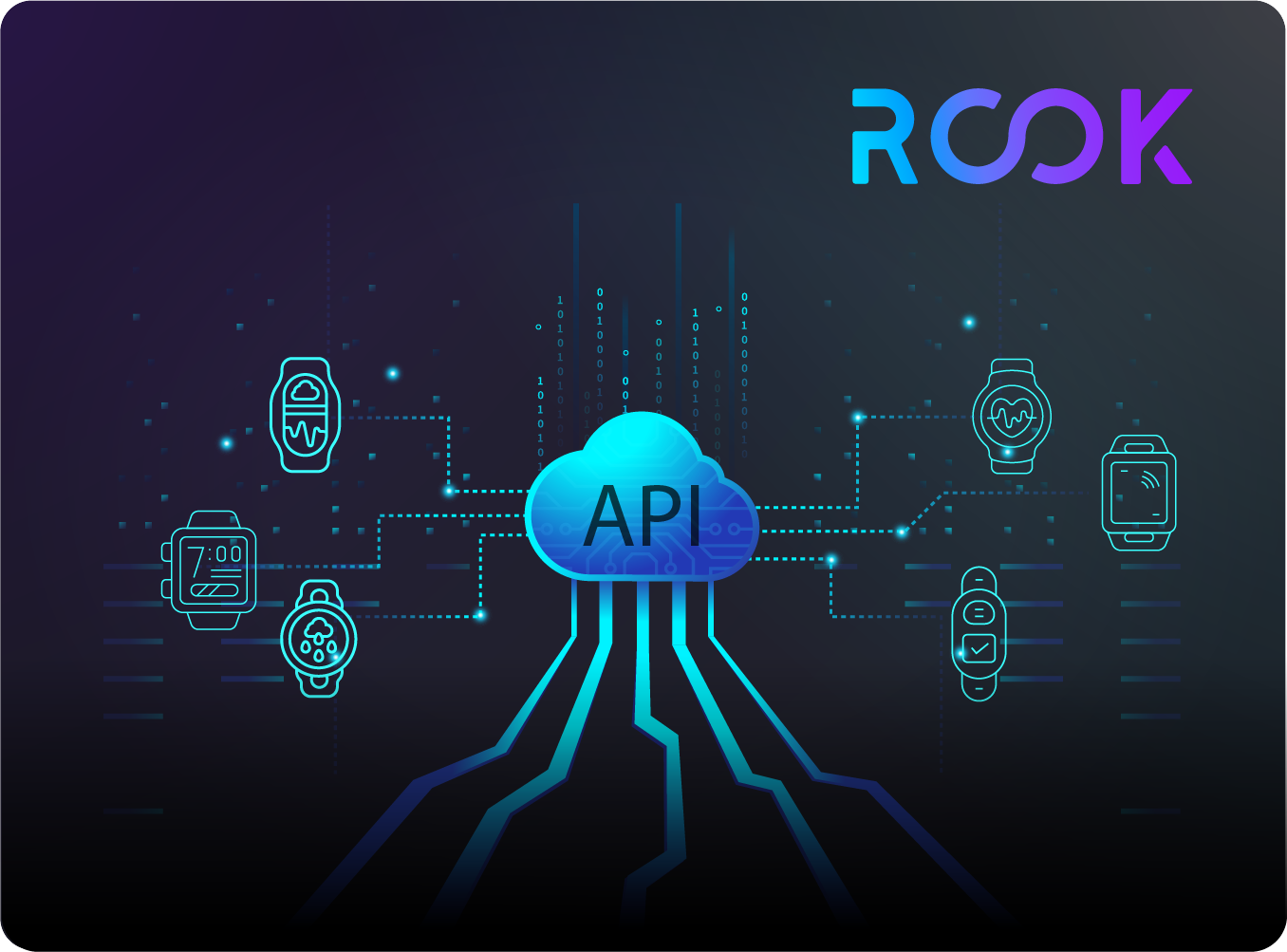
Wearables are already part of everyday life for millions of people. Watches, rings, and other devices collect data on activity, sleep, heart rate, recovery, and many other signals that can provide more context about users’ behavior and health.
For companies, the challenge is turning that data into information they can actually use in their products.
That is where wearable APIs come in.
Some allow companies to connect directly with a specific device or ecosystem. Others, like ROOK, make it possible to work with multiple data sources through a single integration.
The best option depends on what you want to build, which devices your users rely on, and how much work your team wants to dedicate to maintaining each connection.
Here are ten of the most relevant options to consider in 2026.
1. ROOK API
ROOK is our top choice for companies that need to integrate data from multiple wearables. While many of the alternatives on this list are designed to work with a specific ecosystem, ROOK allows companies to connect multiple health data sources through a single integration. This means your team does not need to approach every wearable as a separate project. ROOK aggregates and transforms data so it is more consistent and easier to use within an application, regardless of where it comes from.
Why choose ROOK
One integration: Connect multiple supported sources without building every connection from scratch.
Standardized data: Work with information organized into consistent data models.
Less maintenance: Reduce the work involved in managing different integrations.
More choice for your users: Support different wearable ecosystems within your product.
More focus on your product: Spend more time creating experiences with the data and less time connecting it.
This becomes especially important as a company grows.
If your product works with one source today but your users later need Garmin, Oura, WHOOP, Polar, or other devices, maintaining every integration separately can quickly become a burden for your team.
ROOK is designed to simplify that process.
Who is ROOK for?
ROOK is a strong option for products that need to:
Work with multiple wearables
Bring health data into an application
Offer users more options for connecting their devices
Standardize information from different sources
Reduce the work required to maintain multiple integrations
Scale their wearable data strategy
Best for: Digital health, fitness, insurance, corporate wellness, research, and other data-driven products that need to work with wearable data at scale.
2. Google Health Connect
Google Health Connect makes it easier for Android apps to share health and fitness data with user permission.
Rather than belonging to a single wearable brand, it works as a connection point between compatible apps and services within Android.
This can allow an application to work with different types of information, such as activity, sleep, or heart rate data, when that information is available through Health Connect.
Key advantages
Part of the Android ecosystem
Supports different types of health and fitness data
Users remain in control of permissions
Can bring together information from multiple compatible apps
Considerations
Health Connect does not necessarily replace integrations with every wearable brand. The data available depends on the devices and applications that support and share information with Health Connect.
Best for: Android applications that want to access health and fitness data available through Health Connect.
3. Apple HealthKit
Apple HealthKit allows applications to work with health and fitness data available within the Apple ecosystem. The information can come from Apple Watch, iPhone, and other apps or devices connected to Apple Health, always with the user’s authorization.
Key advantages
Deep integration with the Apple ecosystem
Access to a broad range of health data categories
User-controlled permissions
Especially relevant for iOS applications
Considerations
HealthKit is closely tied to the Apple ecosystem. If your product also needs to support users on other platforms or wearable brands, you will likely need additional integration options.
Best for: Applications primarily focused on Apple Watch, iPhone, and Apple Health users.
4. Garmin Health
Garmin is one of the most recognized brands in sports, physical activity, and performance. Its developer solutions allow authorized companies to work with information from Garmin devices, which can include data related to activity, sleep, workouts, and other metrics.
Key advantages
Strong presence in sports and training
Relevant activity and performance data
Broad device ecosystem
A good option for products serving active users
Considerations
If your product needs to support other brands, Garmin will be one of several integrations your team needs to consider.
Best for: Sports, physical activity, and performance products with a significant Garmin user base.
5. WHOOP API
WHOOP has positioned itself strongly around sleep, recovery, strain, and performance. Its API allows authorized applications to work with information generated within the WHOOP ecosystem.
Key advantages
Strong focus on sleep and recovery
Relevant information for training
A good fit for performance-related experiences
Recognized ecosystem among highly active users
Considerations
The data is tied to WHOOP users. If you want to provide a similar experience to people using other devices, you will need to add more data sources.
Best for: Applications focused on recovery, sleep, training, and performance.
6. Polar AccessLink
Polar has a long history in sports technology, training, and heart rate monitoring. Polar AccessLink allows authorized applications to work with data from Polar devices.
Key advantages
Strong focus on training and activity
Established brand in sports
Useful information for performance products
Especially relevant for Polar device users
Considerations
Like other manufacturer APIs, it is primarily designed around its own ecosystem.
Best for: Sports and training products serving Polar users.
7. Samsung Health
Samsung has a significant ecosystem of connected devices, particularly through Galaxy Watch and Samsung Health. Its developer tools allow compatible experiences to incorporate different types of health and activity information.
Key advantages
Strong presence within the Android ecosystem
Relevant for Galaxy Watch users
Multiple categories of health and activity data
Integration with Samsung products and services
Considerations
It is particularly useful for products with Samsung users, but it does not represent the full range of Android wearables available in the market.
Best for: Applications with a significant audience of Samsung and Galaxy Watch users.
8. Withings API
Withings offers something different within the connected device market. In addition to wearables, its ecosystem includes products such as scales, blood pressure monitors, and other devices that generate health-related data.
Key advantages
Multiple types of connected devices
Weight and body composition data
Activity and sleep information
Useful for products that need more than traditional smartwatch data
Considerations
Its main value is within the Withings ecosystem. To work with other brands, you will need to expand your integration strategy.
Best for: Products that want to combine activity information with body measurements and other data from connected devices.
9. Oura API
Oura Ring is especially known for its focus on sleep, recovery, activity, and readiness. The Oura API allows authorized applications to use information from the Oura ecosystem.
Key advantages
Strong focus on sleep and recovery
Useful for understanding trends over time
An alternative to the traditional smartwatch format
Relevant for products focused on rest and behavior
Considerations
Its usefulness depends on users being part of the Oura ecosystem. To reach a broader audience using different devices, additional sources will be needed.
Best for: Products focused on sleep, recovery, and health trends.
10. Suunto
Suunto has a strong presence in sports, training, and outdoor activities. Its developer tools allow compatible services to work with information from Suunto devices.
Key advantages
Strong focus on sports and outdoor activities
Relevant training data
Established ecosystem among athletes and endurance sports users
Useful for activity and performance products
Considerations
Suunto is especially relevant when your users already rely on its devices. For a more diverse audience, you will need to combine it with other data sources.
Best for: Sports and performance applications serving Suunto users.
So, what makes ROOK different?
The main difference comes down to the problem you are trying to solve. If your product is focused on a single ecosystem, a direct integration with Apple, Garmin, Oura, WHOOP, or another provider may be enough.
But when your users rely on different devices, maintaining a separate integration for each source can quickly increase the workload for your team. ROOK simplifies this process by connecting multiple wearable data sources through a single integration and transforming the information into consistent, usable data.
What should you consider when choosing a wearable API?
Before choosing, consider three main factors:
Which devices your users rely on: If they use different wearables, a multi-source solution can offer more flexibility.
What data your product actually needs: Focus on the information that brings real value to the experience.
How much maintenance you want to manage: Multiple direct integrations also mean more changes and ongoing maintenance over time.
It is also important to provide a clear consent experience so users understand what data they are sharing and how it is used.
What is the best wearable API in 2026?
The best option depends on your product. Apple HealthKit, Google Health Connect, Garmin, WHOOP, Polar, Oura, and other platforms can be good choices when you need to work with a specific ecosystem.
However, if your company needs multiple wearable data sources, ROOK is our top choice for 2026.
With ROOK, teams can:
Connect multiple supported sources through a single integration
Work with standardized data
Reduce the maintenance of different connections
Offer users more device options
Focus on creating value with the data
One integration for wearable data
Devices and user preferences will continue to change. That is why a data strategy should not necessarily depend on a single ecosystem.
At ROOK, we help companies connect, process, and use data from different wearable sources through a single integration.
If you’re interested in learning more about how ROOK can help your team build more efficient digital health products, schedule a call with us today! Here.