
From Wearable Data to Personalized Wellness Experiences
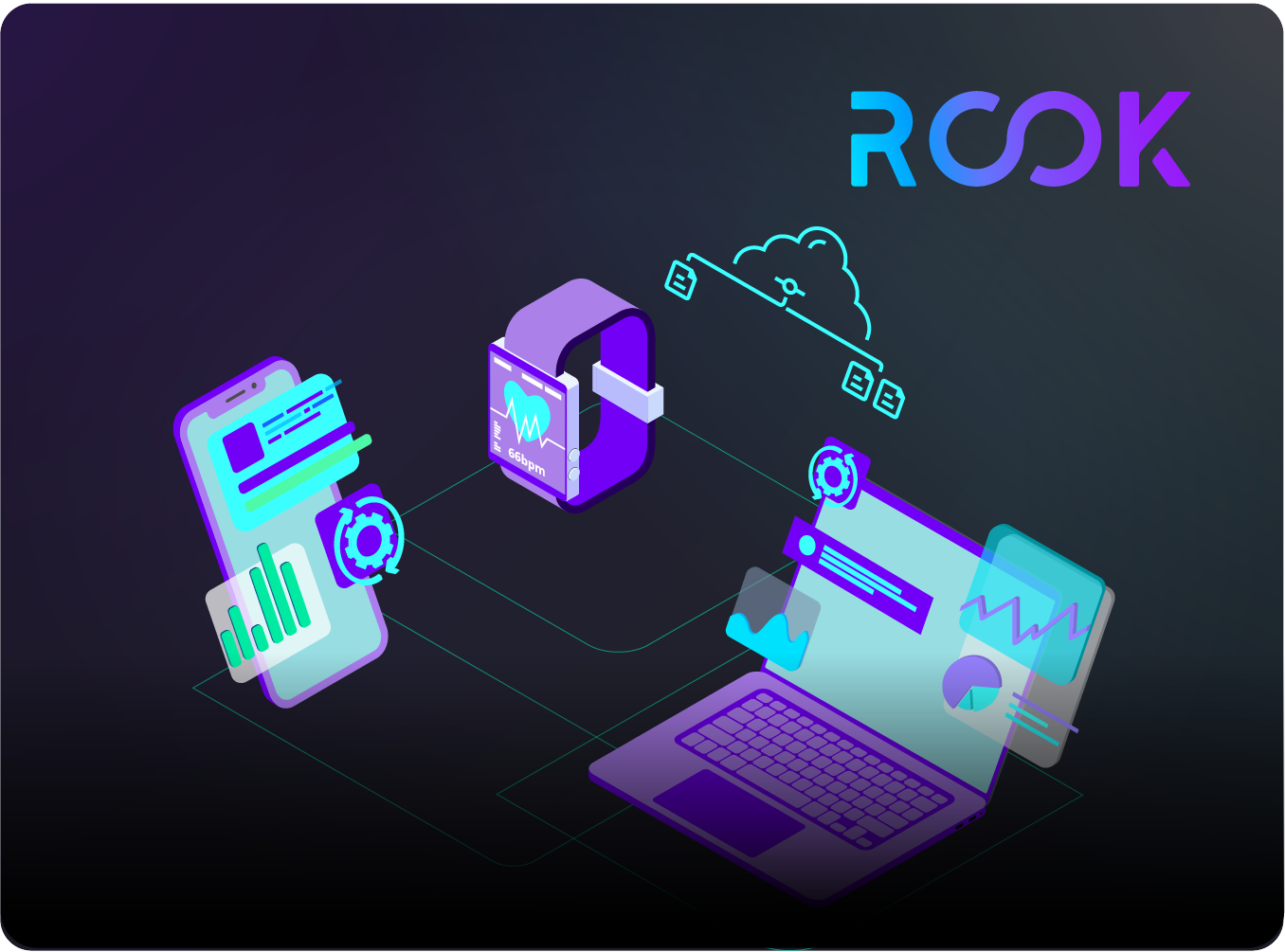
Wearable devices have become a central part of how users track and understand their health. From smartwatches to rings and fitness bands, these devices generate continuous data on activity, sleep, heart rate, and recovery.
For wellness platforms, this raises an important question:
Do wellness platforms offer integrations with wearable devices?
The short answer is yes. But the reality is more nuanced.
The growing role of wearables in wellness platforms
Most modern wellness platforms aim to provide personalized experiences. To do that effectively, they need access to reliable and continuous health data.
Wearables enable this by offering:
Real-time activity tracking
Sleep and recovery insights
Heart rate and cardiovascular data
Behavioral trends over time
By integrating wearable data, wellness platforms can move from static recommendations to dynamic, personalized experiences.

How wellness platforms integrate with wearables
There are typically two approaches to integrating wearable data:
1. Direct integrations
Some platforms connect directly to device ecosystems such as:
Apple Health
Google Fit
Fitbit
Garmin
Oura
While this approach provides control, it also introduces complexity. Each integration requires:
Separate authentication flows
Different APIs and data formats
Ongoing maintenance and updates
For many teams, this quickly becomes difficult to scale.
2. Unified wearable APIs
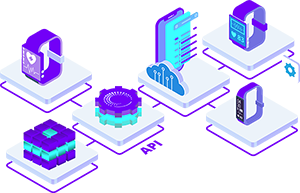
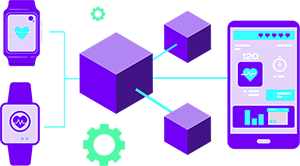
An increasingly common approach is to use a unified API that connects multiple devices through a single integration.
This model allows platforms to:
Access data from hundreds of devices
Work with normalized and structured data
Reduce engineering overhead
Scale faster across user segments
This is where solutions like ROOK stand out.
Why integration is still a challenge
Even though integrations are widely available, they are not always simple or effective.
Common challenges include:
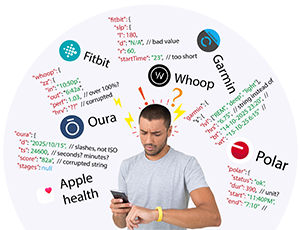
Data fragmentation: Each device measures metrics differently
Lack of standardization: Sleep, HRV, and activity are calculated in different ways
Maintenance overhead: APIs change frequently
User experience gaps: Connecting devices can be complex
Without solving these issues, wearable integrations can limit product performance instead of enhancing it.
What to look for in a wearable integration solution
If you are building or scaling a wellness platform, it is important to evaluate how wearable data is handled.
Key factors include:
Device coverage: Support for major wearable brands
Data normalization: Standardized metrics across devices
Developer experience: Clear documentation and fast integration
Scalability: Ability to handle growing data volumes
Real-time access: Timely data delivery via APIs or webhooks
Why ROOK is the best option for wellness platforms
While many solutions offer basic connectivity, ROOK is designed to go beyond that.
ROOK provides:
One integration for 400+ wearable devices
Normalized and structured health data
APIs and webhooks for real-time delivery
Developer-friendly tools for fast implementation
Instead of managing multiple integrations, teams can integrate once and focus on building better wellness experiences.
This makes ROOK especially valuable for:
Digital health platforms
Corporate wellness solutions
Fitness and lifestyle apps
Longevity-focused products
Final thoughts
Yes, wellness platforms do offer integrations with wearable devices. But the way those integrations are implemented makes a significant difference.
The real value is not just in accessing data, but in making it usable, scalable, and actionable.
For teams looking to move faster and build more personalized experiences, using a unified solution like ROOK can simplify complexity and unlock the full potential of wearable data.