
Why wearable data alone may not be enough for ACCESS programs
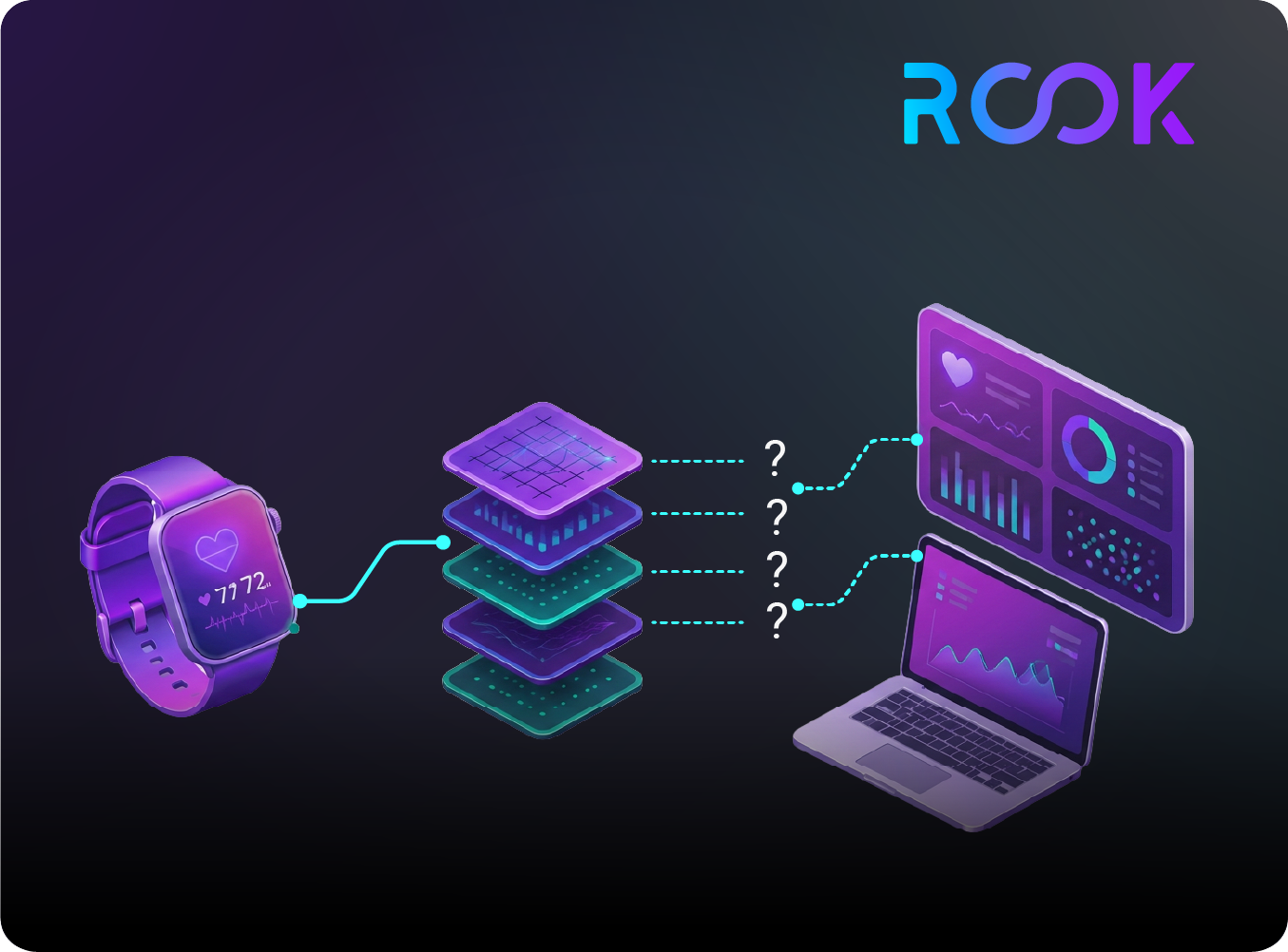
Wearables can give ACCESS programs continuous visibility into what happens between traditional points of care. They can show changes in activity, sleep, heart rate, exercise, and daily routines over time. That information is useful, but wearable data still represents only one part of the health picture.
A decrease in activity may reflect fatigue, pain, illness, a change in routine, or simply a device that stopped syncing. Similarly, a change in sleep may be related to stress, medication, recovery, travel, or the way a specific wearable estimates sleep.
Wearables can show that something changed, but they do not always explain why. For ACCESS programs, the challenge is not only connecting wearable data. Teams also need enough context to understand the data, verify its origin, and connect it to the right workflow.
Wearables are valuable because they provide longitudinal data
One of the main strengths of wearable data is its frequency. Instead of relying only on episodic information, teams can observe patterns across days and weeks.
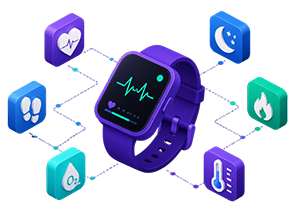
Depending on the source, wearable data may include:
Activity
Steps
Sleep
Heart rate
Exercise
Calories
Distance
Recovery
Other wellness metrics
These signals can help teams identify changes in behavior or routine. For example, daily activity may decrease over several days, sleep may become less consistent, exercise frequency may change, or a participant may stop generating the expected data.
The data can indicate that something deserves attention. The next step is understanding what that signal actually represents. This is one reason wearable data can be more complex than it first appears. Different sources may calculate, aggregate, and deliver similar metrics in different ways.
A change in wearable data does not always mean a change in health
Consider a participant whose activity suddenly decreases. Several explanations are possible:
The participant is less active
The participant is not wearing the device
The device stopped syncing
Permissions expired
Data arrived late
The participant changed devices
The source changed how it reports the metric
From the data alone, these situations may look similar. That distinction matters because a technical problem should not be interpreted as a health signal. At the same time, a meaningful change should not be ignored because the system cannot distinguish it from a synchronization issue.
ACCESS teams need enough metadata and monitoring to tell the difference.
Other data sources can add context
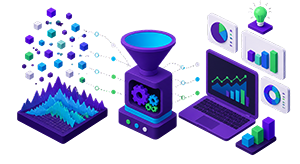
Wearables are useful for showing longitudinal behavior, but other sources answer different questions.
Medical devices can provide targeted measurements
Connected medical devices may provide measurements such as:
Blood pressure
Blood glucose
Oxygen saturation
Weight
Temperature
Cardiac measurements
Respiratory measurements
These measurements can complement broader wearable trends. For example, a decrease in daily activity may become more useful when viewed alongside changes in blood pressure, glucose, or weight.
The important distinction is not that one category of data is automatically better than another. Different sources serve different purposes.
Lab data can add physiological context
Laboratory results can provide information that wearables do not measure directly. Depending on the use case, this may include biomarkers related to:
Glucose regulation
Cholesterol
Kidney function
Liver function
Inflammation
Hormones
Nutritional status
A metabolic health program, for example, may combine activity and sleep data with CGM information and laboratory results such as HbA1c. Each source contributes a different part of the picture and can help teams interpret the others more effectively.
EHR and EMR data can add clinical context
Clinical records may include information such as:
Diagnoses
Medications
Procedures
Encounters
Care plans
Allergies
Previous laboratory results
Clinical observations
This can help explain patterns visible in connected data. A wearable may show a decrease in activity, while clinical data may indicate that the participant recently had a procedure or changed medication. Without that context, a program may identify the pattern but not understand how it relates to care.
More data does not automatically create better monitoring
Adding more sources can improve context, but it can also increase complexity. Wearables, medical devices, laboratory systems, and clinical records may differ in:
Units
Metric definitions
Timestamps
Identifiers
Update frequency
Data structures
Missing data behavior
Reference ranges
Source metadata
Two systems may provide the same metric in different ways. A wearable and a medical device may both provide heart rate, while an EHR and a laboratory system may contain the same result. A participant may also have more than one connected device generating similar data.
Without clear rules, teams may end up with duplicate measurements, conflicting values, inconsistent reports, alerts based on different sources, or different numbers across dashboards.
The goal should not be to collect every available data source. The goal should be to make the sources a program needs understandable and usable.
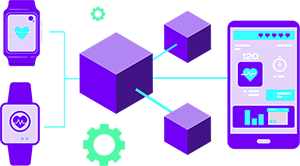
This is where standardizing health data across devices becomes important. A common structure can simplify downstream use, but it should still preserve the context needed to understand each source.
Data provenance becomes more important as sources increase
When data comes from multiple systems, teams should be able to answer basic questions about every important measurement:
Which source generated it?
Which device or system produced it?
Which model was connected?
When was it collected?
When did it synchronize?
Was the value transformed?
Was it aggregated?
Is another source reporting the same metric?
This is data provenance. It helps teams understand where a value came from and what happened to it before it reached the workflow.
A heart rate value of 72 bpm from a consumer wearable and the same value from a connected medical device may look identical after normalization. Their context is not necessarily identical, so a reliable data layer should preserve that difference.
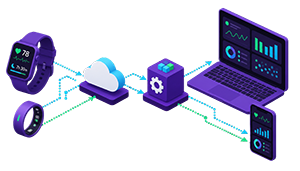
Timing matters across every source
Different health data sources operate on different timelines. A wearable may synchronize several times a day, while a medical device may generate a reading only when the participant uses it. A laboratory result may arrive after the sample was collected, and an EHR may update after an encounter is documented.
Teams should distinguish between:
Collection time
Source timestamp
Synchronization time
Processing time
Delivery time
Without this separation, delayed data may appear current. That can affect reporting, monitoring, and downstream workflows.
Missing data also needs context
Missing data does not represent a single condition. It may mean that the device was not worn, the battery died, permissions were revoked, the source stopped syncing, data delivery was delayed, or the participant changed phones or devices.
The same principle applies to other sources. A missing lab result may mean the test was not completed. The absence of a device reading may mean the participant did not take it. The absence of an EHR update may simply mean there was no new clinical event.
Programs should make these differences visible whenever possible. Otherwise, technical gaps can look like health signals.
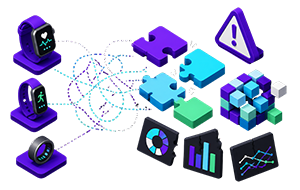
Every important metric needs a source of truth
When several systems provide similar information, teams need to decide which source should be used. For each important metric, it helps to define:
The preferred source
What happens when that source is unavailable
Whether another source can be used as a fallback
How duplicates are handled
How conflicts are resolved
Which source appears in reporting
Which source can trigger a workflow
These rules should be documented before launch and should not exist only inside backend logic. Product, engineering, operations, reporting, and clinical teams need to work from the same definitions.
The workflow matters more than the number of integrations
Connecting more data does not automatically make an ACCESS program more effective. For every signal that may require action, teams should know who reviews it, what makes it actionable, which threshold applies, what happens next, how quickly someone should respond, when the case should be escalated, and how the action is documented.
An alert without an owner is still just an alert. A laboratory result without a defined workflow is still just a result. An EHR integration without a clear use case is still just connectivity.
The value comes from connecting the data to a defined operational process. This is also the gap explored in how wearable data fits into clinical workflows: collecting information is only one step. Teams still need to define how that information is reviewed, interpreted, and used.
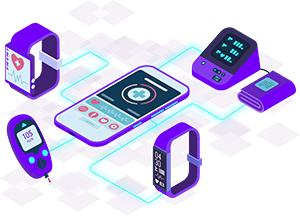
A unified data layer can reduce integration complexity
As programs add more sources, point-to-point integrations become harder to maintain. Each source may require its own authentication, data model, unit conversion, timestamp handling, error logic, monitoring, maintenance, and support process.
A shared data layer can help standardize these differences while preserving source context. This is the type of problem ROOK addresses across connected health data: helping teams work with structured information from multiple sources without removing the provenance needed to understand each value.
The goal is not to make wearable, medical device, lab, and clinical data identical. It is to make them easier to use while preserving the differences that matter.
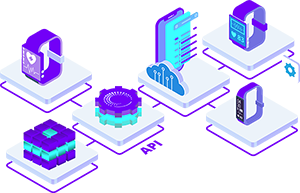
What ACCESS teams should define before adding another source
Before connecting another wearable, medical device, lab source, or clinical system, teams should answer a few questions.
What question will this data help answer?
Every source should add useful context.
How will the program use this data?
Define whether the data supports:
Monitoring
Reporting
Personalization
Alerts
Care coordination
Participant engagement
How often should it arrive?
Set expectations for collection, synchronization, and delays.
What happens when it is missing?
Define how the program distinguishes between a missing measurement, delayed data, and a technical failure.
What is the source of truth?
Determine which source takes priority when multiple systems provide the same metric.
Can the value be traced?
Preserve enough context to explain its origin and processing.
Who owns the response?
Every actionable signal should connect to a defined team or workflow.
Wearable data is a starting point
Wearables can provide valuable longitudinal information for ACCESS programs, helping teams understand patterns in activity, sleep, exercise, and other daily behaviors. However, these signals become more useful when they are supported by the right context.
Medical devices can add targeted measurements, lab results can provide biomarker data, and EHR and EMR systems can add clinical history. From there, operational workflows define what happens next.
The challenge is not simply connecting more data. It is building a system where teams can understand:
What each value represents
Where it came from
When it was collected
Whether it is complete
Which source should be used
How it connects to the participant
What should happen next
For ACCESS programs, wearable data can be an important foundation. A scalable program also needs the infrastructure and context around it.
For ACCESS programs, wearable data can be an important foundation. A scalable program also needs the infrastructure and context around it.
If your team is preparing an ACCESS program and needs to connect, standardize, and manage health data from multiple sources, ROOK can help simplify the data layer while preserving the context behind each measurement.
👉 Learn more about how ROOK supports connected health data: https://www.tryrook.io