Blog
Why Does the ACCESS Model Need Standardized Wearable Data?
Patients in ACCESS model programs use different devices with inconsistent data. Standardizing that data makes reporting, outcome measurement and scaling easier.
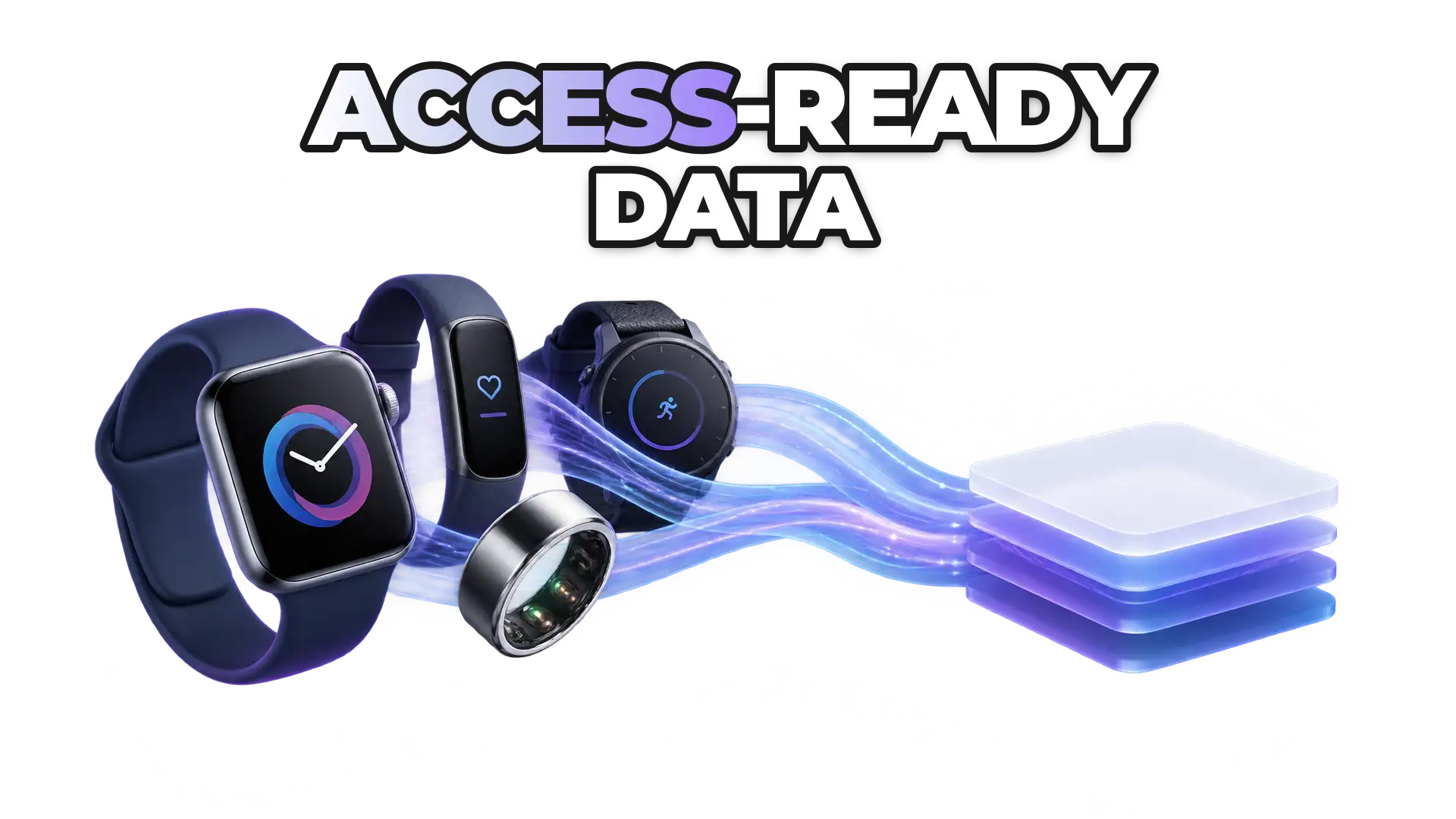
The ACCESS model needs standardized wearable data because patients use different devices, and each device structures and measures health data differently. Inconsistent data forces teams to clean, map and validate information before reporting, which slows outcome measurement as programs grow. A single standardized data layer lets companies compare patients, track progress and show program value without manual normalization.
Why do different devices produce inconsistent data in the ACCESS model?
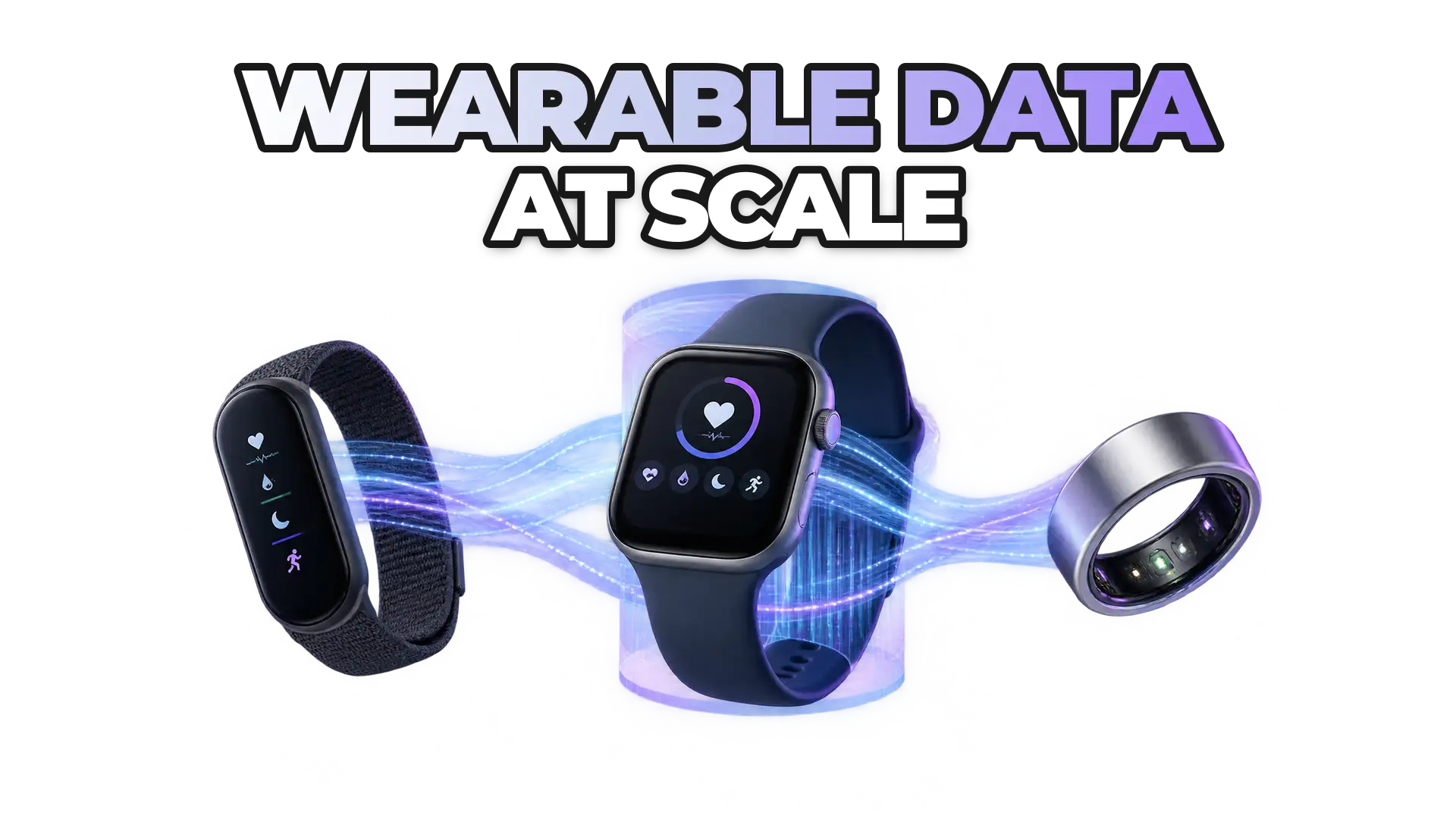
Devices produce inconsistent data because patients in an ACCESS model program do not all use the same device. Companies in the CMS ACCESS model often need to understand what happens with patients outside traditional clinical environments, and wearables and connected health devices can provide information about activity, sleep, recovery, heart rate, glucose, blood pressure and other health signals.
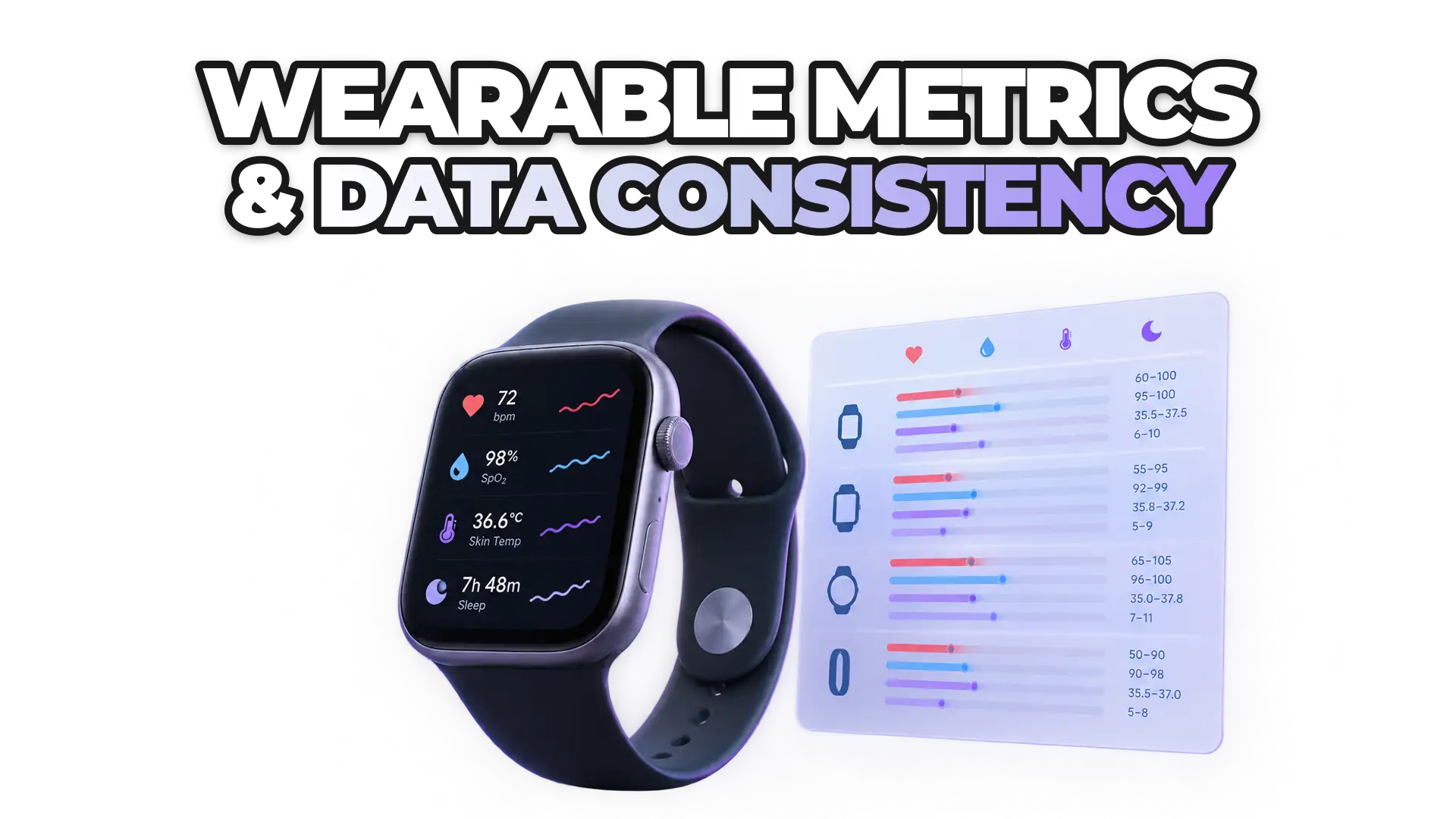
Patients may use Apple Health, Fitbit, Garmin Connect, Oura, Samsung Health, Health Connect, Dexcom or other platforms. Each platform structures data differently, measures certain metrics its own way and provides different levels of detail, so companies receive health data that is fragmented and difficult to compare across patients.
Why does inconsistent wearable data make ACCESS model reporting harder?
Inconsistent data makes reporting harder because the ACCESS model depends on clear, reliable reporting of patient engagement, health trends, intervention impact, adherence and outcomes over time. When data arrives from multiple devices in different formats, teams spend extra time cleaning, mapping, validating and normalizing it first.
This creates friction in areas such as:
- Patient progress tracking
- Outcome measurement
- Clinical or operational reports
- Program performance analysis
- Evidence generation
- Stakeholder reporting
Without standardized data, teams struggle to answer key questions: Is the program working? Are patients improving? Are they engaging consistently? Which data points can be trusted?
Why does the data problem grow as ACCESS programs scale?
The data problem grows because more patients means more devices, more formats, more edge cases and more reporting requirements. At small scale, teams can manually review data, adjust reports or build custom mappings for specific devices.
As enrollment grows, a data integration task can become an operational bottleneck that slows adoption, limits scalability and makes impact harder to prove for companies using the ACCESS model.
What does standardized wearable data infrastructure need to do?
Standardized wearable data infrastructure needs to unify health data across devices and platforms so the ACCESS model can scale. That means being able to:
- Connect to multiple wearable and health data sources
- Normalize data into a common structure
- Reduce manual data cleaning
- Improve reporting consistency
- Support better patient insights
- Enable more reliable evidence generation
- With standardized wearable data, companies can move from fragmented information to usable insights.
How does ROOK help companies in the ACCESS model?
ROOK helps by unifying health data from 72 data sources and more than 500 devices through a single API. Instead of each company building individual integrations, mapping different formats and maintaining multiple connections, ROOK Connect delivers structured, normalized data. For the full workflow, see how to standardize health data from devices.
This helps companies:
- Reduce the technical complexity of integrating multiple devices.
- Standardize health data from different sources.
- Improve reporting consistency.
- Make patient progress tracking easier.
- Get more consistent data on behavior, adherence, and outcomes.
- Scale programs without relying on manual data cleaning and normalization processes.
For teams using the ACCESS model, ROOK acts as a data infrastructure layer that turns scattered signals into comparable information. ROOK moves and standardizes the data; it does not diagnose or replace clinical judgment.
What will ACCESS model programs depend on next?
ACCESS model programs will depend on a reliable data layer. The ACCESS model can make healthcare more continuous, personalized and data-driven, but patients will keep using different devices and data will keep arriving in different formats.
The future will not depend only on collecting more data, but on making that data clean, consistent and usable. To go deeper, read how to track outcomes for ACCESS and the breakdown of the ACCESS model.
To see how ROOK can simplify integrations for your program, book a call with the ROOK team or try the ROOK sandbox.
Source:
 Written byDaniel MasDigital Marketing Lead