
Resources
Health data, explained by the people moving it
The ROOK blog covers trends, product notes and field lessons on health data from wearables, medical devices, EHR/EMR and labs.
Industry Use Cases for Wearable Data in 2026
Wearable data is no longer limited to fitness tracking. In 2026, organizations across multiple industries use structured wearable data to improve decision-making, personalize services, and build data-driven products — a…
Read more
144 posts
- Best Practices for Wearable Data Privacy and ComplianceWearable data often includes health-related and behavioral information. Organizations that integrate this data into their platforms must design privacy and compliance strategies from the beginning.Read more
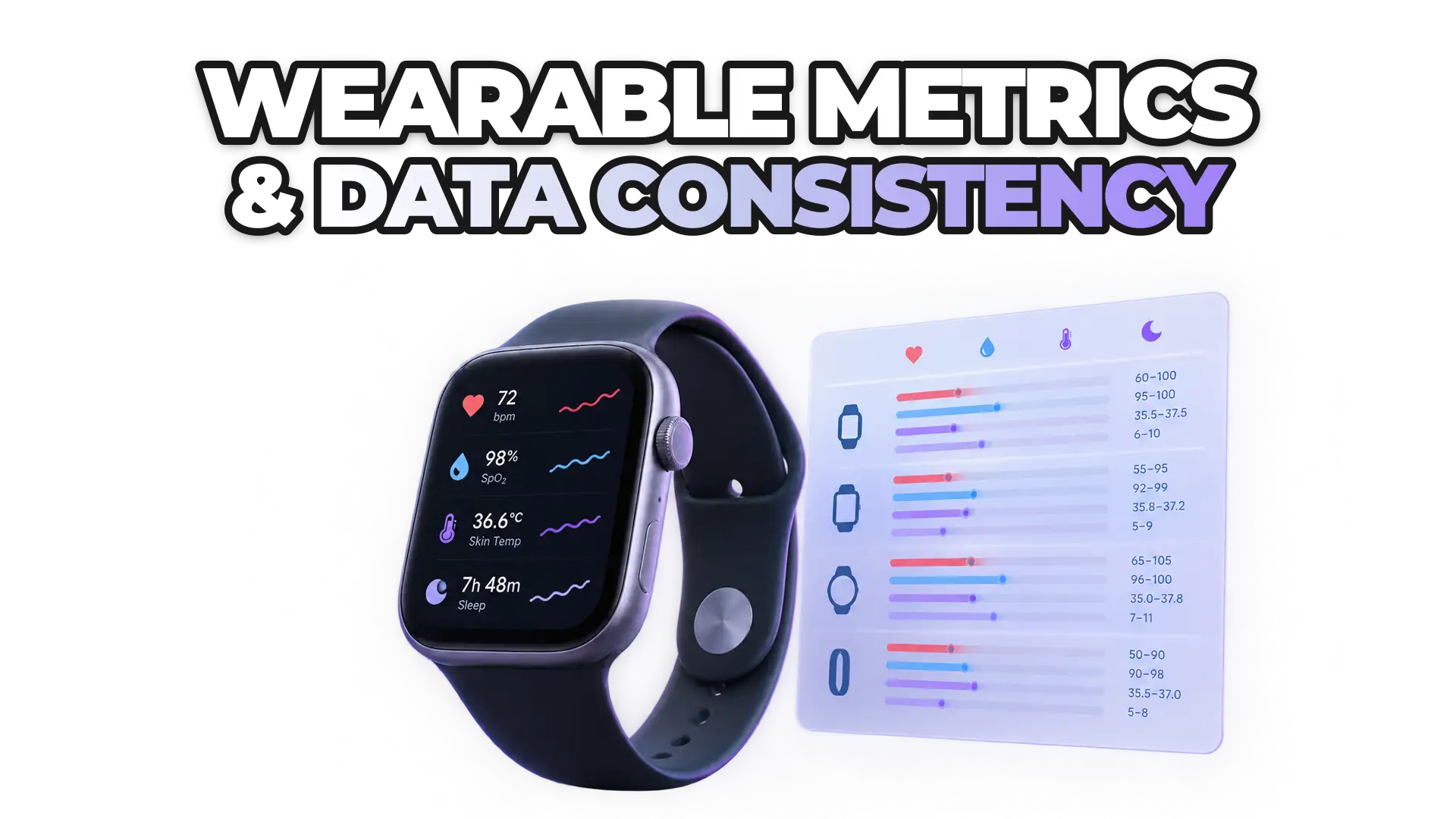
- Understanding wearable health metrics and data typesWearable devices generate a large volume of health and behavioral data. However, not all metrics are defined, calculated, or structured in the same way.Read more
- How to Evaluate and Choose a Wearable Data APISelecting a wearable data API is a strategic decision. The architecture you choose will affect scalability, maintenance costs, analytics quality, and long-term product flexibility.Read more
- How wearable APIs work: from device to actionable insightsIntegrating wearable data into your product requires more than connecting to a single endpoint. Behind every metric there is an ecosystem that includes devices, manufacturer platforms, authorization flows, and data…Read more
- Top Challenges in Wearable Data Integration and How to Solve ThemIntegrating wearable data into a product may seem straightforward at first. Most manufacturers provide APIs, documentation, and developer access.Read more
- Turning Wearable Data Into Actionable InsightsAccessing wearable data is only the first step. The real value emerges when raw metrics become structured, comparable, and decision-ready insights — the shift we described when ROOK was founded on the idea of empowering…Read more
- How do health data webhooks deliver wearable data?How ROOK health data webhooks deliver wearable events and summaries, how to verify them with HMAC, what to answer, and what happens when a delivery fails.Read more
- Why Is Wearable Data Integration Hard? The Real Problem Is Data ChaosWearables produce plenty of health data, but fragmented formats, inconsistent metrics and disconnected APIs make it hard to use. Why standardization and interoperability fix that.Read more
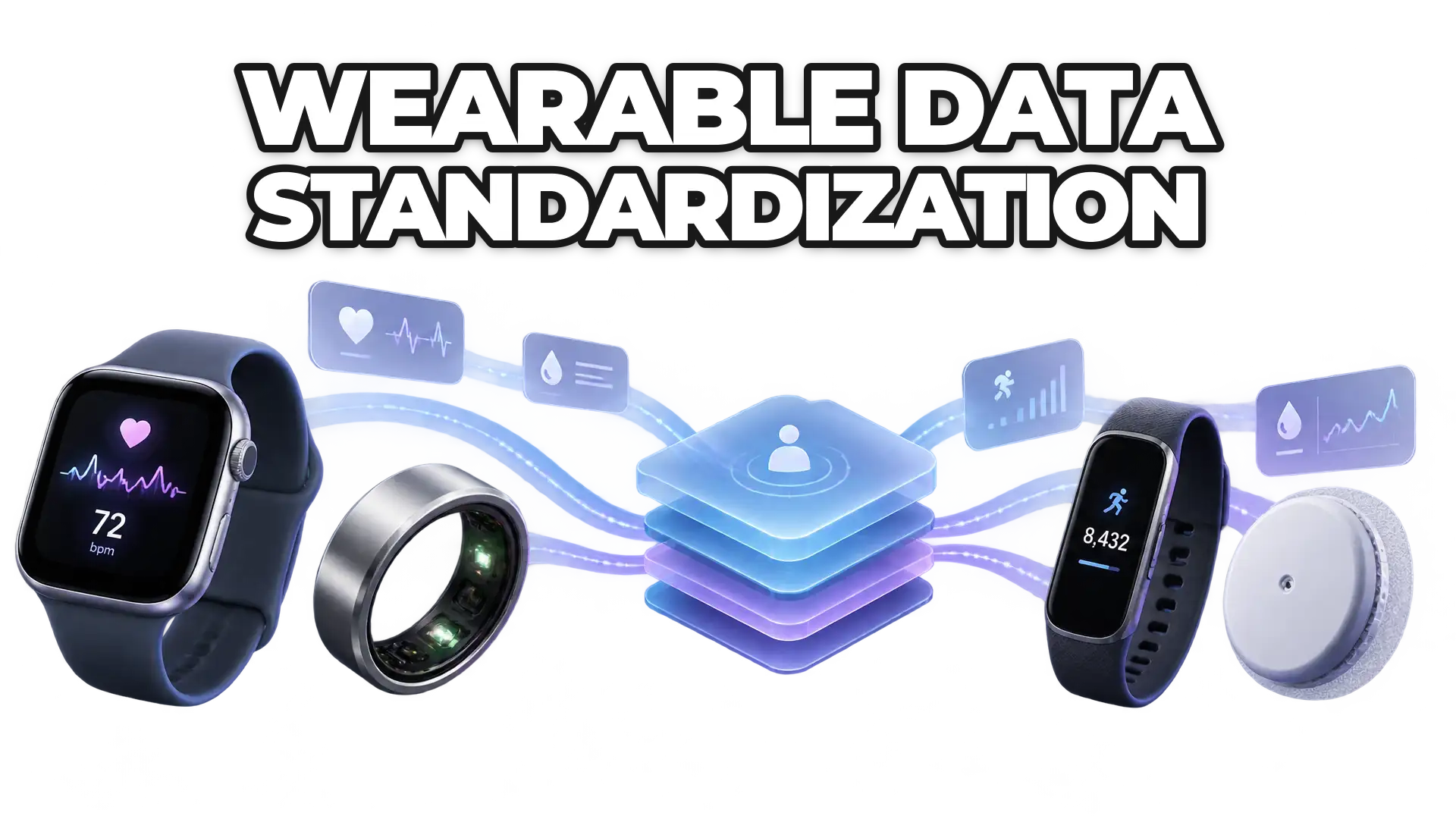
- How Does Wearable Data Integration Support Preventive Health?Continuous wearable data on heart rate, HRV, sleep, activity and oxygen saturation can support preventive health and chronic condition management once it is integrated into one consistent structure.Read more
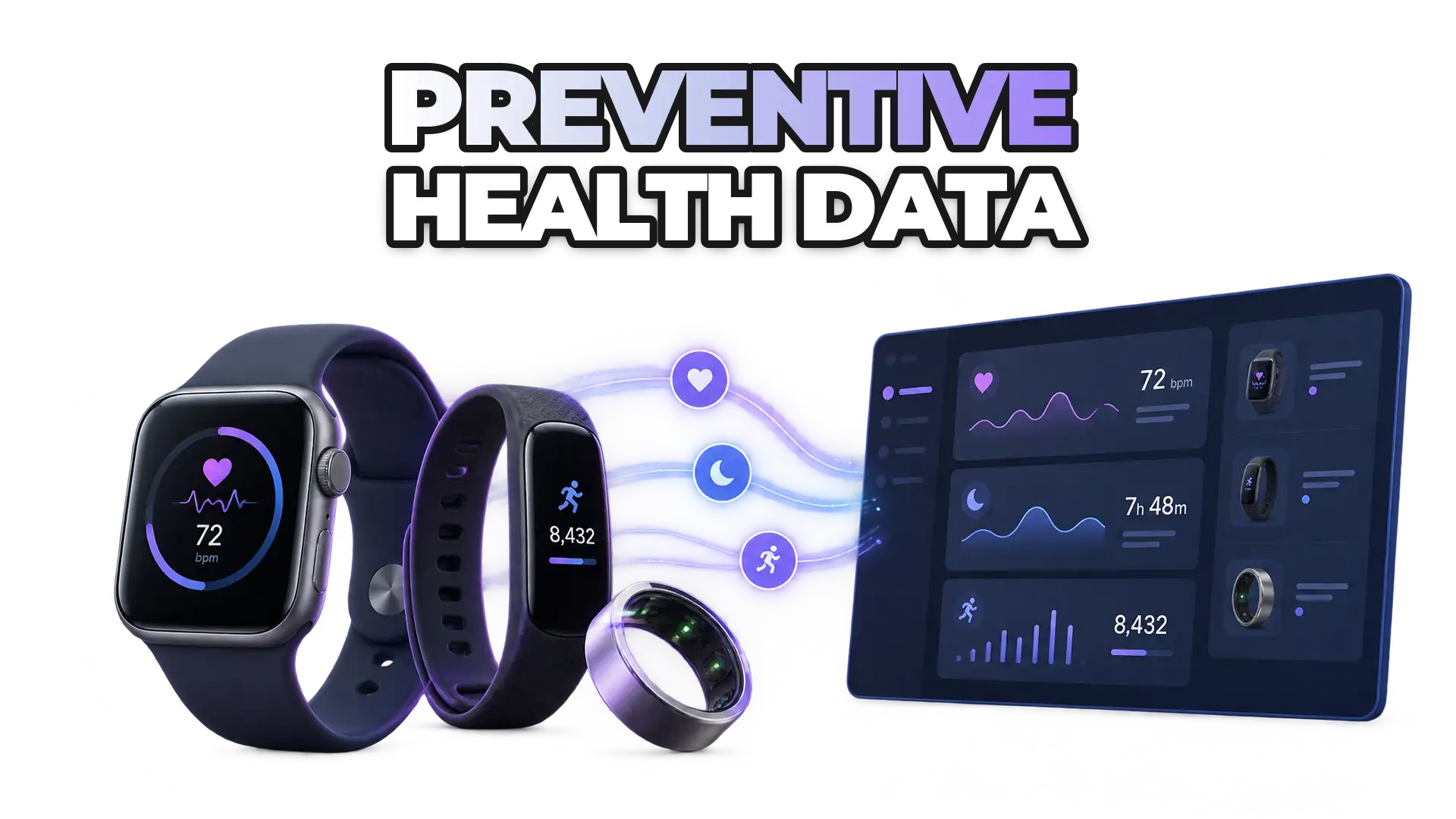
- Can you still get Garmin Connect API access in 2026?Garmin paused new Garmin Connect Developer Program applications. Approved integrations keep working, and Garmin attribution rules apply to all Garmin data.Read more
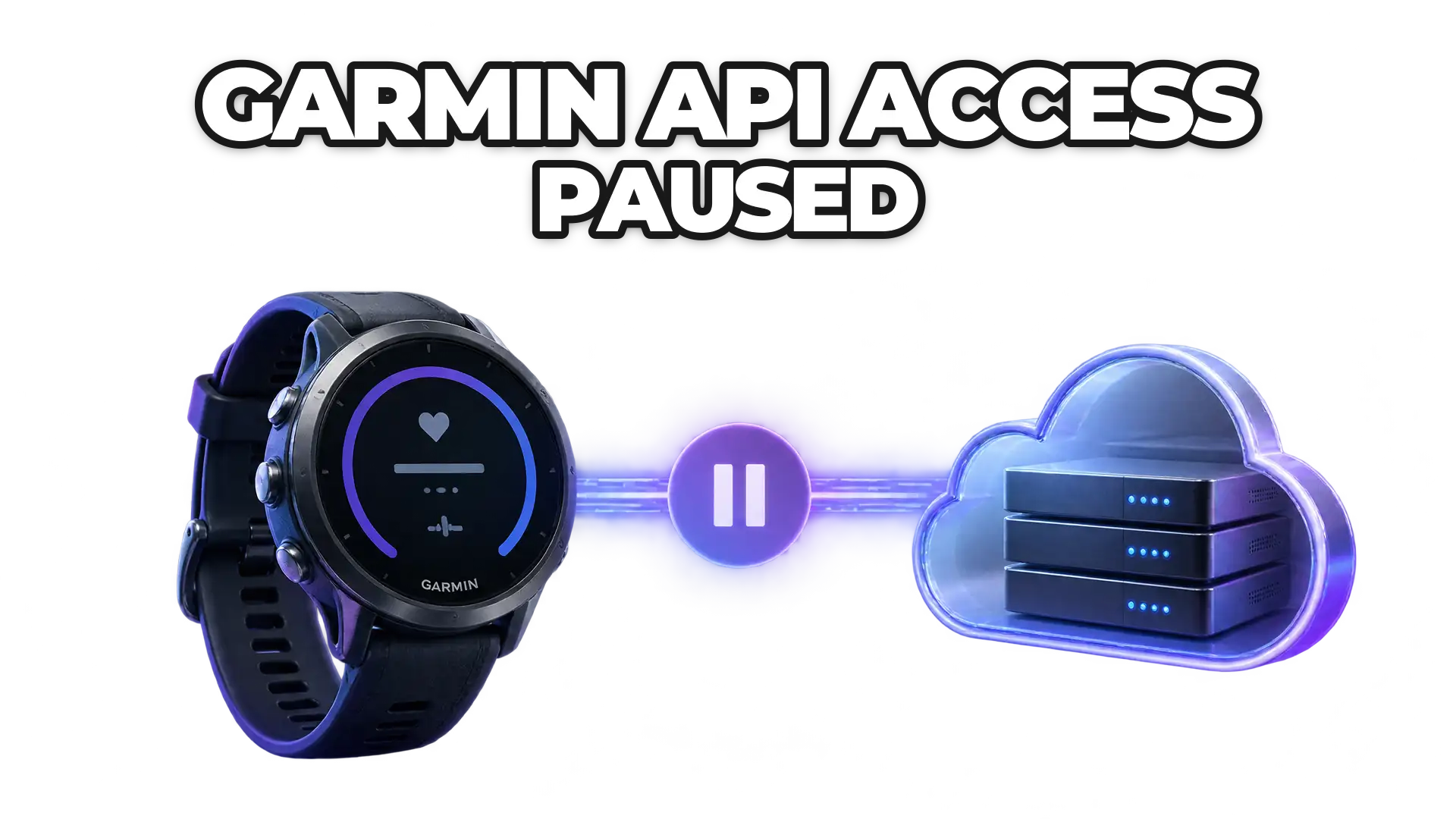
- How can wearables support post-surgical rehabilitation?Wearables can track activity, sleep, heart rate, and mobility between visits after surgery. Here is what that data can show, which devices fit, and why it must be standardized to support remote follow-up without replacing clinical evaluation.Read more
- How can wearables support public health and community monitoring?Aggregated, standardized wearable data can help evaluate community programs and study population health patterns, as a complement to clinical and survey data.Read more
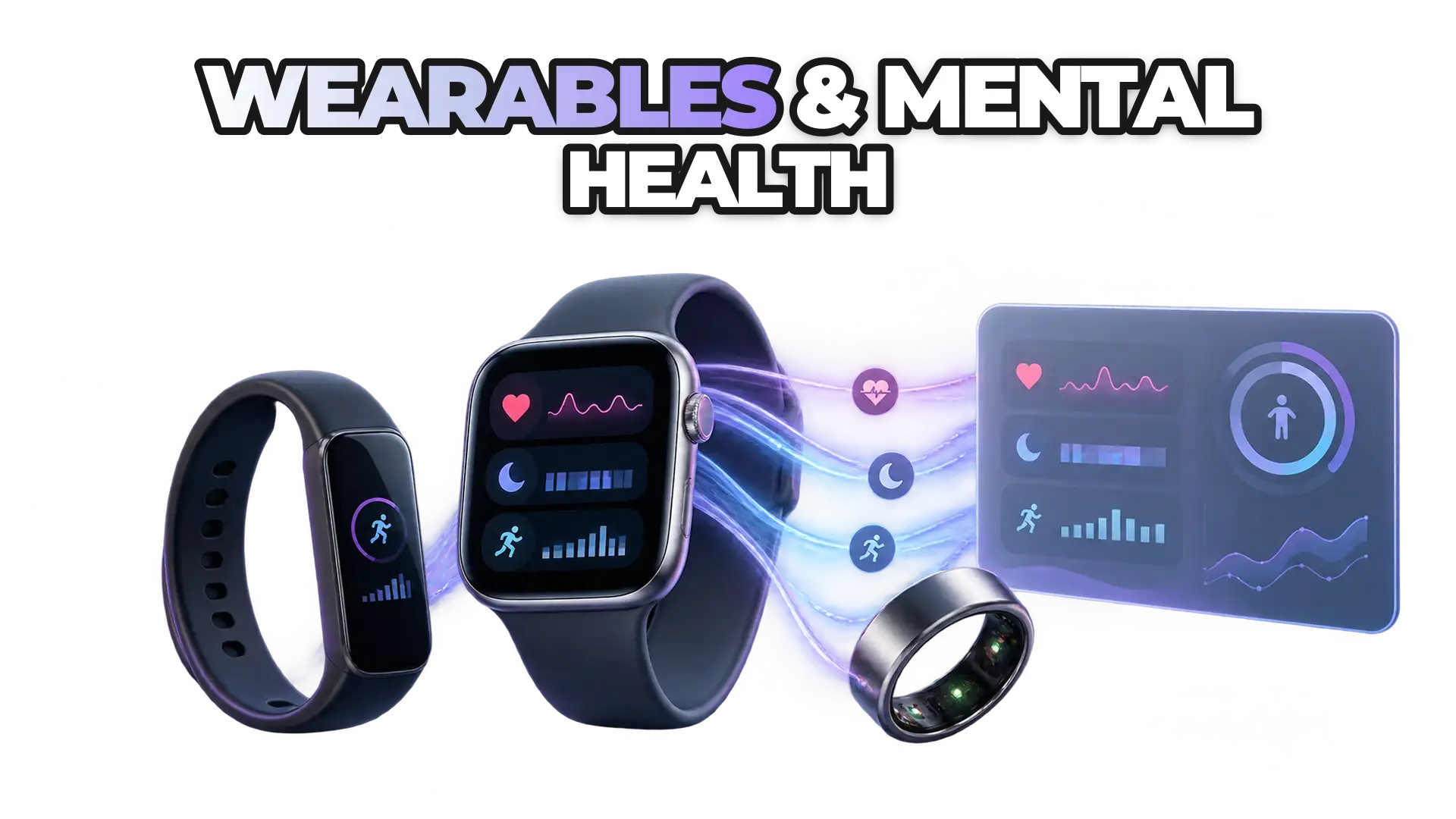
- Can Wearables Monitor Mental Health and Emotional Wellbeing?Wearables can’t diagnose mental health conditions, but sleep, activity, heart rate, and HRV data can add context about stress and routines. Learn how standardized data supports wellbeing products.Read more
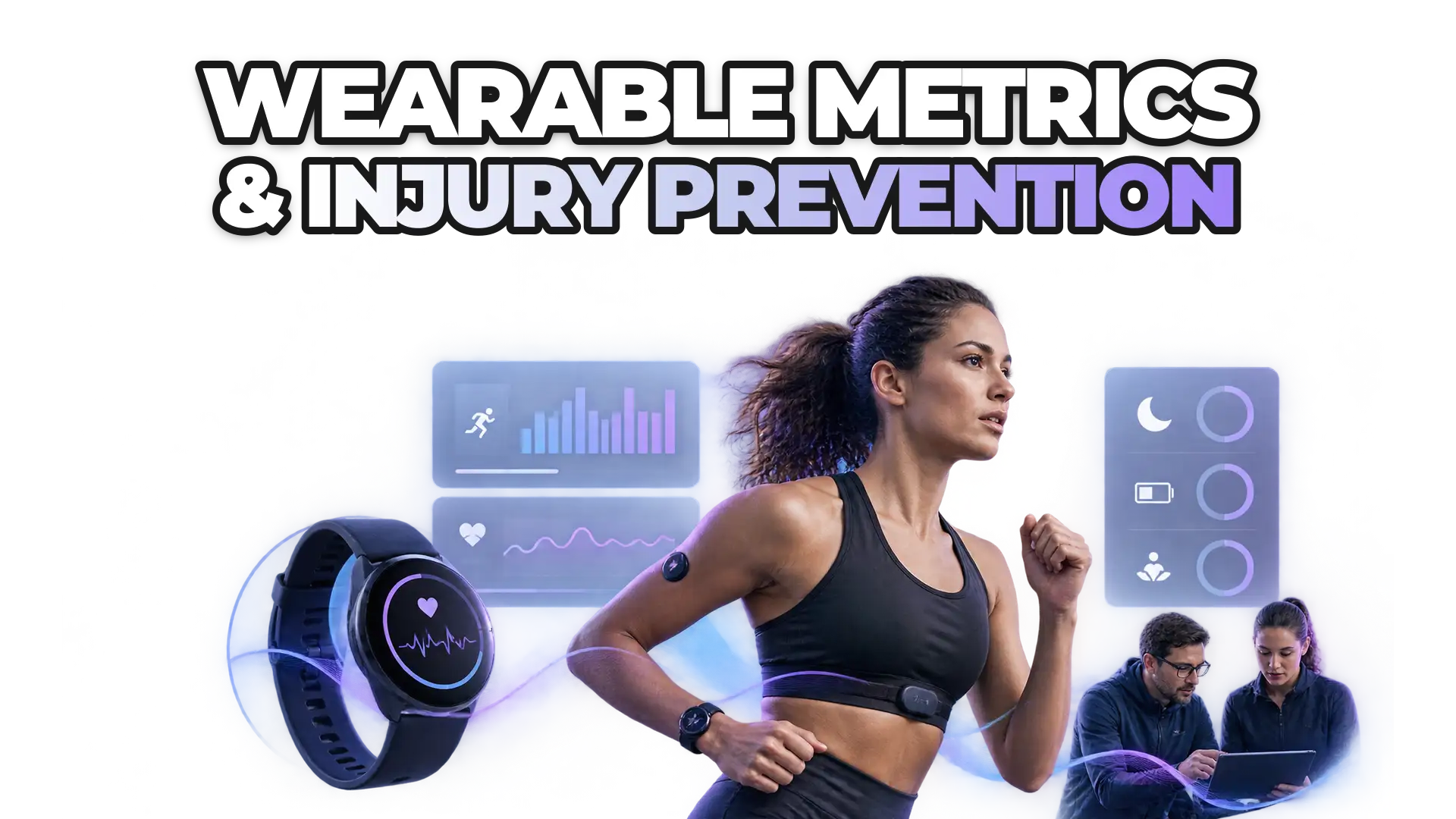
- How Can Wearables Support Athlete Performance and Recovery?Wearables help athletes and coaches track training load, recovery, sleep and performance. Learn which metrics matter, where they fall short, and how ROOK standardizes multi-device data.Read more
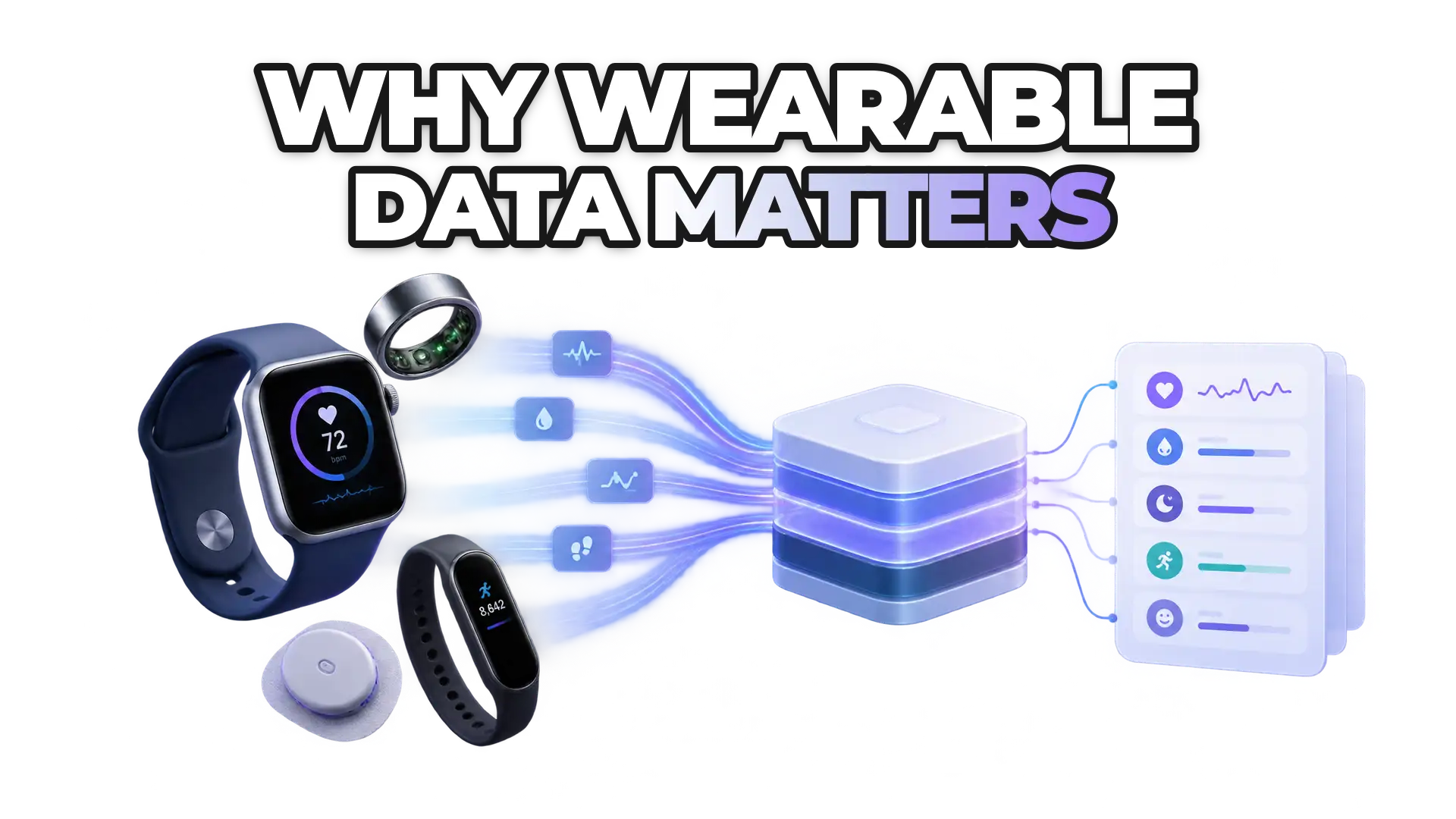
- Why does wearable health data matter in 2026?Wearable health data shows how people sleep, move and recover every day. Why it matters in 2026, why integration is hard and how ROOK standardizes it.Read more
- What Smartwatch Health Data Doesn’t Tell YouSmartwatch health data shows numbers, not meaning. See what it leaves out (context, links between metrics, long-term trends, next steps) and how ROOK standardizes wearable data.Read more
- Poor Sleep vs. Poor Training: Which Matters More?Poor sleep and poor training both affect performance. See how each one affects recovery and progress, and how wearable data can show the relationship between them.Read more
- How can ACCESS programs make multiple health data sources useful?ACCESS programs can connect wearables, medical devices, lab results, and clinical data. Standardization, context, and interoperability are what make that data useful.Read more
- What Do Point-to-Point Integrations Cost in ACCESS?Point-to-point integrations help ACCESS programs launch quickly, but add maintenance, inconsistent data, and reporting work as the program scales.Read more
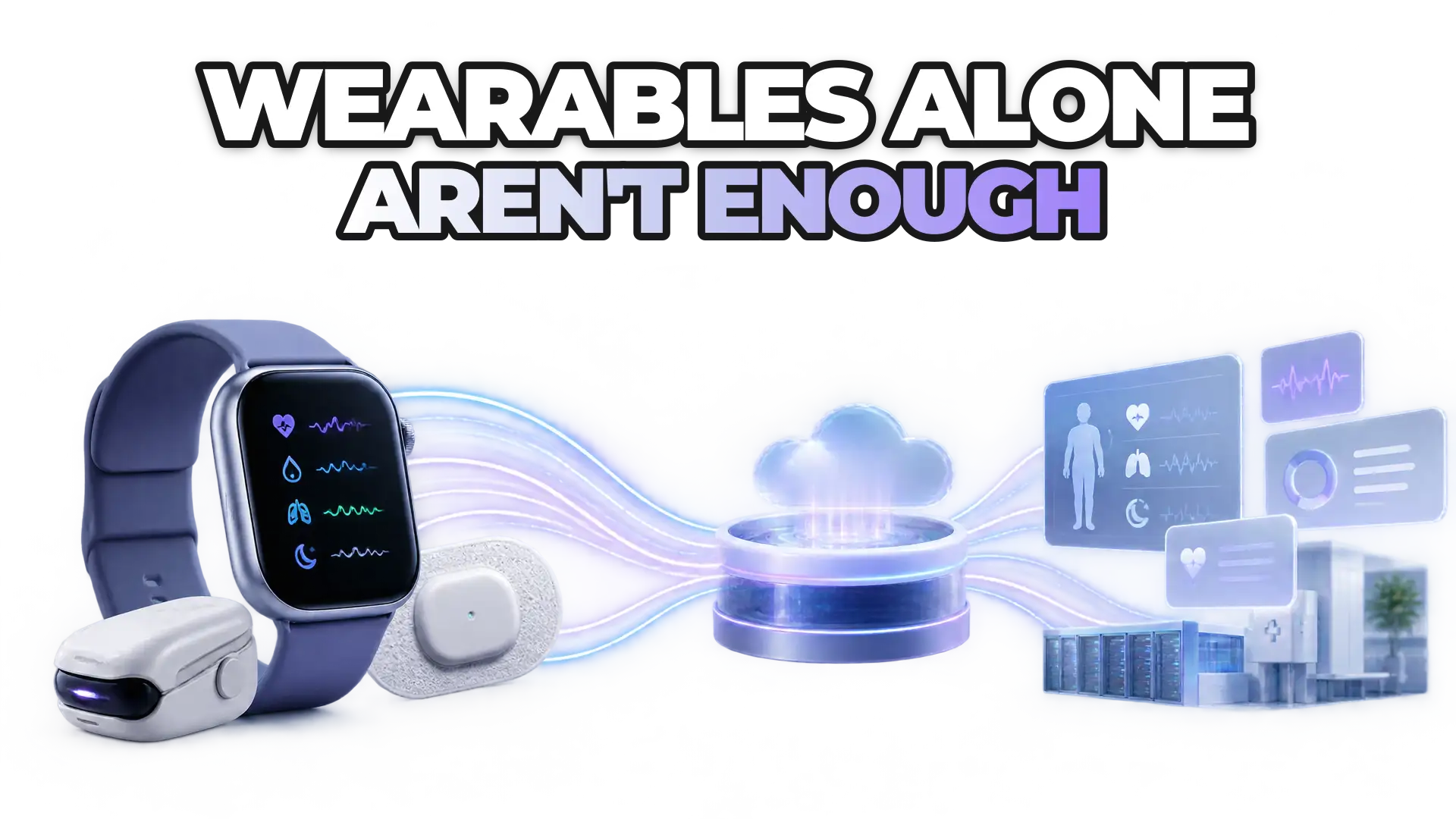
- Why Is Wearable Data Alone Not Enough for ACCESS Programs?Wearables show ACCESS programs that something changed between visits, but context from medical devices, labs, clinical systems and workflows explains why.Read more
- What Do the Validic and Spike Acquisitions Mean for API Buyers?ChartSpan acquired Validic and Raintree acquired Spike in 2026. What that means for teams that rely on these health data APIs, and why vendor independence matters.Read more
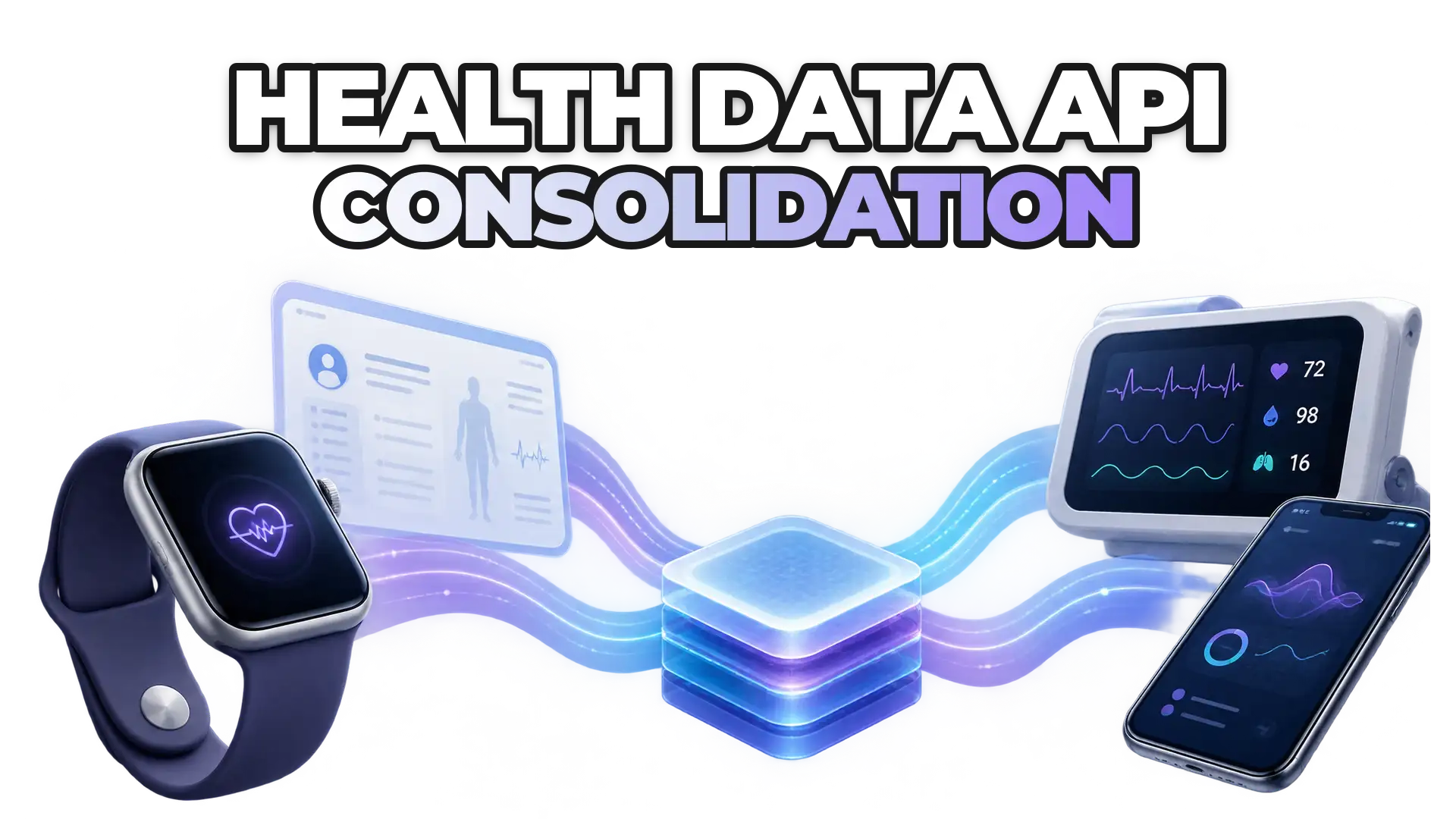
- How to Use a Health API to Build Smarter AppsHealth apps turn data into insight when the data is centralized and standardized. A health API like ROOK does that so teams can personalize.Read more
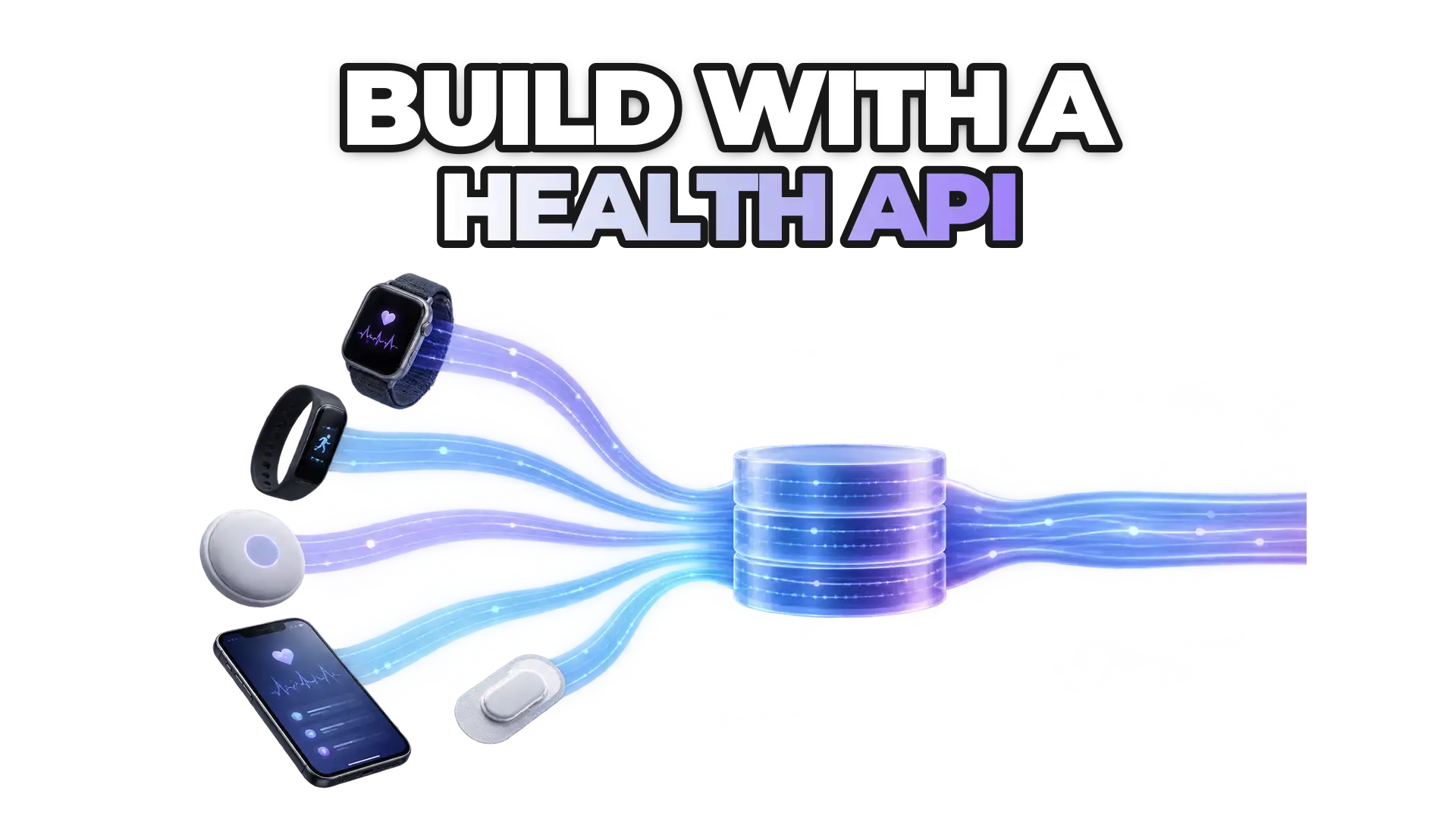
- Is Your ACCESS Program Ready to Launch? Pre-Launch ChecklistA practical checklist to verify that your ACCESS data, devices, workflows, and reporting processes are ready before go-live.Read more
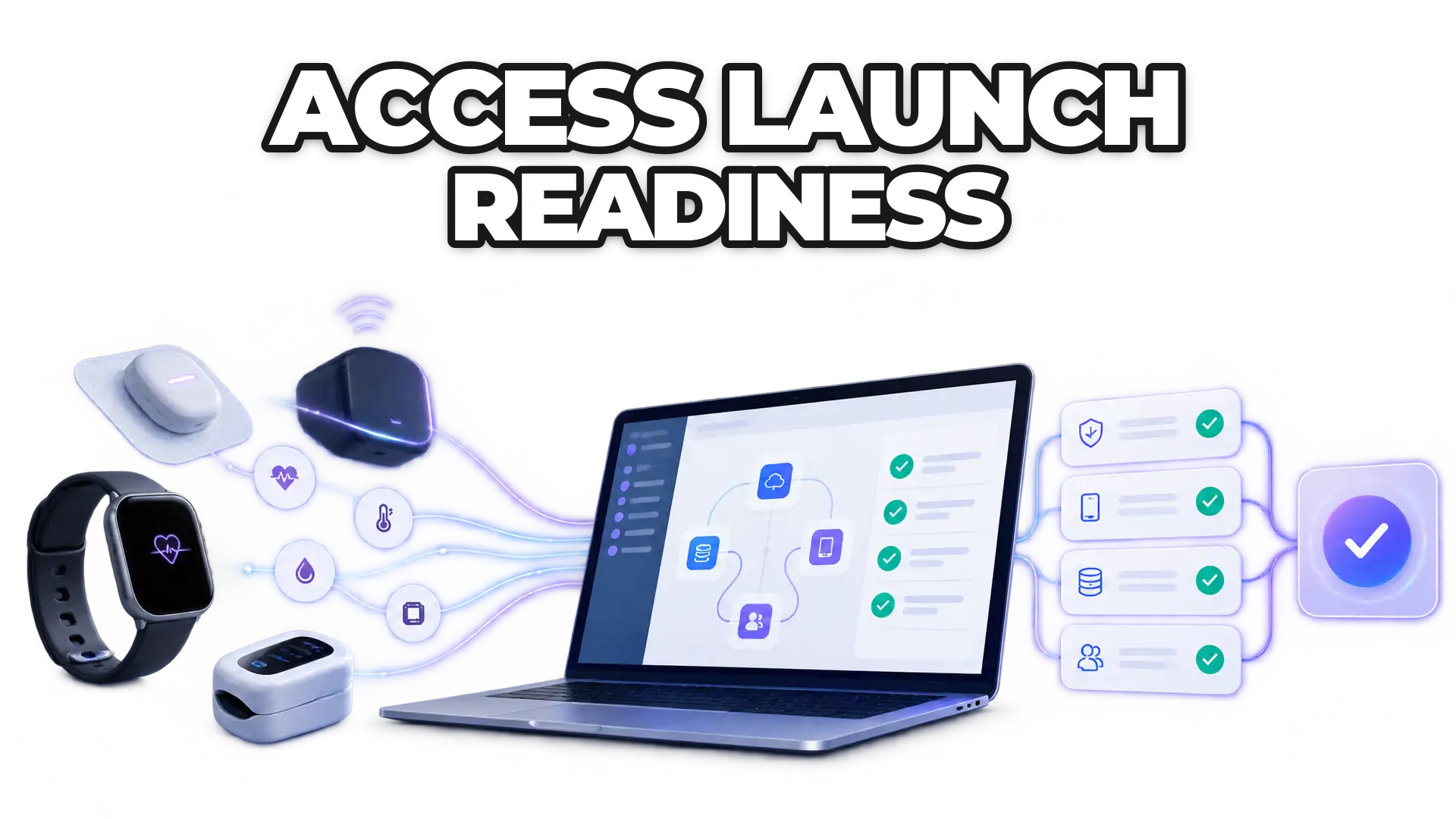
- Do Wellness Platforms Offer Integrations With Wearable Devices?Yes. Wellness platforms integrate wearables through direct device integrations or a unified API. How each approach works, the challenges, and what to look for.Read more
- Who Did CMS Accept Into the ACCESS Model? 187 Applicants AnalyzedHow the 187 accepted ACCESS applicants split across eCKM, CKM, Behavioral Health and MSK, and why most join multiple tracks.Read more

- Why don't most remote monitoring setups scale?Remote monitoring programs stall when fragmented, inconsistent health data piles up. Standardized data is what lets them grow beyond a pilot.Read more
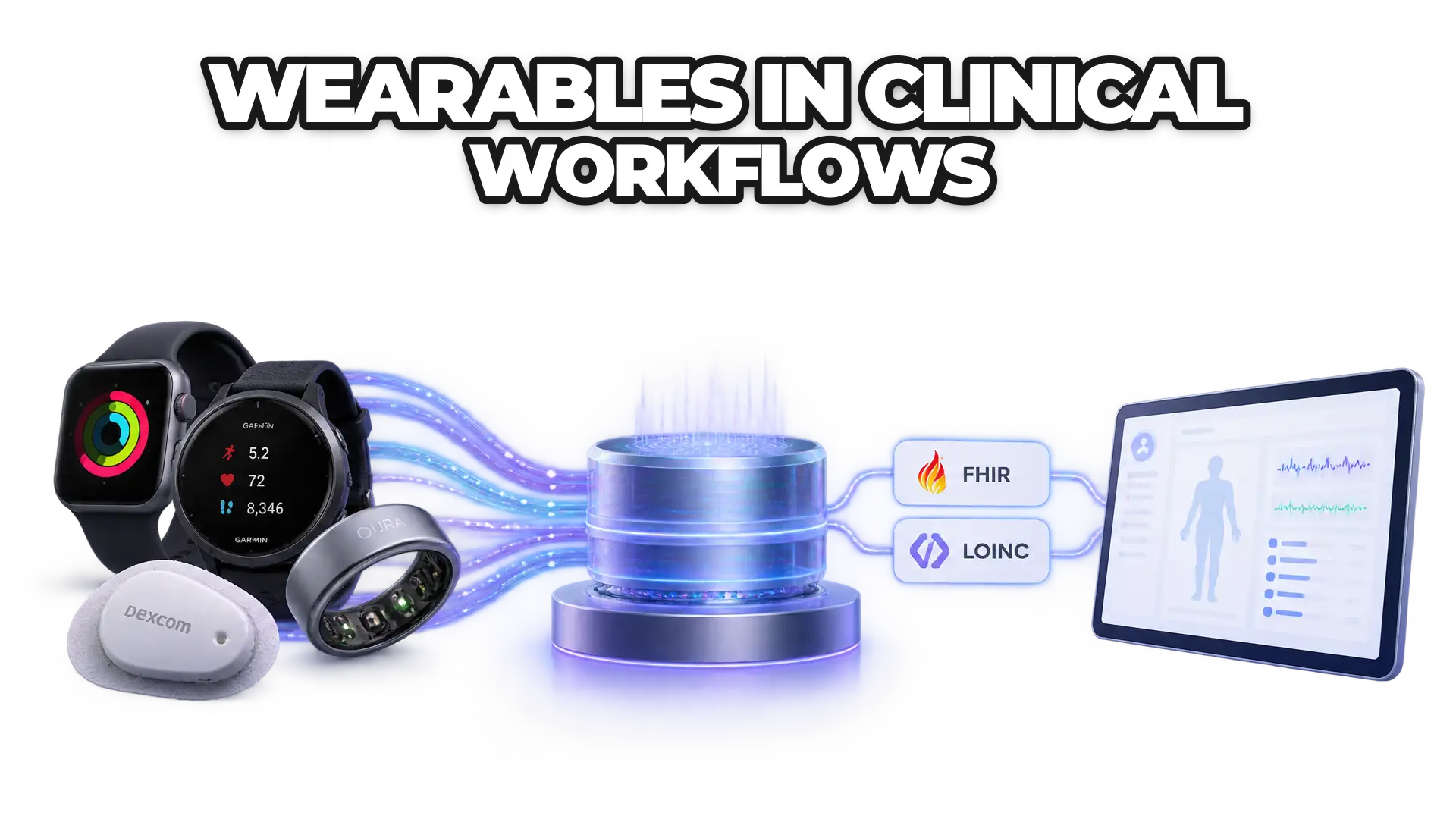
- How Do You Integrate Wearables into Clinical Workflows for ACCESS?Integrating wearables into clinical workflows depends on standardized, traceable data. A guide to the architecture ACCESS model programs need.Read more
- How do you track outcomes for ACCESS programs?Track ACCESS outcomes like BP, HbA1c, activity, sleep and engagement with standardized data, baselines, trends, thresholds and decision-focused reports.Read more
- What do ACCESS Model companies need before go-live?Before an ACCESS Model launch, teams need data requirements, a standardized data layer, onboarding and consent, reporting, alert logic, and a device plan.Read more
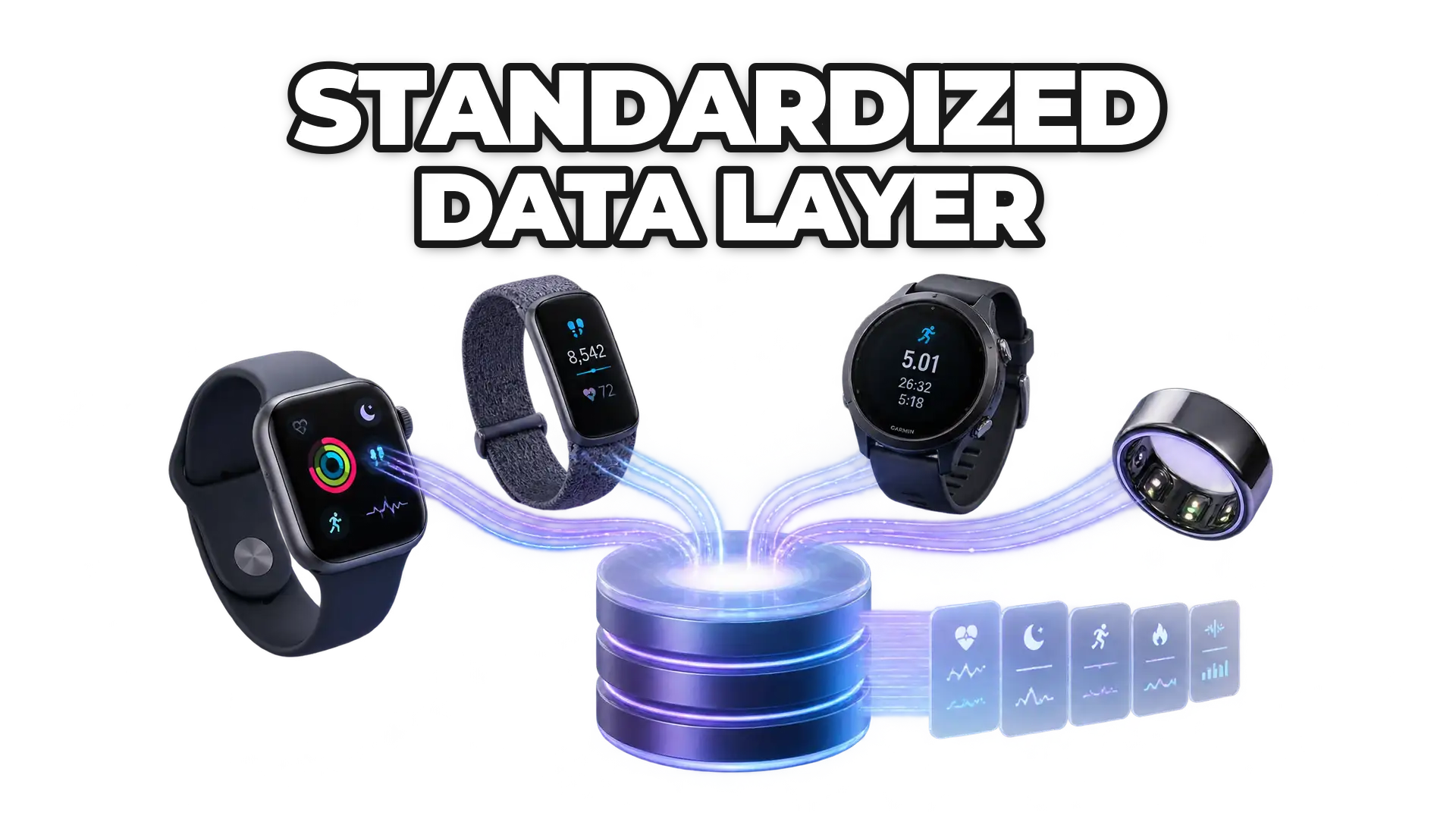
- How Does PEAR Health Labs Power Smart Training with ROOK?PEAR Health Labs uses ROOK to simplify wearable data integrations, standardize health metrics and power adaptive, personalized training.Read more
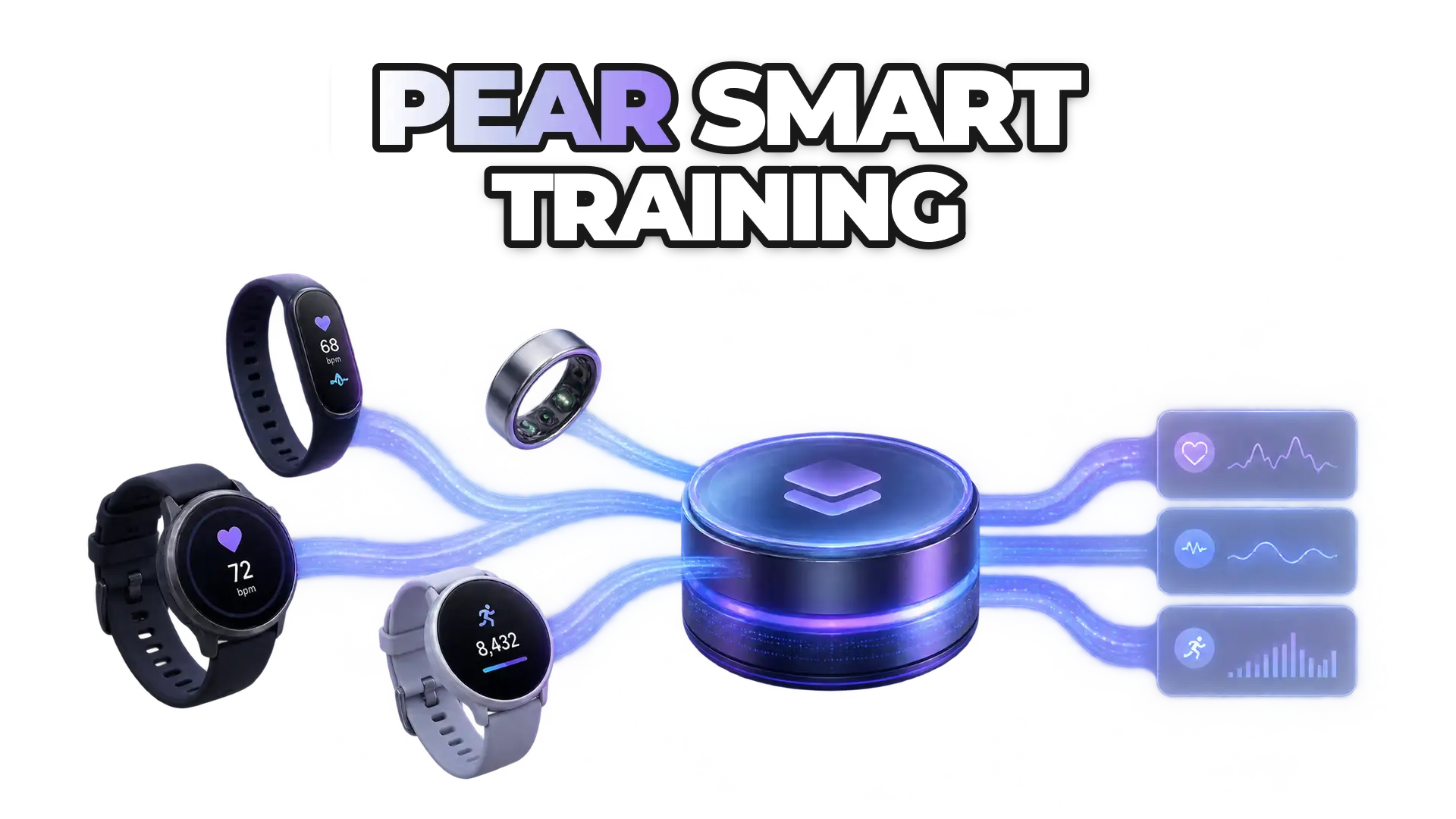
- Why Does the ACCESS Model Need Standardized Wearable Data?Patients in ACCESS model programs use different devices with inconsistent data. Standardizing that data makes reporting, outcome measurement and scaling easier.Read more
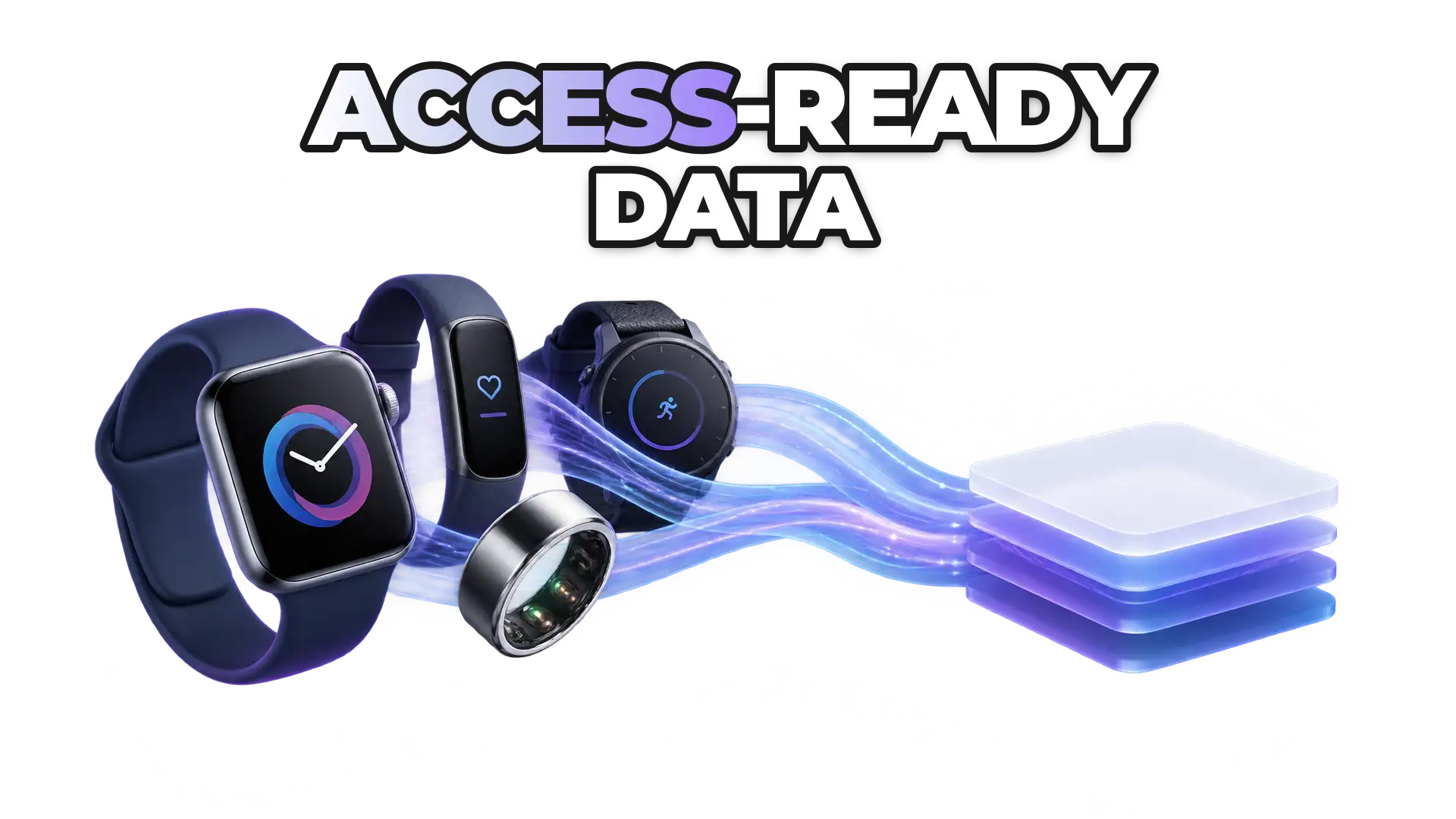
- How can LATAM companies use wearable data without building hardware?Companies in Latin America can use wearable data through one API instead of building devices or one integration per manufacturer. How ROOK makes that possible.Read more
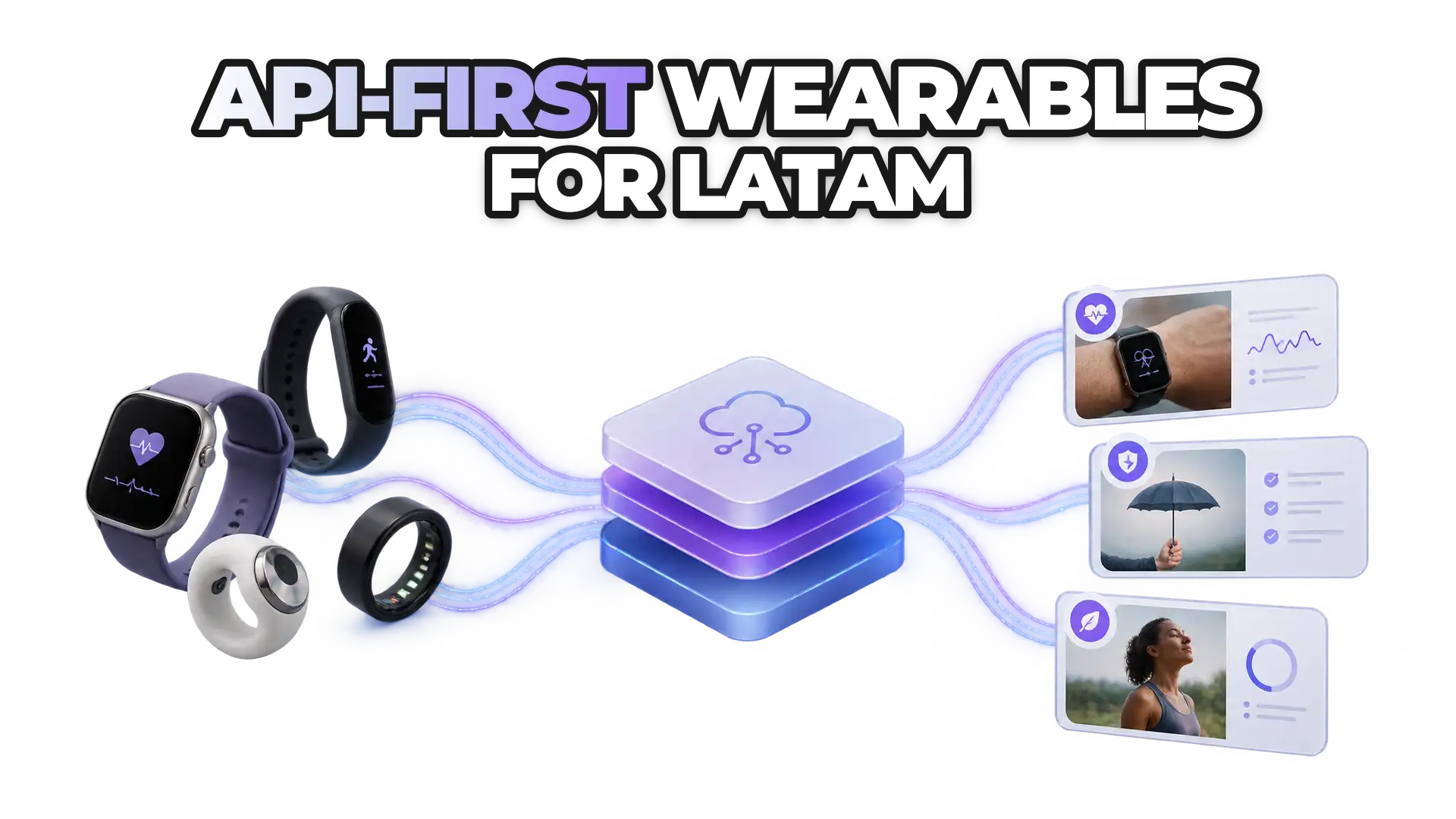
- How Do Wellness Platforms Integrate Wearable Devices?How wellness platforms connect Fitbit, Garmin, Apple Watch, Oura and WHOOP through APIs, what users gain, and the challenges of fragmentation, privacy and sync.Read more
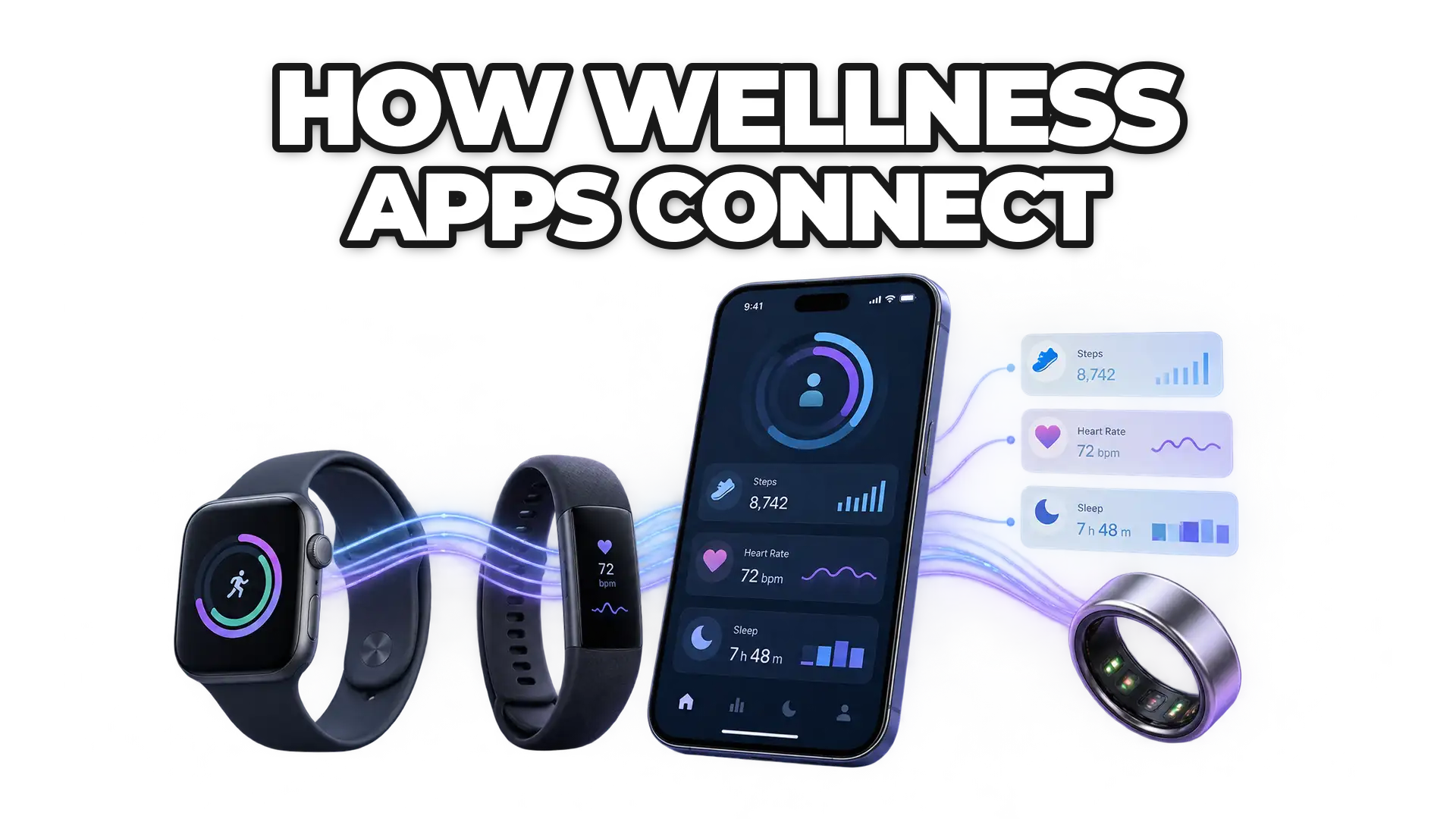
- How Does the ACCESS Model Turn Data into Measurable Outcomes?The ACCESS Model shifts digital health from collecting wearable data to proving outcomes with it, which makes data consistency an infrastructure problem.Read more
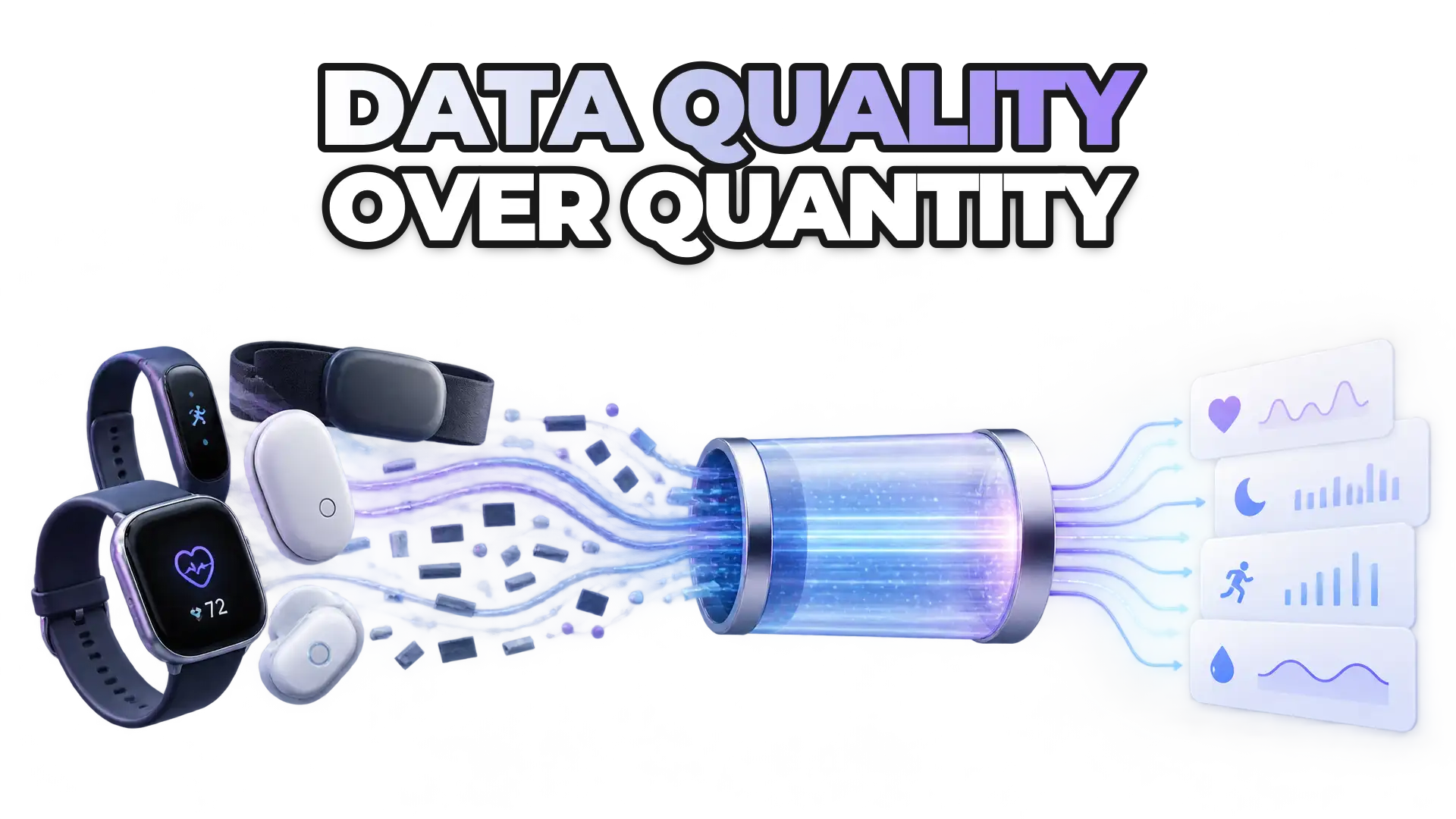
- SDK vs API in Health Tech: What Is the Difference?An API exposes health data and functionality; an SDK is a toolkit that makes that API easier to use on mobile. When to use each and how they work together.Read more
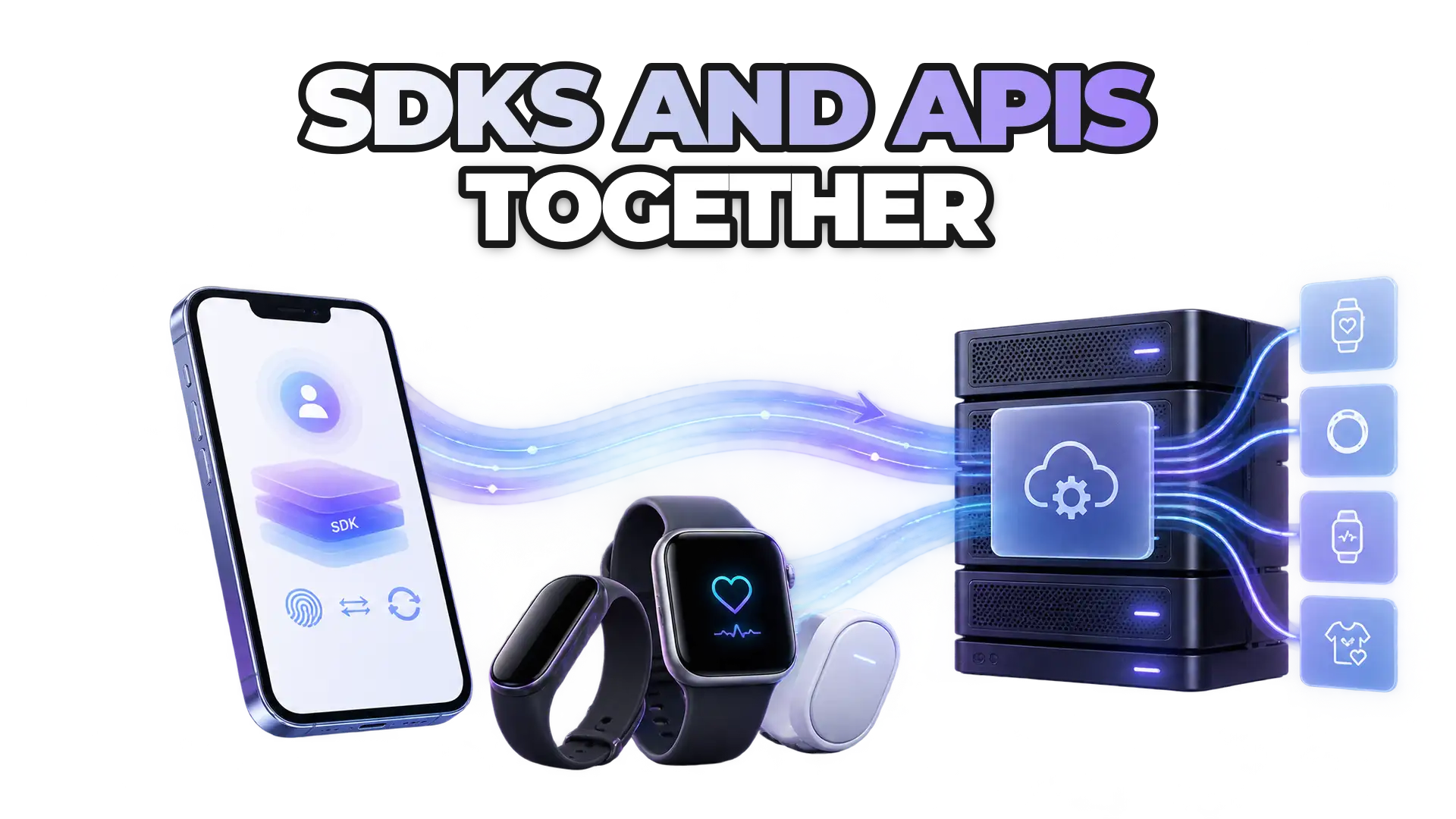
- What Is a Wearable SDK for Healthcare Apps, and What Should It Do?A wearable SDK lets healthcare apps connect, authorize and sync device data without building each integration. Key features, use cases and considerations.Read more
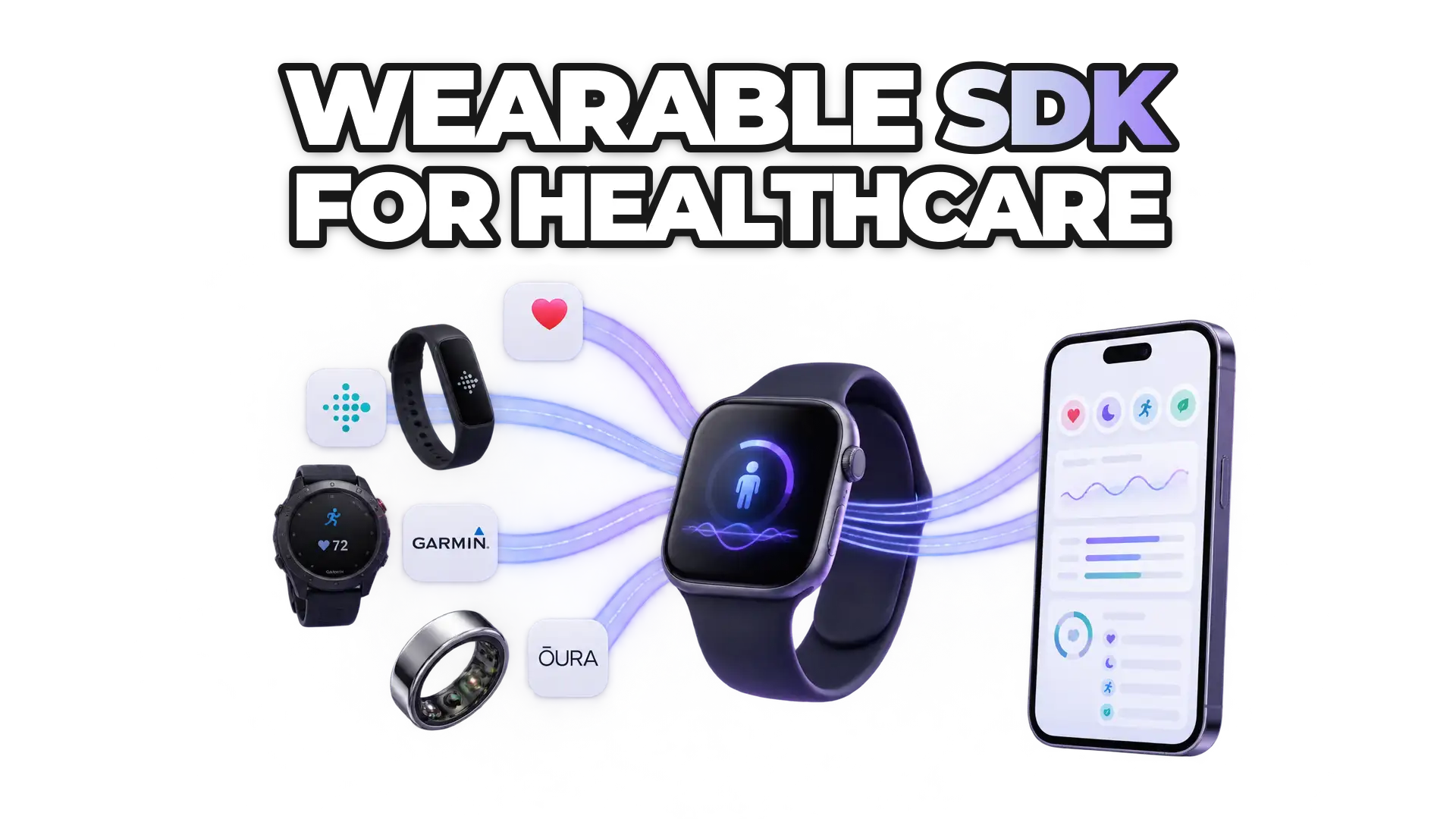
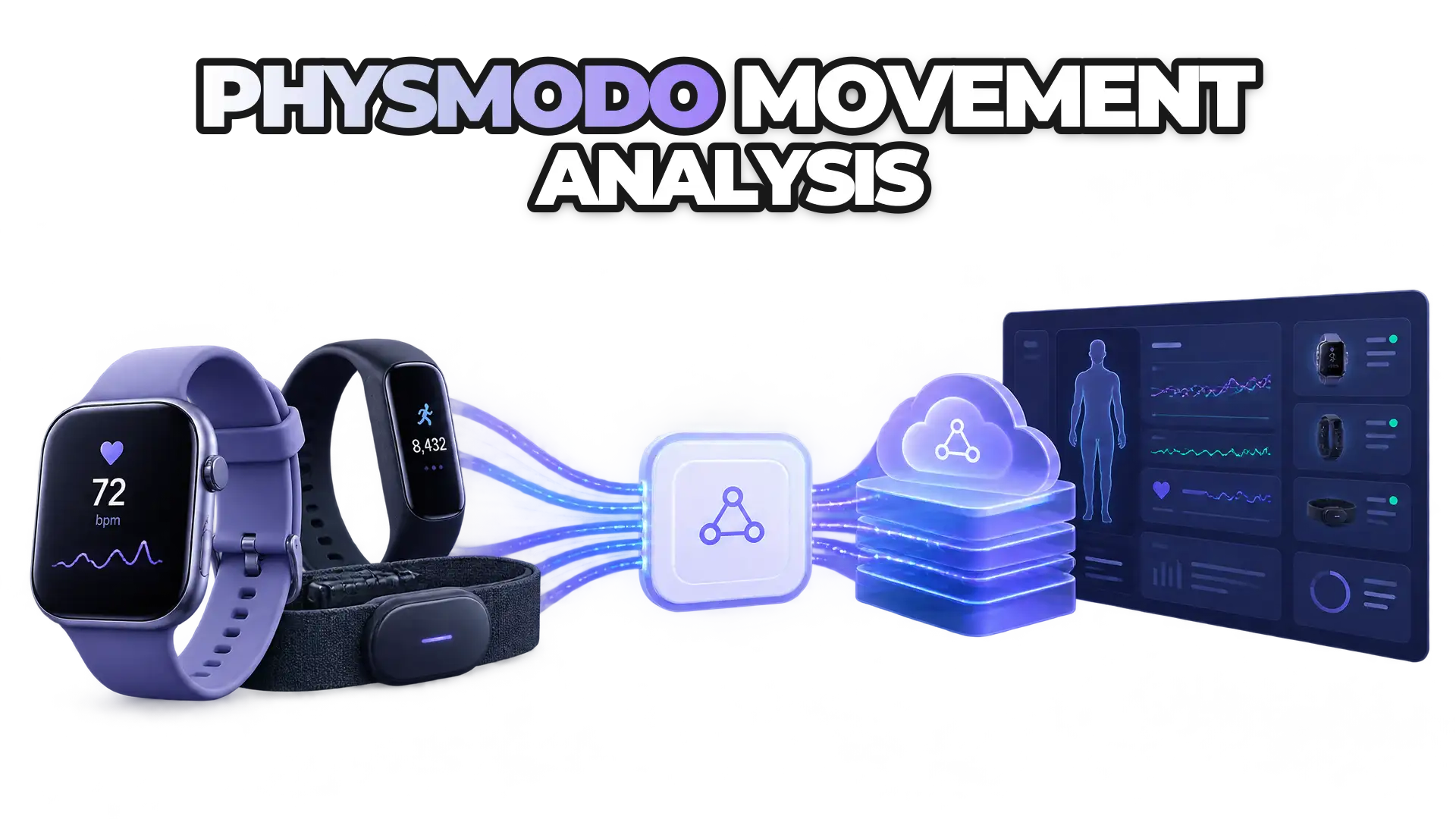
- How did Physmodo add wearable data to movement analysis with ROOK?Physmodo used ROOK's single API to add standardized sleep, heart rate, activity and energy data to its AI movement assessments.Read more
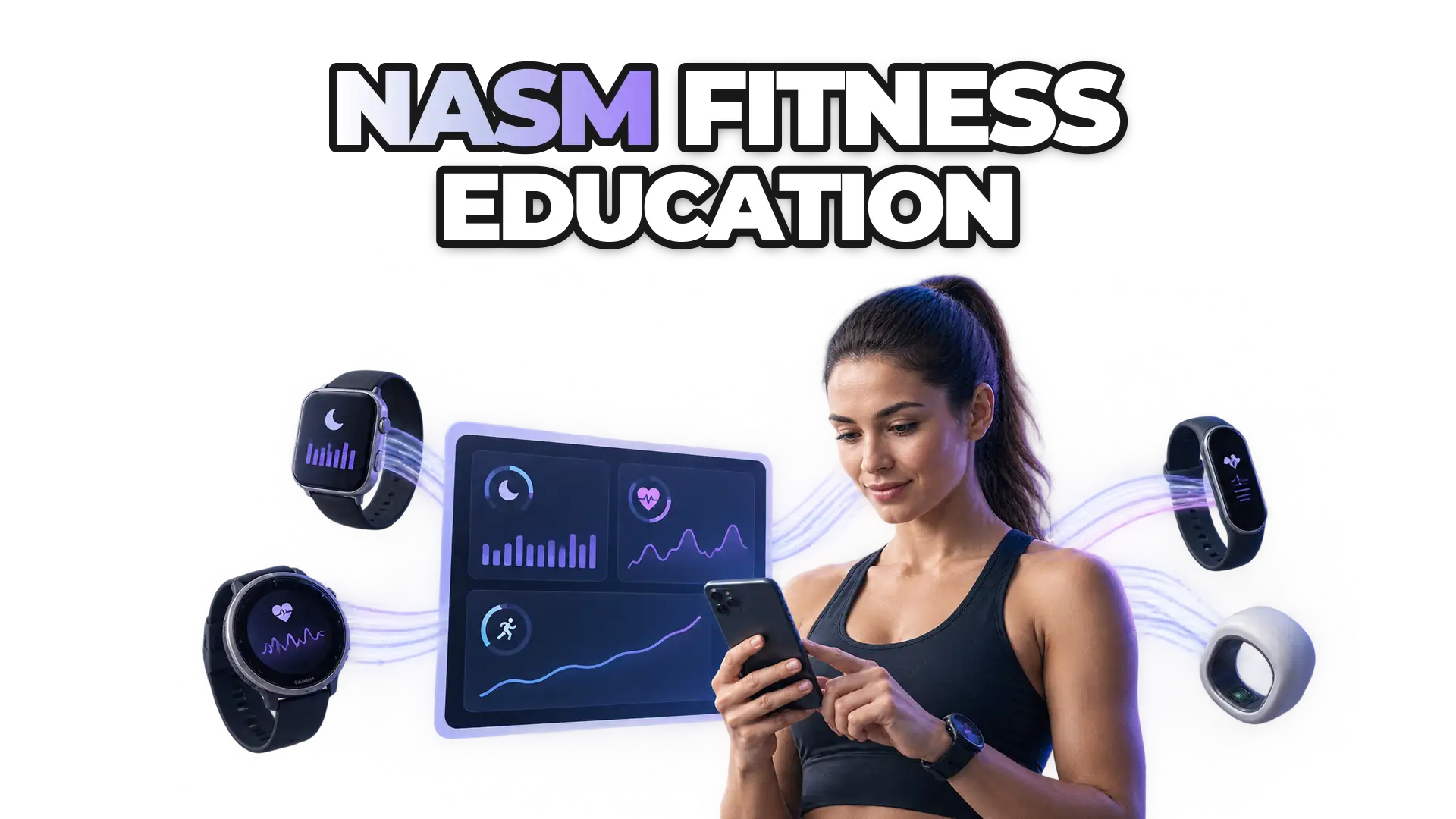
- How Does NASM Use ROOK to Add Wearable Data to Fitness Education?NASM uses ROOK to bring normalized wearable data into its digital education and coaching tools, giving trainers context on clients outside sessions.Read more
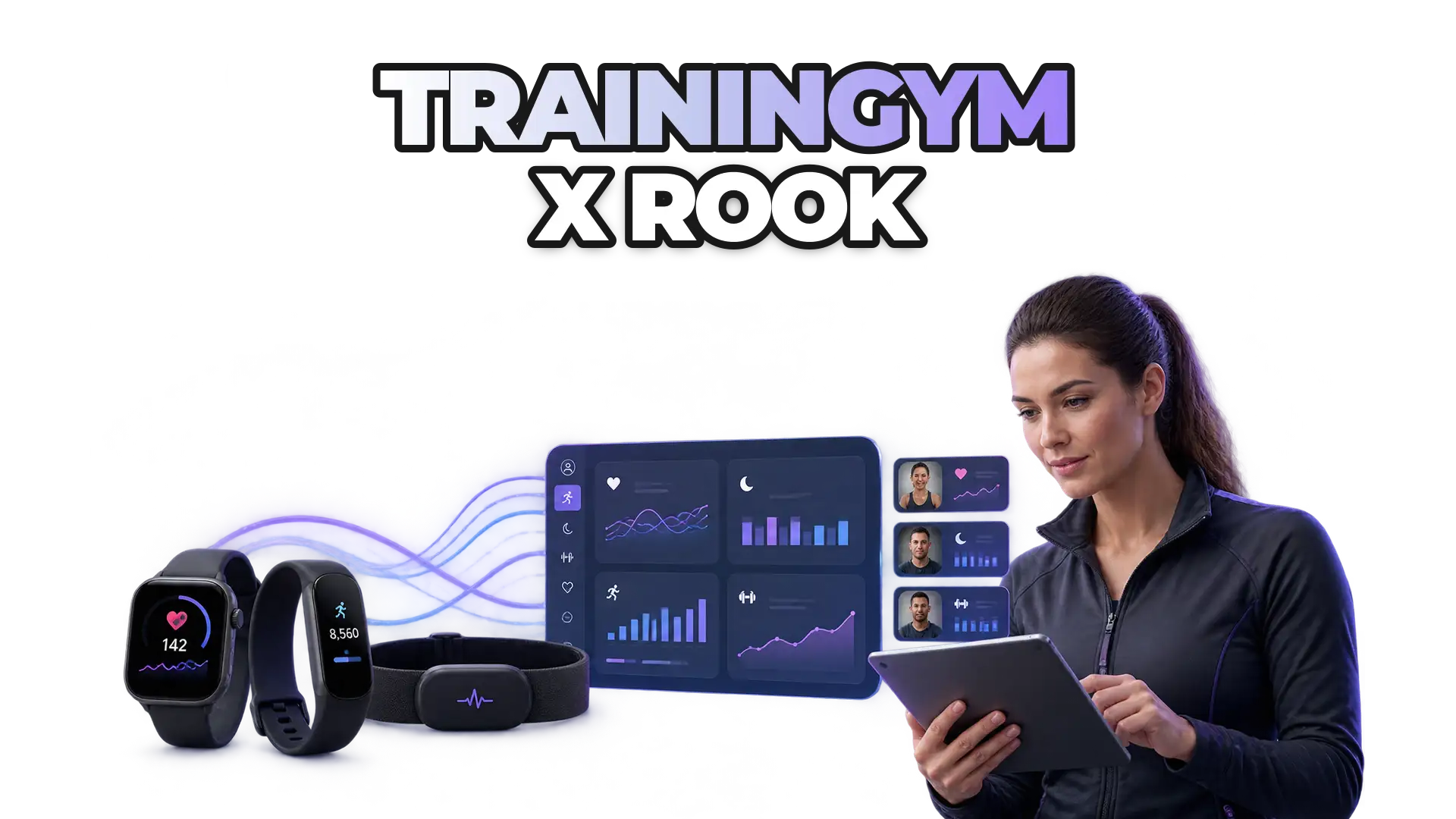
- How does Trainingym use ROOK to integrate wearable data?Trainingym used ROOK’s single API to bring normalized wearable activity, heart rate and sleep data into its fitness-center platform.Read more
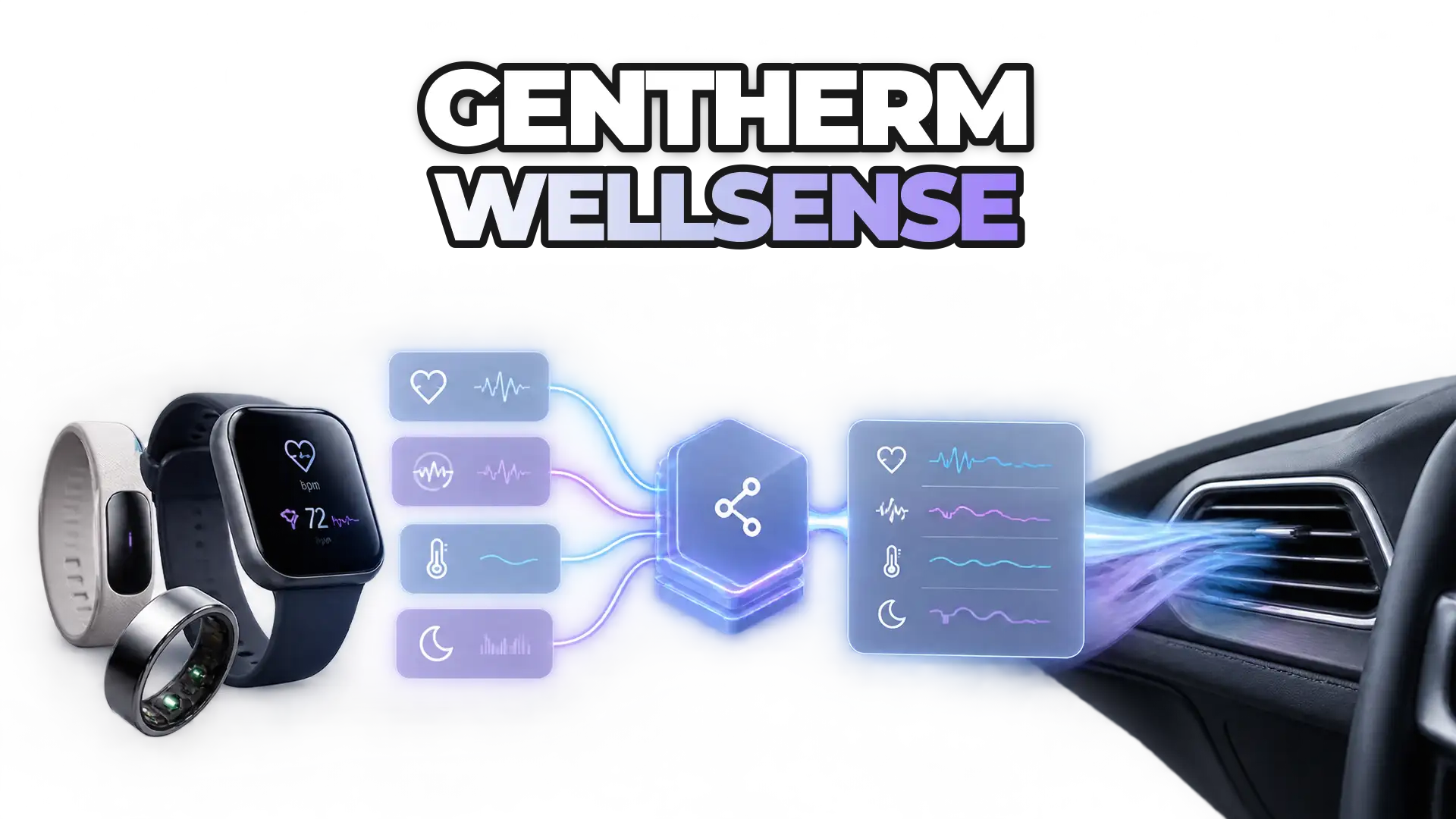
- How Gentherm Powers WellSense™ with ROOK Wearable DataGentherm uses ROOK's API as the wearable data layer behind WellSense™, getting standardized heart rate, HRV, temperature and sleep data through one integration.Read more
- How Does Novos Labs Use Wearable Data for Longevity with ROOK?Novos Labs added continuous wearable data to its NOVOS Life longevity app through ROOK's API, pairing sleep, activity and heart data with biological tests.Read more
- How do wearables power predictive insights in digital health?How continuous wearable data feeds predictive models: use cases, the pipeline from signals to predictions, challenges, and why data infrastructure matters.Read more
- How Do You Integrate Wearable and Blood Test Data?Wearables give continuous signals; blood tests give periodic lab snapshots. How combining them works, the use cases, and the technical challenges.Read more
- How Do Wearables Support Menstrual Health Tracking?Wearables add temperature, heart rate, HRV, sleep and activity signals to menstrual cycle tracking. Key signals, learning resources and challenges.Read more
- What is the best wearables API for startups?What startups should look for in a wearables API (coverage, normalization, developer experience, scale, privacy) and how ROOK, Validic and Human API compare.Read more
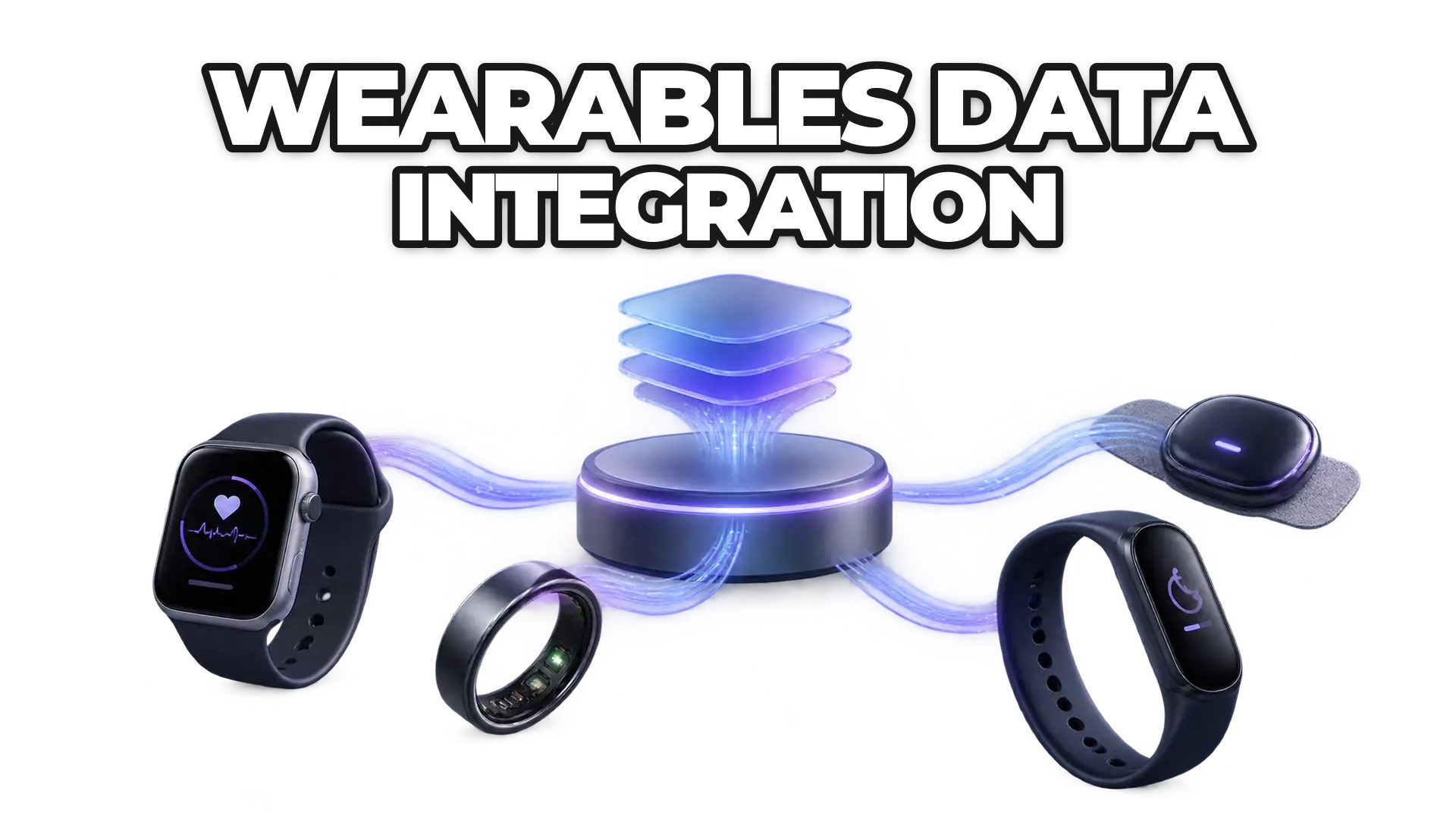
- Oura vs WHOOP: Which wearable is better for you?Oura vs WHOOP compared on hardware, sleep, recovery, strain, pricing model, ideal users and data access, for consumers and digital health builders.Read more
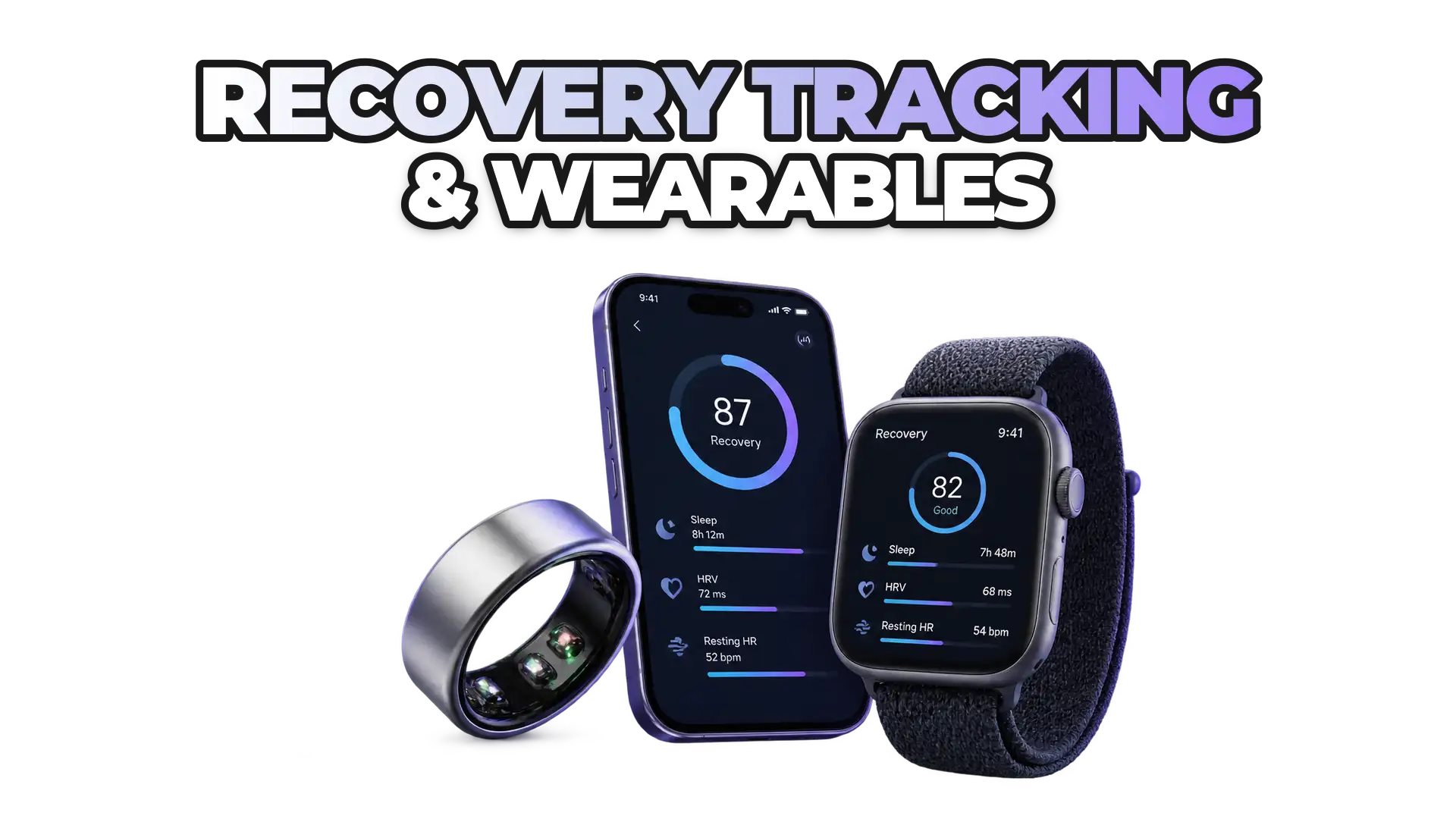
- ROOK vs Spike API: Which wearable platform fits your product?ROOK vs Spike API compared on normalization depth, engineering overhead, multi-device scale and ideal use cases, with questions to ask before you choose.Read more
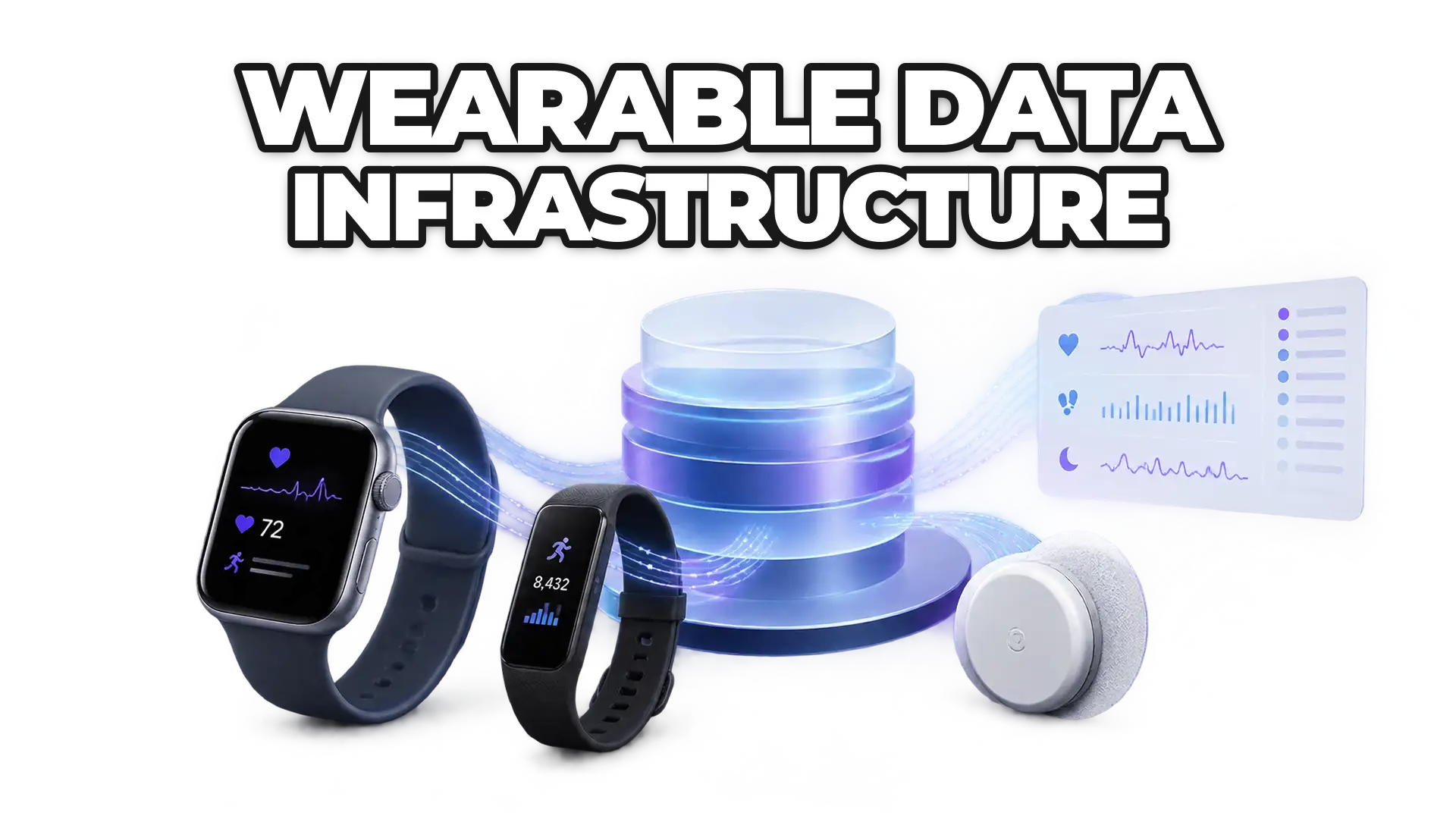
- How Does the ROOK API Handle Granular Data, Events and Time Zones?ROOK API Vol. 2: granular data, manual entries, auto-detected activities, continuous step events, time zone logic, and structured vs proprietary metrics.Read more
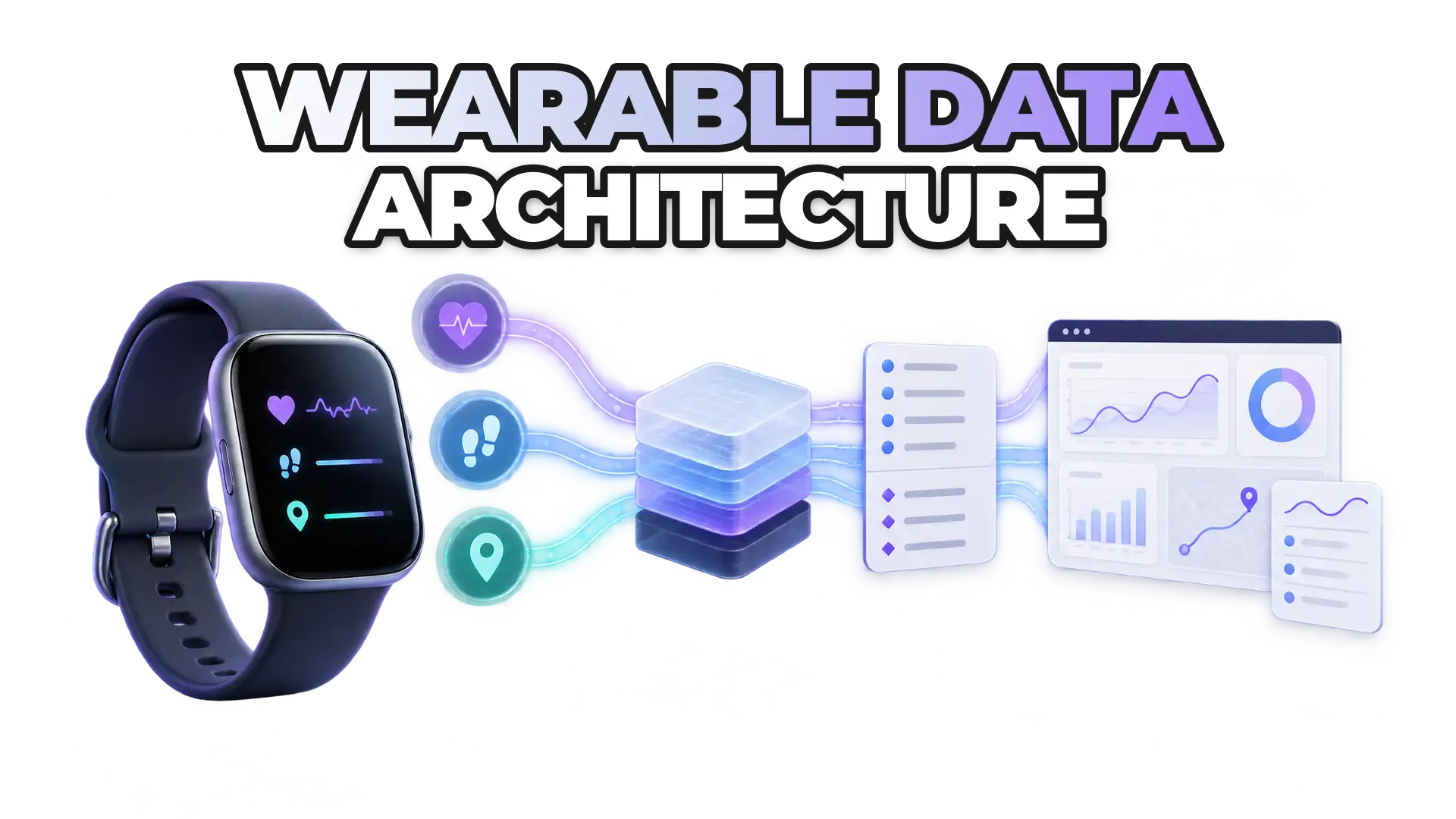
- How does ROOK structure wearable health data? Summary, events, JSONROOK organizes wearable data into Physical, Sleep, and Body pillars, delivers it as summaries or events, and versions each document so you keep the latest.Read more
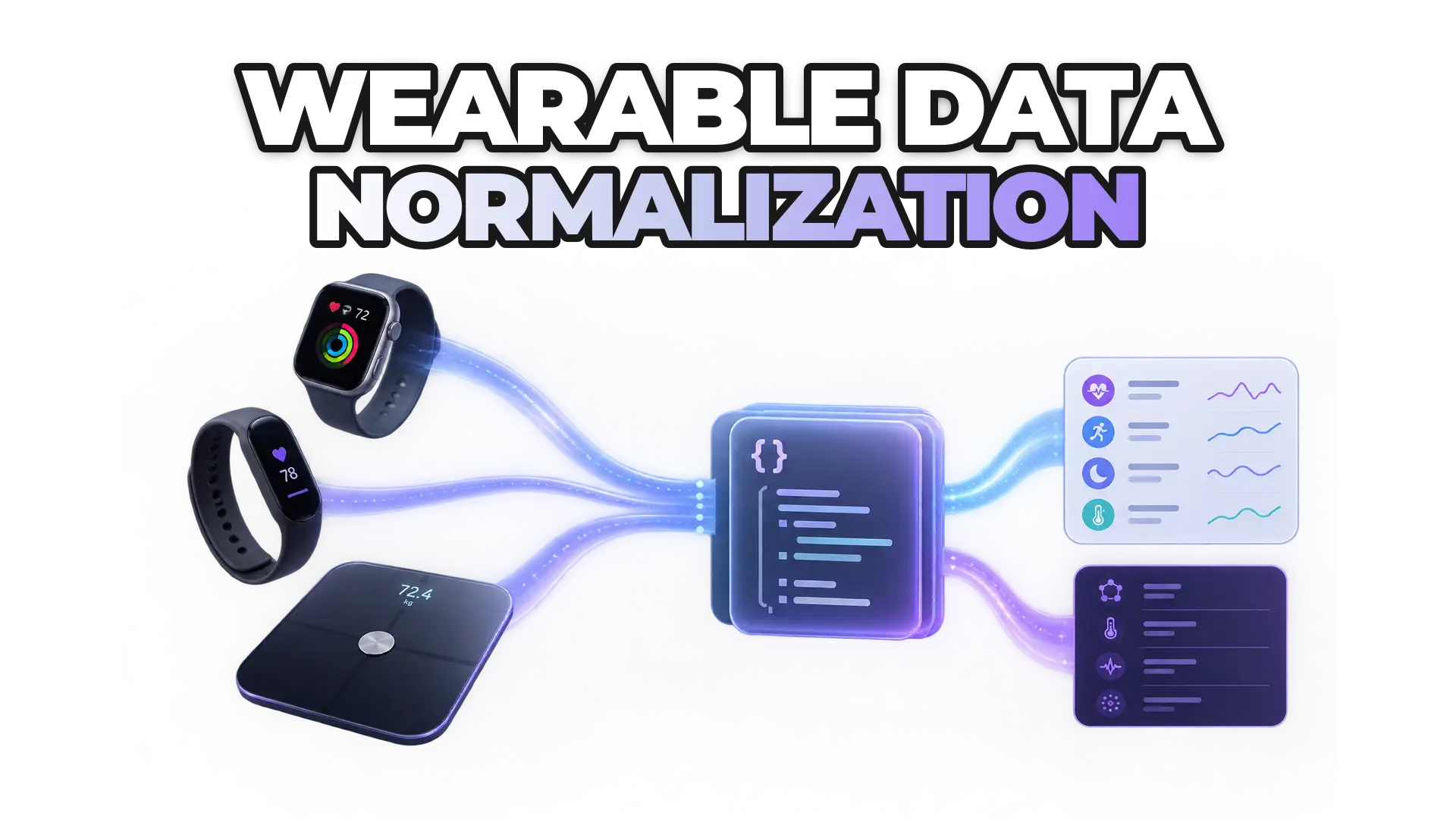
- Why is wearable data the future of employee wellness?Wearable data gives employee wellness programs continuous, personalized signals instead of surveys, if privacy and trust are handled well.Read more
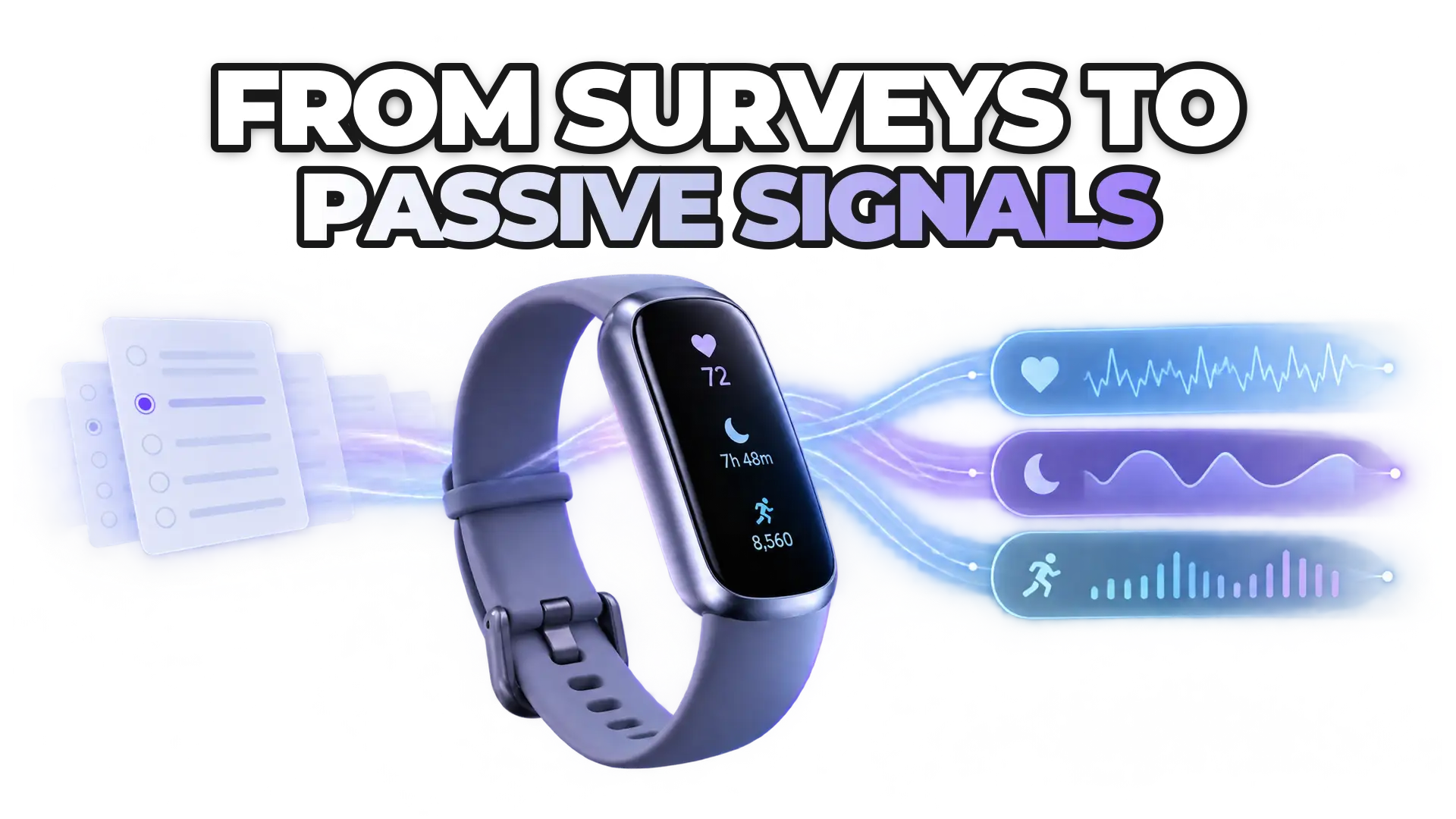
- ROOK vs Validic: Which Wearable Data Platform Fits Your Product?ROOK vs Validic compared on normalization, engineering complexity, multi-device scalability and the products each one fits.Read more
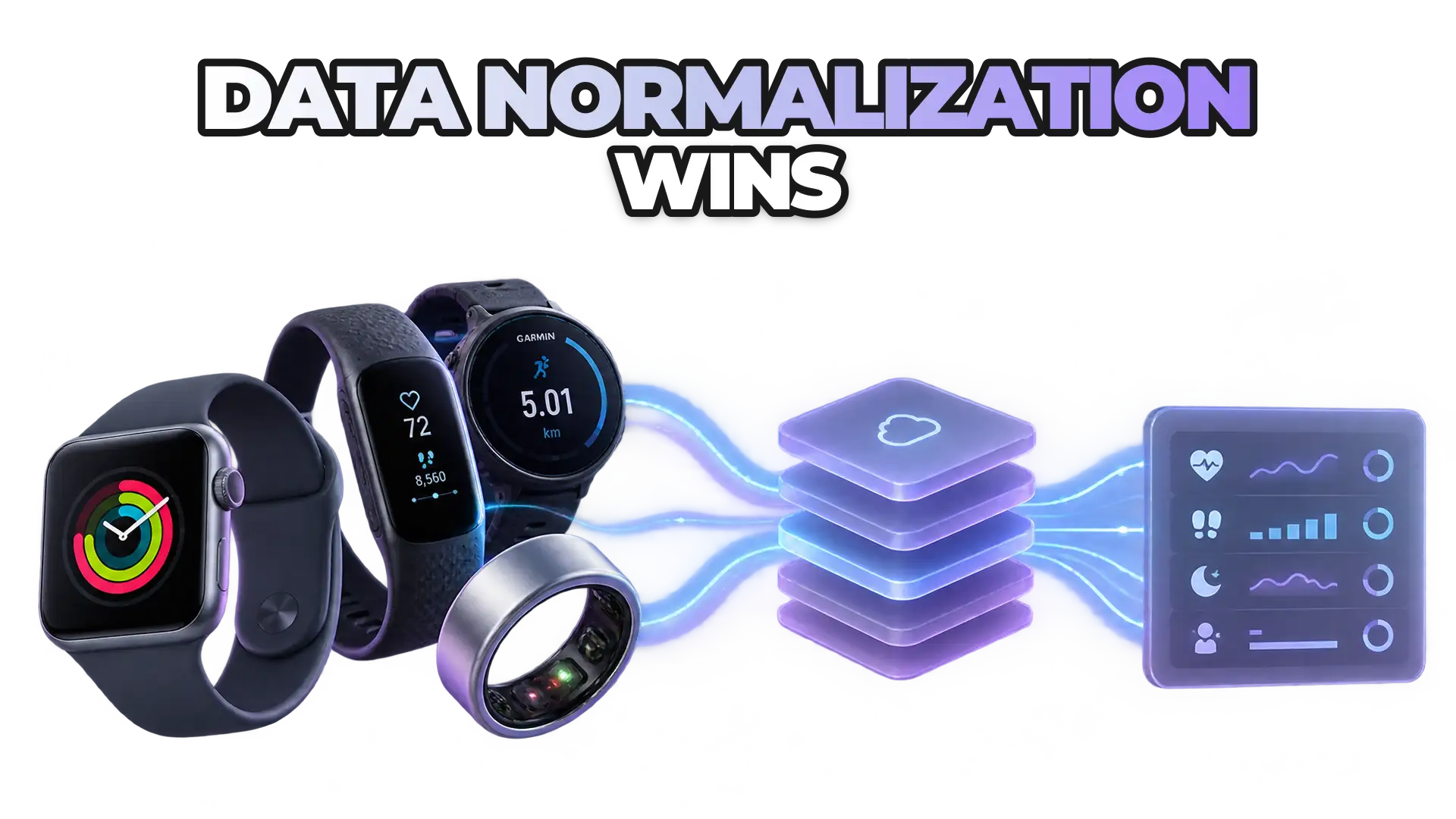
- How to turn wearable data into a scalable reward systemAn 8-step framework for a wearable-based reward system: behaviors, points, tiers, rewards, anti-gaming safeguards, balance, business alignment and annual resets.Read more
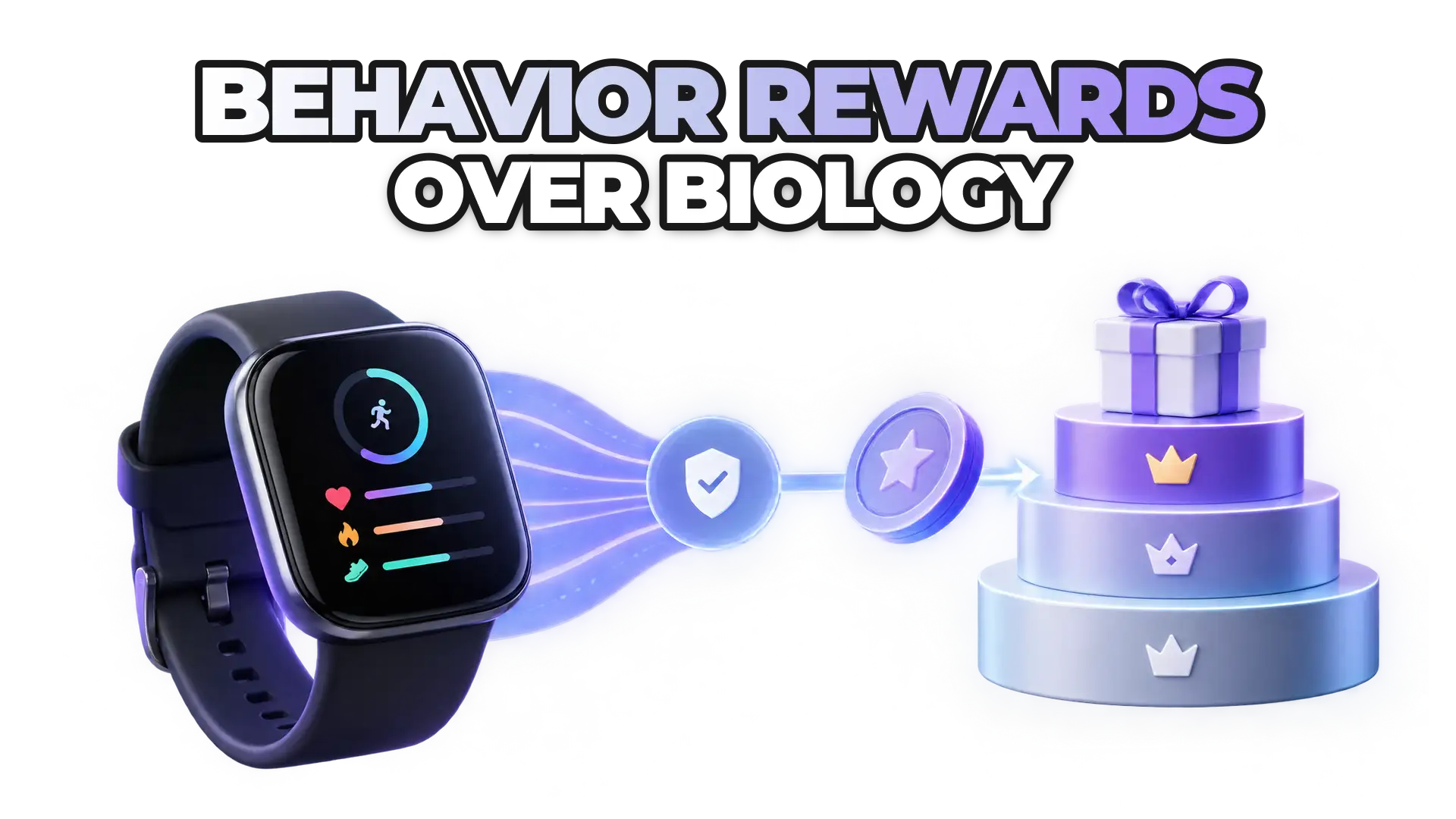
- Buy or Build Wearable Integrations: Which Scales Better?Build wearable integrations in-house or use the ROOK API? Compare cost, time to market, data consistency, and when building actually makes sense.Read more
- How Do You Connect Wearables to a Base44 App with ROOK?Connect Garmin, Oura, Fitbit, Withings, WHOOP and more to a Base44 app through one ROOK integration: OAuth, webhooks and normalized health data.Read more
- What Are the Real Challenges of Working with Wearable Data?Wearable data is fragmented, gappy and hard to compare across devices. The main challenges: fragmentation, real-world data quality, context, scale and governance.Read more
- ROOK vs Terra API: which wearable platform fits your use case?Compare ROOK and Terra API on focus, data continuity, normalization, compliance, developer experience and scale for health or fitness apps.Read more
- How Do You Connect Wearables to Lovable with ROOK?Connect WHOOP, Withings, Fitbit, Garmin Connect, Oura and more to a Lovable app through one ROOK integration: auth, backend endpoints, webhooks and a sandbox.Read more
- How Do You Train AI Models with ROOK Data?How to train AI models on ROOK's standardized wearable data: collection, cleaning, feature engineering, training, validation and deployment.Read more
- Why is wearable data messy, and how do you normalize it with one API?Wearable data varies in format, structure and accuracy across devices. A unified API translates it into one consistent format for health apps.Read more
- What Are the Best Tools to Build AI Health Apps with Wearable Data?Six tools for AI health apps built on wearable data: ROOK for integration, TensorFlow for models, Google Cloud and Azure for health data, Apple HealthKit and Fitbit.Read more
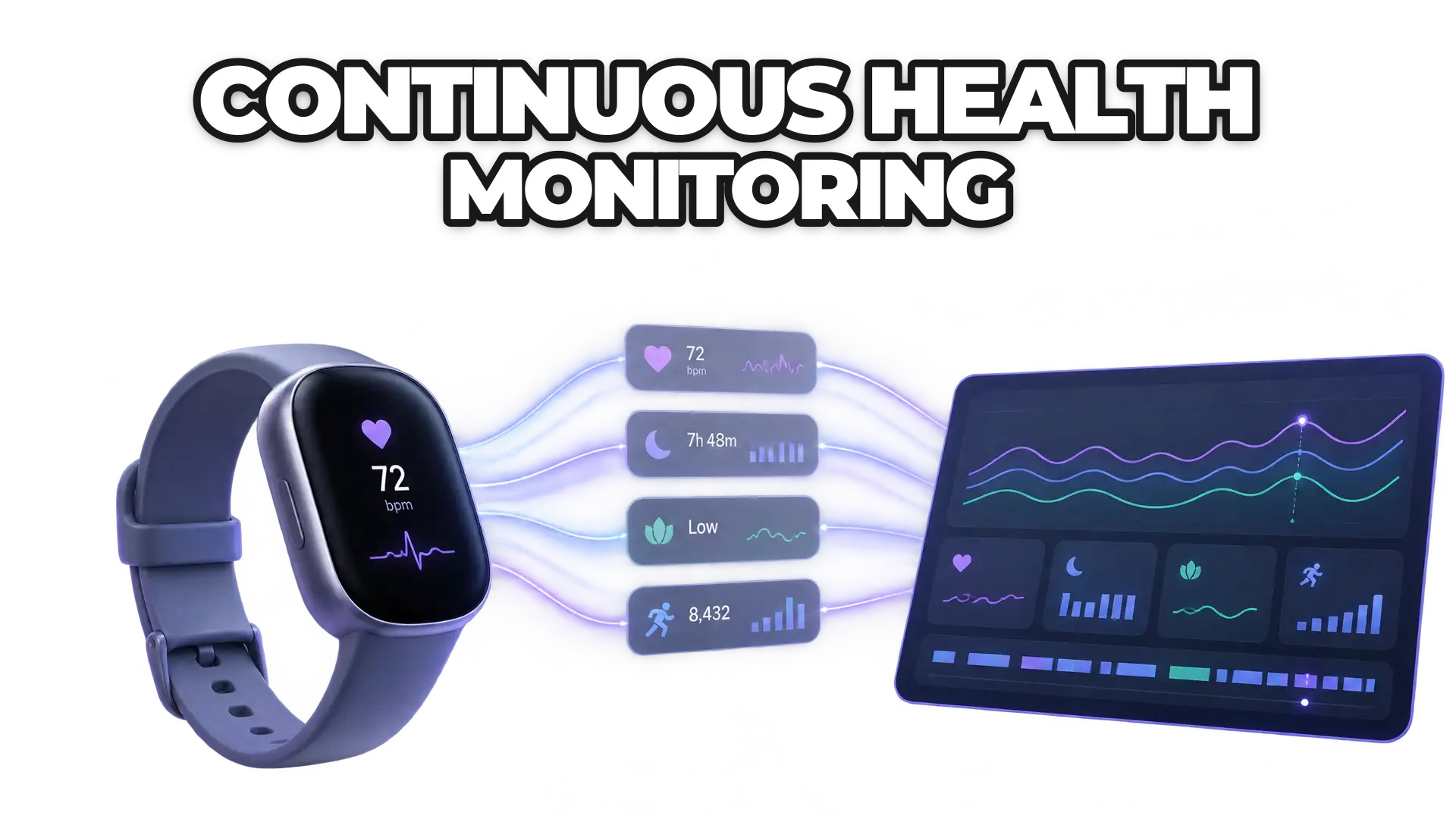
- How are wearables becoming continuous health monitoring systems?Wearables now capture heart rate, HRV, activity, sleep and stress continuously, so health can be observed against personal baselines instead of occasional checkups.Read more
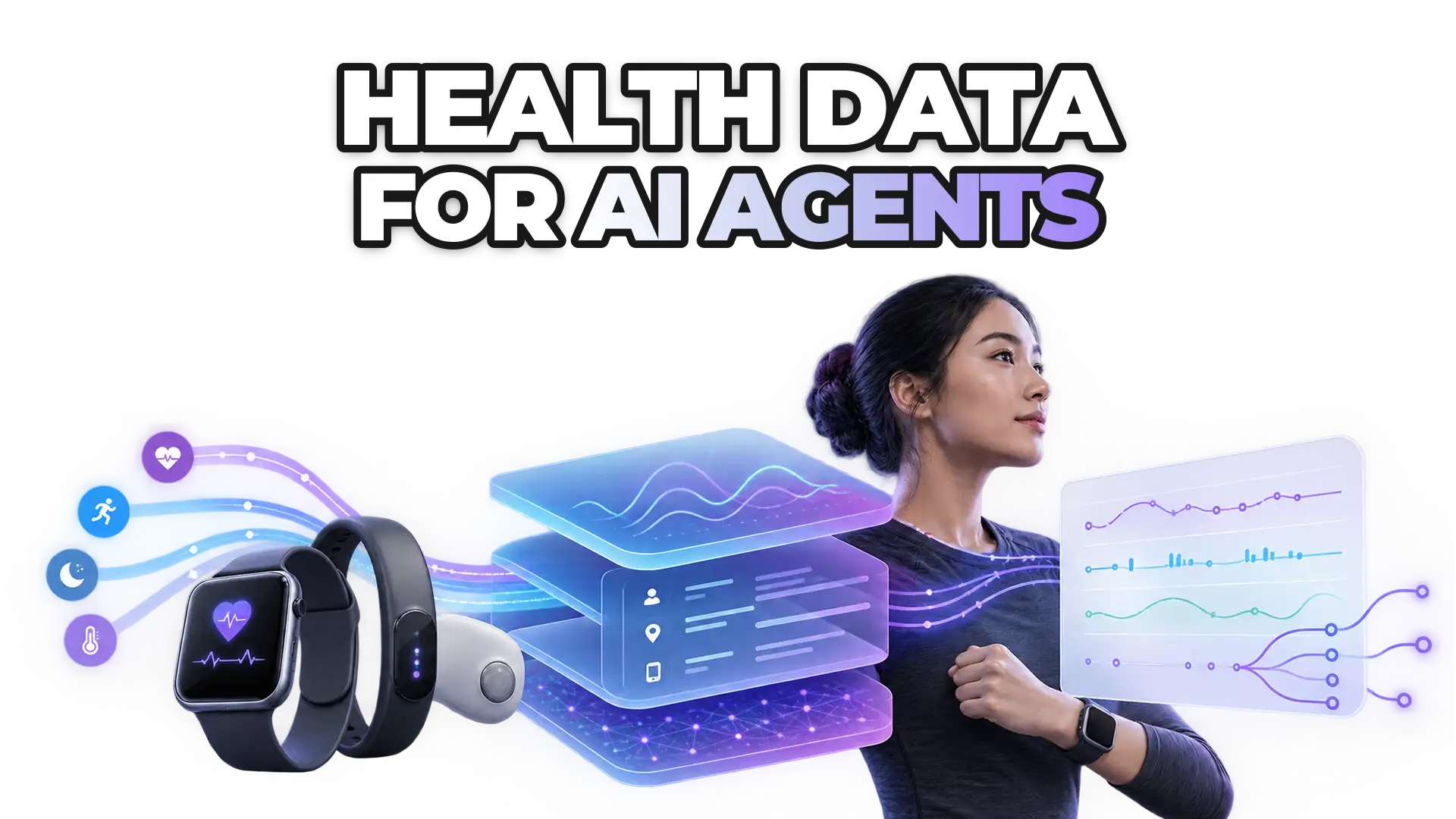
- What do AI agents need from health data?AI agents in health need data that is continuous, standardized, contextualized, traceable and consented to reason and act responsibly.Read more
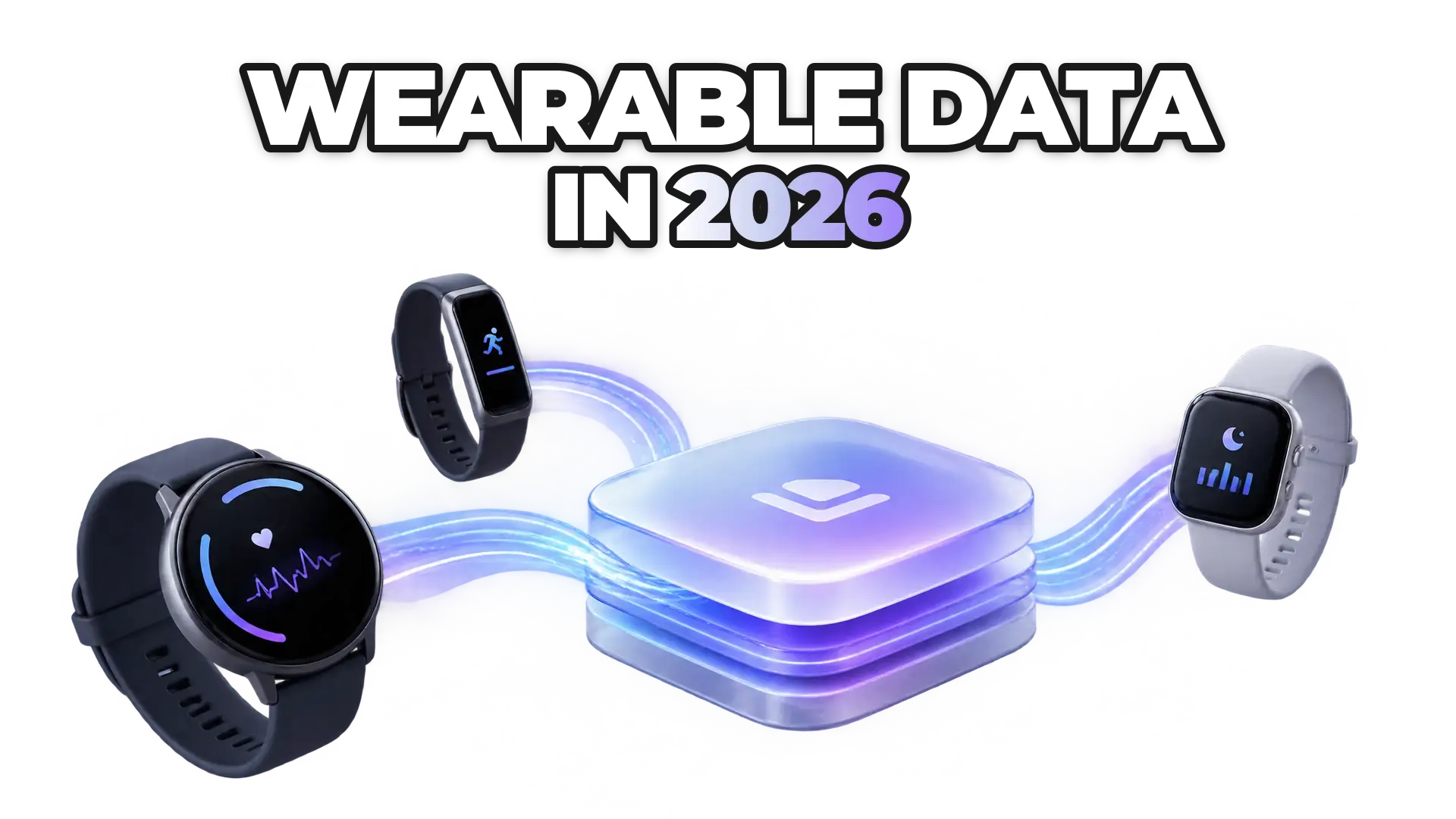
- What is the future of wearable data in 2026 and beyond?How wearable data is evolving in 2026 and beyond: continuous signals, standardization, AI-ready data, longevity use cases, privacy and trust, and APIs as infrastructure.Read more
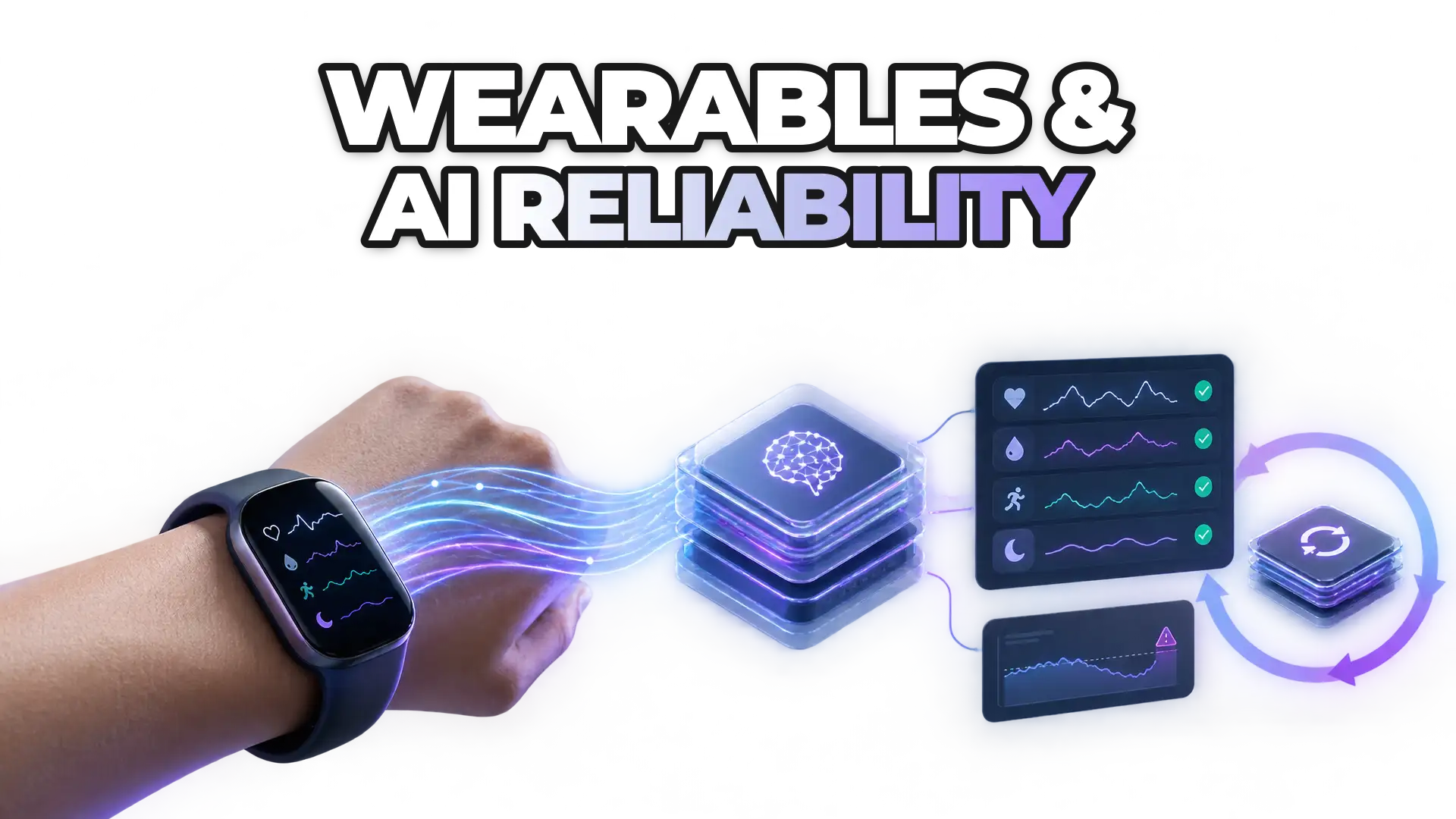
- How Do You Use Wearable Data in AI Health Models?Using wearable data in AI health models: standardization, feature engineering, context, validation over time, and responsible deployment.Read more
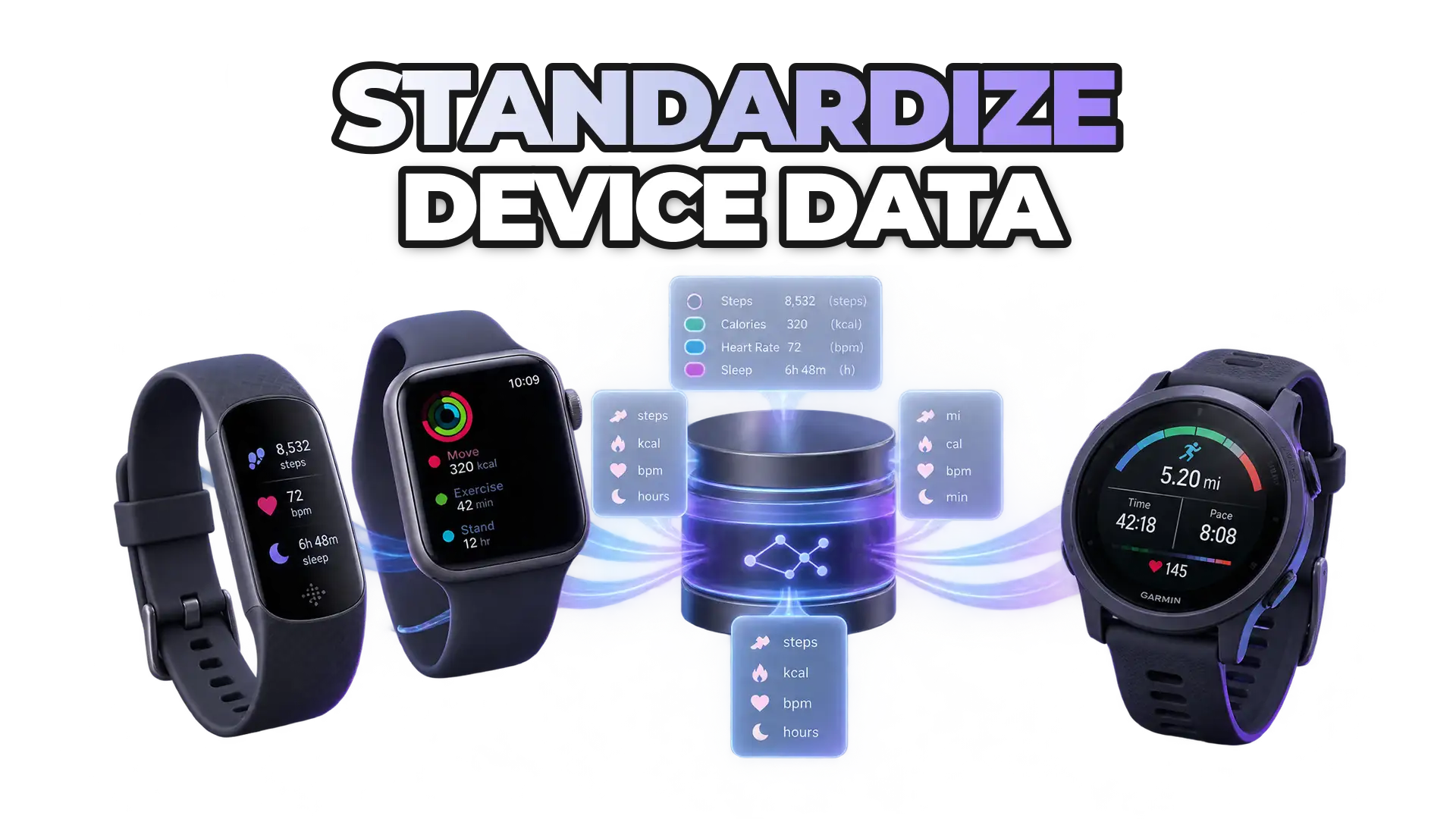
- How do you standardize Fitbit, Apple Watch, and Garmin data?Five steps to standardize wearable data from Fitbit, Apple Watch and Garmin: a canonical model, unit and timestamp normalization, aligned definitions, gap handling, one pipeline.Read more
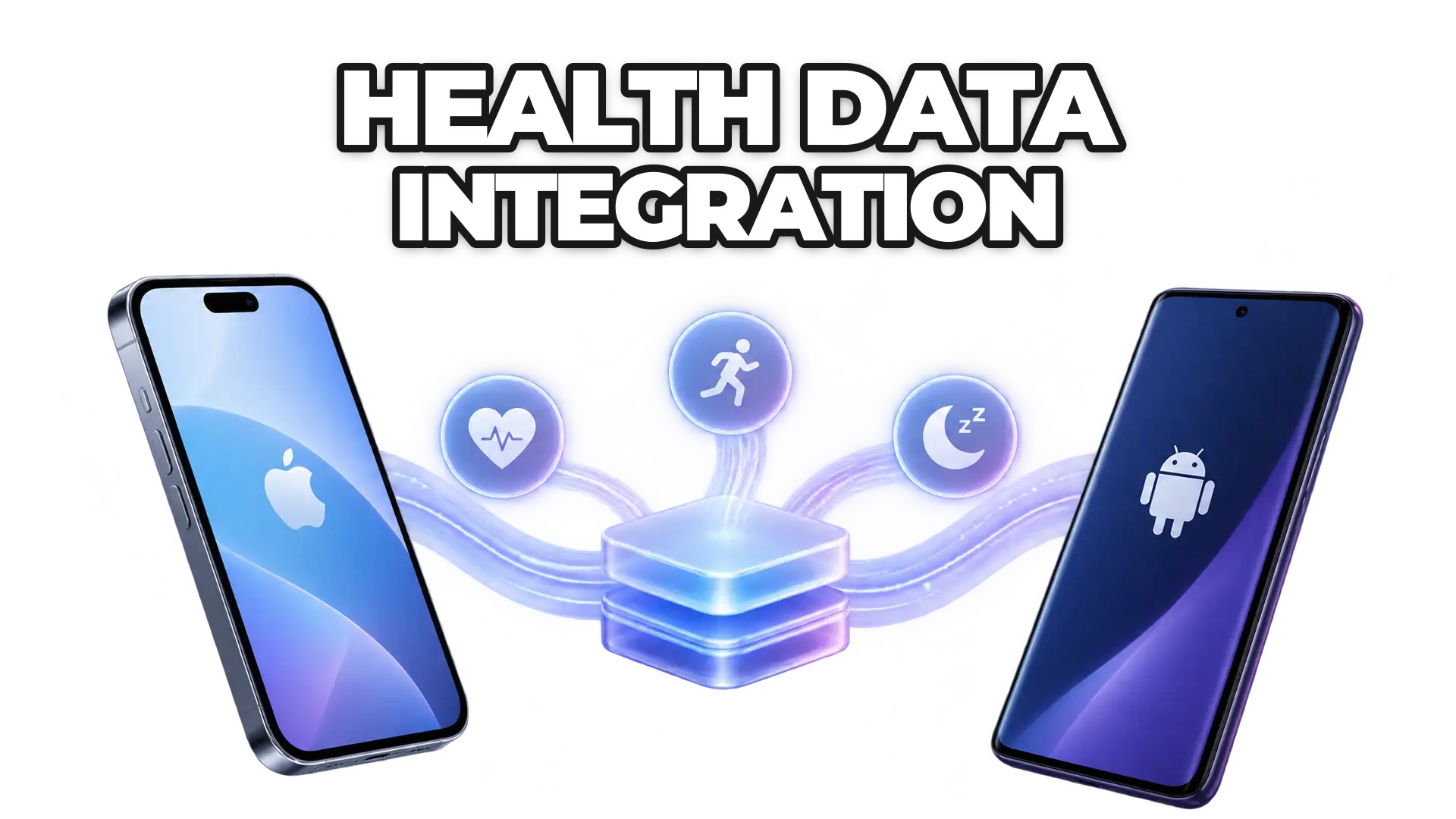
- Apple Health vs Health Connect: Which Should Your App Integrate?Apple Health covers iOS and Health Connect covers Android. Compare their pros, cons and integration steps for cross-platform health apps.Read more
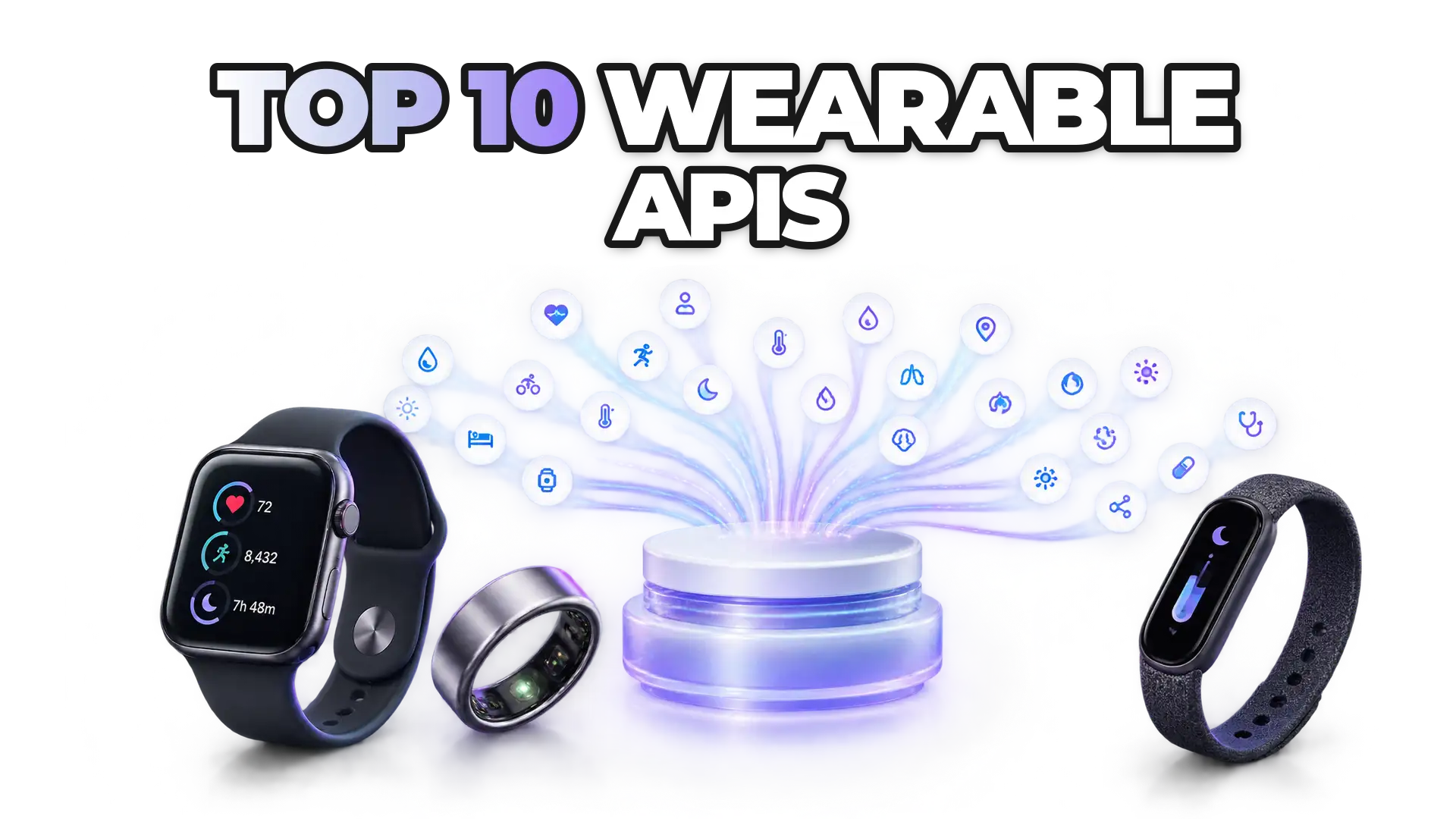
- What are the top 10 wearable APIs to consider in 2026?Compare ten wearable APIs for 2026, including ROOK, Health Connect, HealthKit, Garmin, Oura, WHOOP and more, and how to choose one.Read more
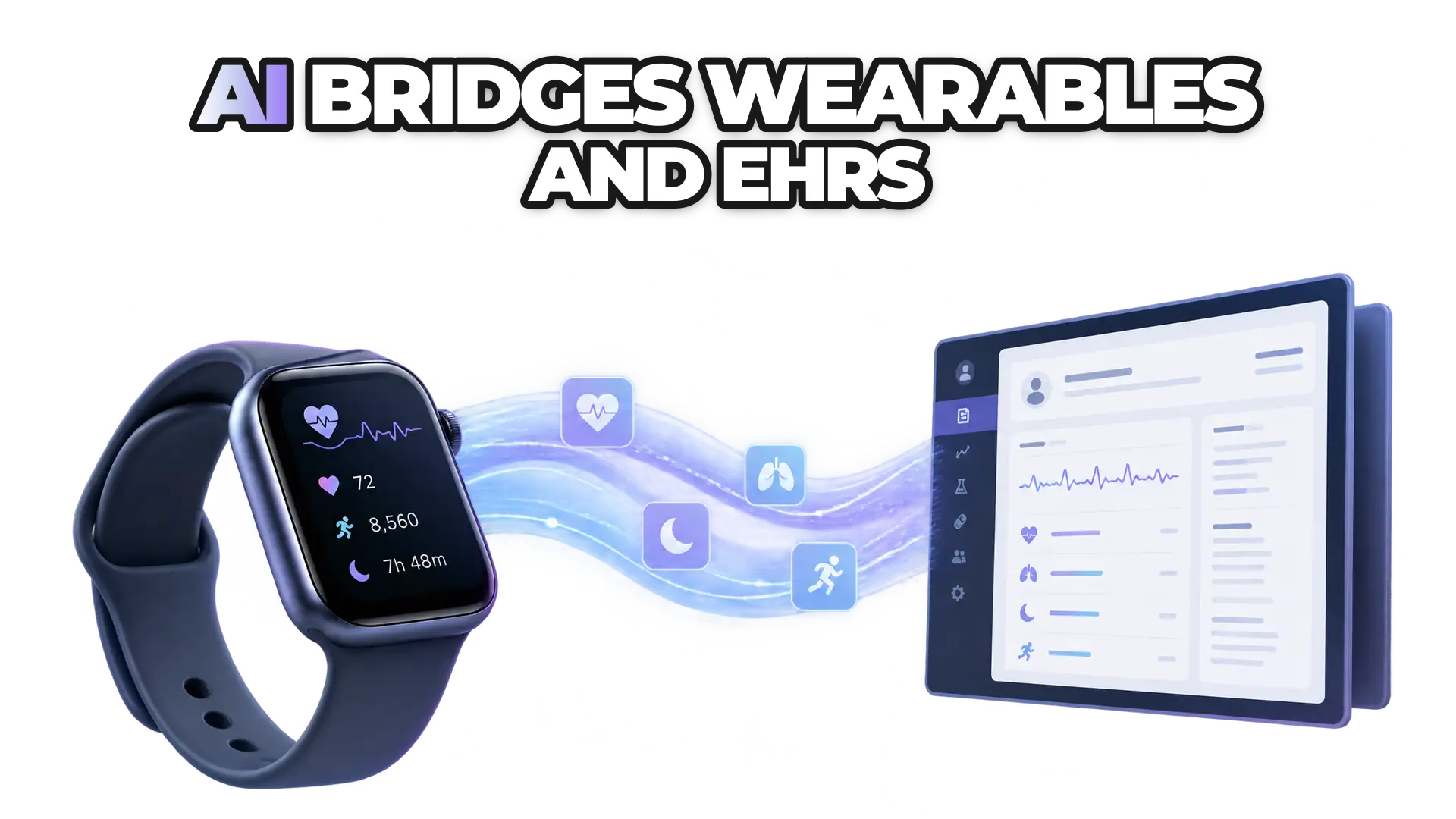
- How does AI close the gap between wearables and EHRs?Wearables and EHRs store health data in different formats. AI can normalize and contextualize wearable data so it fits clinical workflows.Read more
- How do you integrate data from multiple wearables into one system?Three ways to unify data from multiple wearables: direct integrations, raw-data middleware, or a unified platform like ROOK. Trade-offs and what your system needs.Read more
- Why is AI-ready wearable data a competitive advantage in health tech?AI-ready wearable data arrives standardized and consistent, so health-tech teams spend less time cleaning device data and more time building models.Read more
- What are the best wearable APIs for developers?Compare Apple HealthKit, Google Fit, the Fitbit Web API, Garmin, the Oura API and ROOK for integrating health and activity data.Read more
- Which top 10 EHR systems should integrate wearables, and why?Ten widely used EHR systems, from Epic to CureMD, and how wearable data could support remote monitoring, chronic condition management and patient engagement.Read more
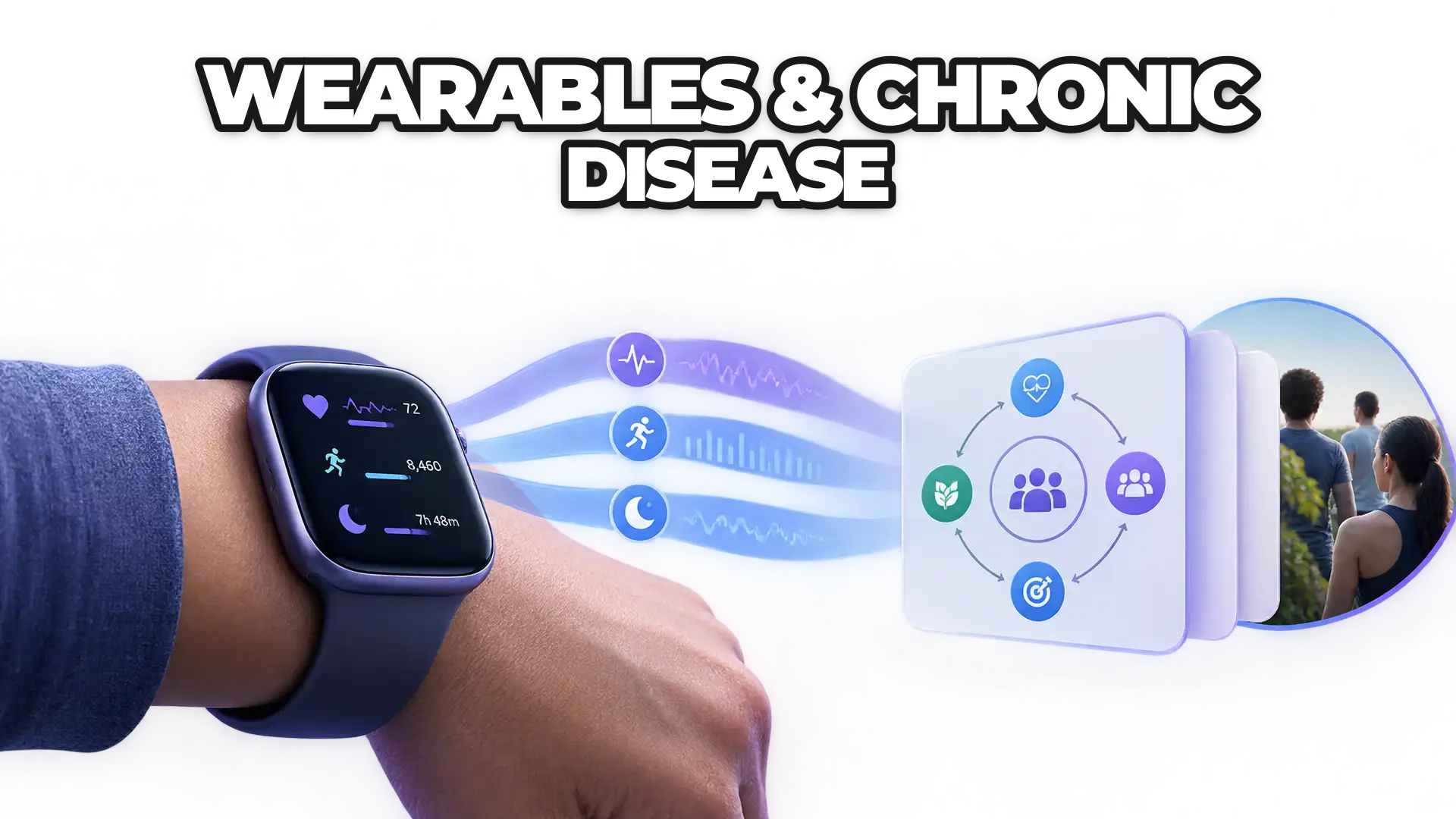
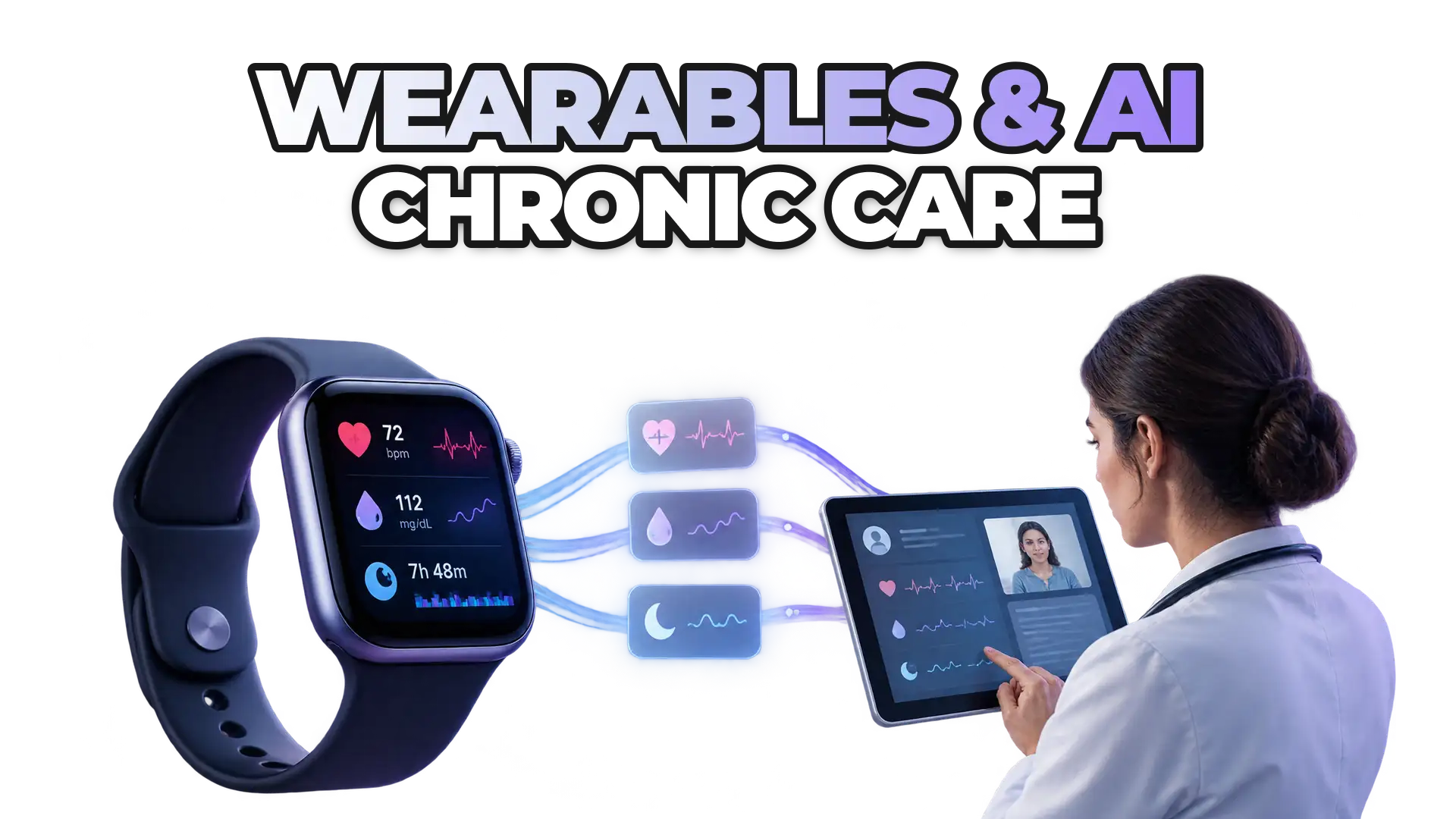
- How are wearables and AI changing chronic disease management?How digital biomarkers from wearables, combined with AI, support continuous tracking, earlier care conversations and more personalized chronic disease programs.Read more
- How Does AI Turn Wearable Data into Evidence for Pharma?How AI cleans, standardizes and interprets noisy wearable data so pharma teams can use it in clinical trials, digital biomarkers and real-world evidence.Read more
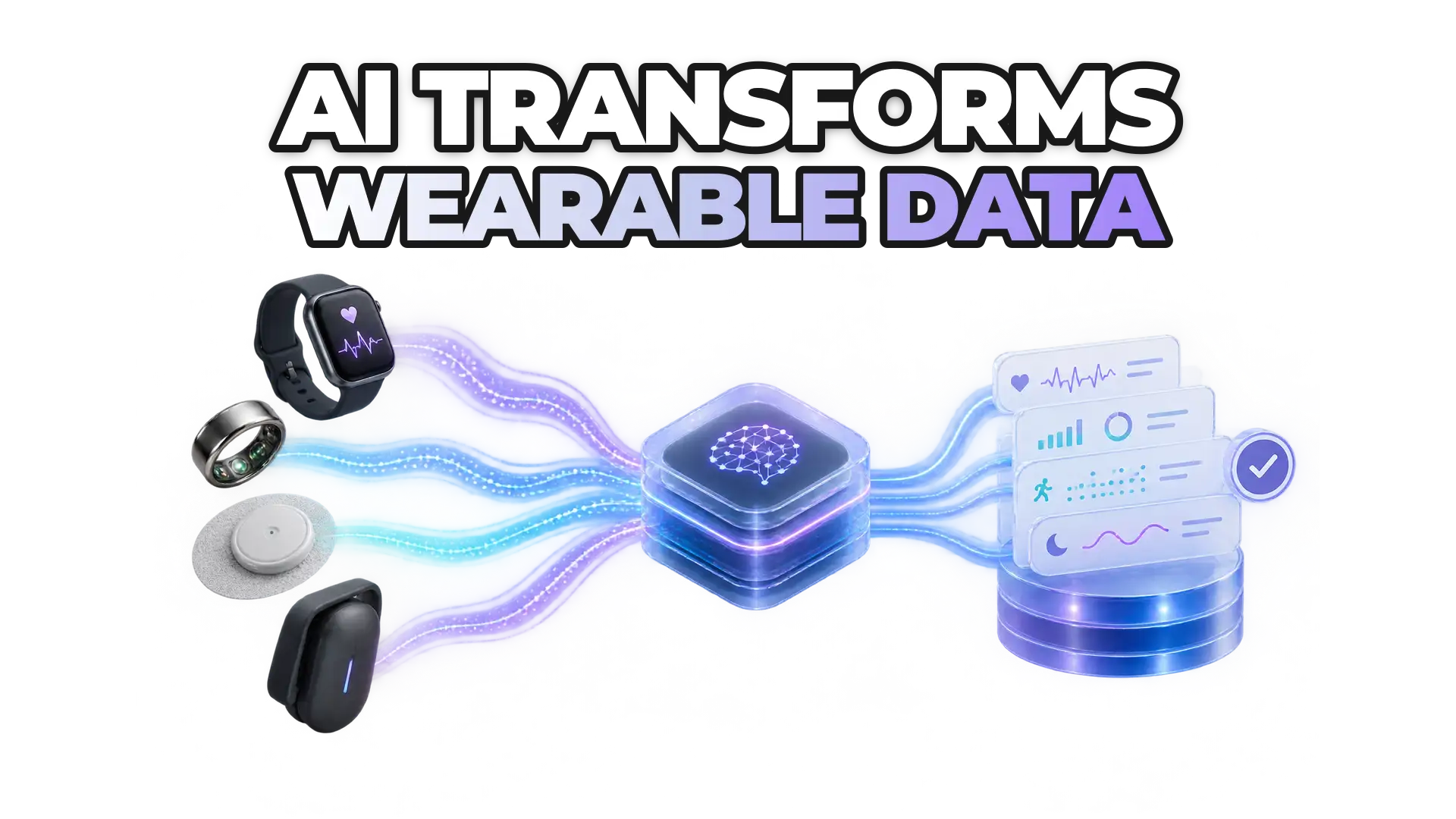
- How are AI and wearable data changing insurance underwriting?Wearable data gives insurers continuous activity, sleep, and heart rate signals, and AI turns them into indicators for risk assessment and wellness programs.Read more
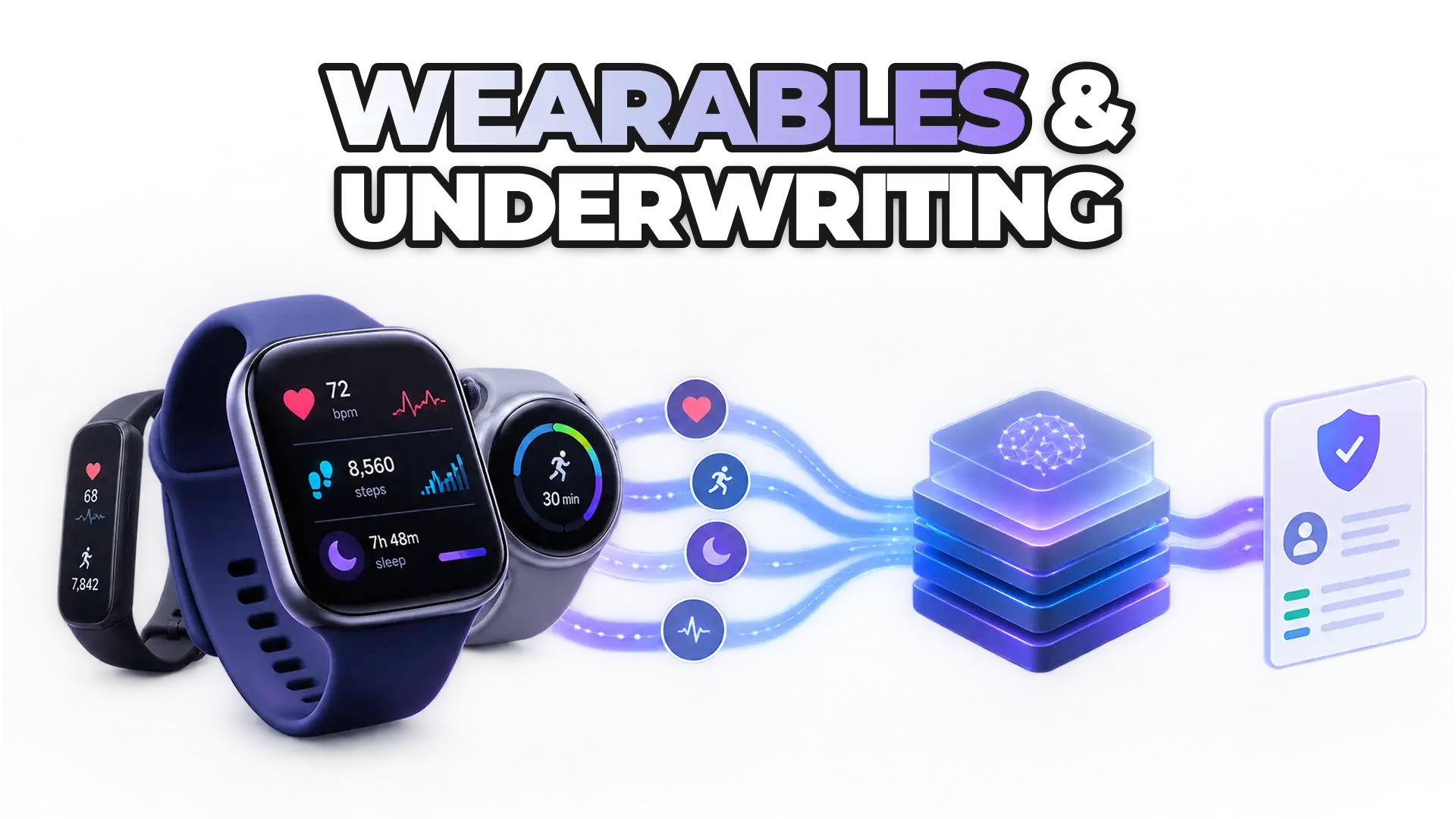
- What are the hidden costs of fragmented wearable data?Fragmented wearable data costs retention, operations, insights and compliance effort. AI-assisted standardization can unify the streams.Read more
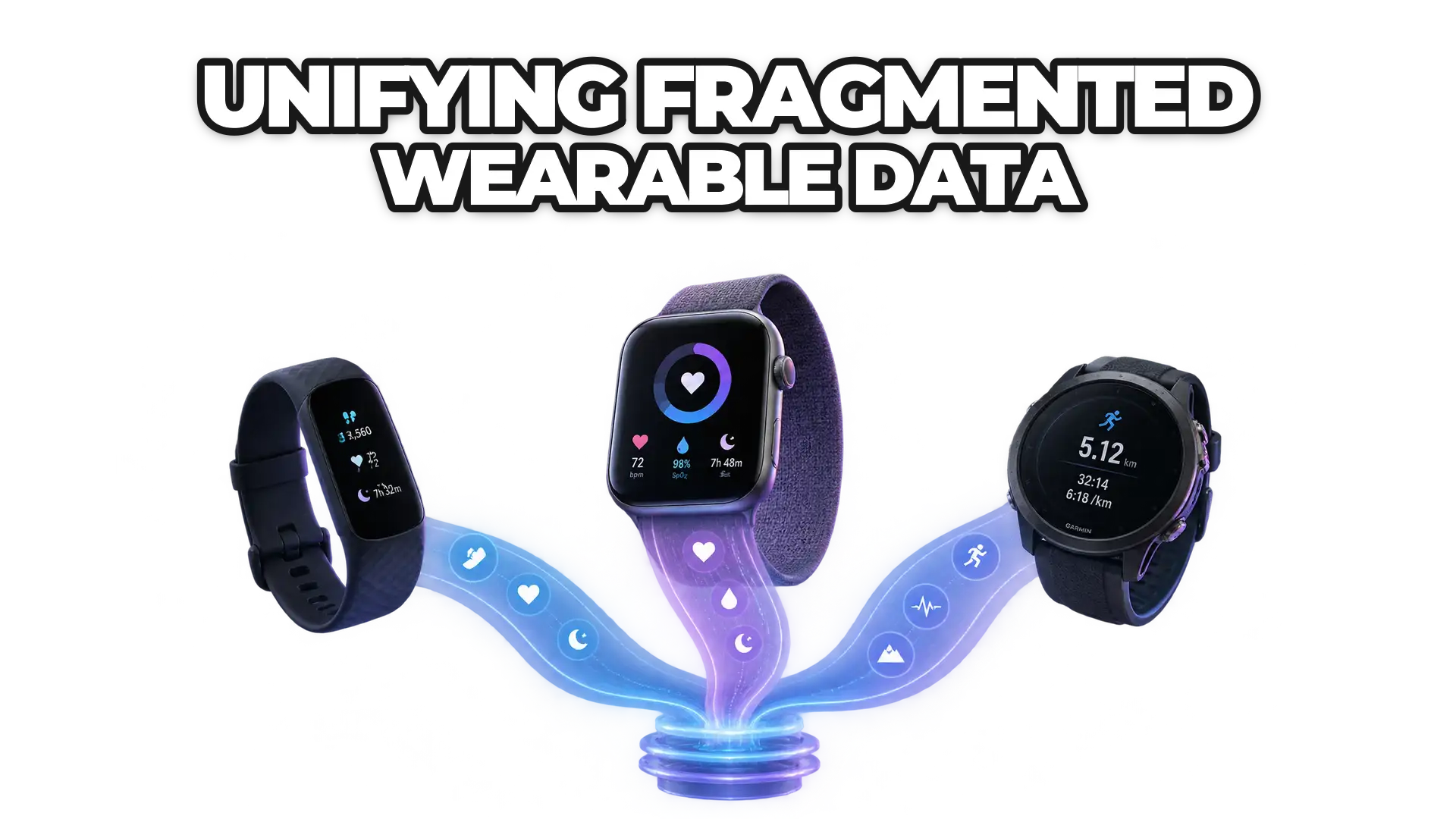
- How do wearable integrations boost engagement and retention by 25%?Wearable integrations raise engagement and retention through personalization, timely feedback, daily habits, progress tracking and gamification.Read more
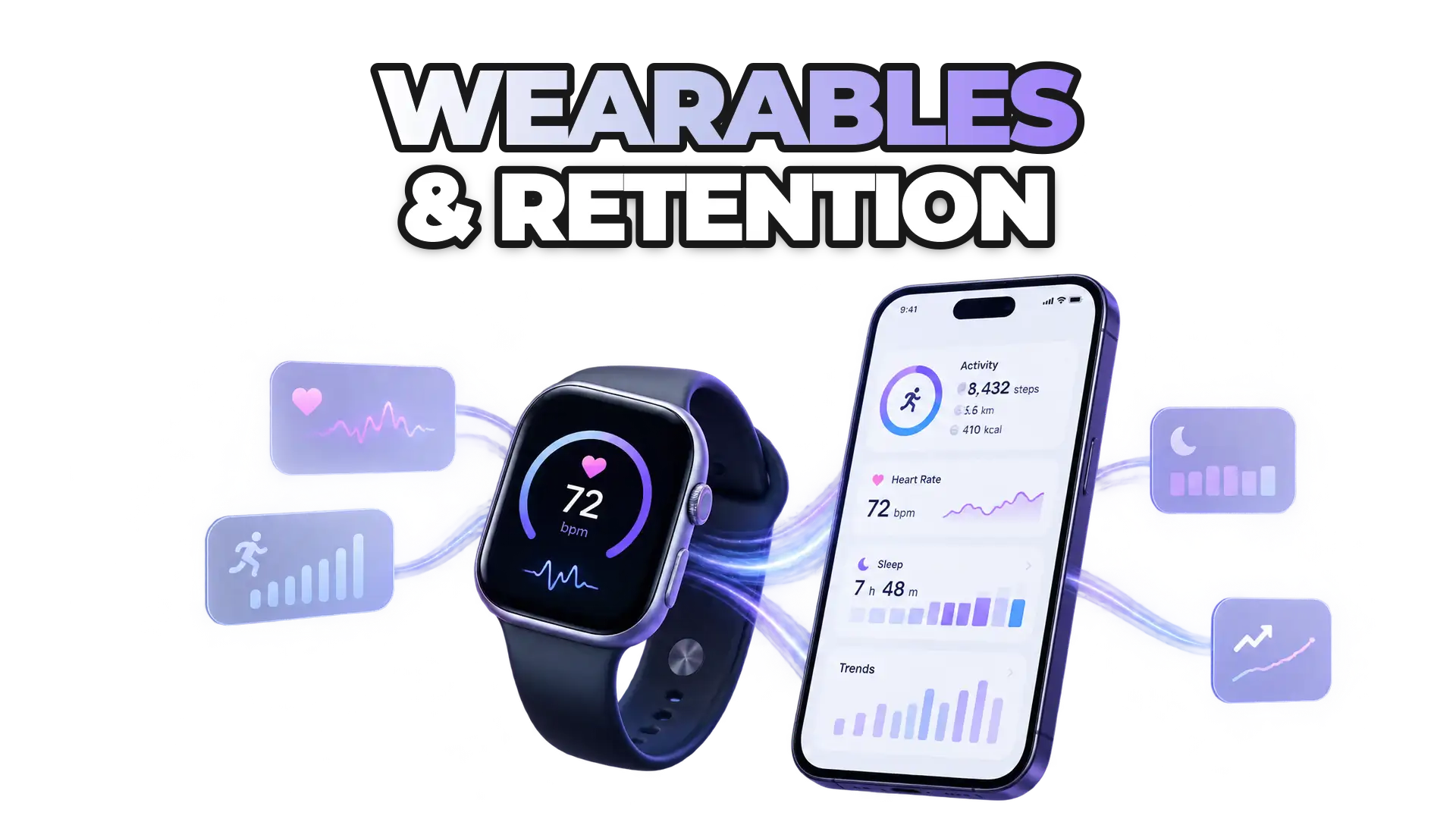
- How Does AI Turn Wearable Data Into Health Intelligence?AI turns raw wearable data into usable information by cleaning it, finding patterns, personalizing insights and adding context.Read more
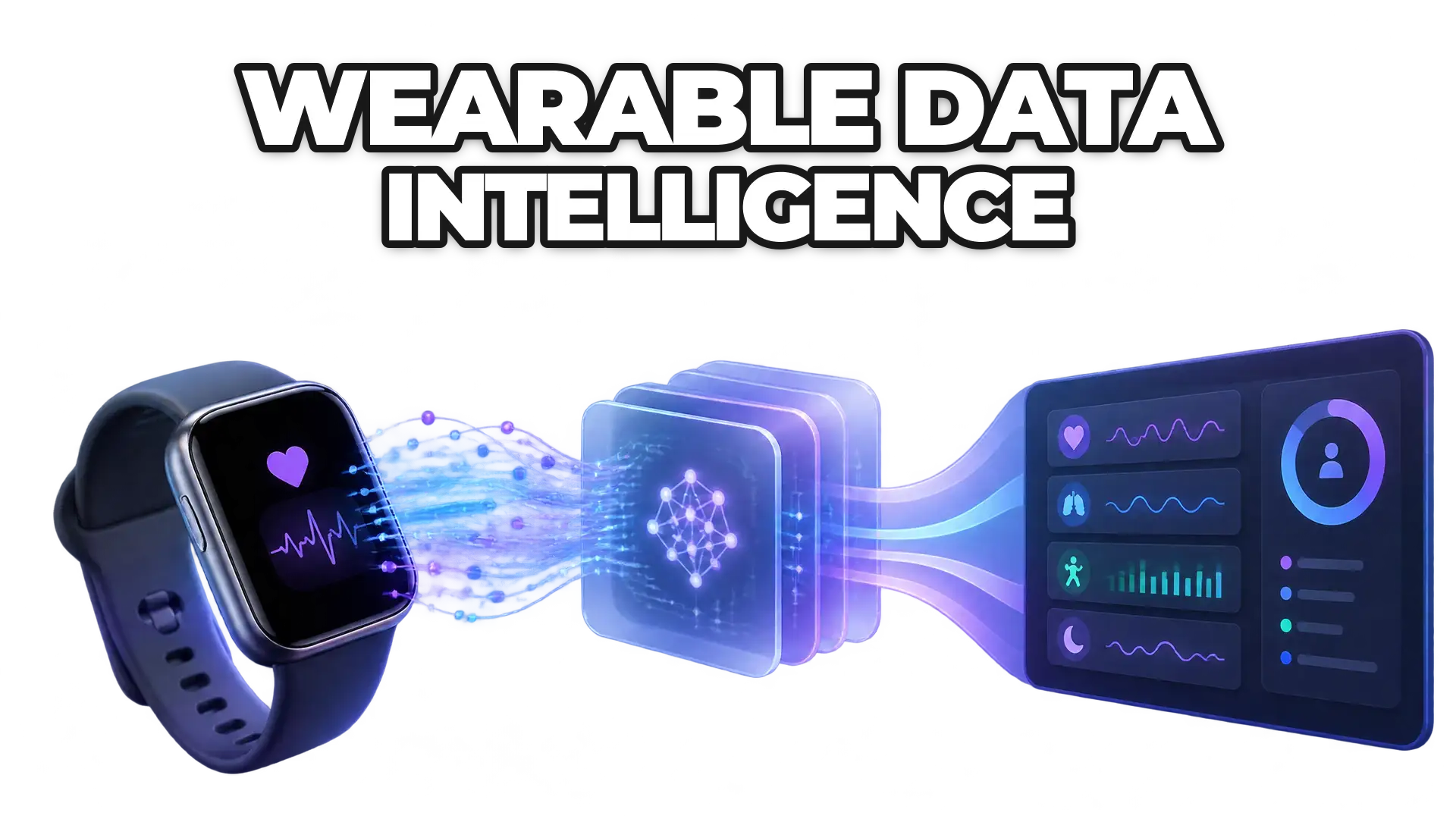
- How Does AI Use Continuous Health Monitoring to Flag Risks Early?How AI reads continuous wearable data to learn a personal baseline, flag deviations, and prompt earlier conversations about health risks.Read more
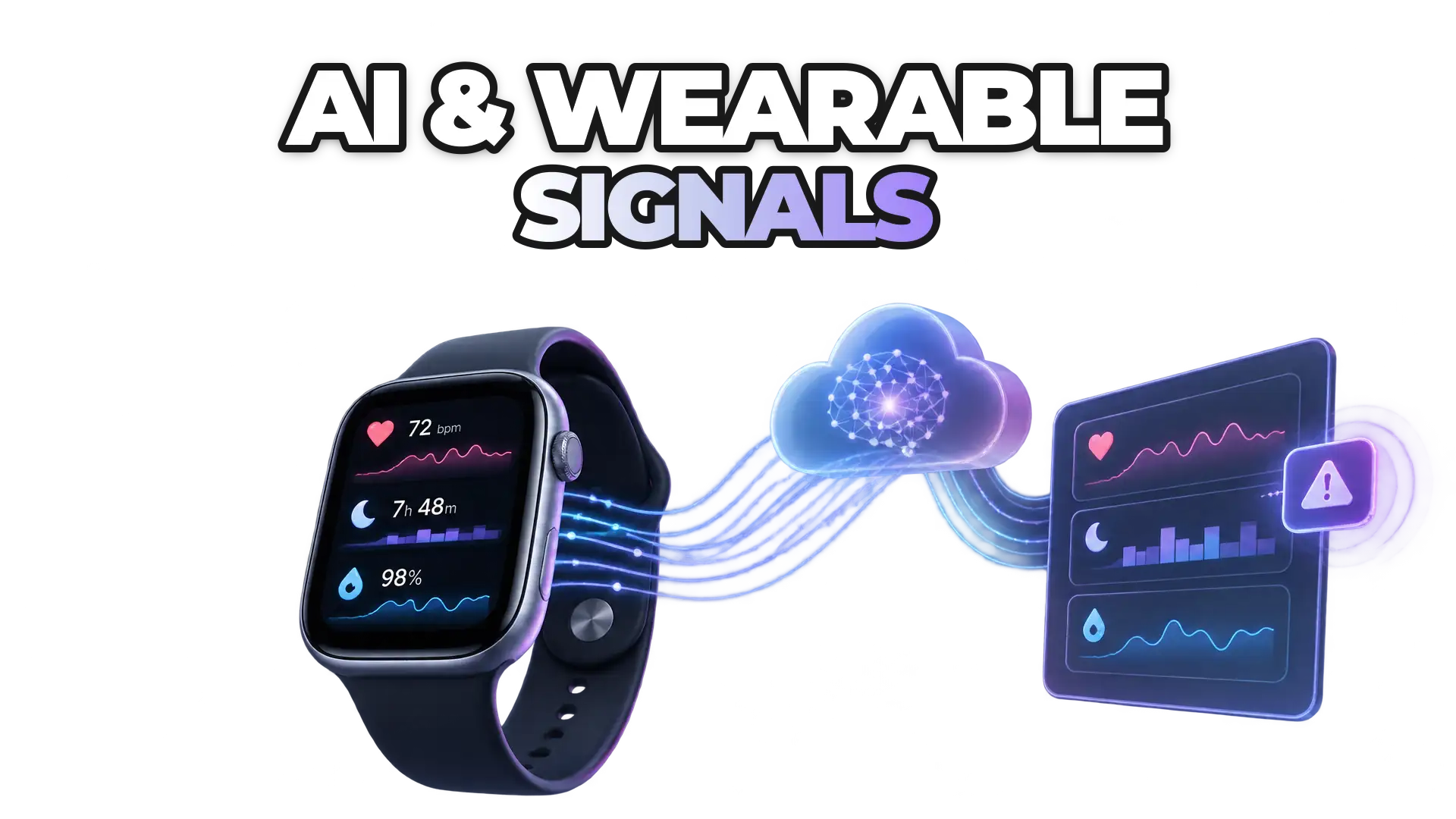
- How can wearable data improve insurance underwriting?How wearable data on activity, sleep and heart rate variability can add a current view of risk to insurance underwriting, and what still stands in the way.Read more
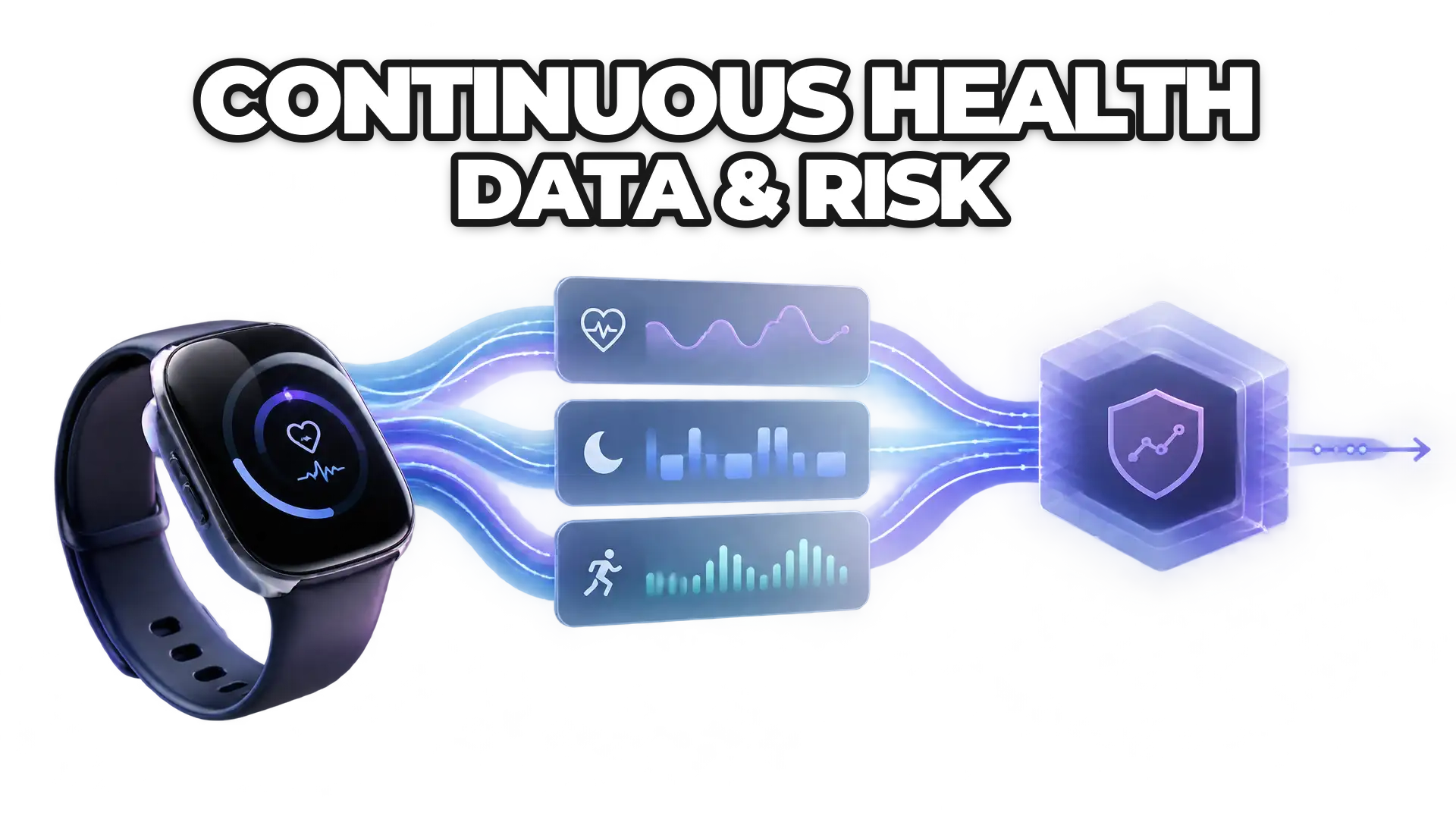
- How Is AI Used in Wearables for Personalized Health?AI turns wearable signals like HRV, sleep stages and activity into personalized wellness, fitness, stress and elderly-care insights. Six applications and their limits.Read more
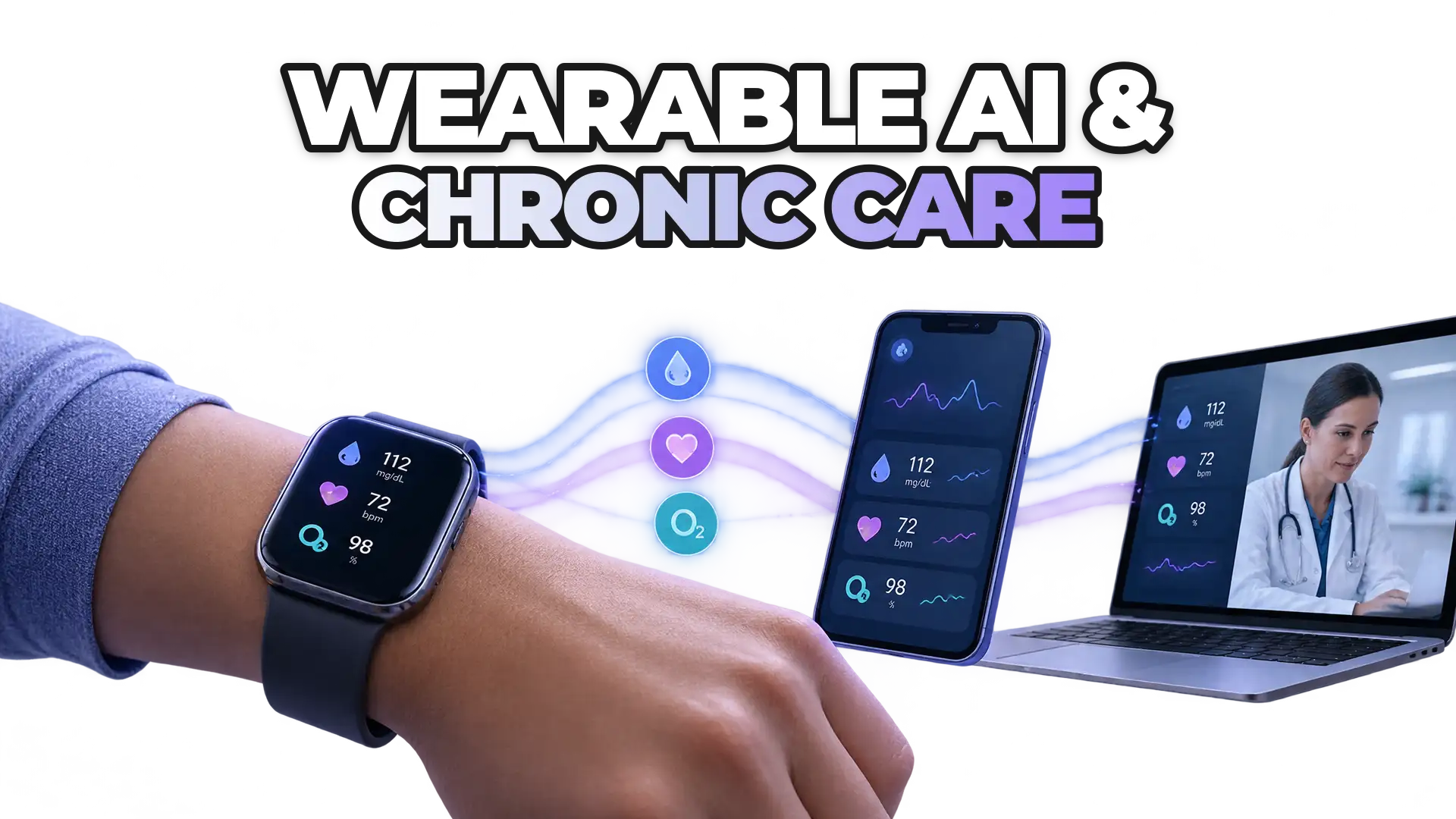
- How Are AI and Wearables Changing Personalized Fitness Coaching?AI models turn wearable signals like HRV, sleep and training load into adaptive plans, feedback and nudges, if the data is clean and standardized across devices.Read more
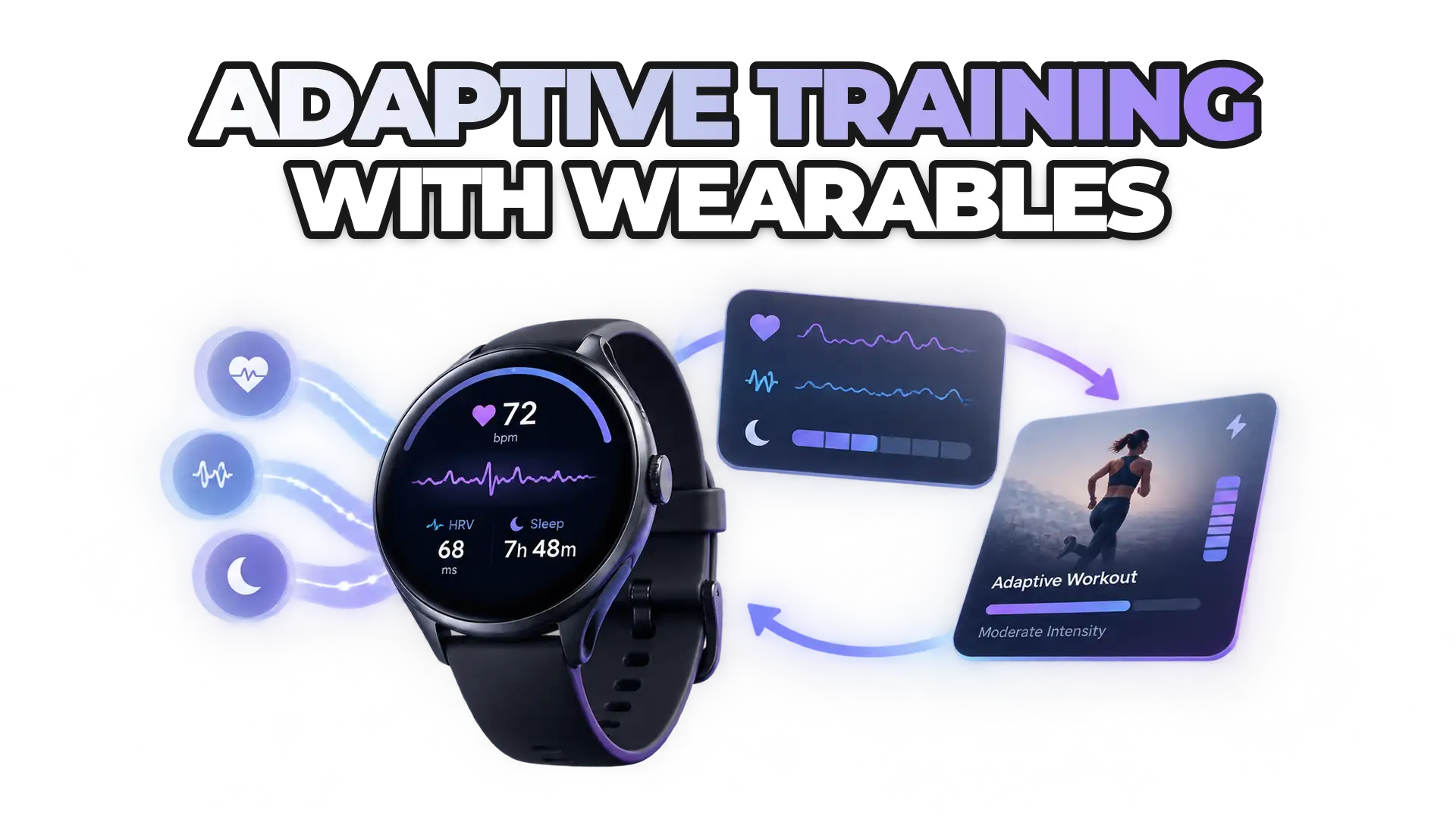
- What Is FHIR and How Does It Unlock Wearable Health Data?FHIR standardizes how health data is structured and exchanged. Here is where wearable data fits in FHIR-based systems and how ROOK prepares it for integration.Read more
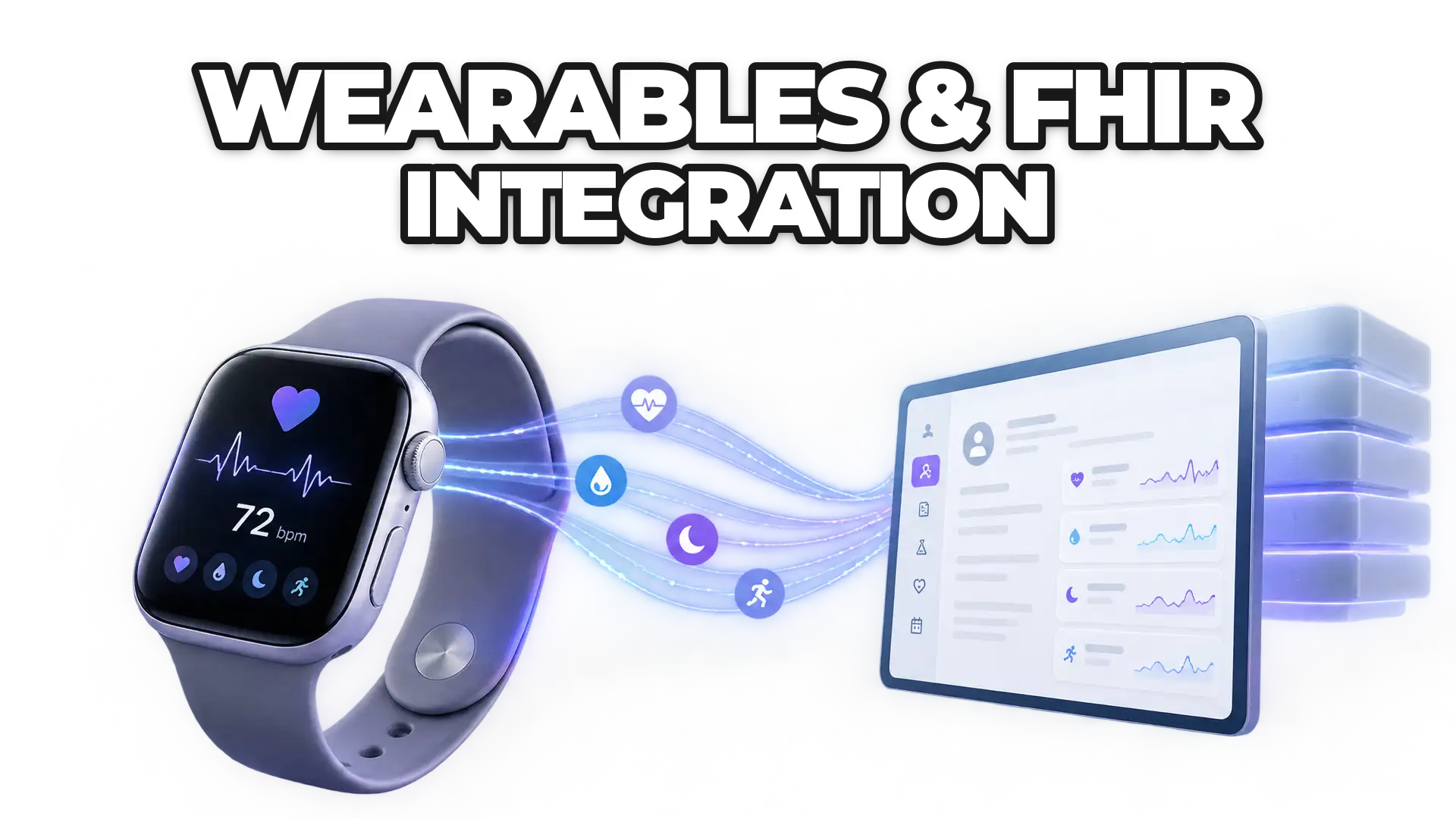
- How Do Wearables Support Menstrual Cycle Tracking?Wearables track temperature, resting heart rate, HRV, breathing, sleep and activity, signals that shift across the menstrual cycle. How cycle estimates work and their limits.Read more
- How do you track and improve HRV with wearables?What heart rate variability (HRV) is, how to measure it consistently with wearables, what affects it, and lifestyle habits that can raise your baseline.Read more
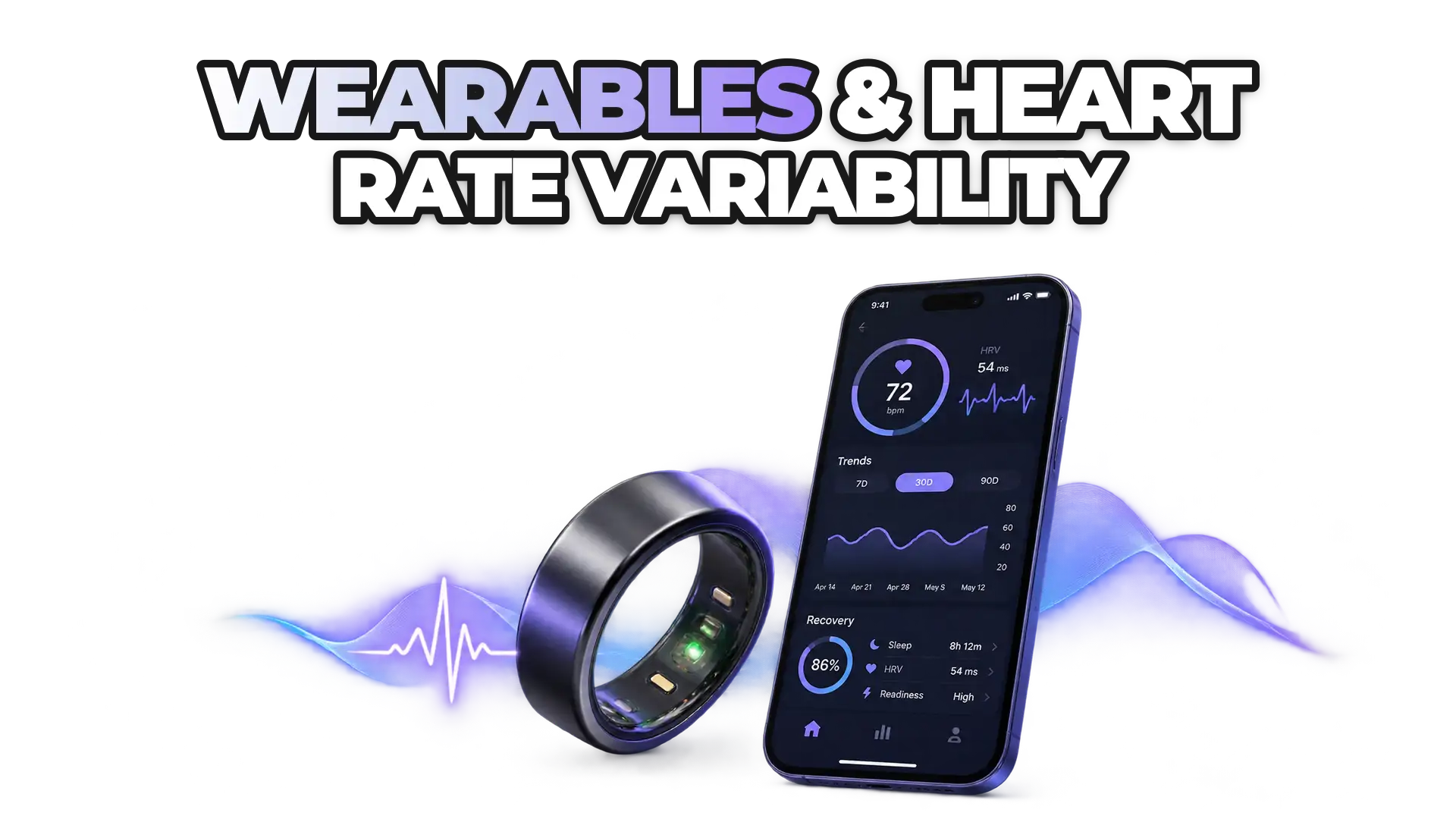
- How Do You Access Health Data from Wearables?Access wearable health data through each manufacturer's API or a unified platform like ROOK, with user consent, privacy safeguards and a plan to use the data.Read more
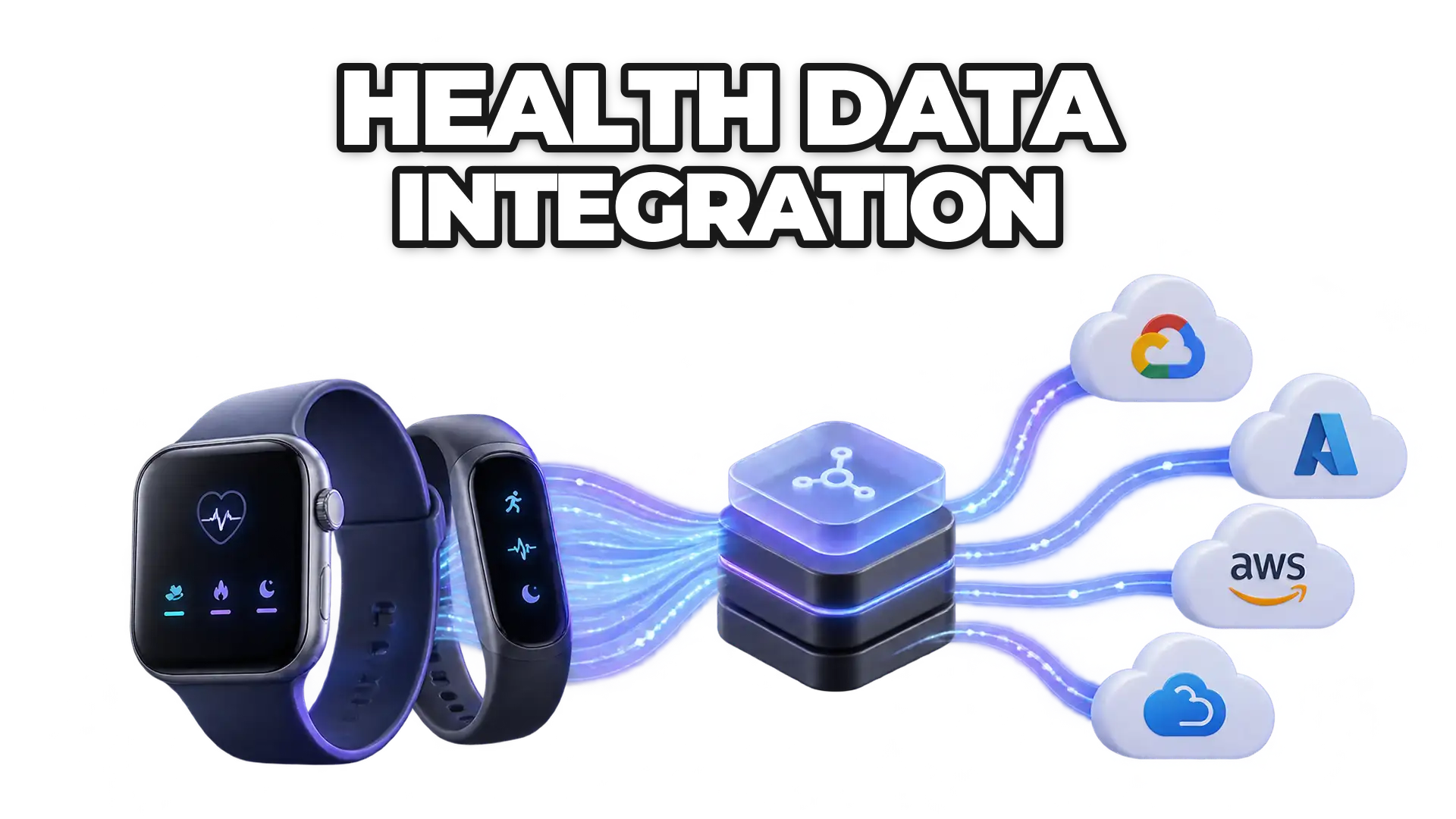
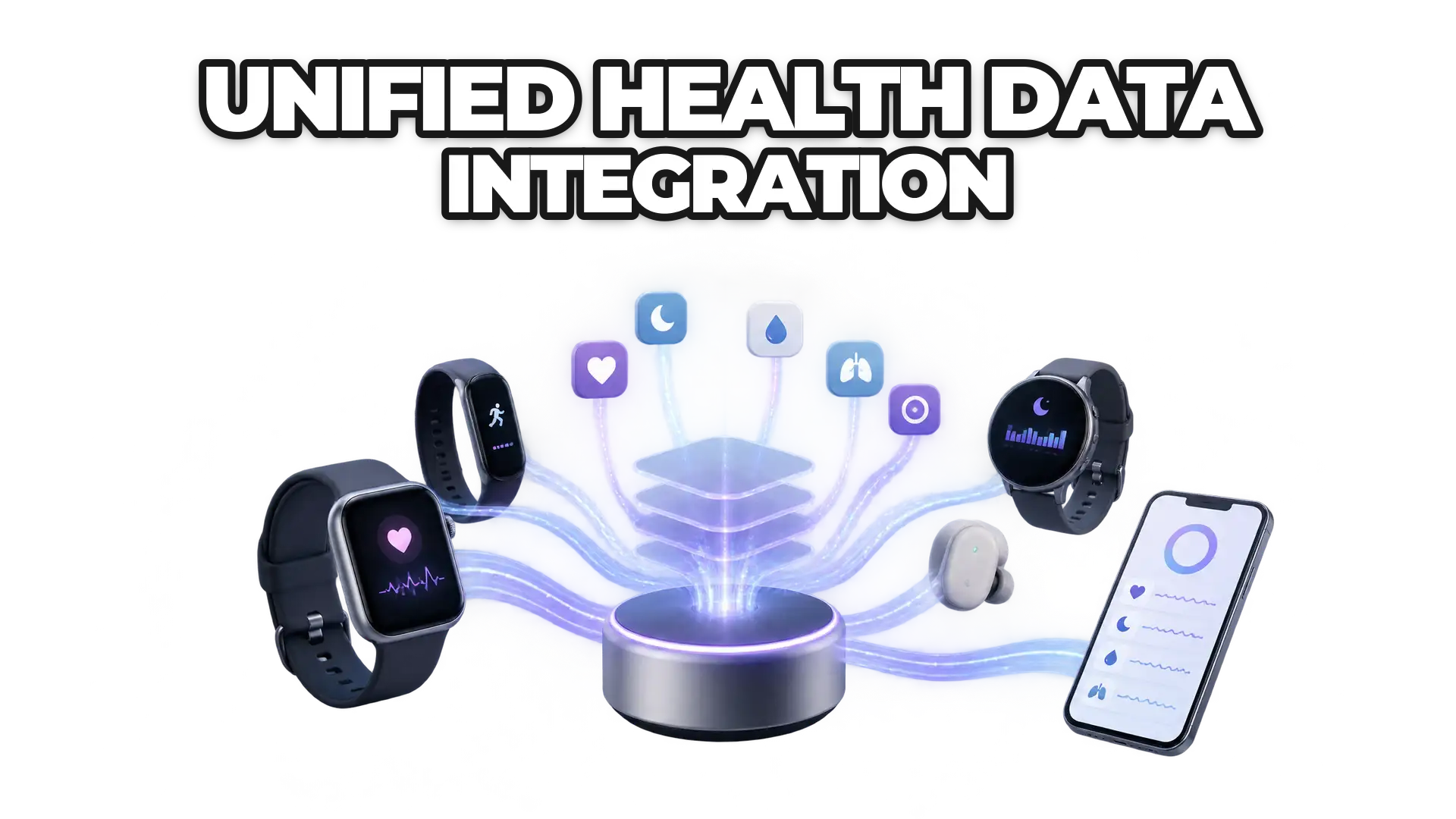
- What is a unified health API, and how does it help personalization?A unified API connects wearables and health apps through one integration, so health and fitness platforms get one data flow for personalization.Read more
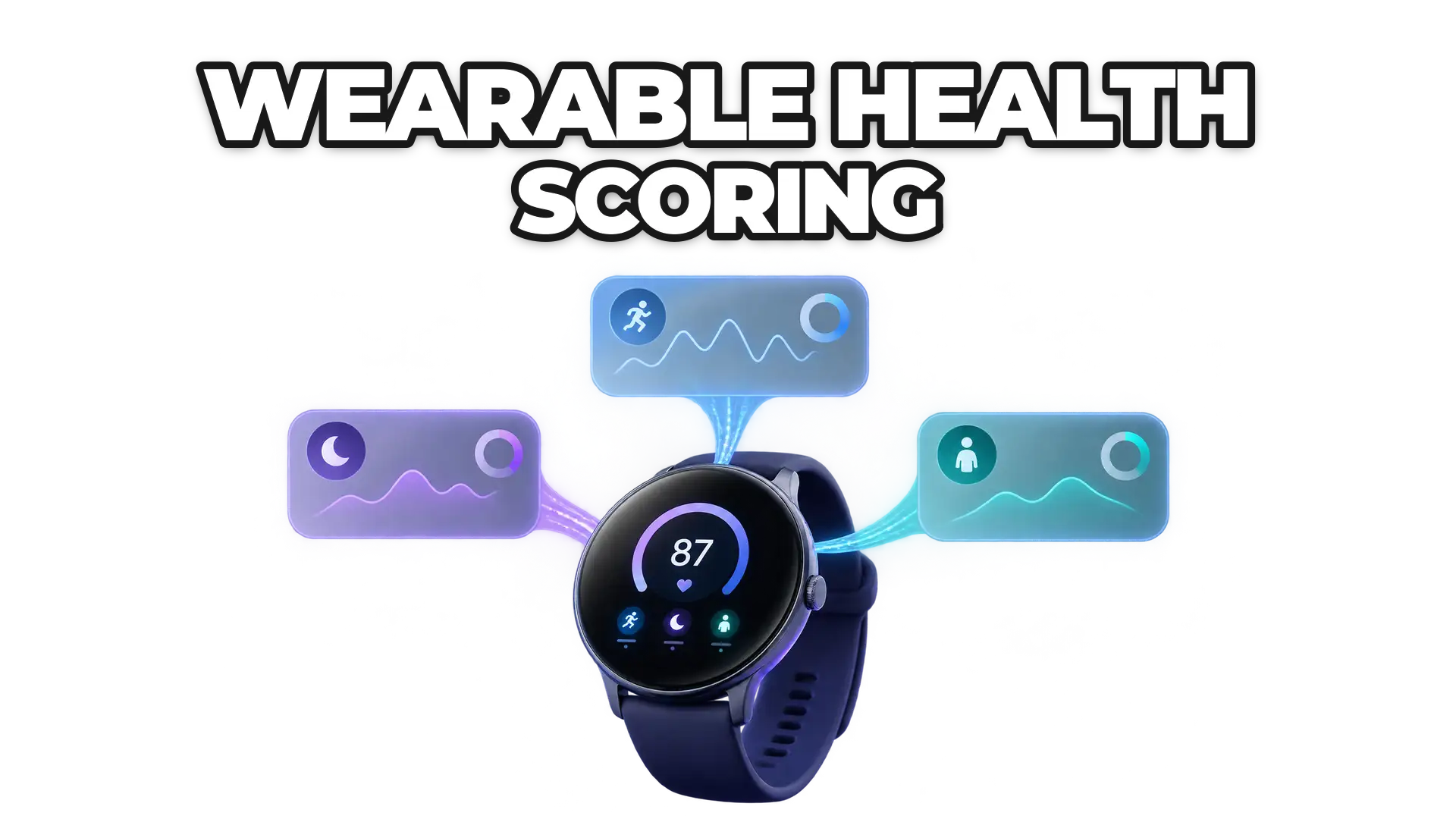
- What Is ROOKScore 2.0 and How Is It Calculated?ROOKScore 2.0 scores Physical, Sleep and Body Health from wearable data on a 0 to 100 scale, plus a global and 7-day score.Read more
- Can Wearable Data Improve Insurance Risk Models?RGA's UK Biobank analysis links walking pace and step counts to mortality risk. Here is what that means for insurers using wearable data.Read more
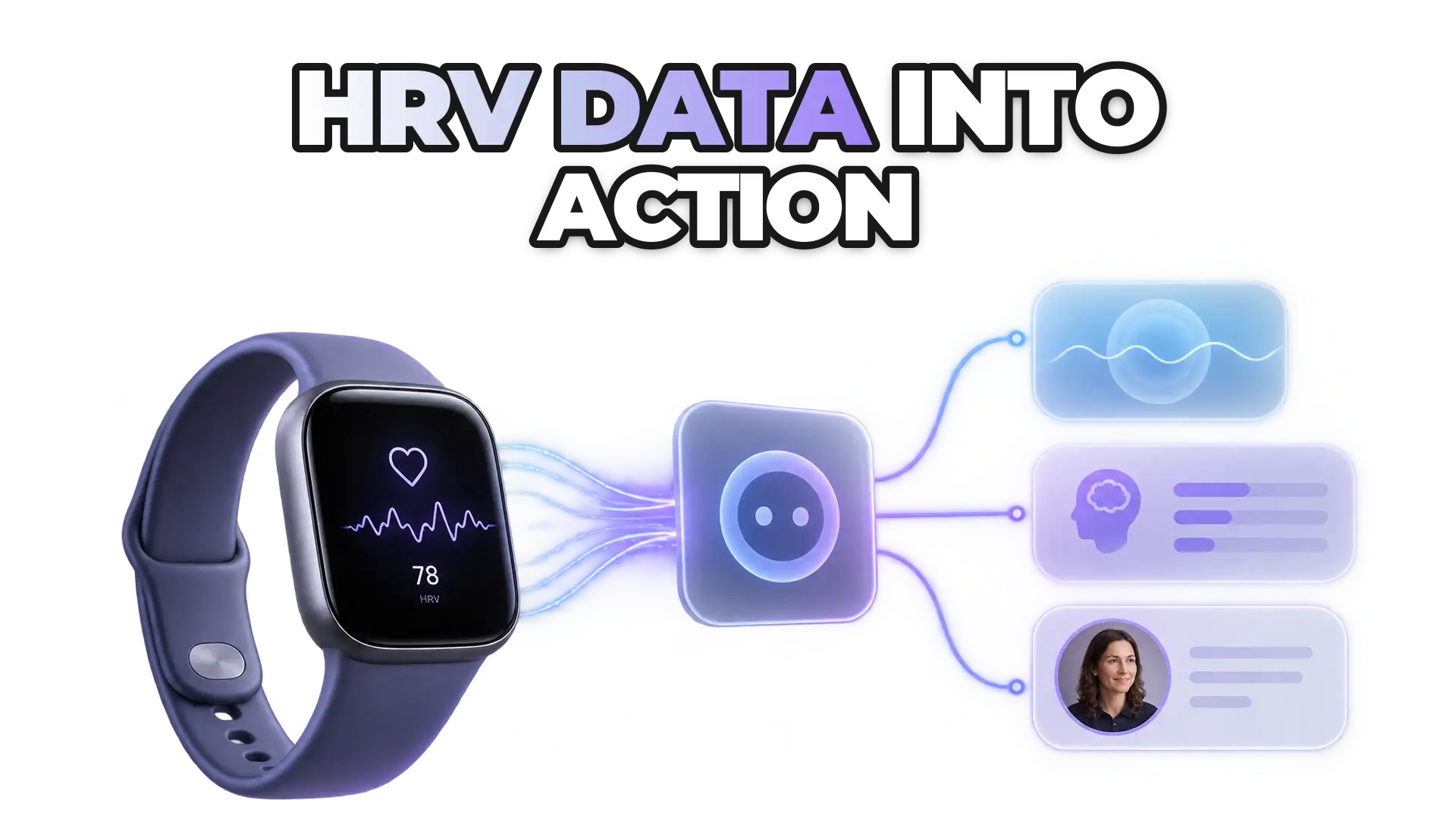
- How can AI agents turn wearable HRV data into early action?How an AI agent can turn a low-HRV signal from a wearable into a guided breathing exercise, coaching nudges or a human escalation.Read more
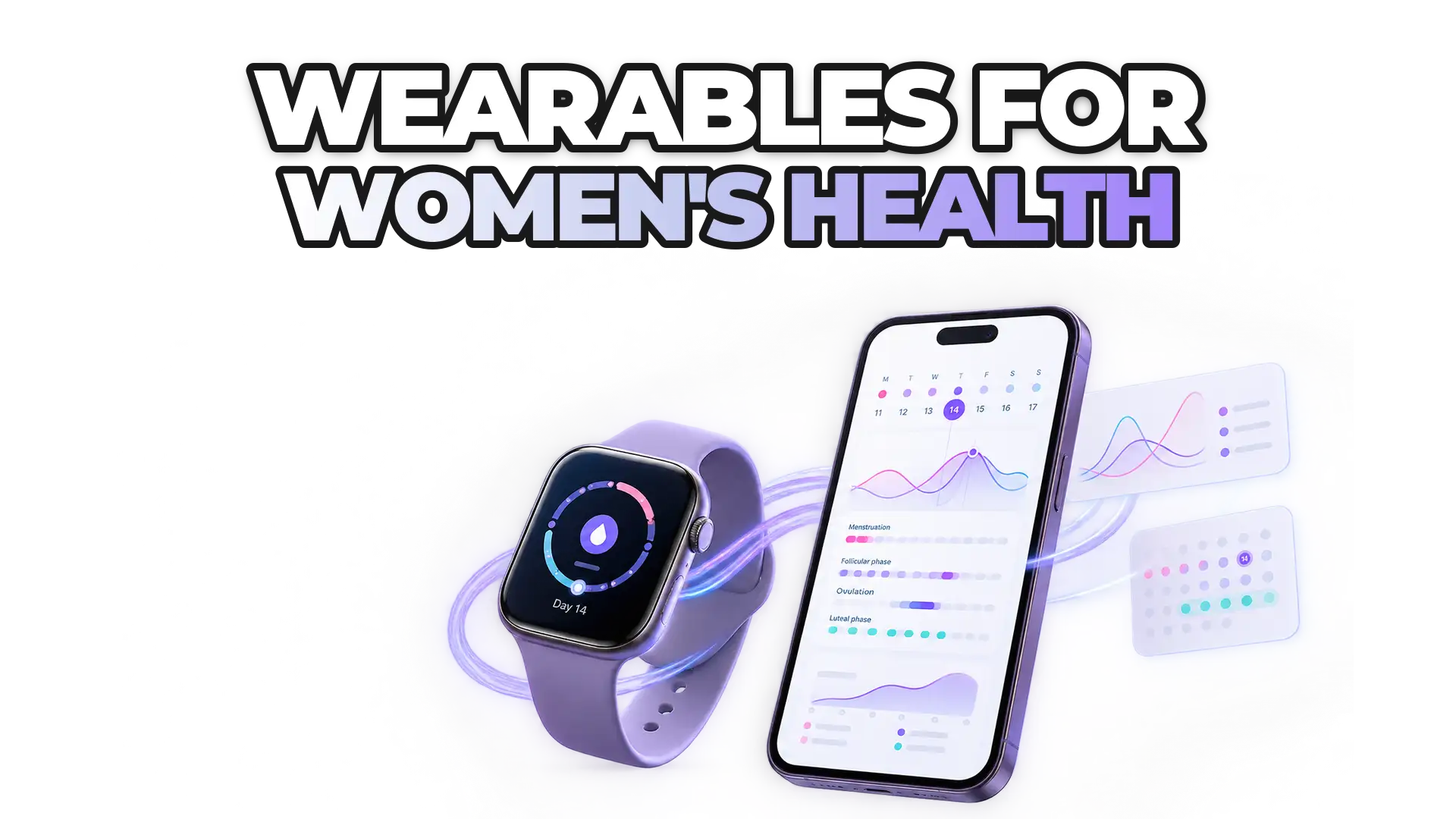
- How Do Wearables Help Women Track Health and Make Informed Decisions?Wearables help women track menstrual cycles, sleep, stress, heart rate and activity, see patterns and share them with healthcare providers. Benefits and limits.Read more
- ROOK joins the Tampa Bay Wave TechDiversity AcceleratorROOK joined the Tampa Bay Wave TechDiversity Accelerator, gaining mentors, go-to-market feedback and investor access to grow its health data platform.Read more
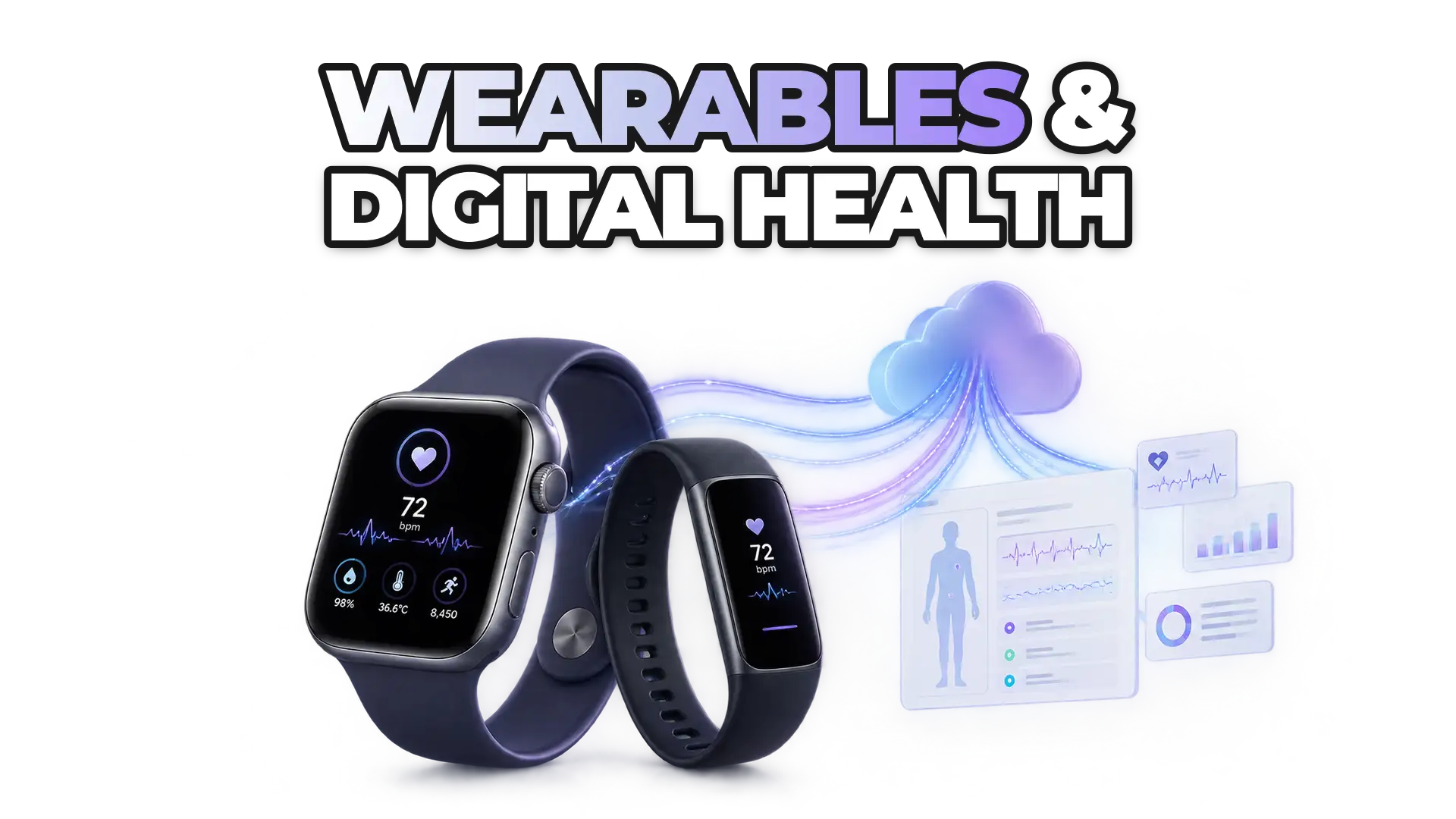
- Why Integrate Hundreds of Wearables Through a Single API?Integrating each wearable separately means many SDKs, formats and updates. A single API consolidates device data into one standardized workflow.Read more
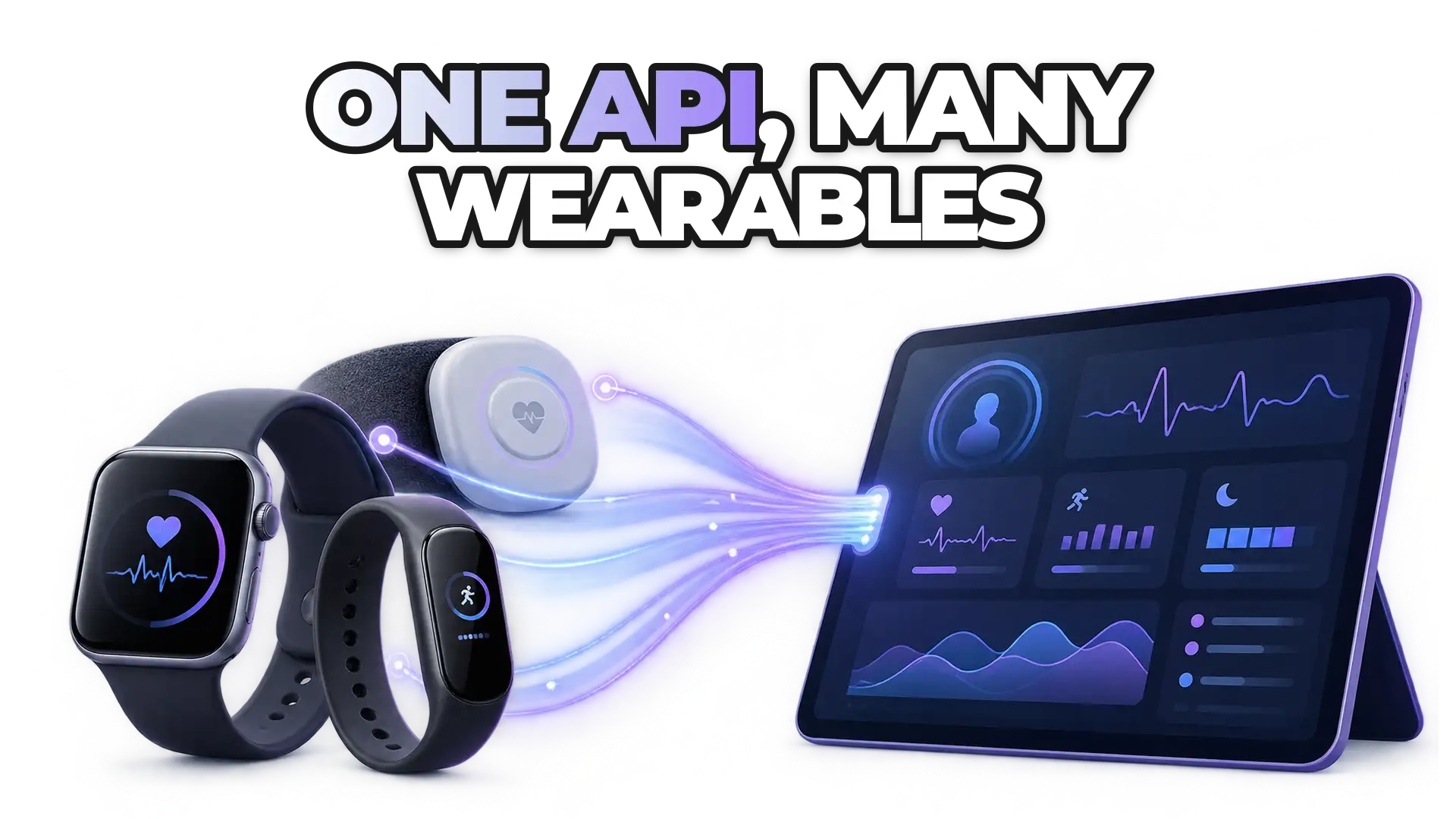
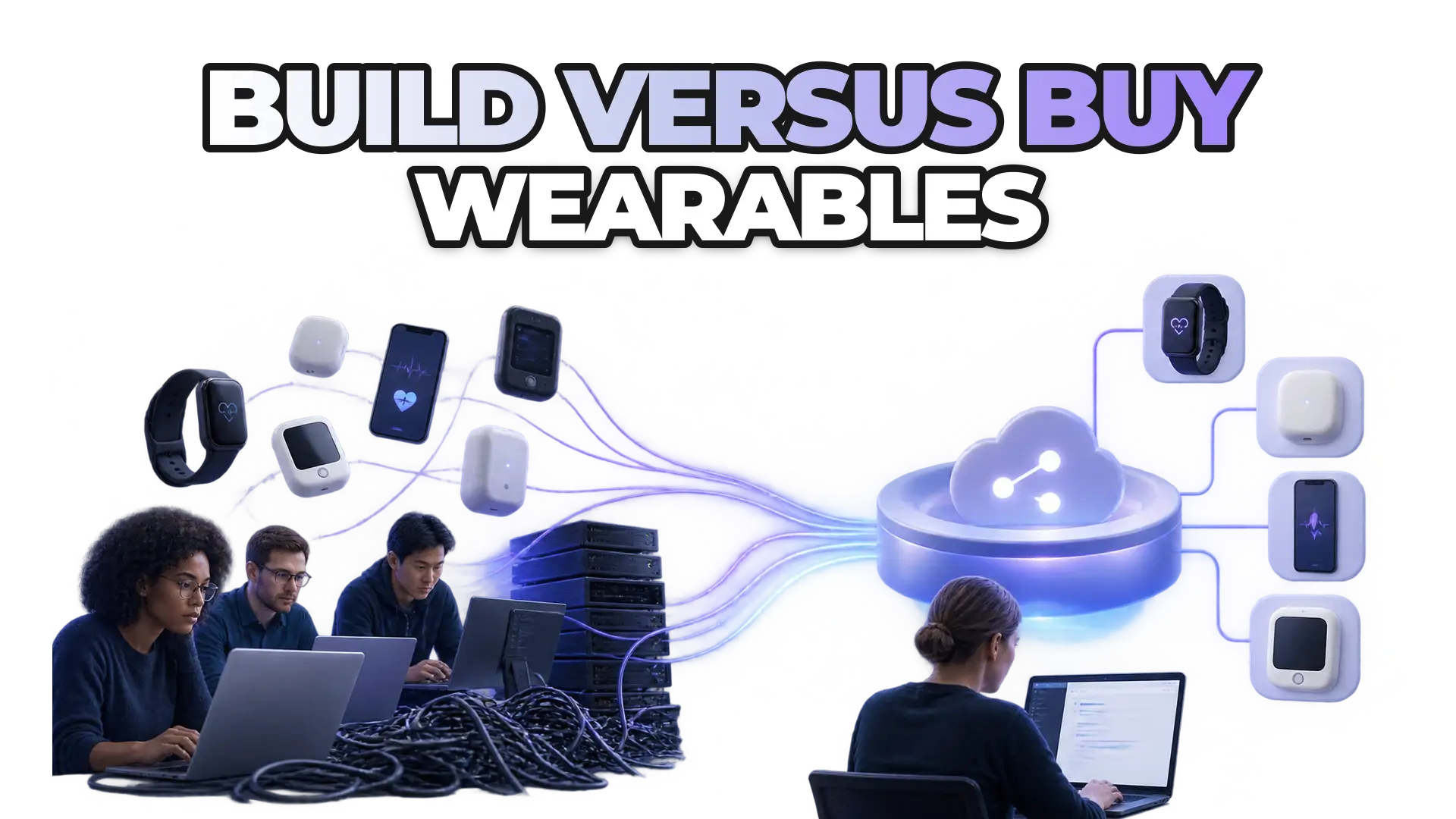
- Is ROOK Cheaper Than Building Wearable Integrations In-House?A cost comparison of building wearable integrations in-house versus using ROOK, with the strategic upside for insurance, healthcare and fitness.Read more
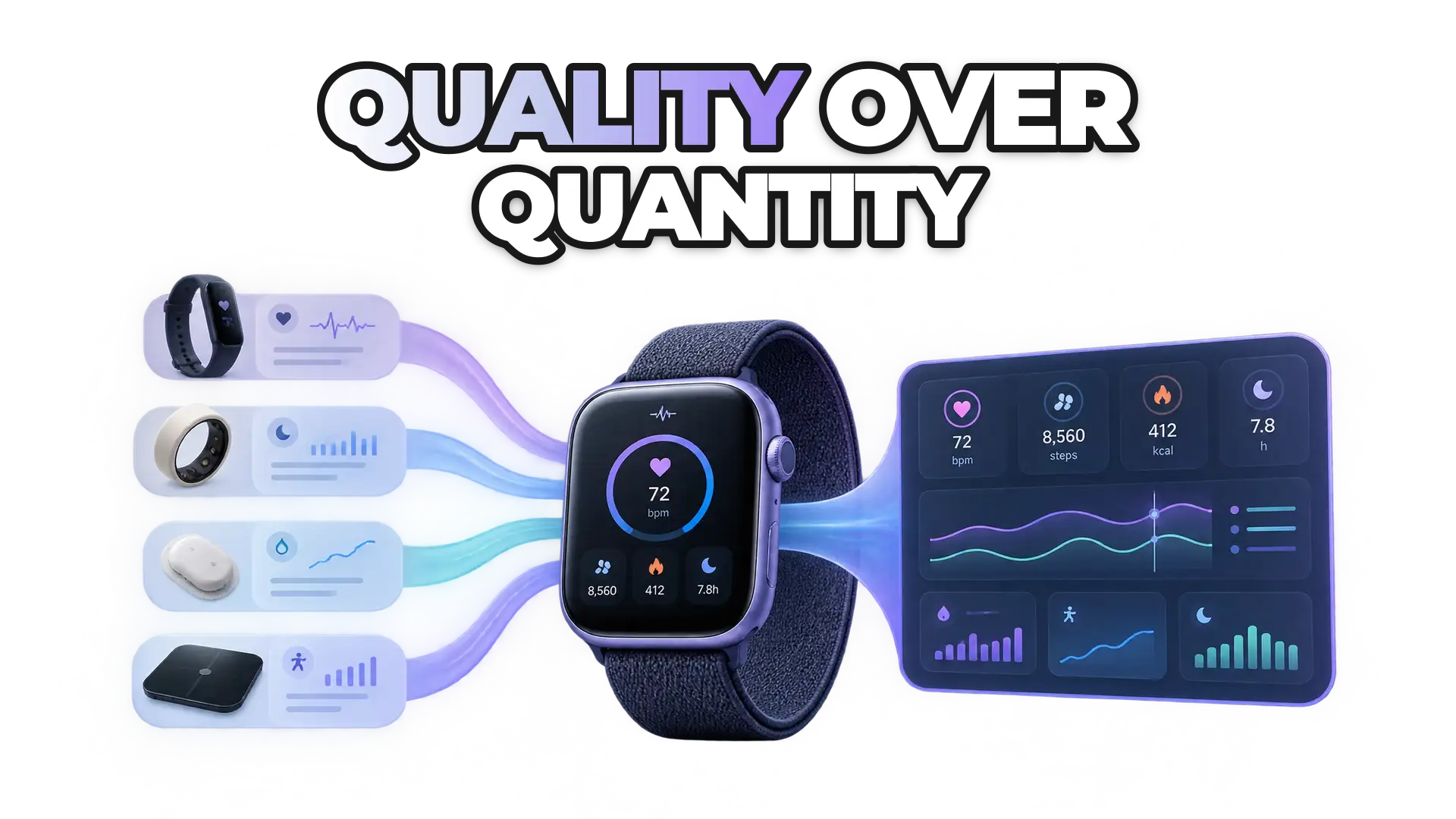
- Why Does Health Data Quality Matter for Digital Health?Wearable data is only useful when it is complete, consistent, standardized, validated and contextualized. Here is why, and what that takes.Read more
- What Do Hyperhuman and ROOK Deliver Together in Club App 2.0?Hyperhuman's Club App 2.0 is an AI-powered branded fitness app integrated with ROOK, so plans adapt to each member's wearable data.Read more
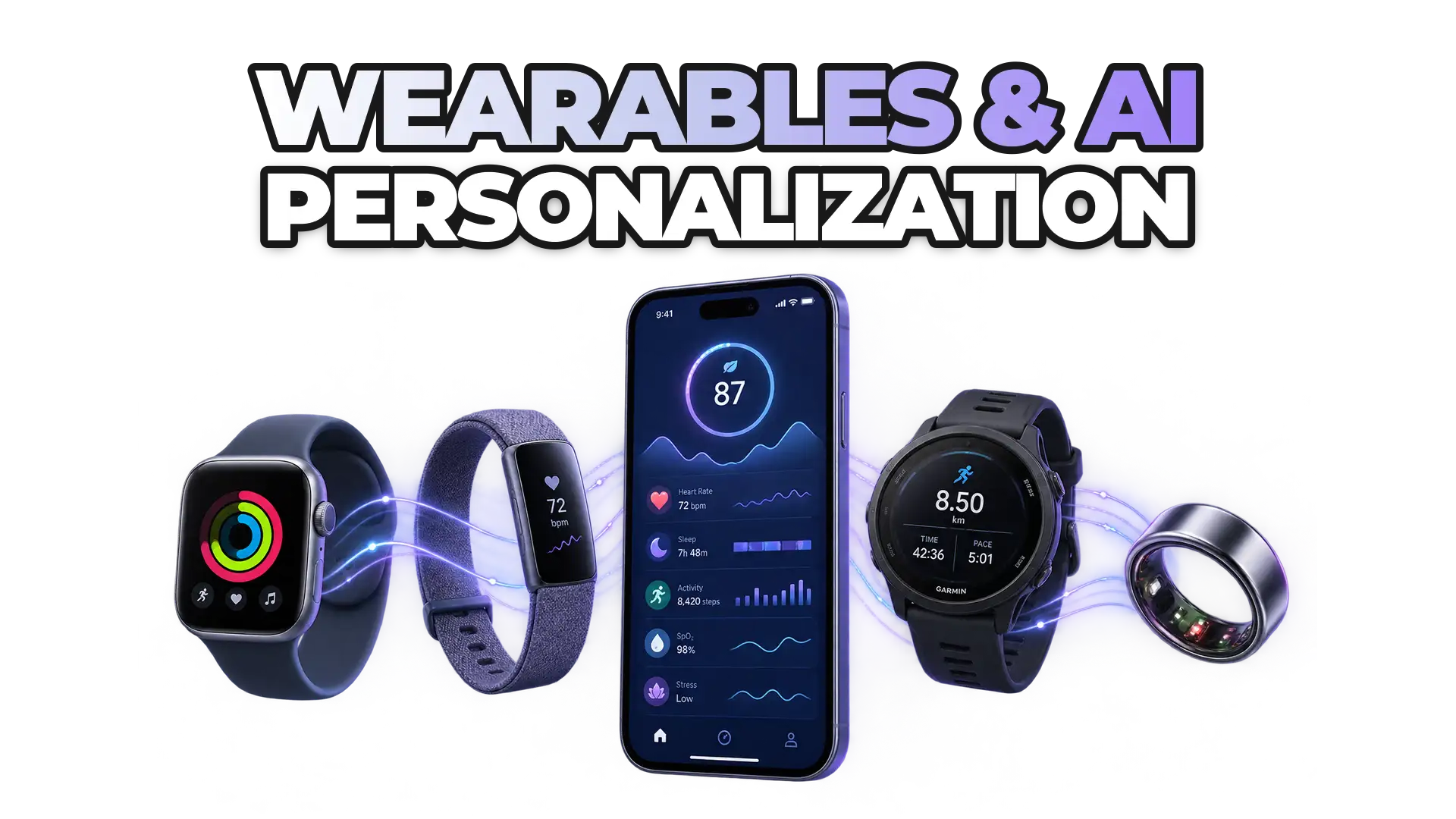
- Scape and ROOK partner on personalized wellness with health dataScape, an in-home spa service, partnered with ROOK in 2024 to use wearable health data to personalize its wellness experiences.Read more
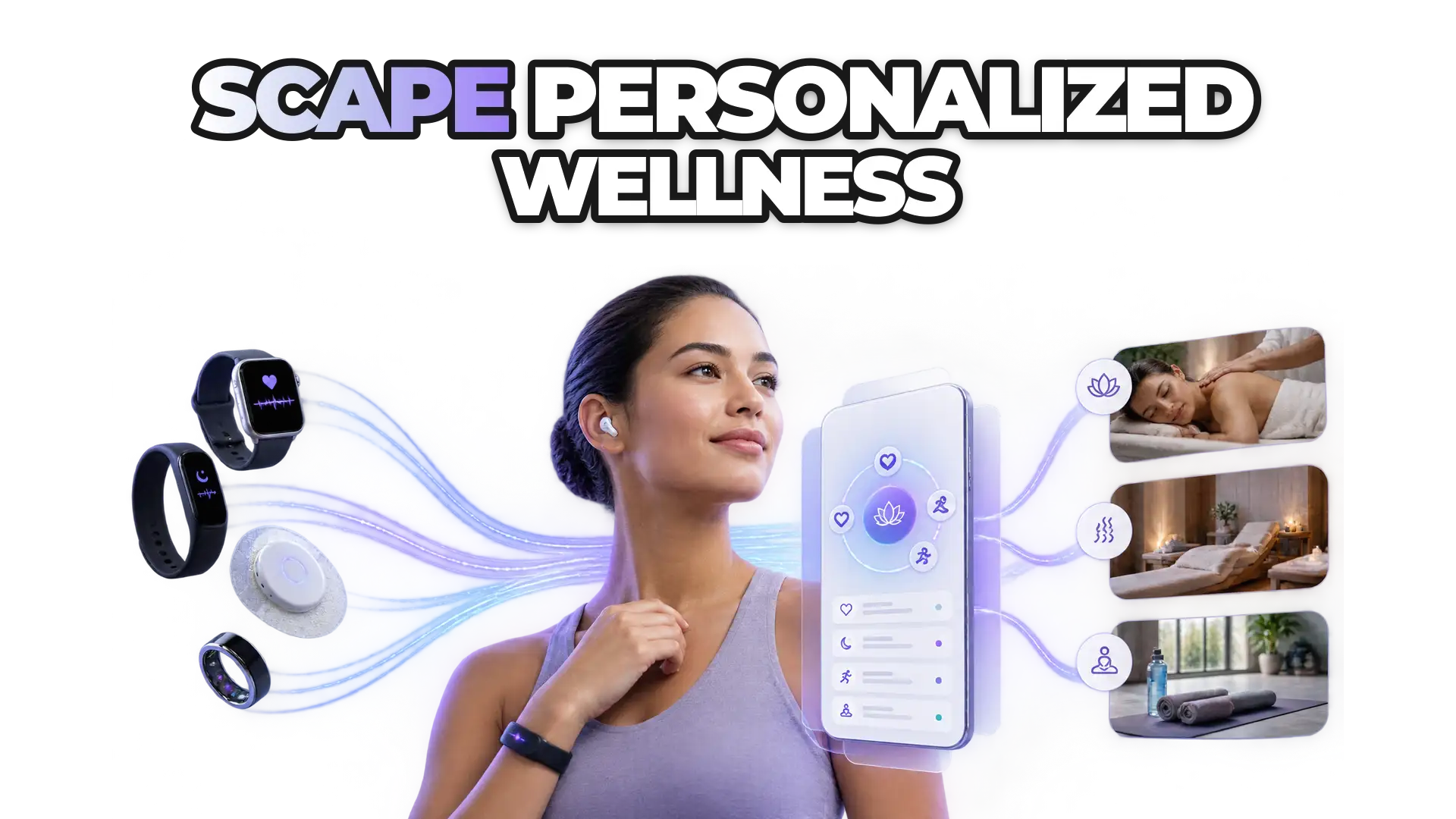
- How are wearables used in clinical trials and digital health?How wearables support continuous data collection, remote participation and digital endpoints in clinical trials, and how a unified API helps.Read more
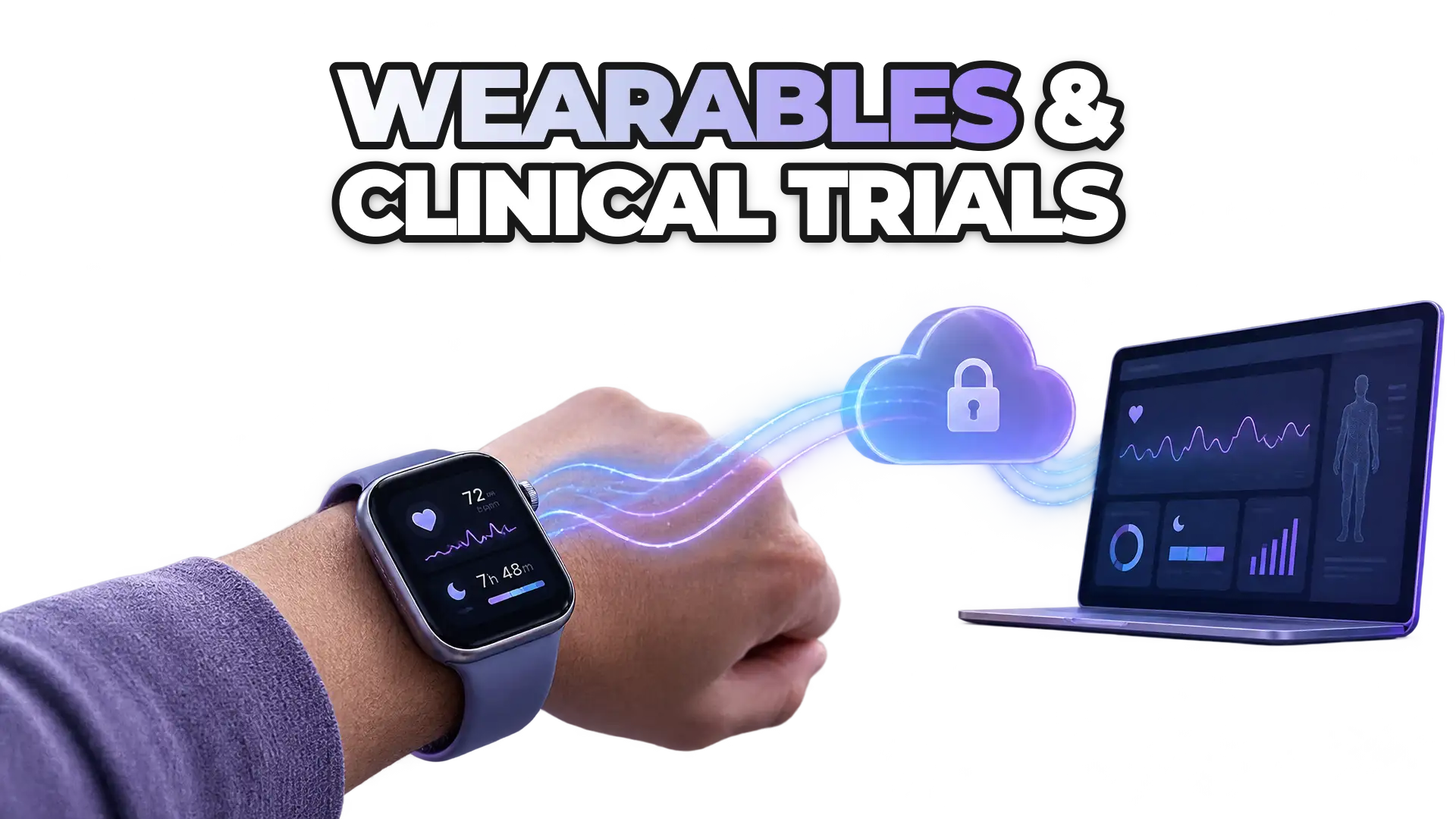
- What Is Wearable Data Worth Beyond Steps? From Metrics to InsightsWearable data now covers heart rate, sleep, SpO2, temperature, ECG and HRV. How that data supports research, prevention and personalized digital health, and ROOK's role.Read more
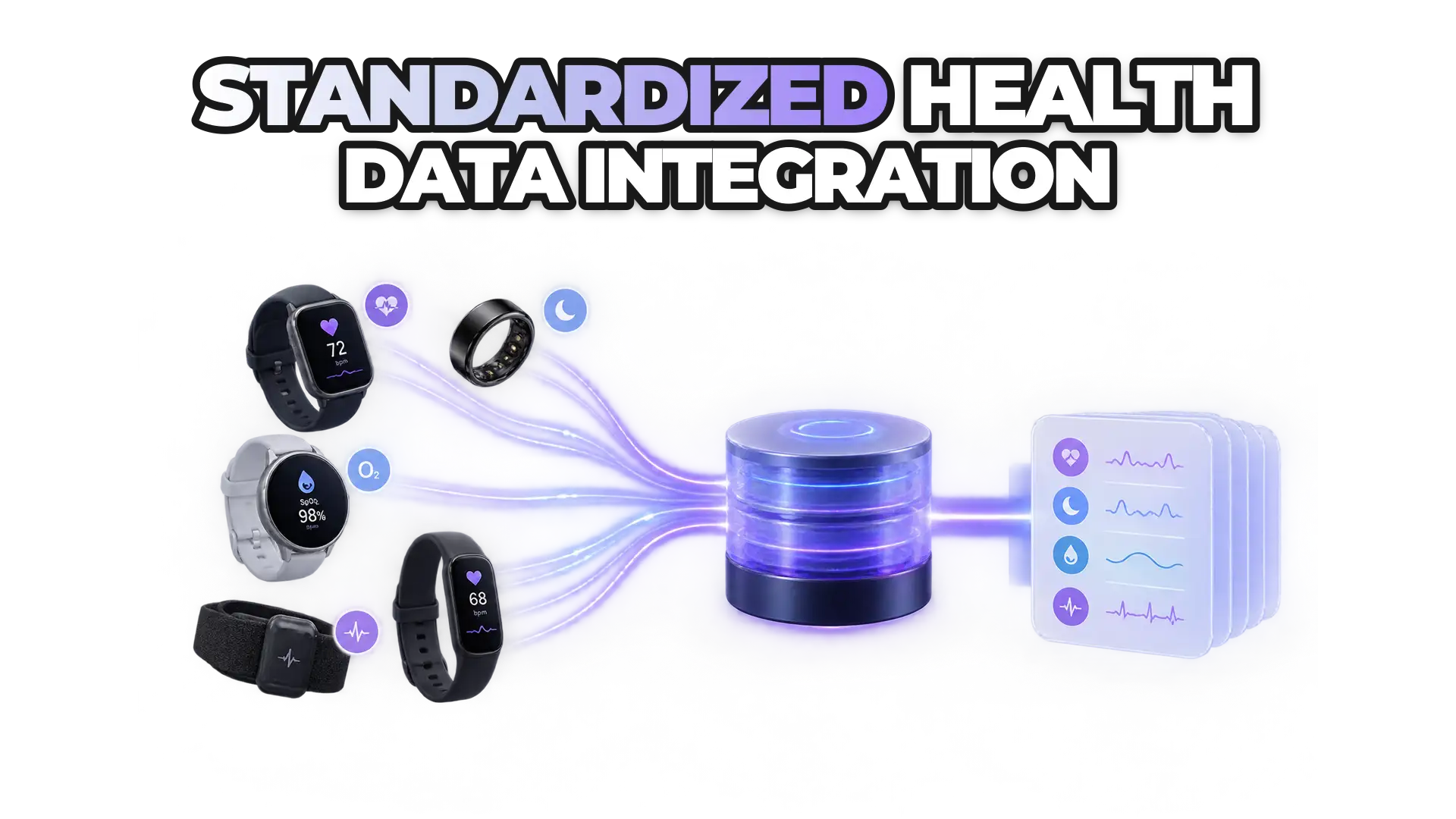
- How Does Wearable Data Give Digital Health a Competitive Edge?Wearable data becomes a competitive edge when digital health, wellness and insurance products turn it into decisions: monitoring, adaptive training and risk segmentation.Read more
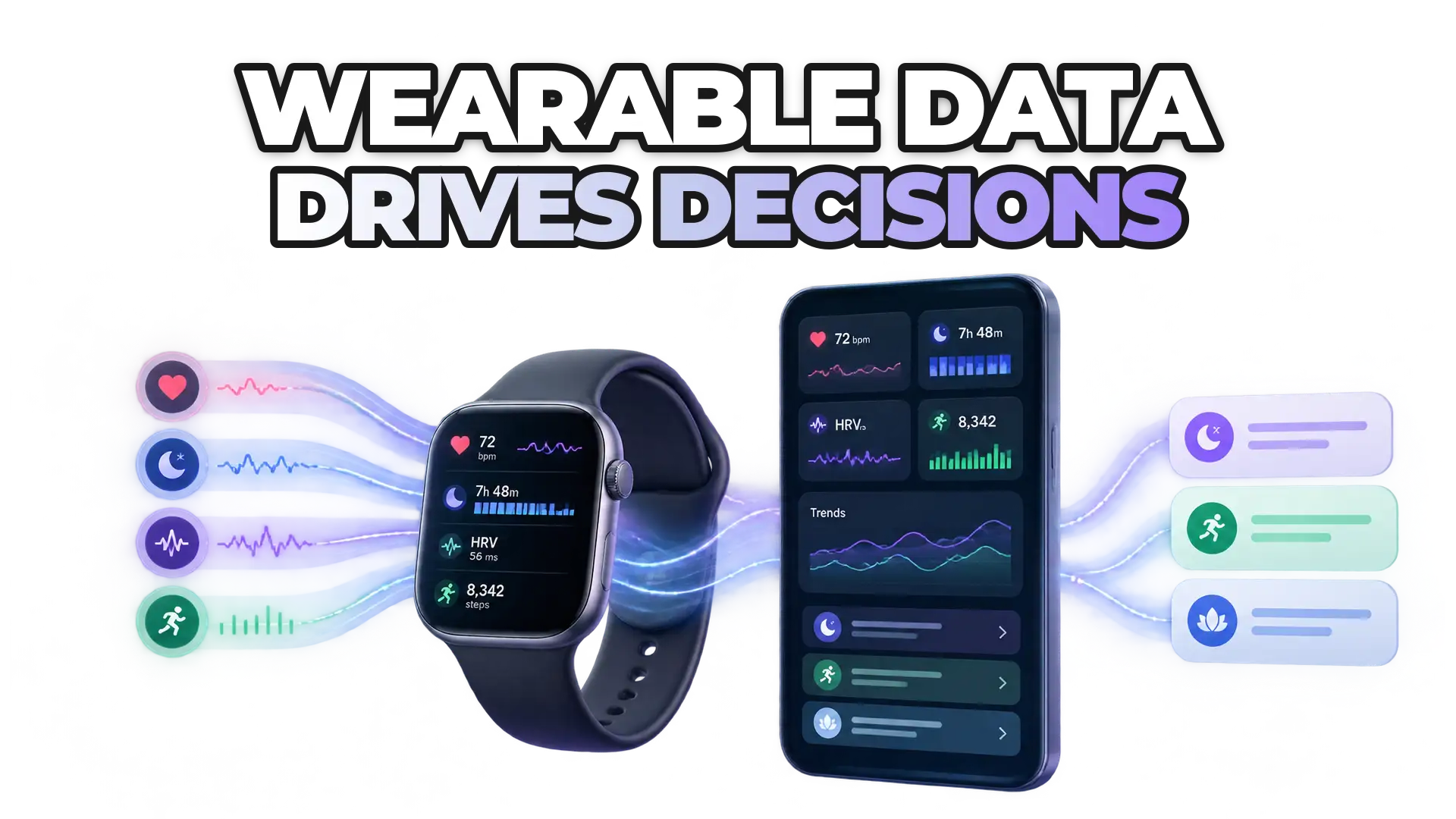
- Which Wearable Data Types Matter? Activity, Sleep, HRV and MoreThe wearable data types that matter most are activity, sleep, HRV, body temperature, heart rate, SpO2 and respiration. What each measures and how ROOK unifies them in one API.Read more
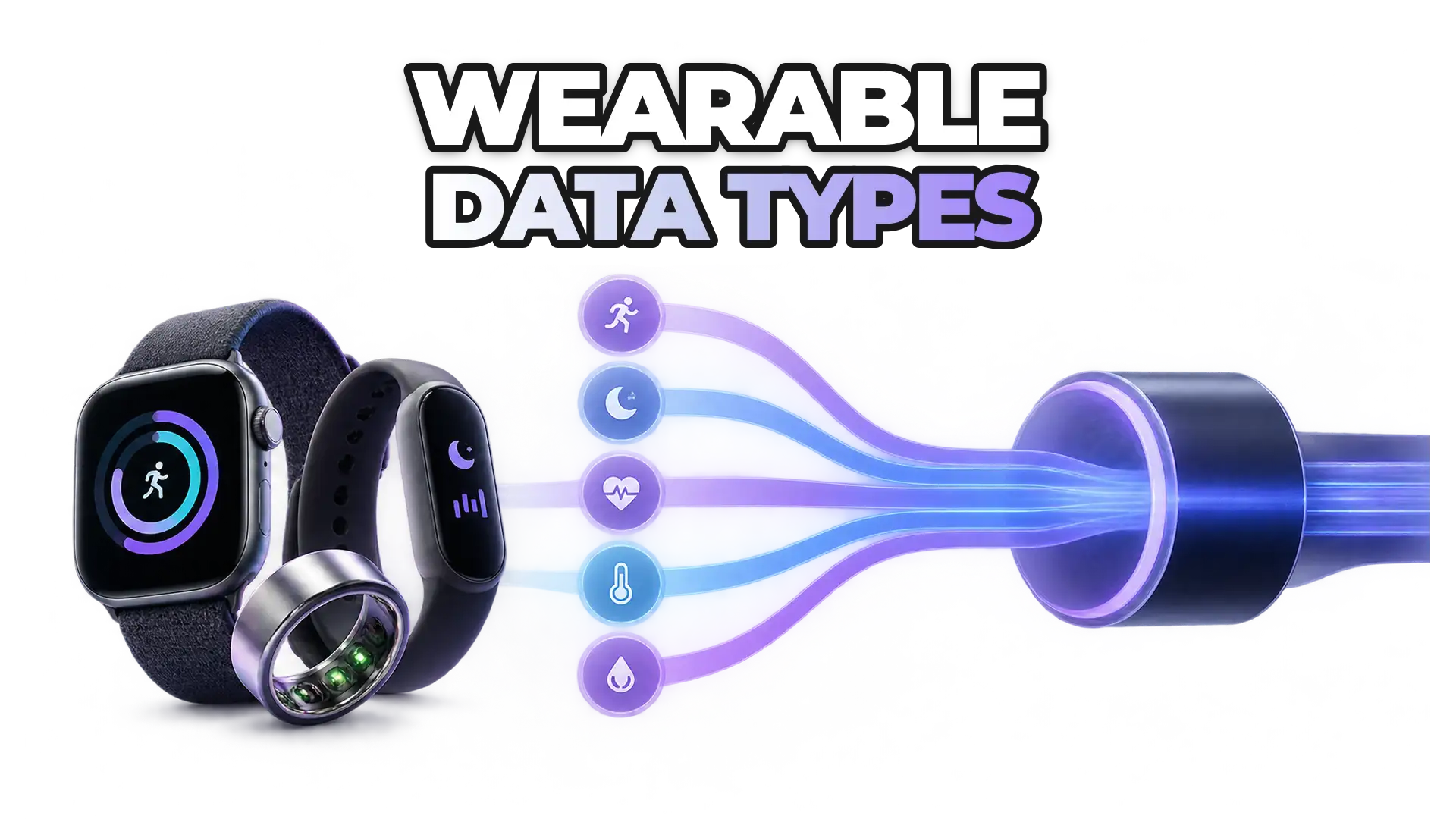
- What Is the Problem with Direct Wearable Integrations?Direct wearable integrations bring technical complexity, constant maintenance and poor scalability. ROOK replaces them with one standardized integration.Read more
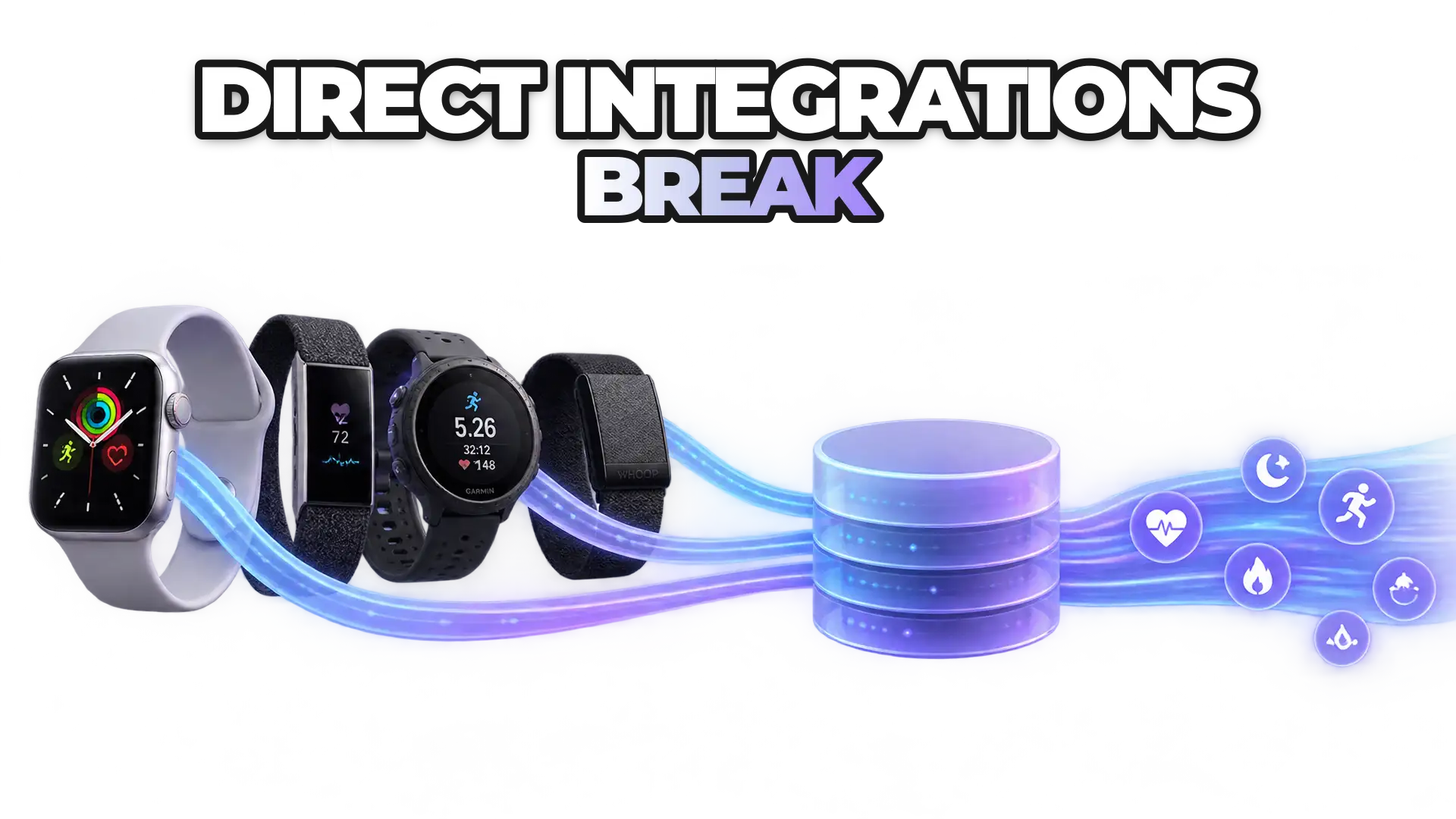
- What Makes Wearable Health Data Actionable? ROOK’s ApproachActionable wearable data is accurate, processed, contextualized and standardized, ready to trigger a decision. How ROOK turns raw wearable signals into insight-ready data.Read more
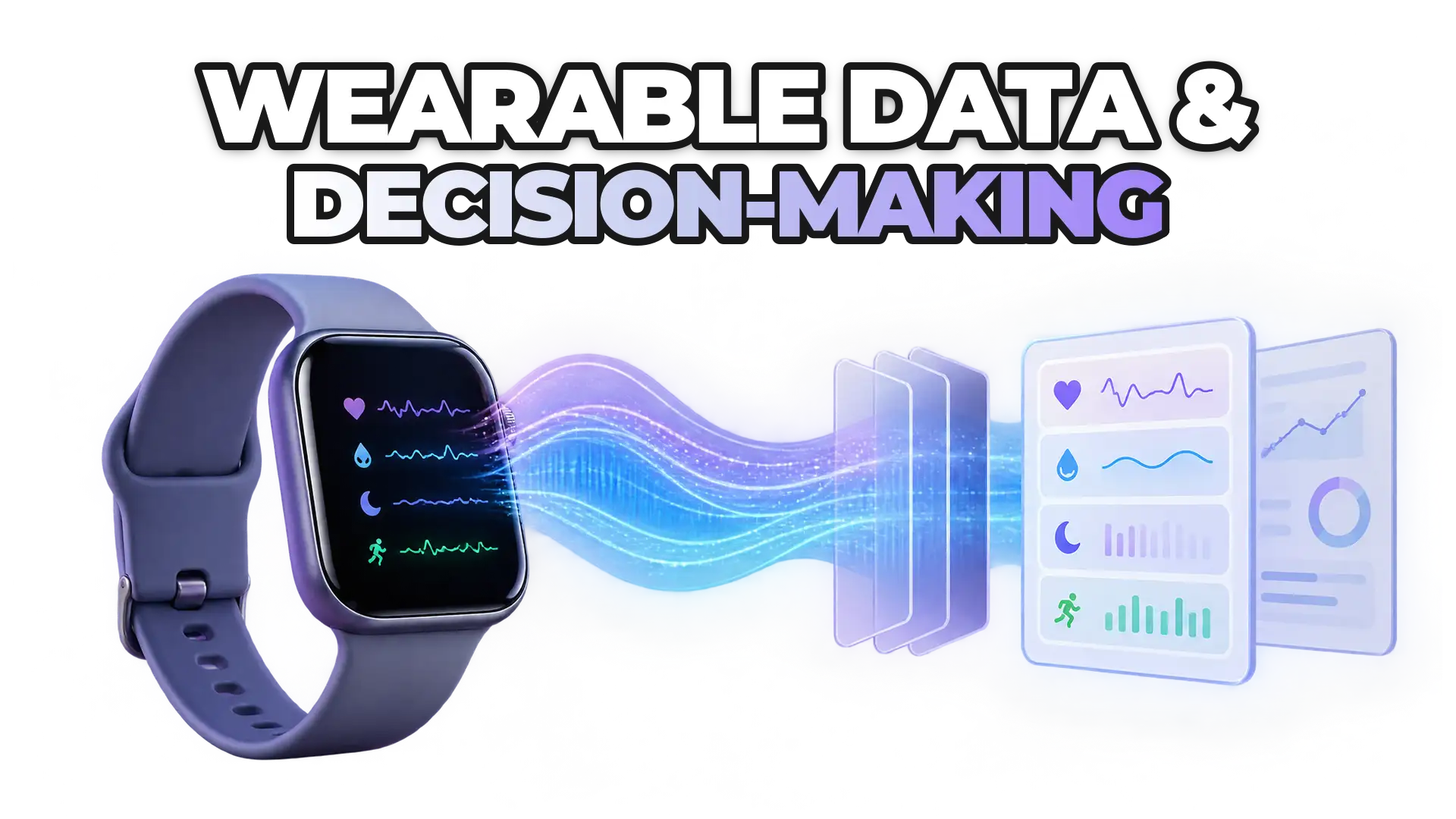
- Should you build wearable data integration in-house or buy it?Compare building wearable data integration in-house with using a third-party platform like ROOK, including the insurance use case and the ThyForLife case.Read more
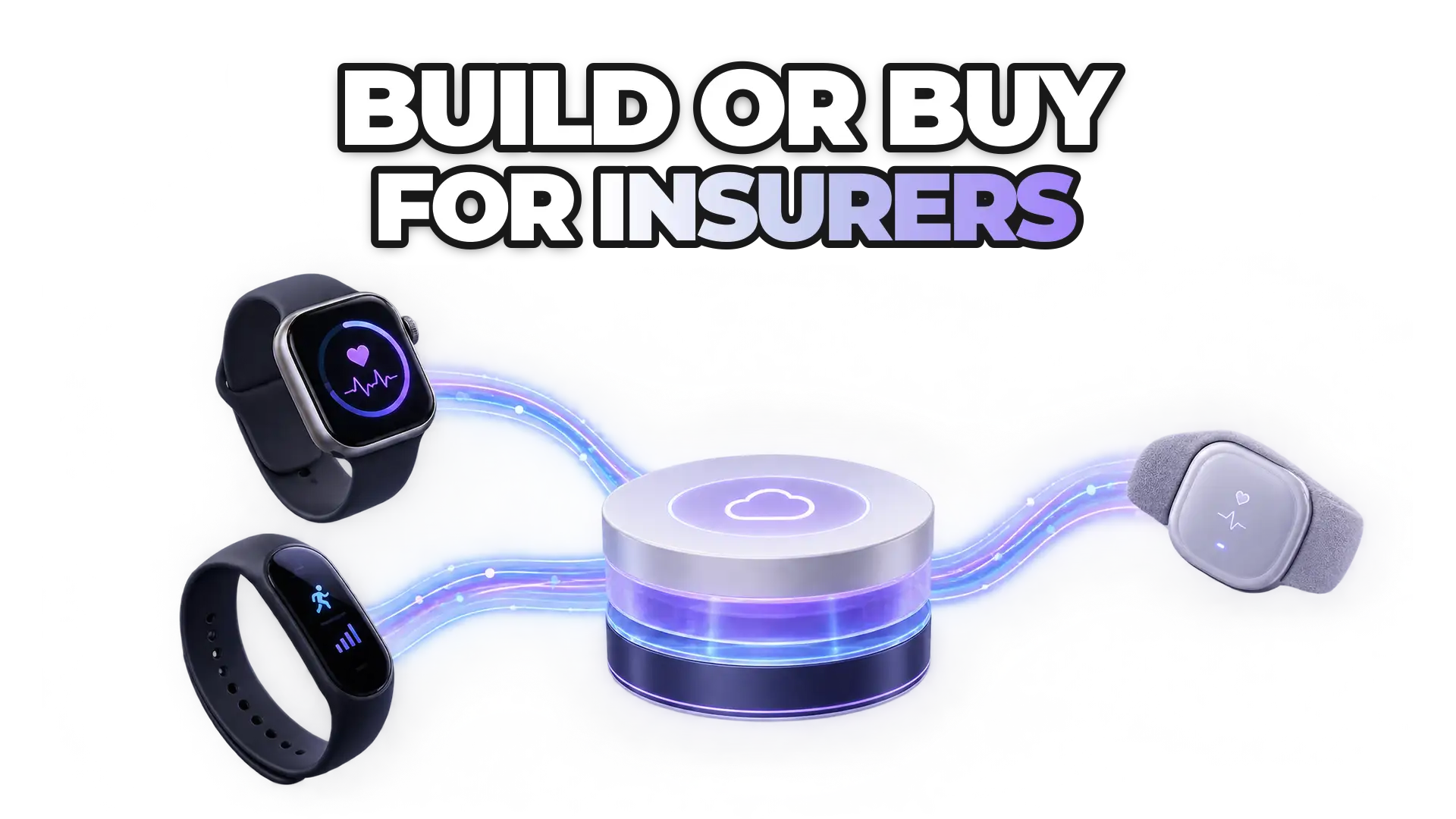
- What Are the Challenges of Using Wearable Data in Insurance?Insurers using wearable data must handle accuracy gaps, inconsistent formats, privacy, legacy integration and consent. Strategies to address each challenge.Read more
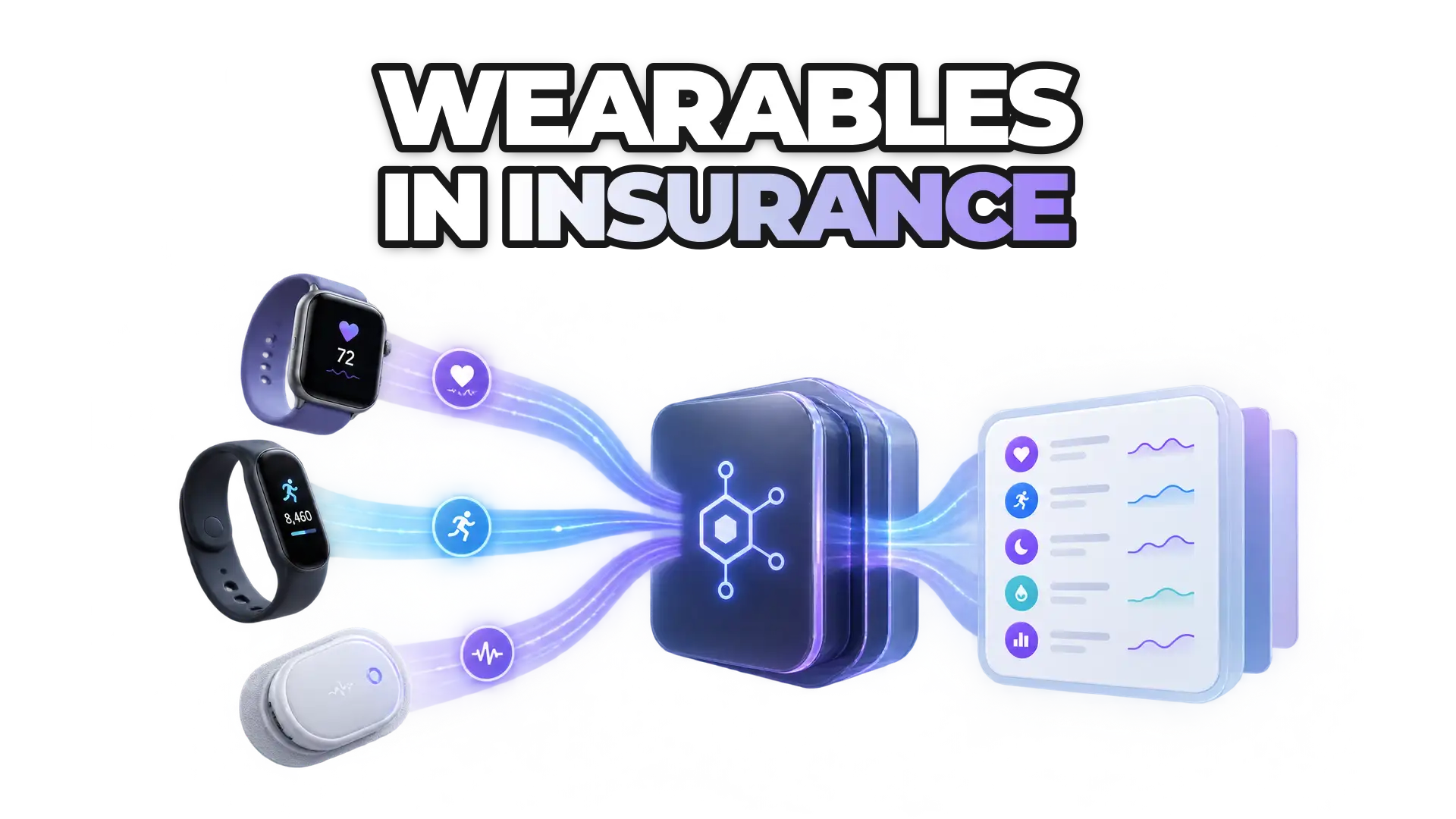
- How Is Predictive Analytics Changing the Insurance Industry?How predictive analytics and digital-first strategies change insurance risk assessment, premium pricing, sales, underwriting, and claims processing.Read more
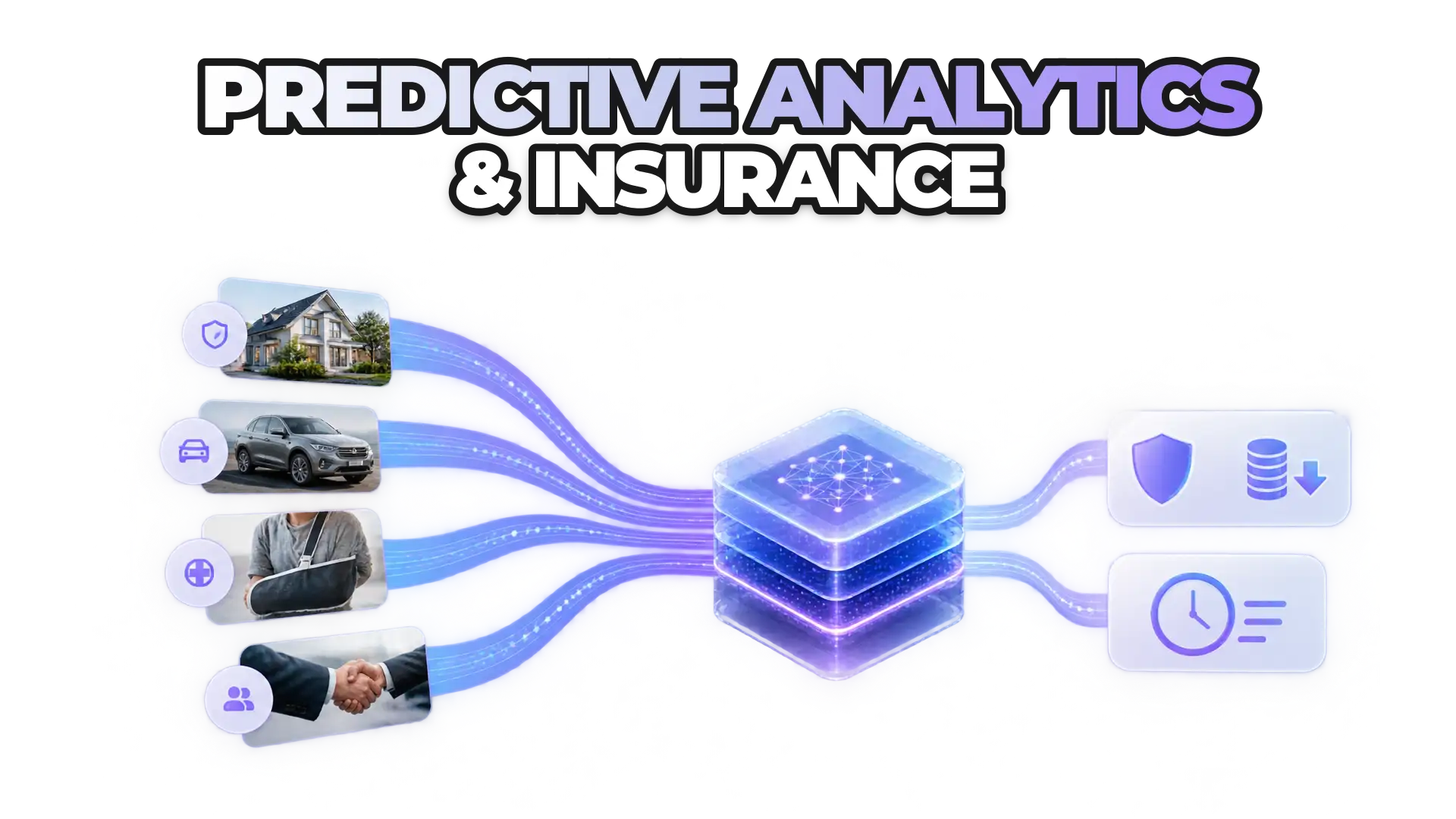
- How did ThyForLife automate thyroid tracking with ROOK?ThyForLife replaced manual data entry with wearable data through ROOK, adding sleep, recovery, stress and activity tracking for people with thyroid conditions.Read more
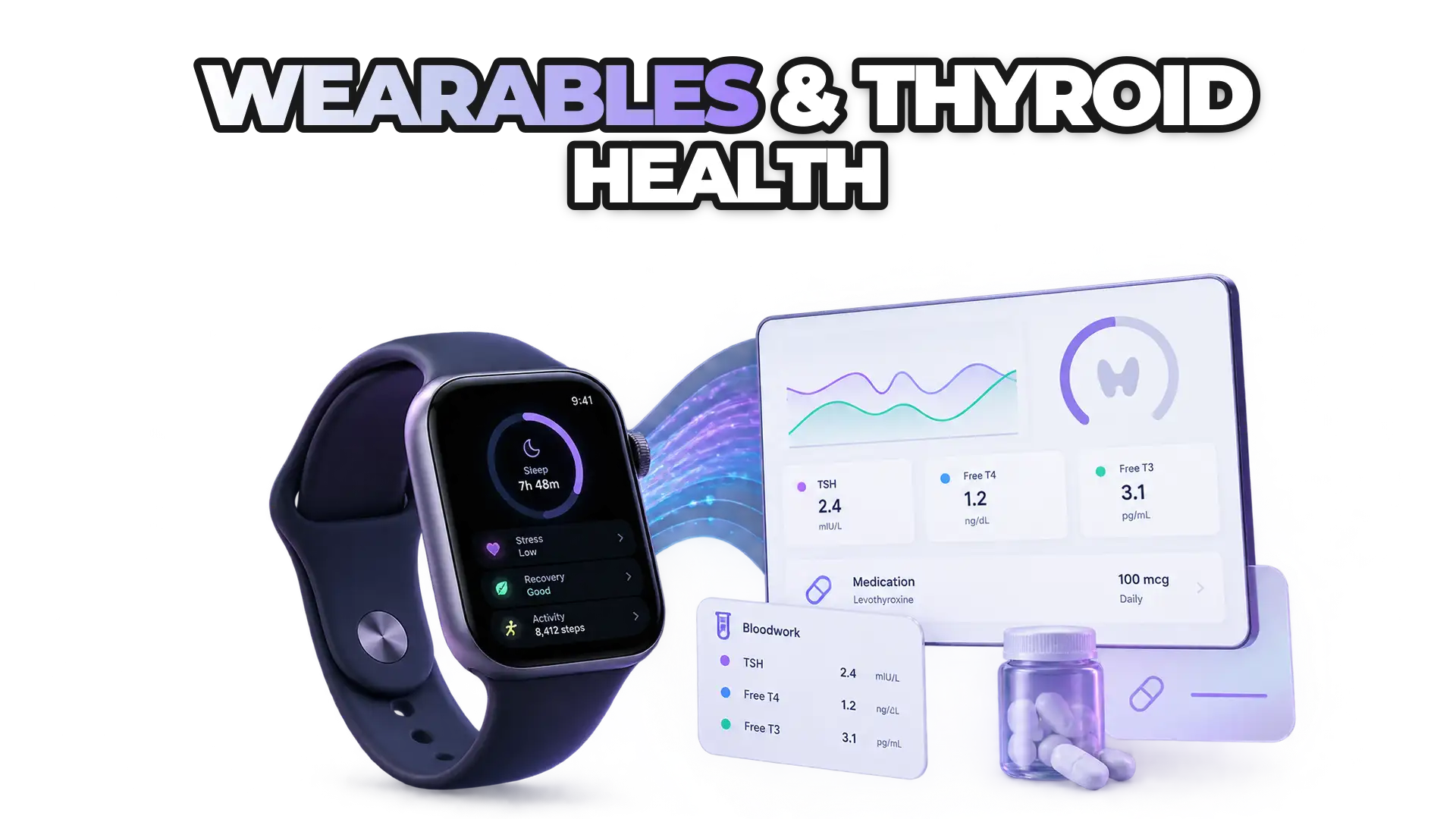
- How did Advanta Health Solutions expand wellness tracking with ROOK?Advanta Health Solutions moved beyond geo-fenced check-ins to sleep, recovery, stress and movement data by integrating wearables through ROOK.Read more
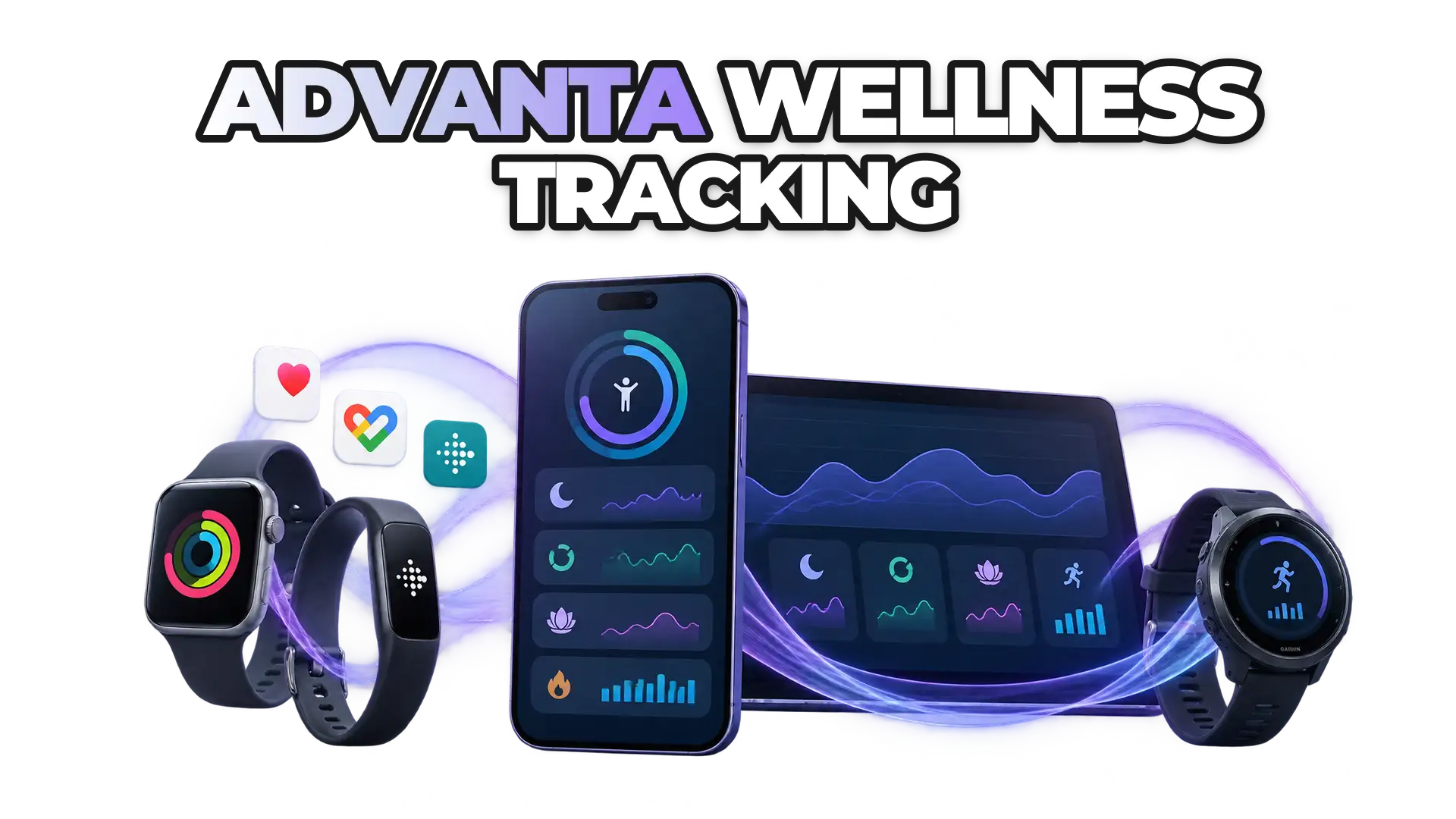
- How Is Wearable Health Data Changing Insurance?The data wearables collect, how insurers and policyholders use it, and trends in wearable-based insurance.Read more
- Wearable Data Integration: In-House or Third-Party for Digital Health?Compare building wearable data integrations in-house with using a third-party platform like ROOK, with notes for insurance and a ThyForLife case study.Read more
- What Are the Challenges of Using Wearable Data in Wellness Programs?Wellness programs using wearable data face accuracy gaps, inconsistent formats, privacy and consent rules, and integration upkeep. Here is how to address each one.Read more
- How are wearables and predictive analytics changing digital health?Wearables and predictive analytics help digital health programs personalize interventions, support prevention, and enable remote care.Read more
- How is wearable data changing digital health? Series Vol. 1What wearable data is, which metrics wearables collect, how adoption is growing and how the data supports monitoring, trials and patient engagement.Read more
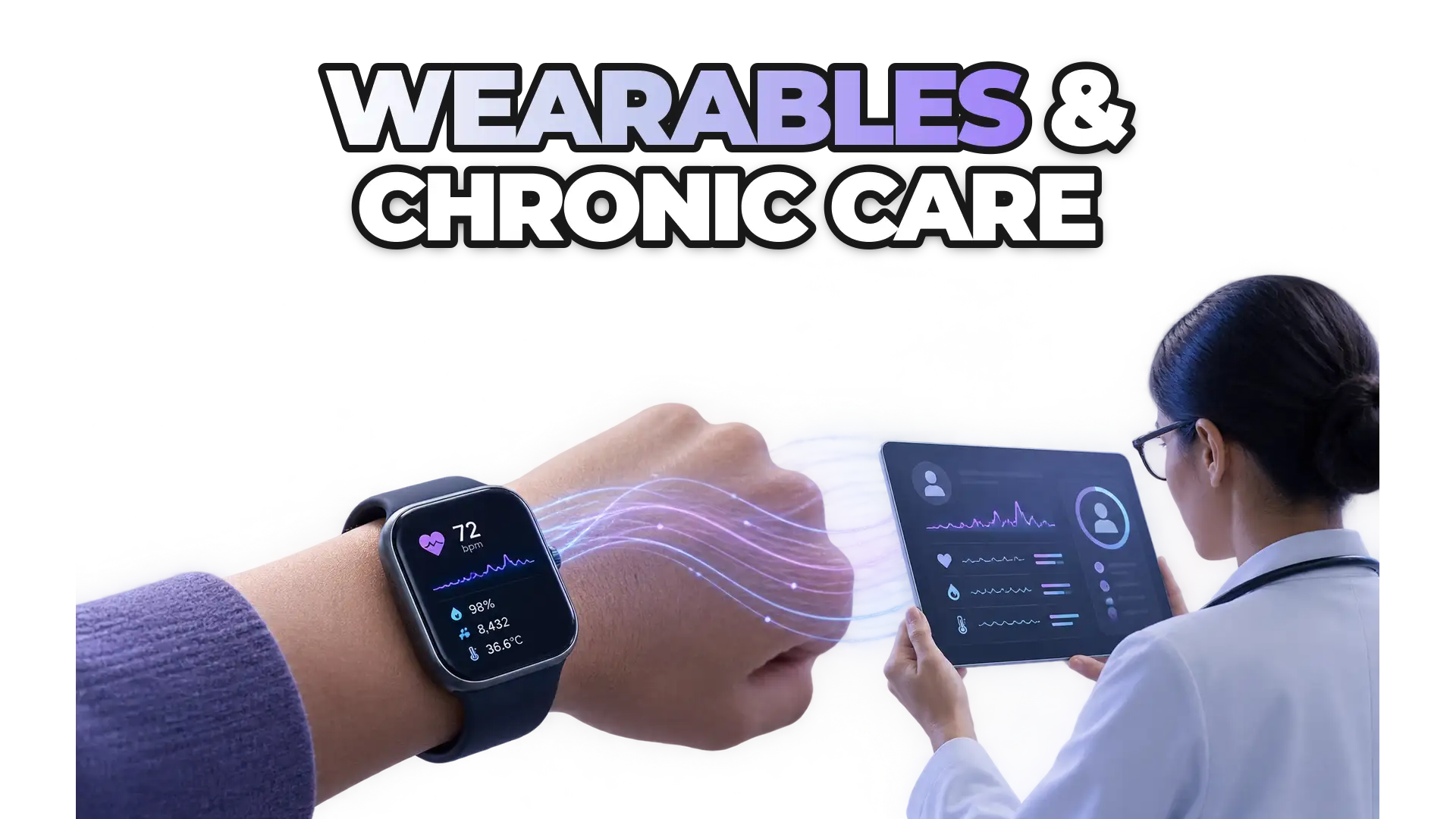
- How did Alula Technologies scale wearable data with ROOK?Alula Technologies used ROOK's single API to bring wearable data into VivaScore without managing each data source separately.Read more
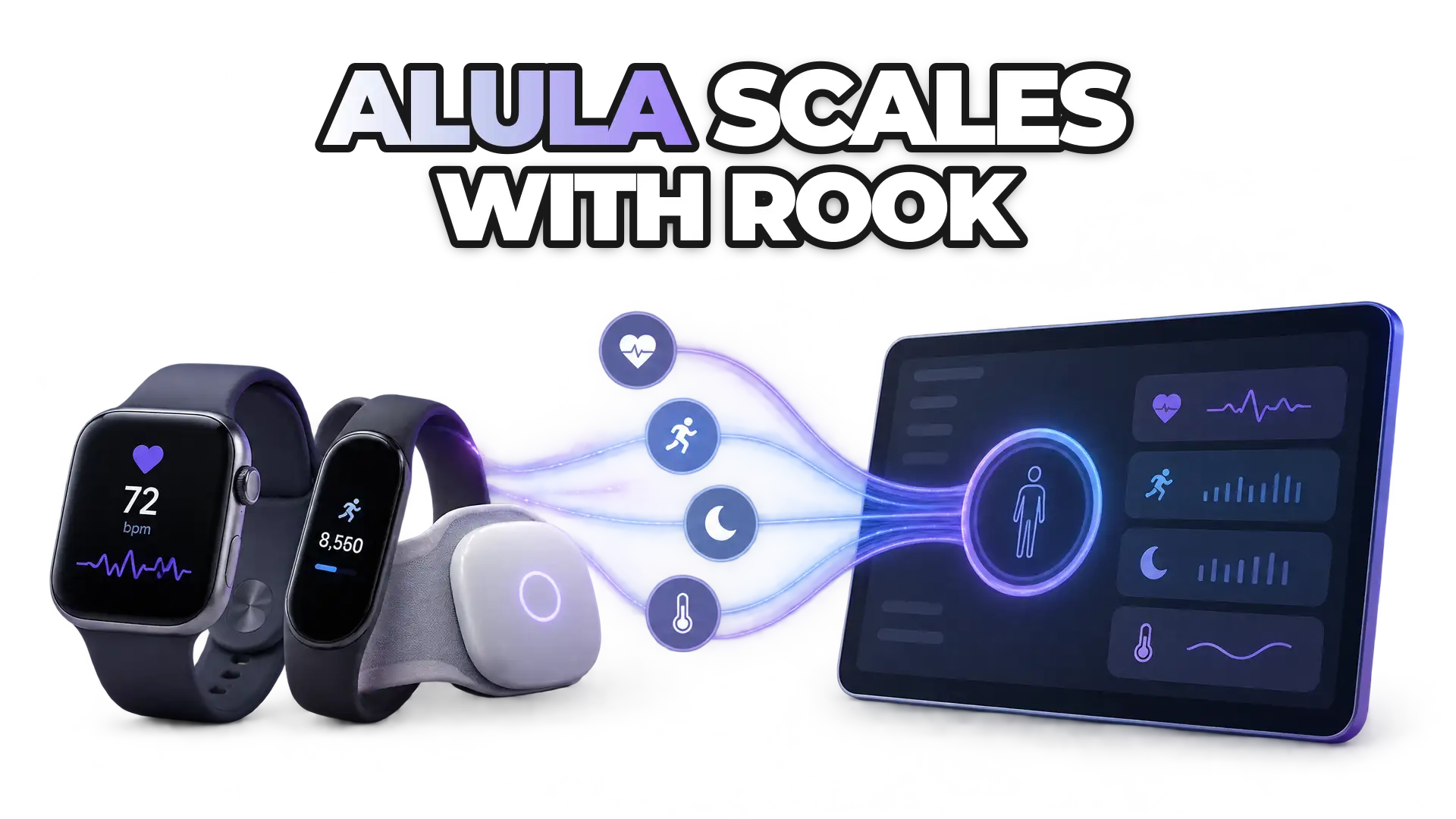
- ASdeporte and ROOK Announce Partnership for Sporting Events in MexicoASdeporte and ROOK partner to integrate wearable data into sporting events in Mexico, with recommendations for athletes and community gamification.Read more
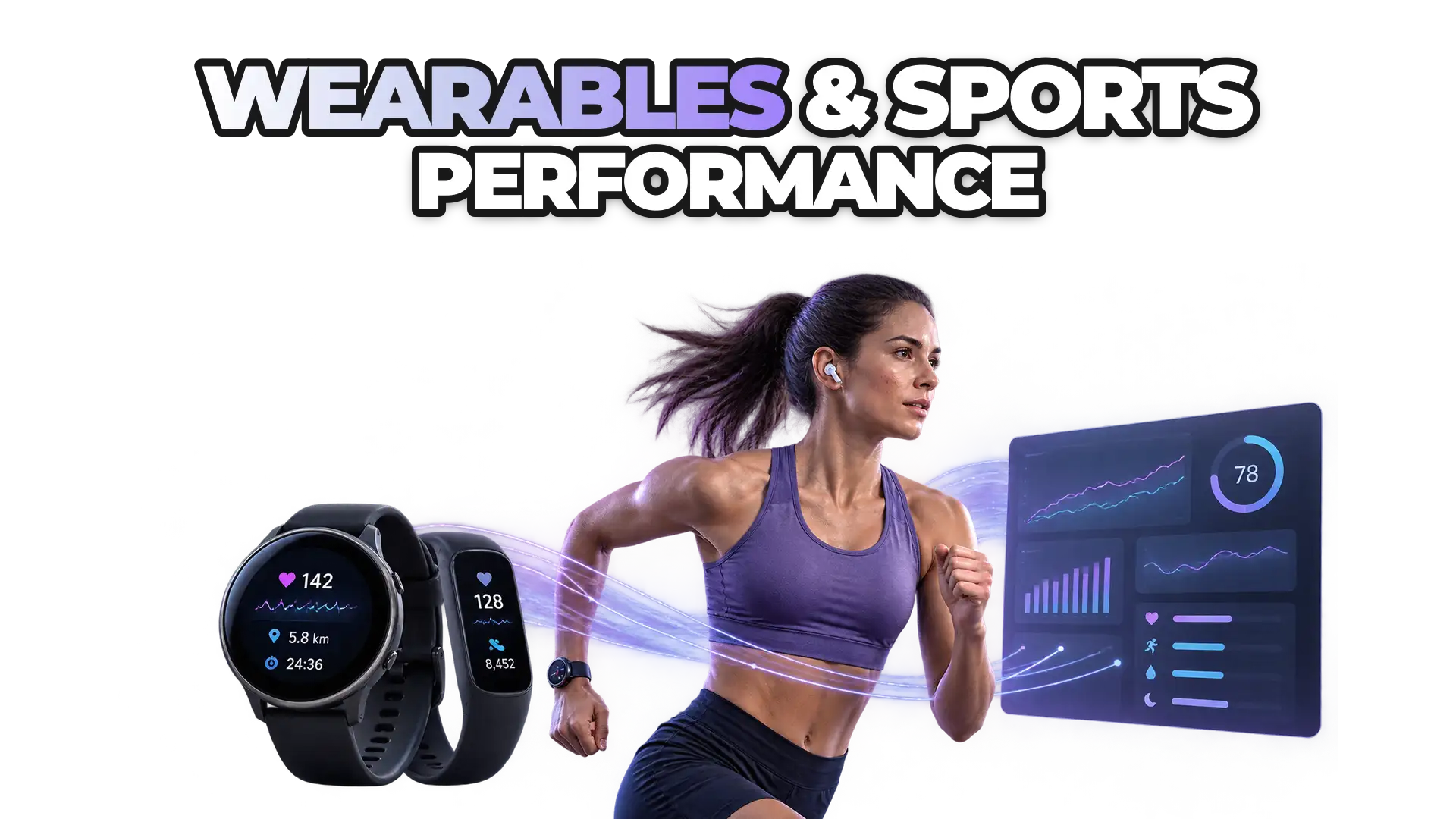
- How Is Wearable Data Transforming Wellness and Healthcare?Wearables now track heart rate, HRV, breathing and sleep, not just steps. How that data is used in health apps, insurance, public health and care.Read more
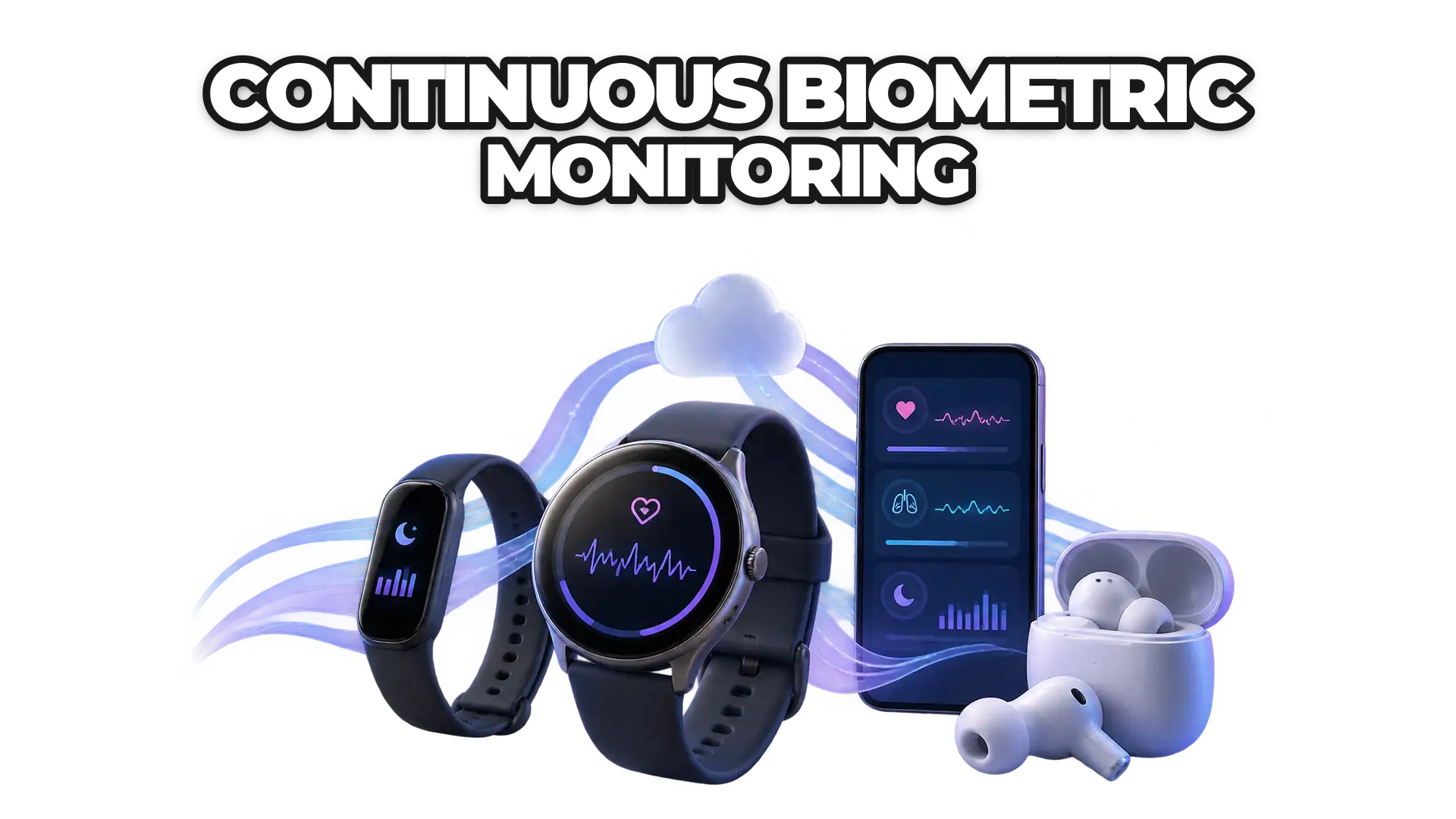
- How Do ROOK Datasets Help You Plan a ROOK Integration?ROOK Datasets on GitHub show how wearable data looks in ROOK, so teams can map data, plan visualizations and spot gaps before integrating.Read more
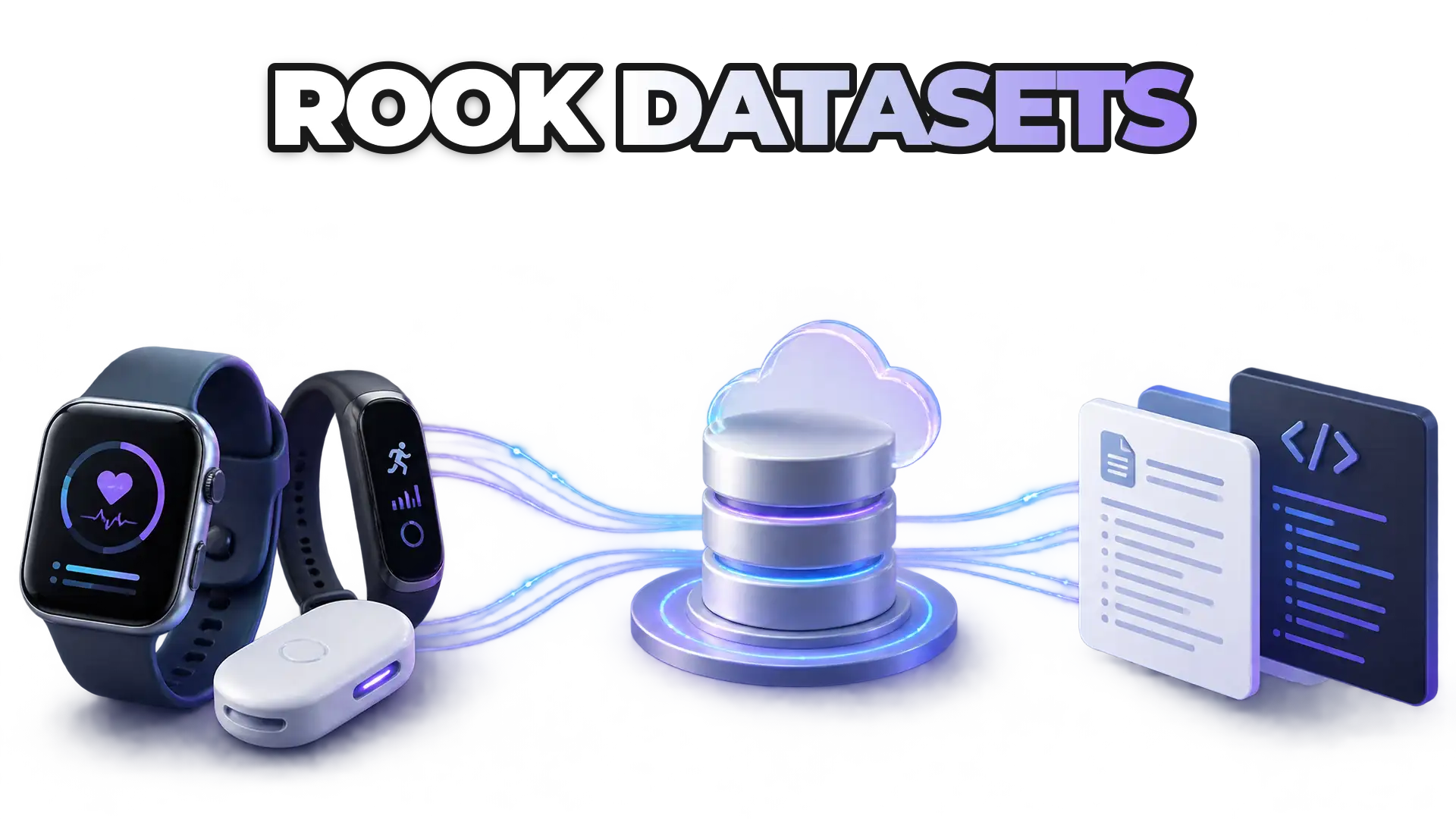
- How Do You Integrate Apple Health and Health Connect? Our SDKsROOK's SDKs read Apple Health and Health Connect data such as heart rate, steps and sleep, with documentation and example code.Read more
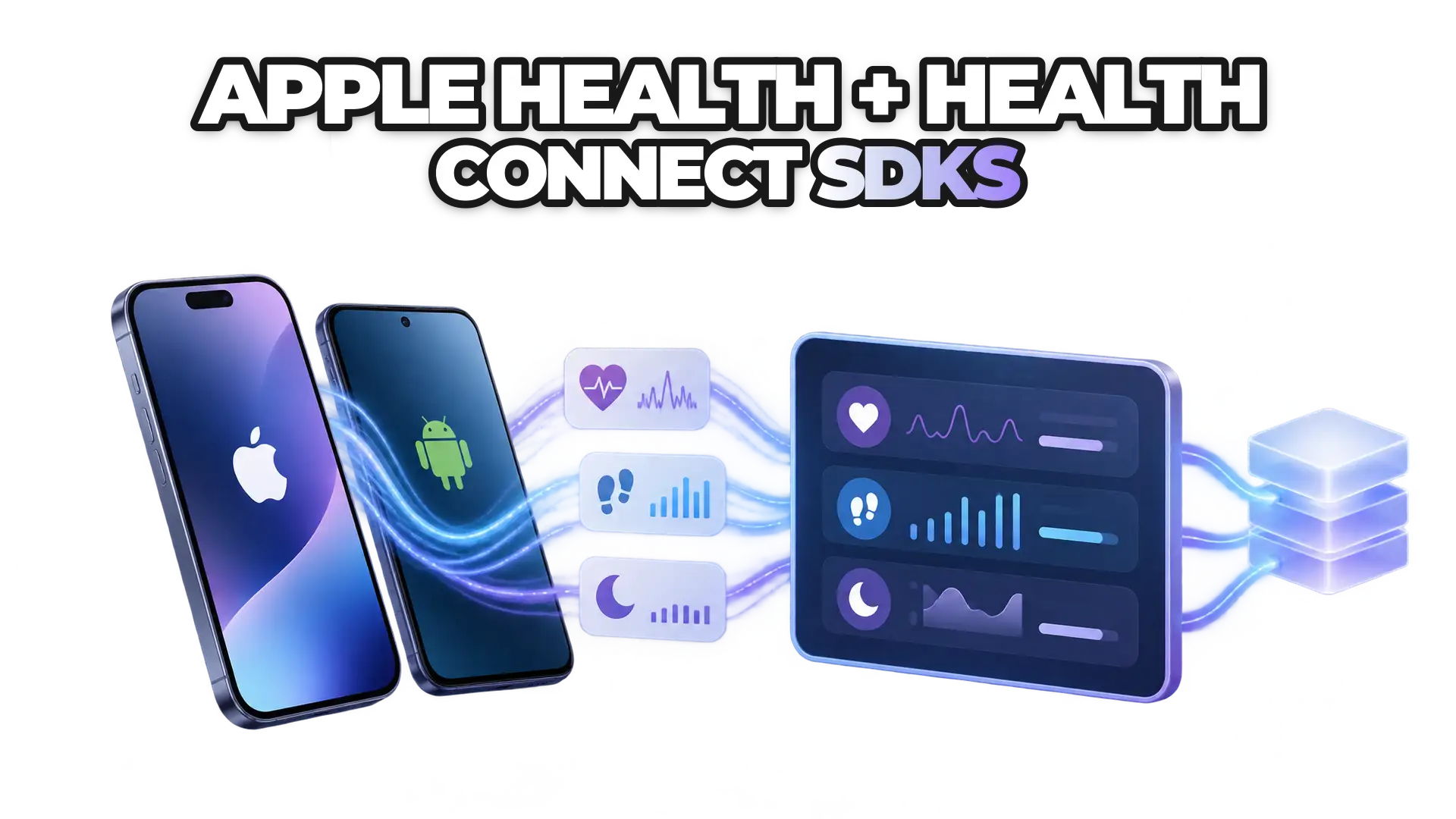
- InterSystems and ROOK partner on FHIR wearable dataROOK and InterSystems signed a solution partnership in July 2024: ROOK sends wearable data into InterSystems IRIS for Health as FHIR resources.Read more
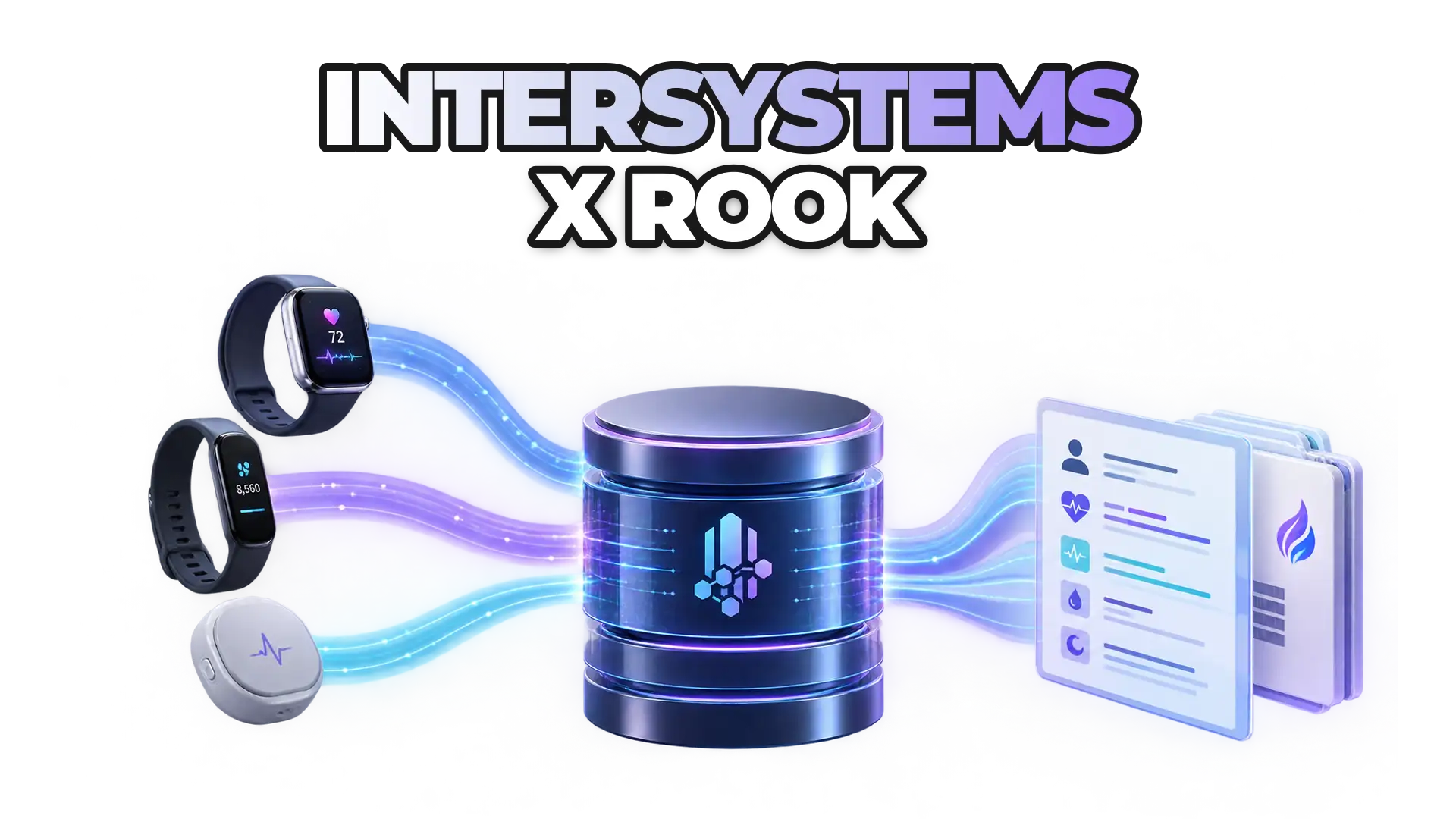
- What Are the Data Quirks of Each Wearable Health Data Source?ROOK’s open Notion library documents how Garmin, Apple Watch, Fitbit, Oura, WHOOP, Dexcom and other sources deliver and treat health data.Read more
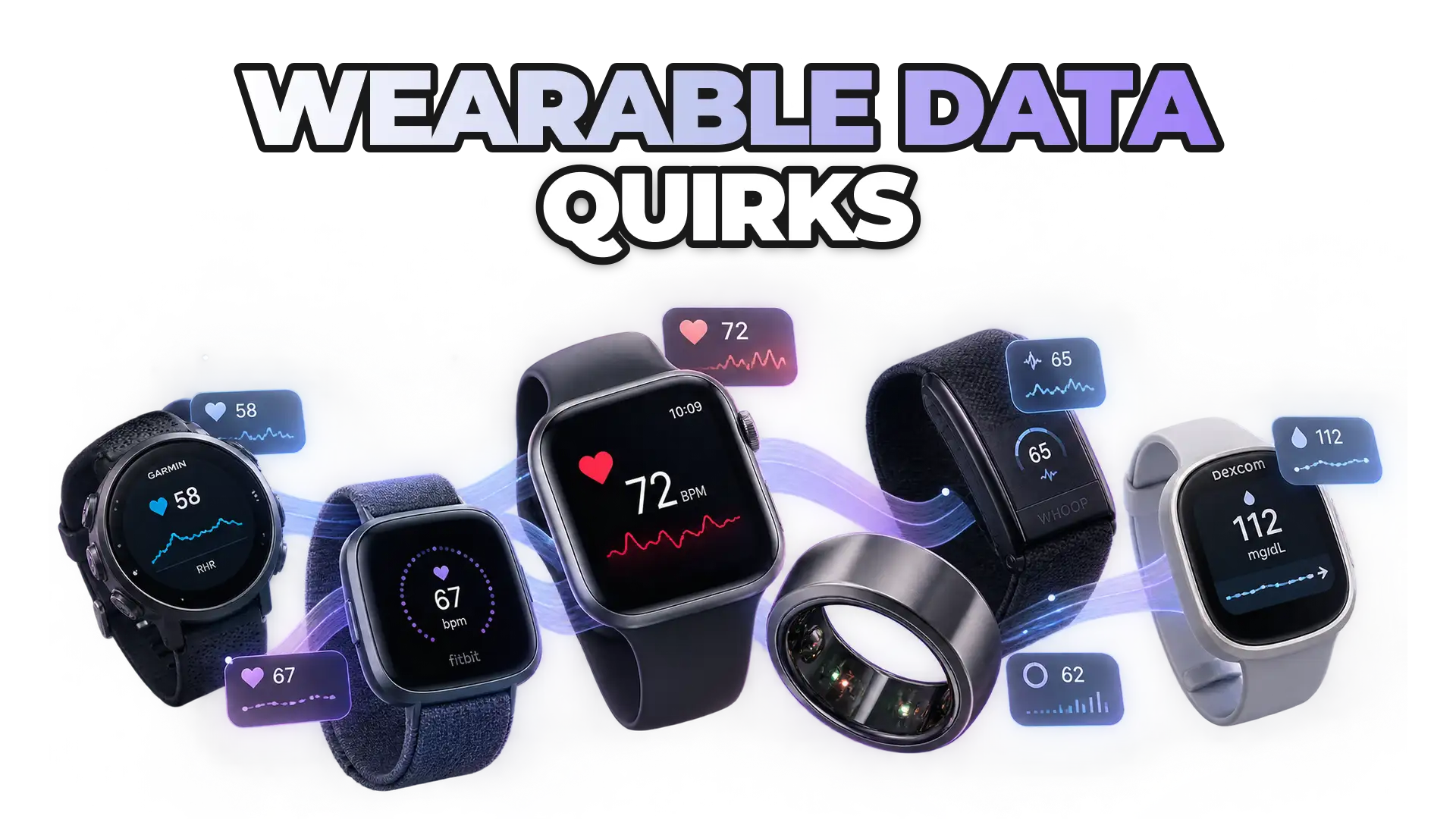
- Can You Get Dexcom CGM Data Through ROOK's API?Dexcom continuous glucose monitoring (CGM) data is available through ROOK, so developers can add glucose data to health apps.Read more
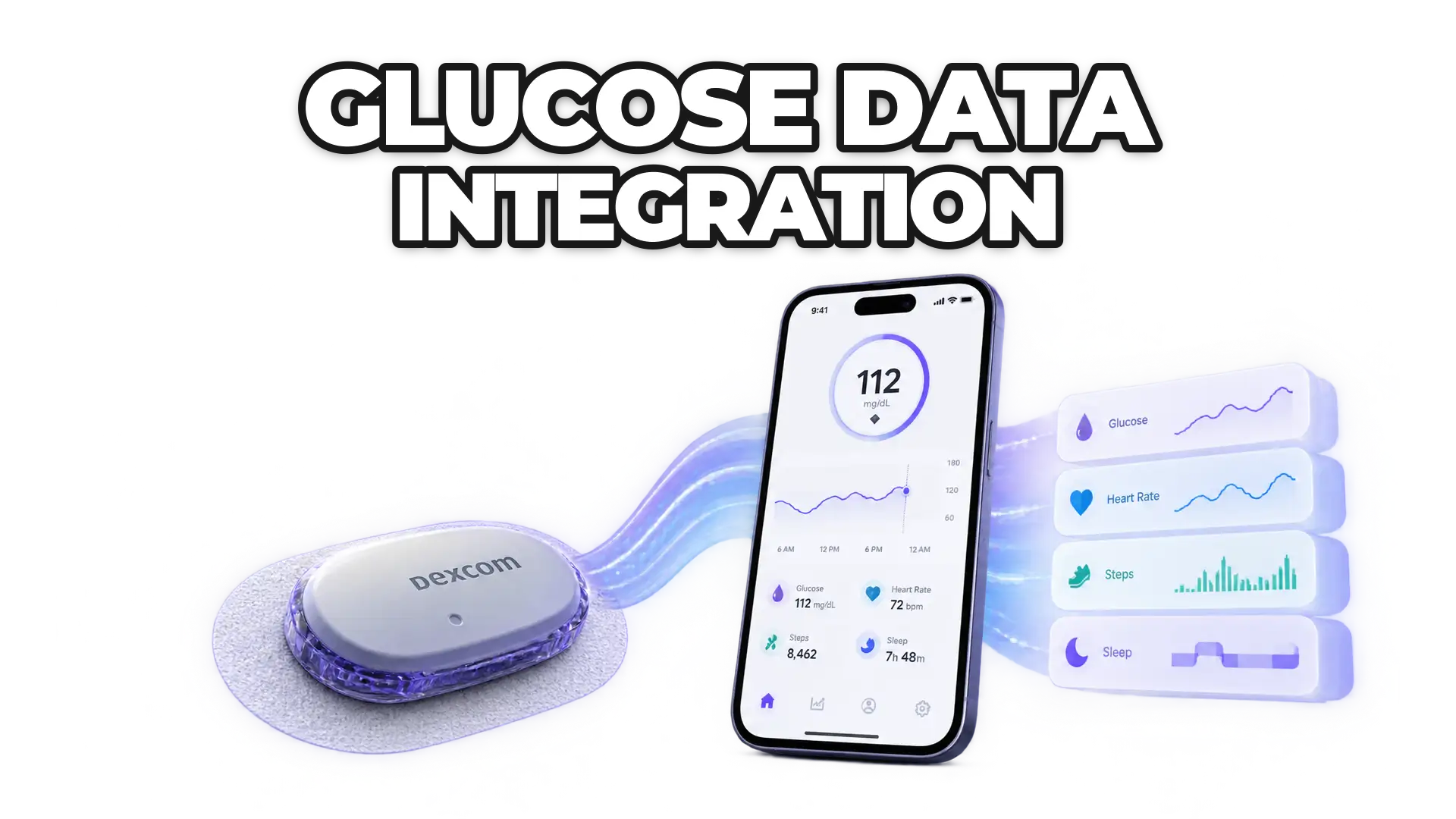
- What Does FHIR-Compliant Wearable Data Mean at ROOK?ROOK announced FHIR-compliant wearable data integration, built with the InterSystems IRIS platform, so wearable data can enter existing healthcare systems.Read more
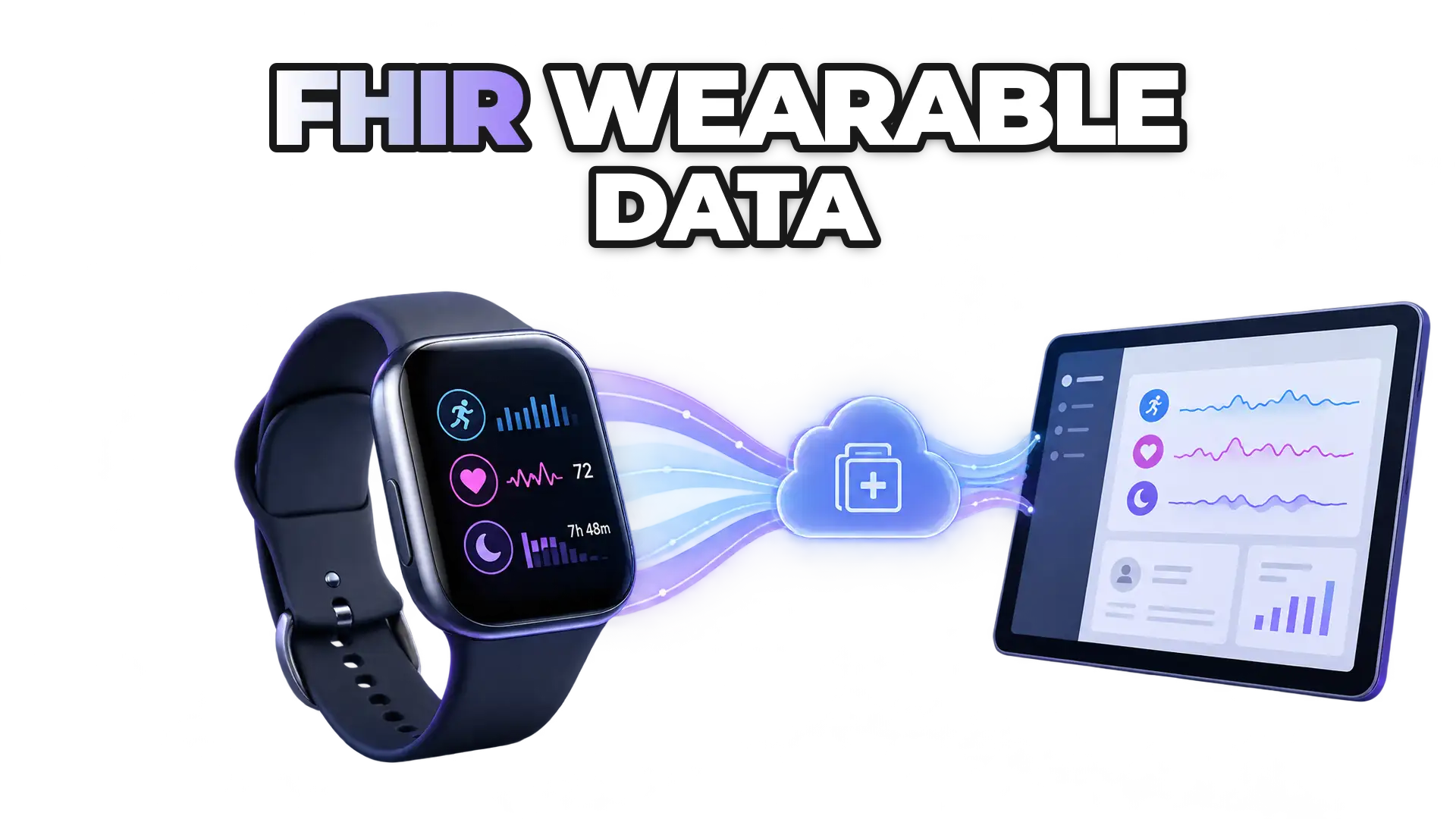
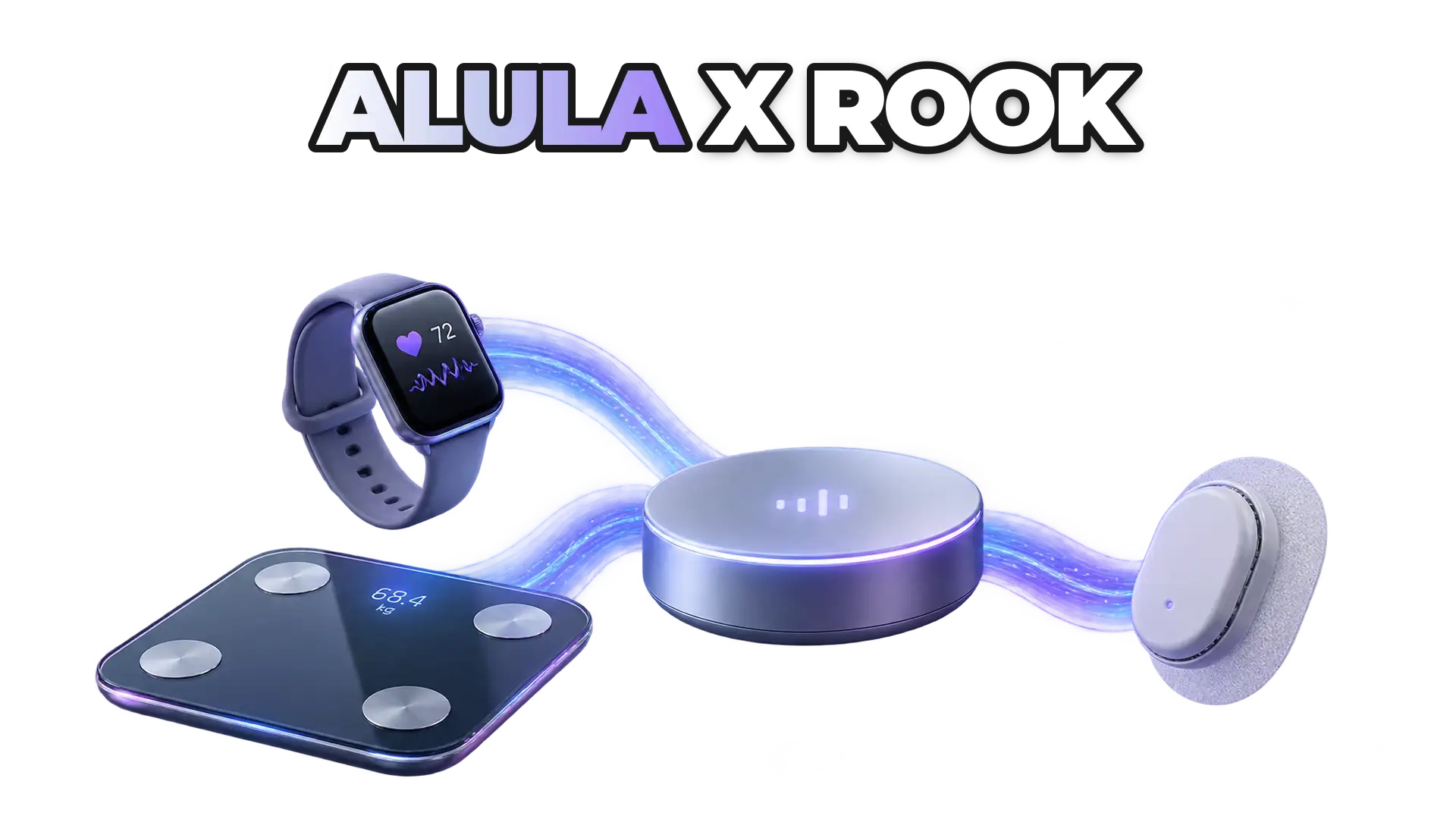
- Alula and ROOK Partnership: What Was Announced in 2024?In April 2024, Alula Technologies and ROOK announced a partnership to bring wearable health data into insurance, healthcare and employee benefits.Read more
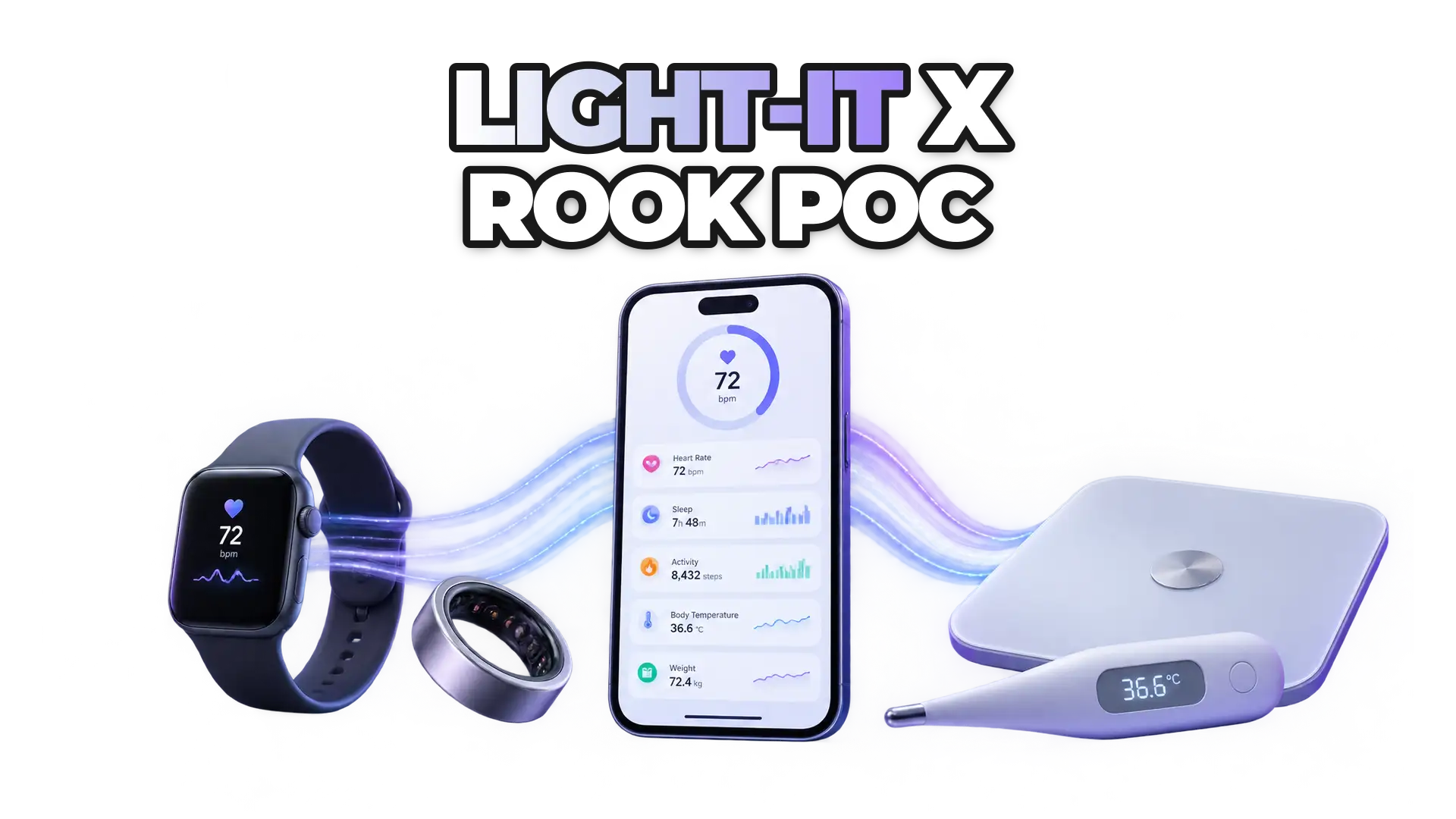
- How Did Light-it and ROOK Partner to Build a Digital Health PoC?Light-it used the ROOK API to add wearable sleep data to its Vitality app without learning each wearable’s specifics, showing how tech partnerships save time.Read more
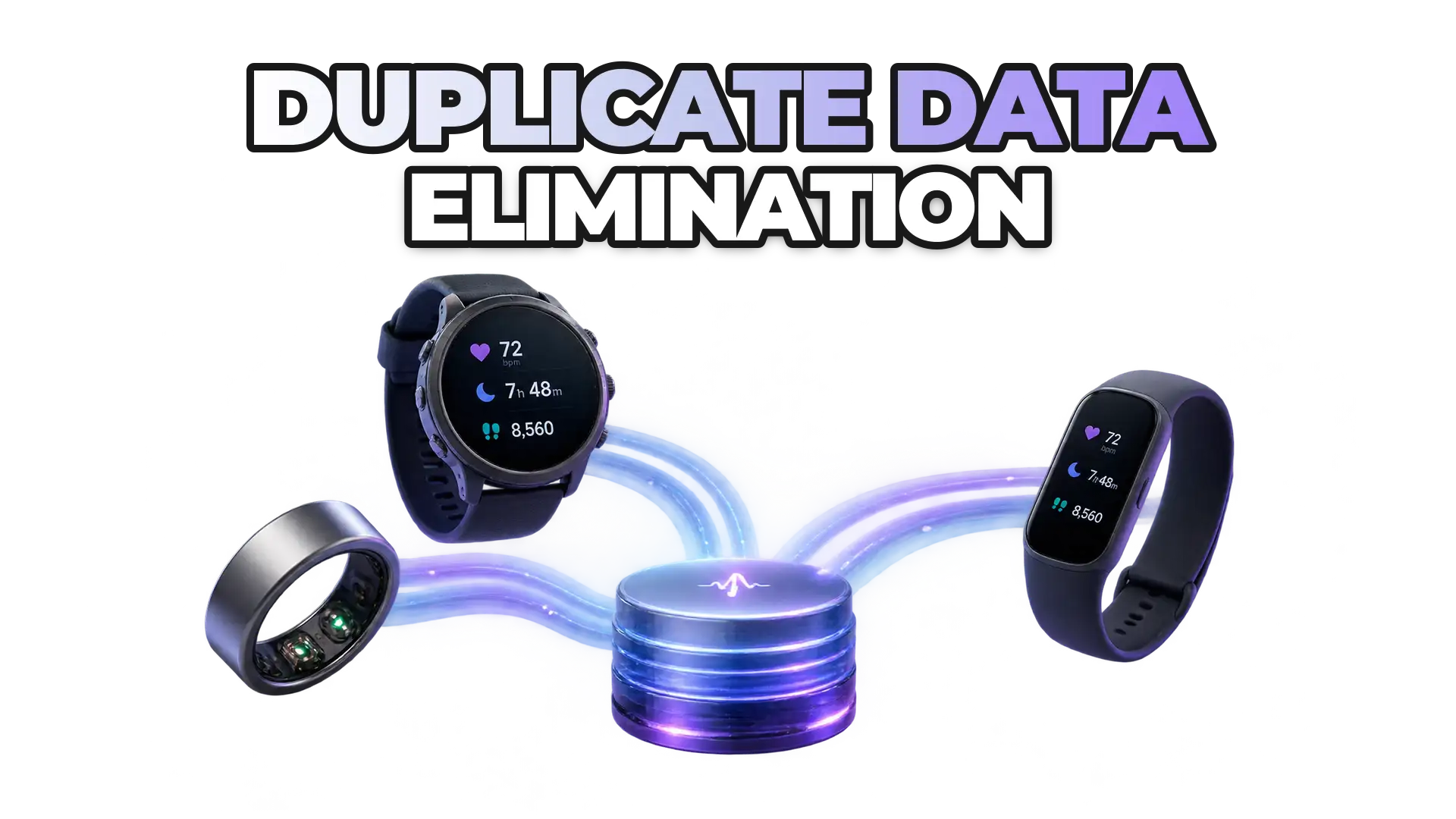
- How Do You Eliminate Duplicate Data from Multiple Wearables?Why duplicate records from multiple wearables distort health data, and how per-metric source priority (e.g. Oura for sleep, Garmin for heart rate) keeps it clean.Read more
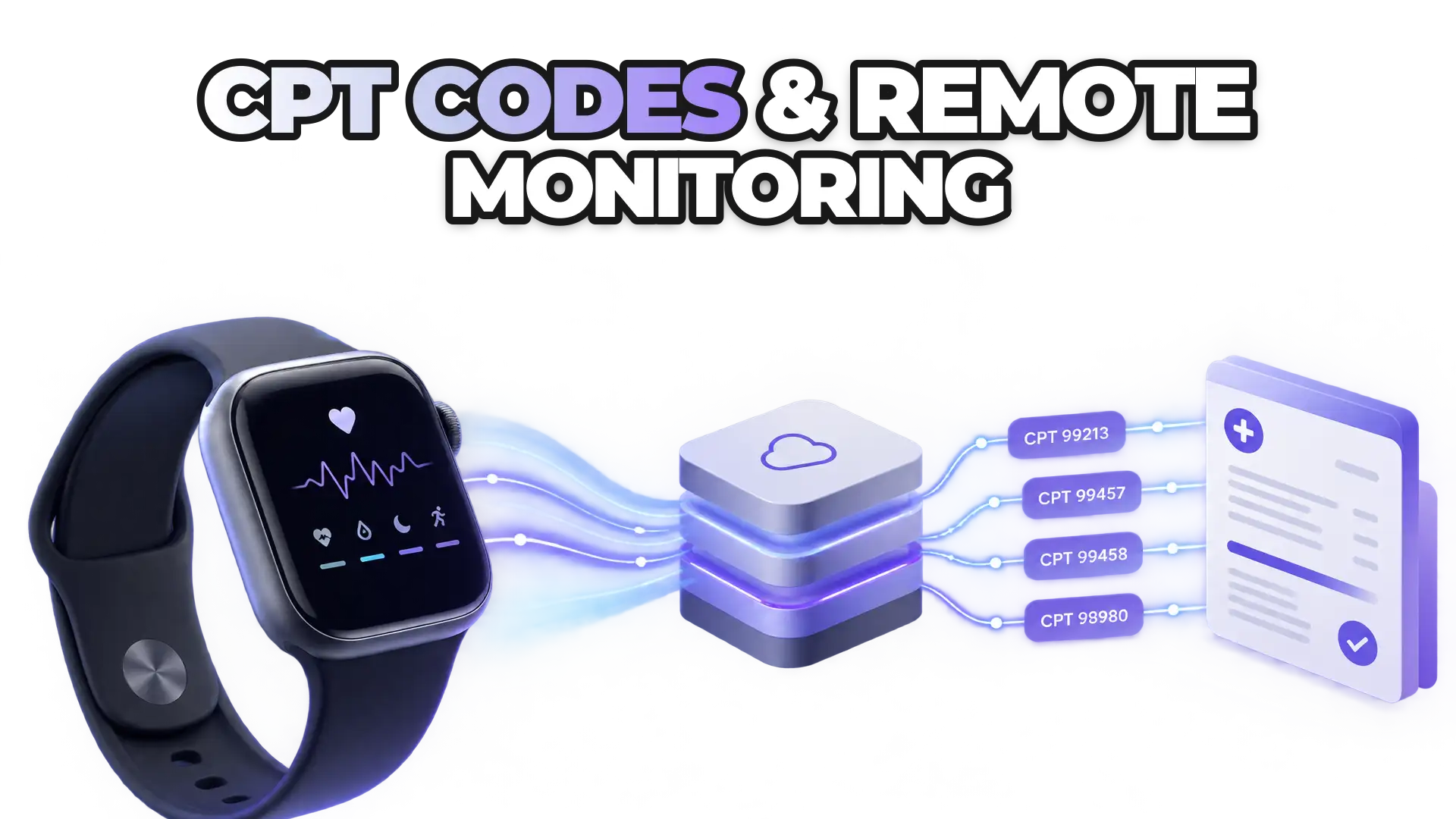
- How Do CPT Codes Work for Remote Patient Monitoring and Prevention?What CPT codes are, their three categories, and the eligibility, documentation and compliance points providers need to bill remote patient monitoring.Read more
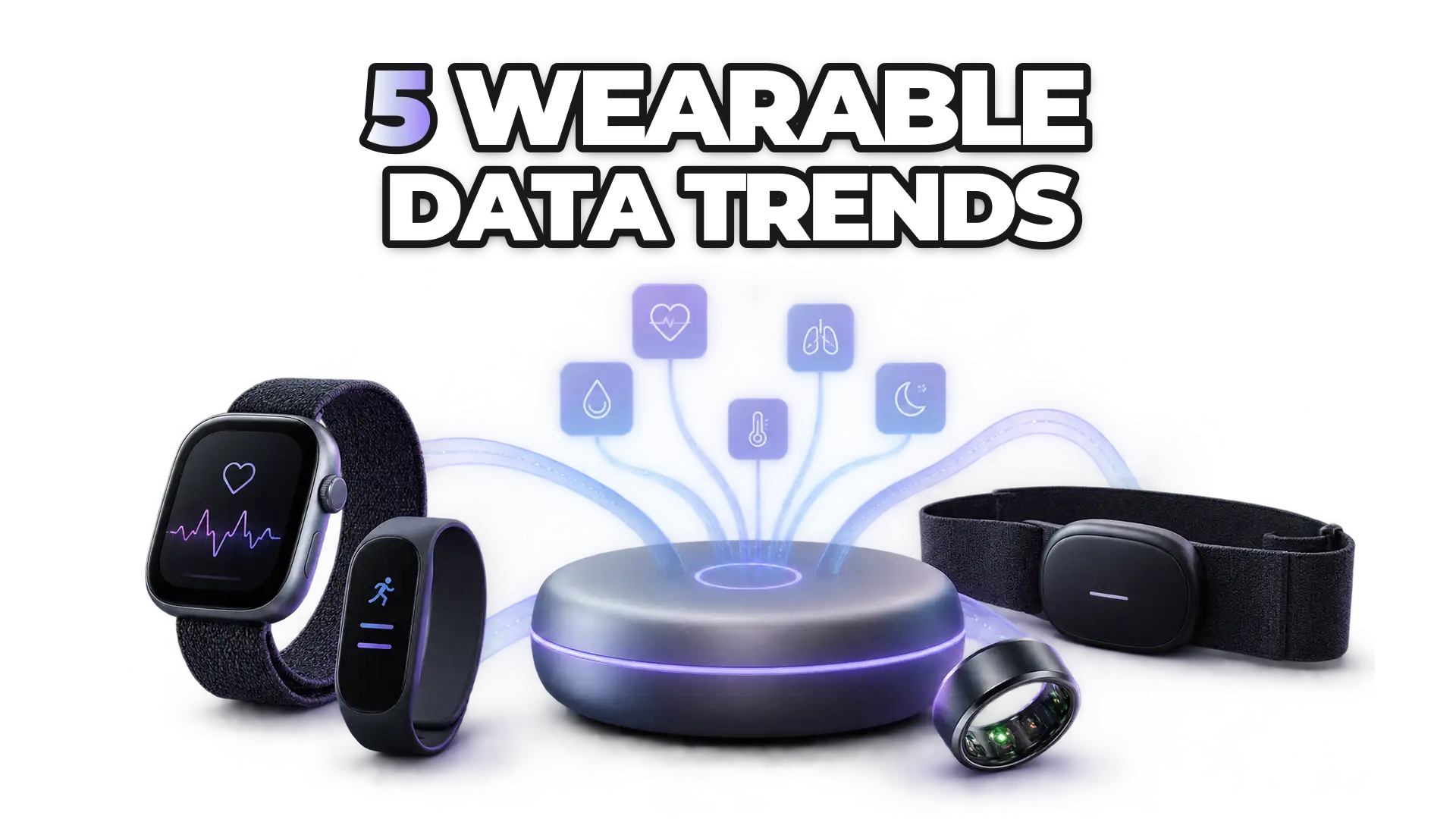
- What Are the 5 Key Trends in Wearable Data for Digital Health?Five trends in wearable data for digital health and InsurTech: richer metrics, big tech investment, insurance use, remote care and actionable insights.Read more
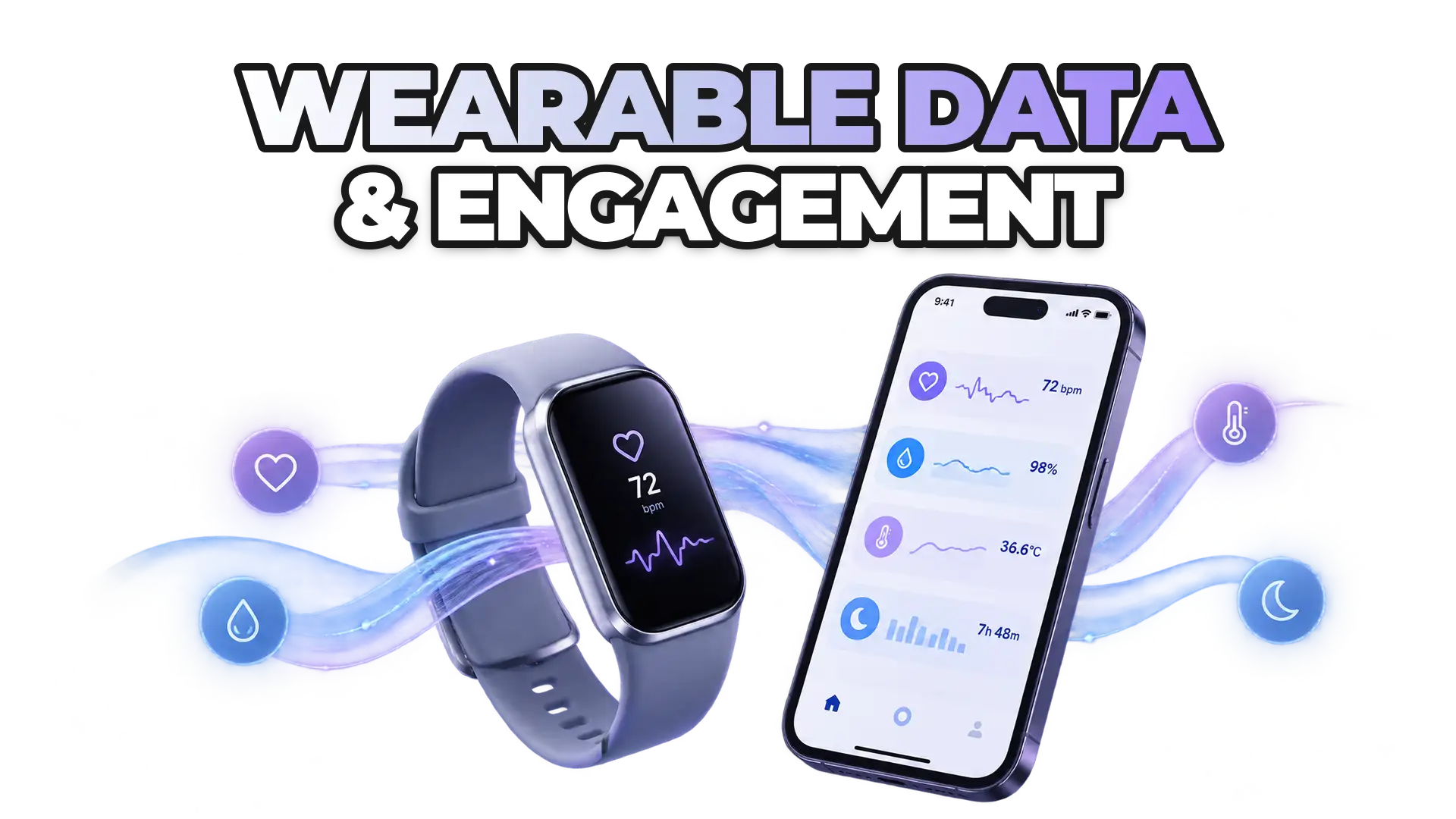
- How does wearable data drive engagement in digital health apps?Consistency drives user results and engagement drives business results. Wearable data creates the daily proximity that builds both.Read more
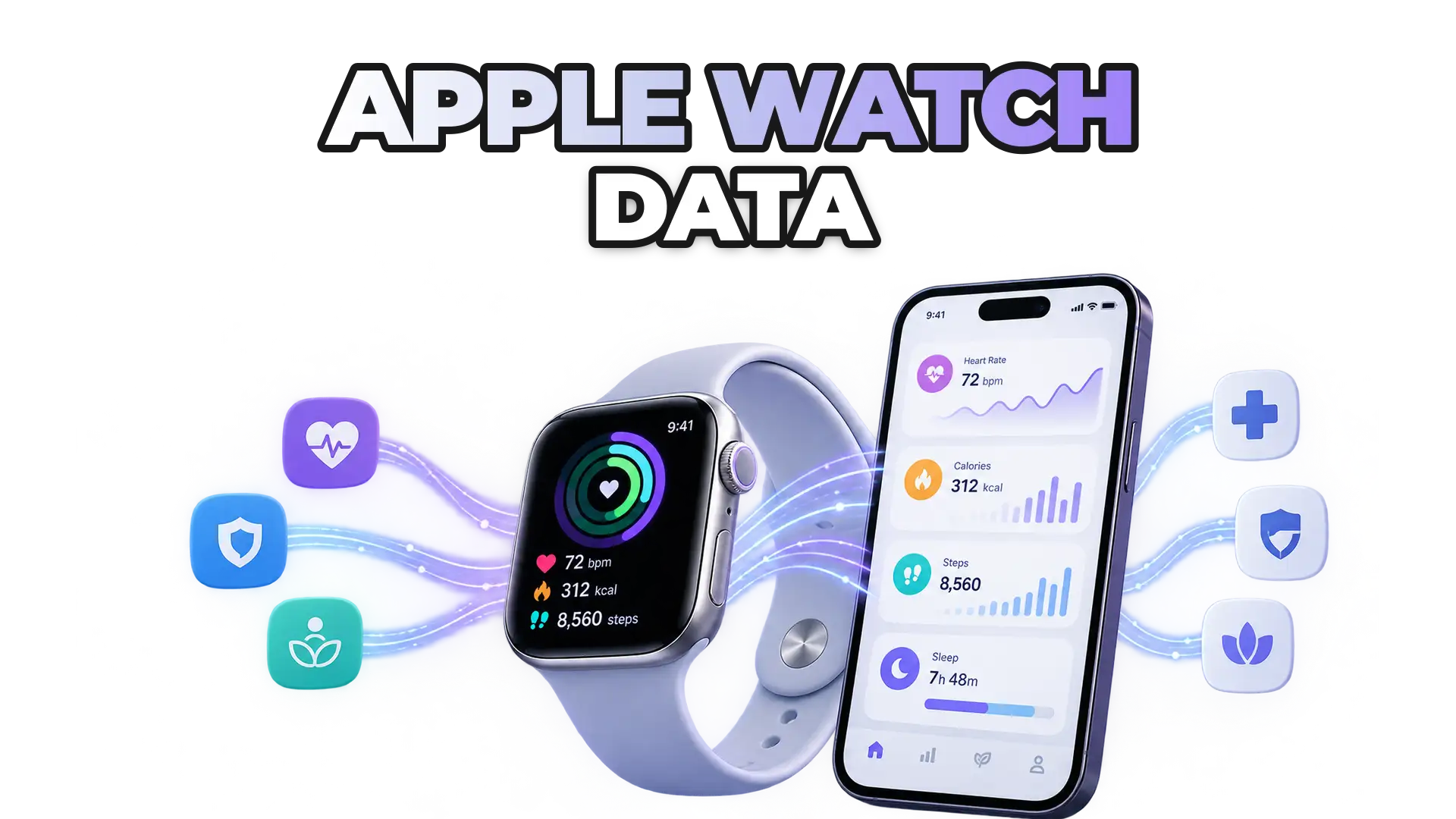
- Your health app is now compatible with the Apple Watch, thanks to ROOKROOK can integrate health data from the Apple Watch and Apple Health, so apps don't need to ask users to buy another device.Read more
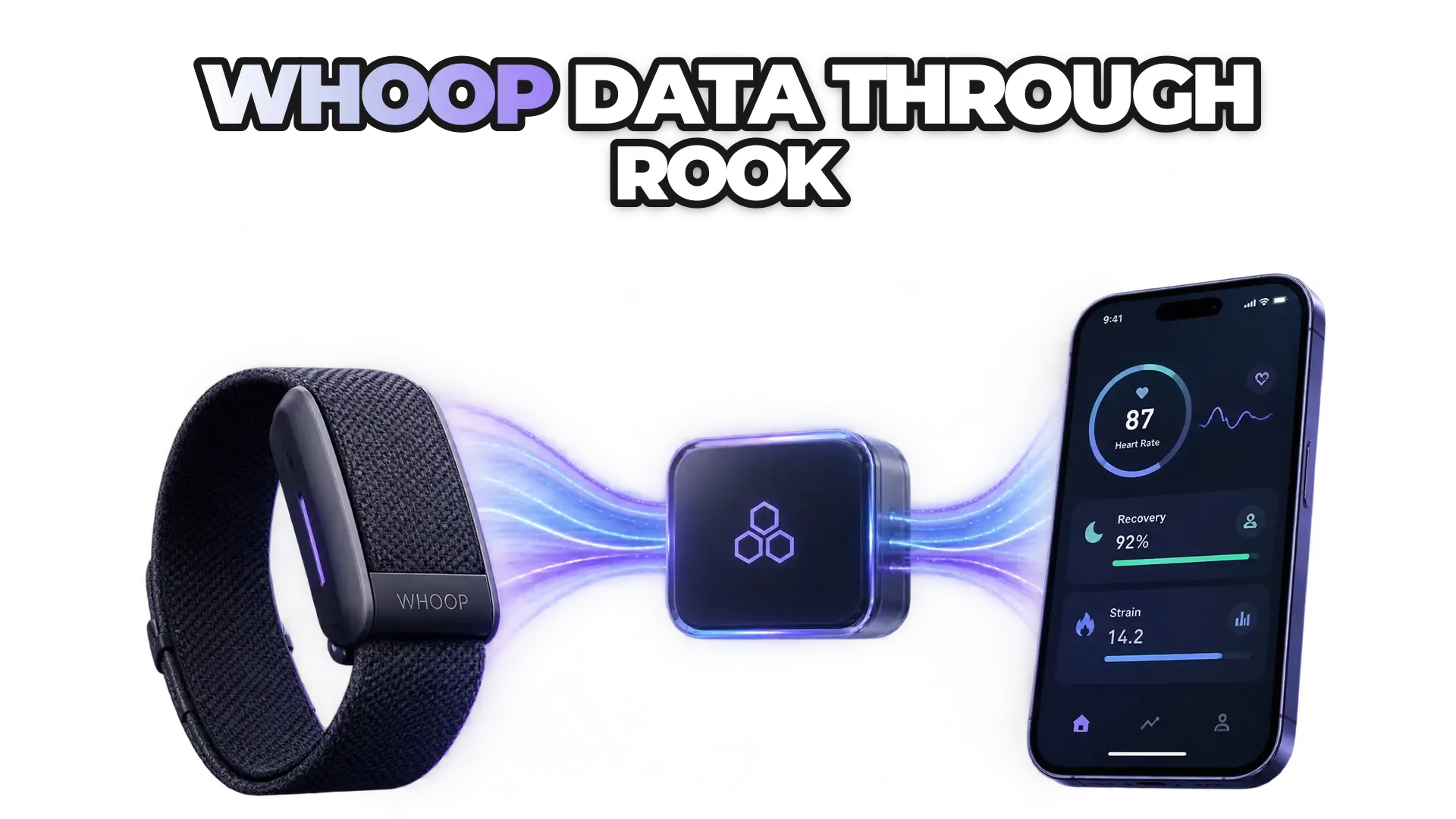
- Can Your App Get WHOOP Data Through ROOK?WHOOP devices are integrated with ROOK, so health apps can collect WHOOP heart rate, recovery, strain and sleep data.Read more
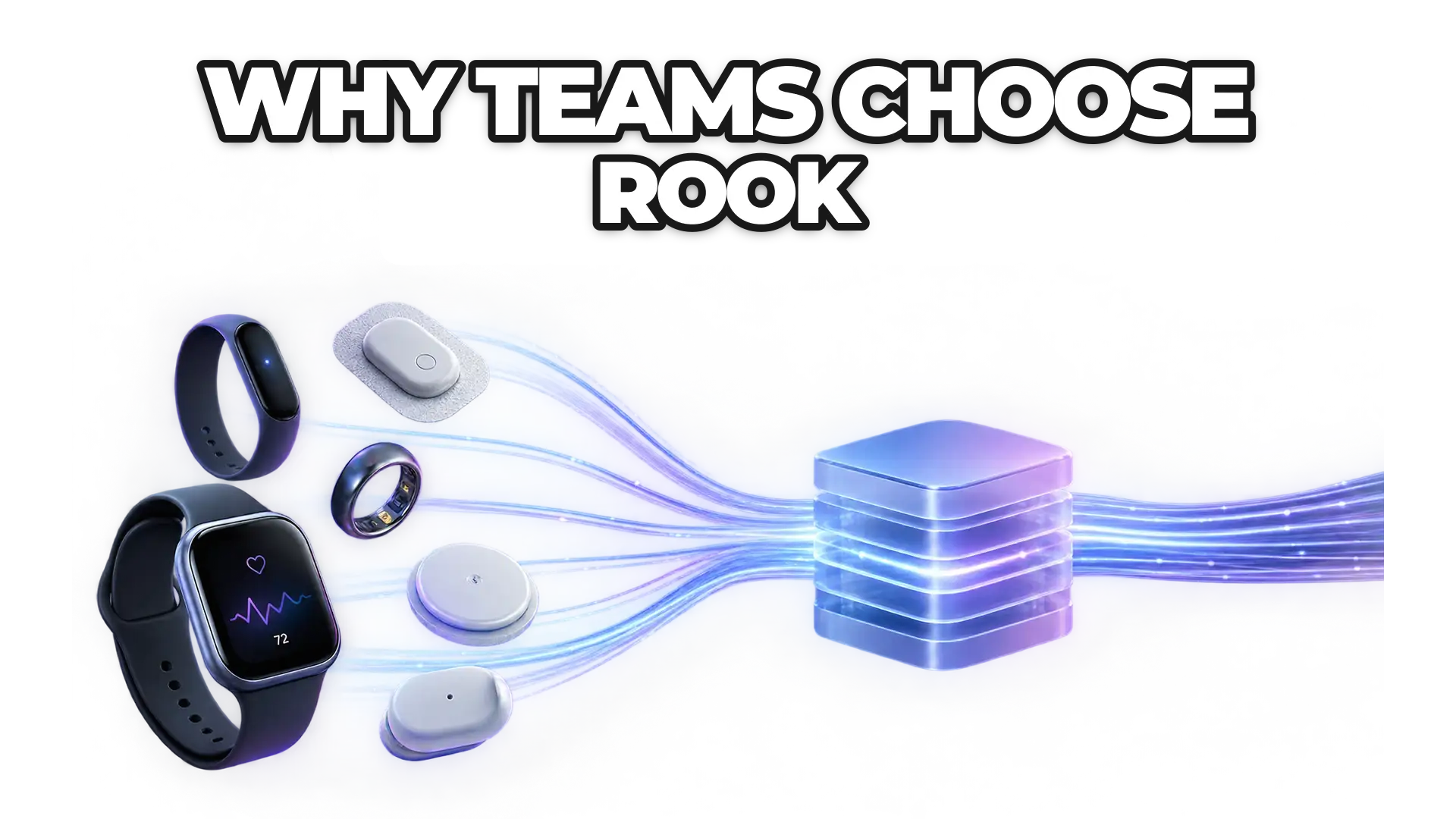
- ROOK vs. other offerings: why do digital health companies choose ROOK?Build your own wearable integrations or partner with ROOK? What sets ROOK apart: deep per-source integration, normalized data, a health score and FHIR conversion.Read more
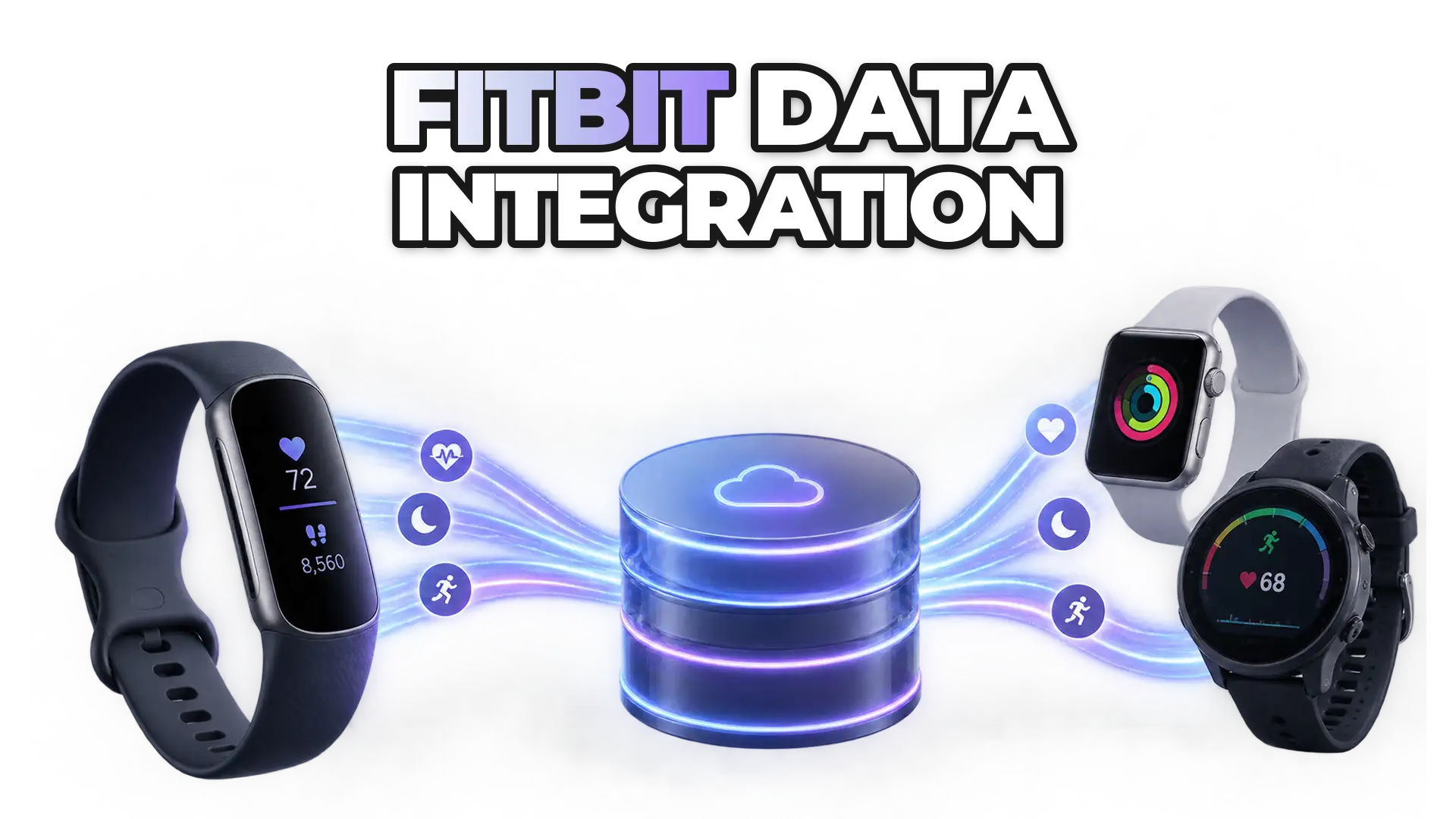
- Integrating Fitbit data into your app is now possible with ROOKROOK announced its Fitbit integration, letting clients use Fitbit devices as data sources for their digital health apps.Read more
- Can ROOK connect Garmin devices?ROOK announced in December 2023 that Garmin devices are integrated into the ROOK ecosystem, so clients can receive Garmin health data through ROOK.Read more
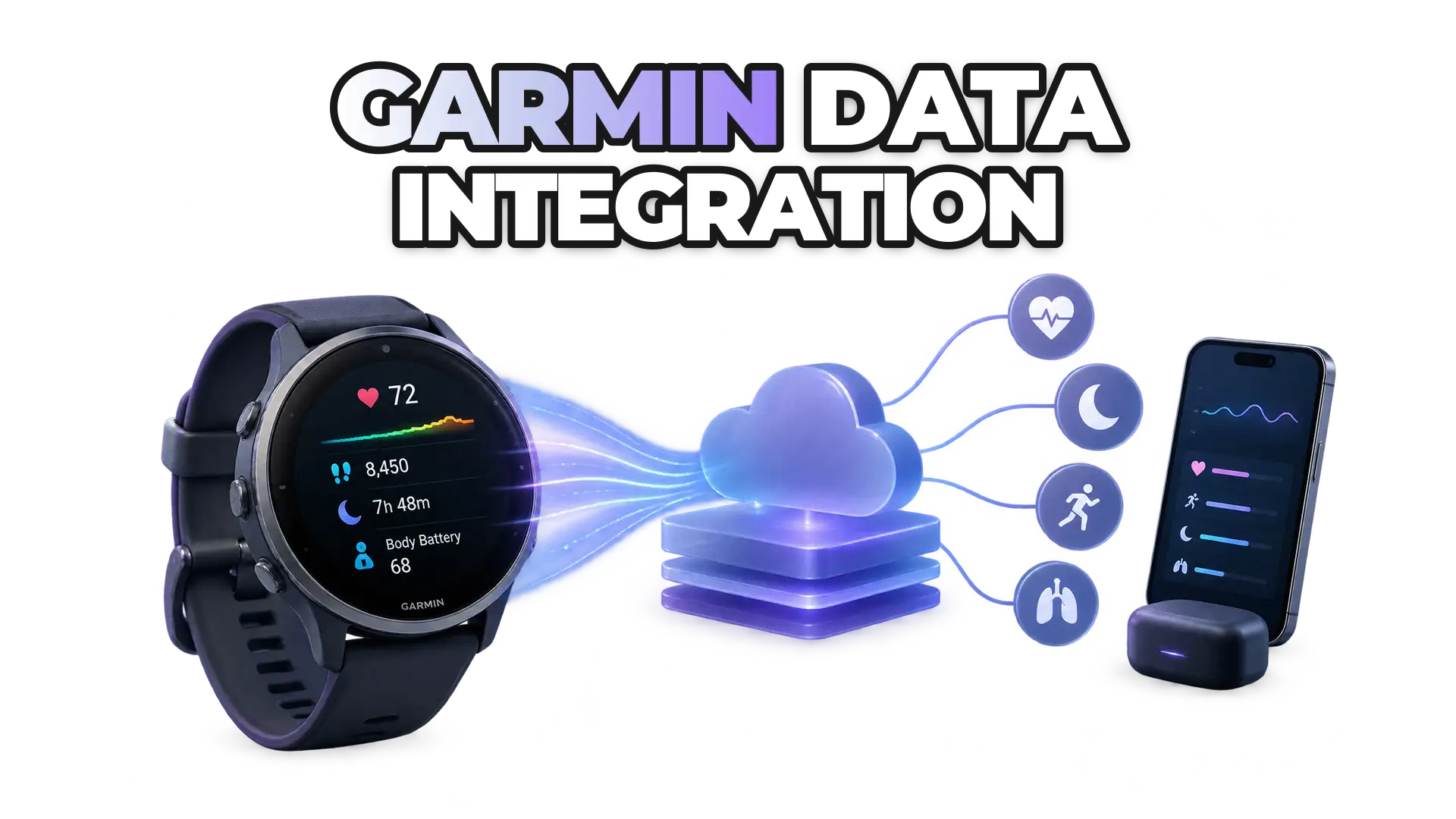
- Can your health app use Polar data? Yes, through ROOKROOK added Polar as a data source, so health apps can use data from Polar smartwatches and heart rate monitors through one integration.Read more
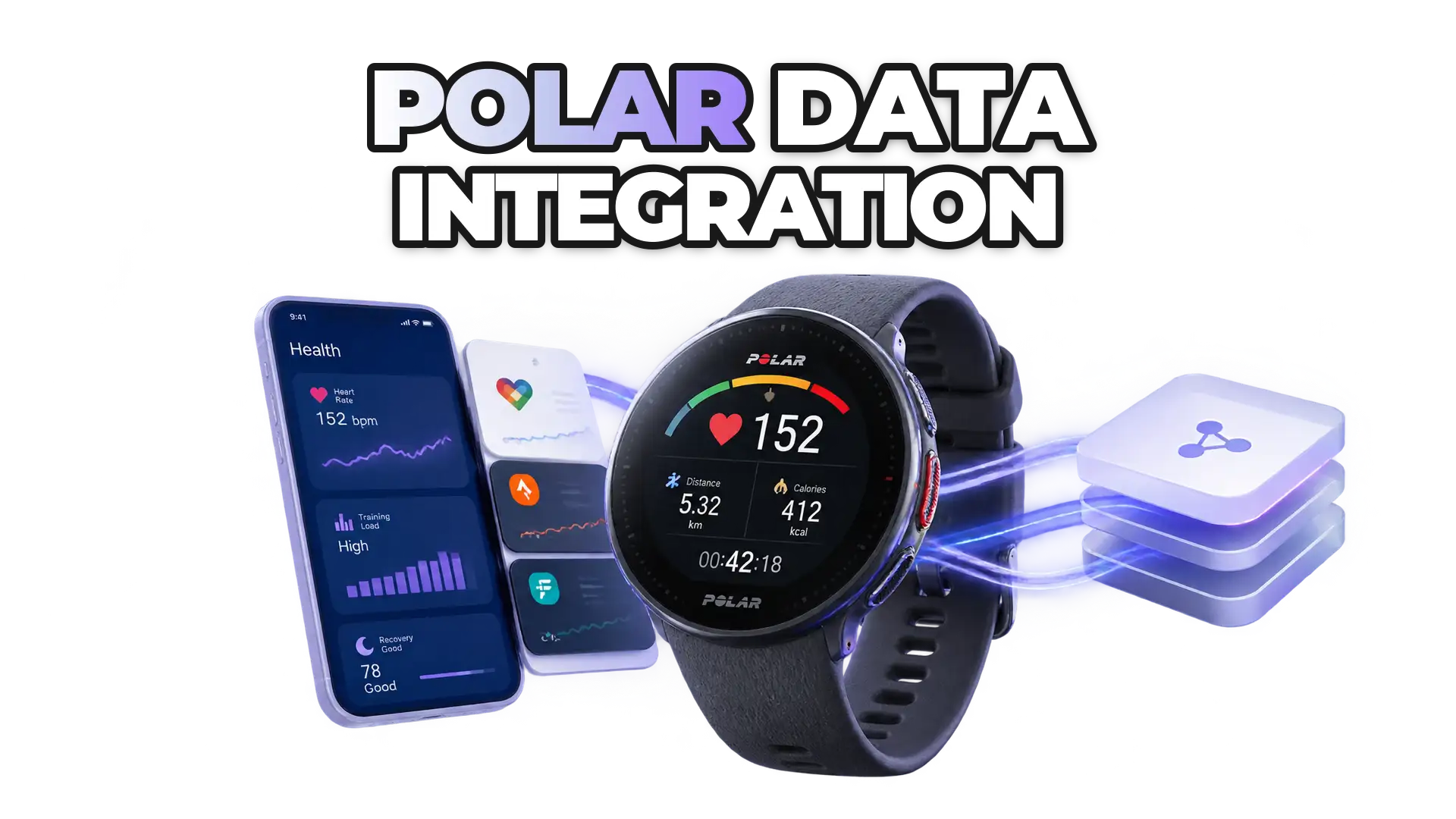
- Is Health Connect compatible with ROOK?Health Connect, Google's health data platform for Android, is compatible with ROOK, so ROOK clients can read Health Connect data through one integration.Read more
- How Are Apps and APIs Helping People Take Control of Their Health?ONC data shows app-based access to medical records grew fast, and app users check their records more often. Here is why that matters.Read more
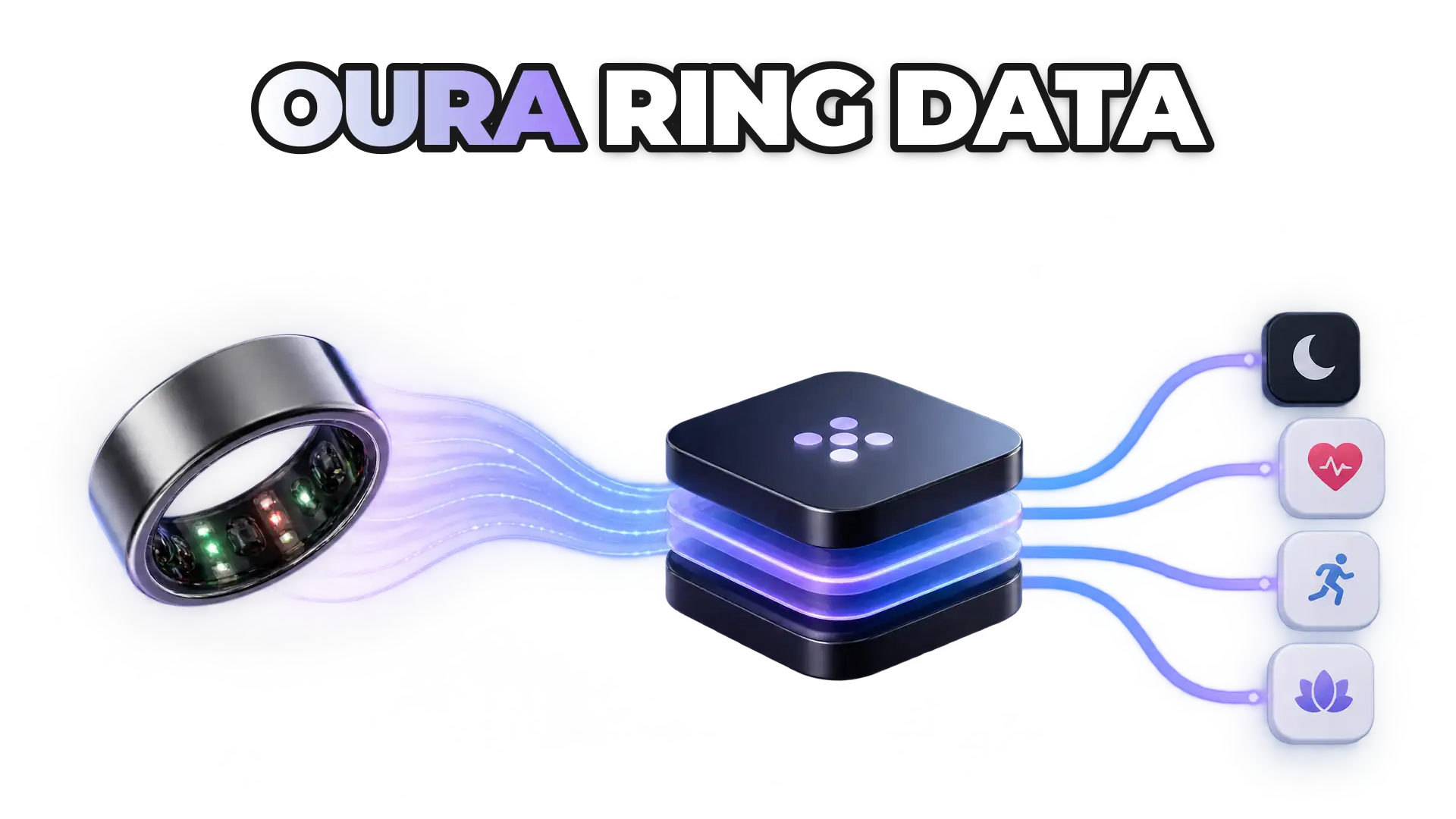
- Oura rings are now a part of ROOK's compatibility lineupROOK added Oura as a data source, so health apps can receive Oura sleep, heart rate variability, activity and recovery data through ROOK.Read more
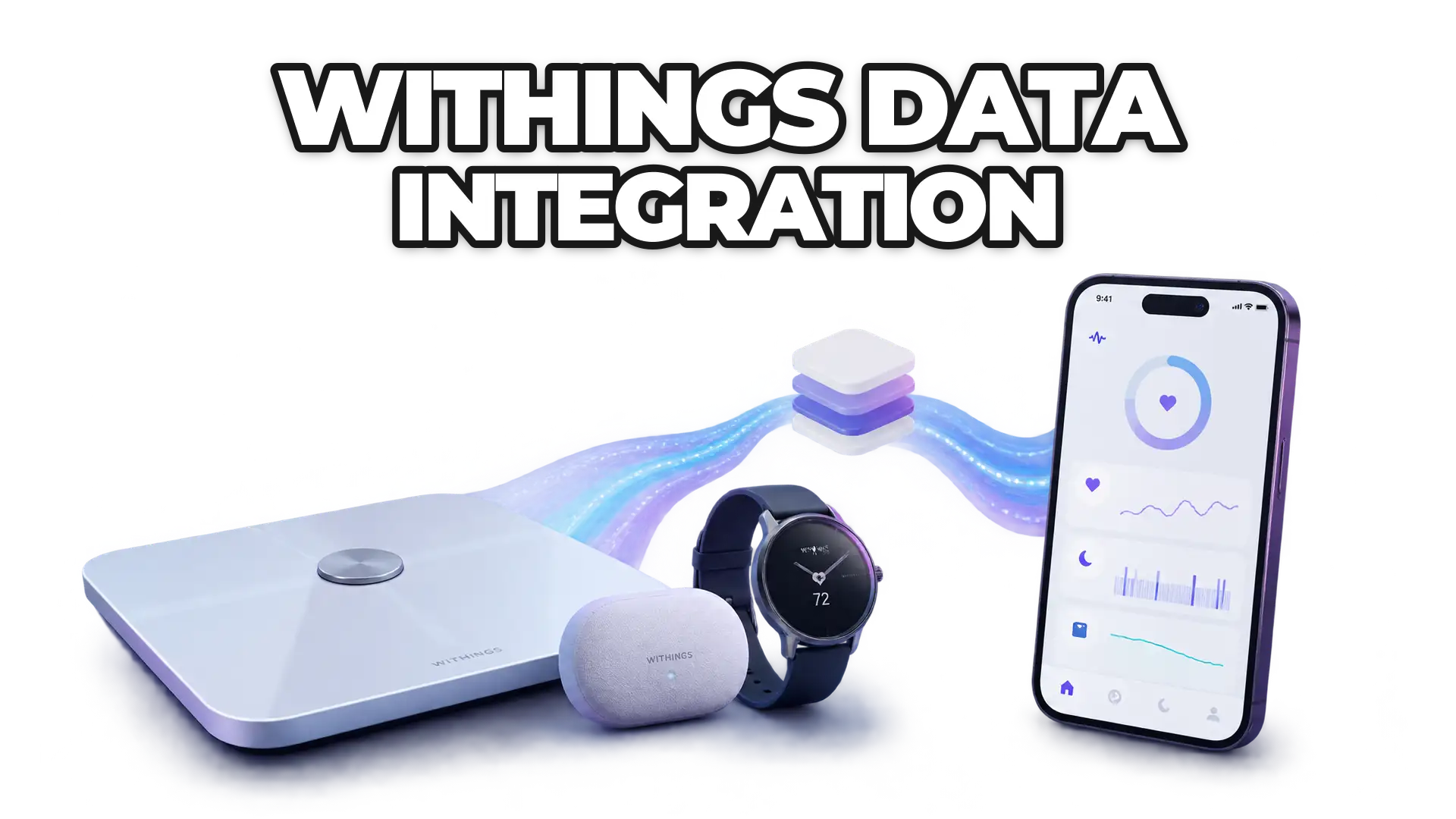
- Withings Devices Are Now Available via ROOK's Health Data APIWithings smart scales, sleep sensors and wearables are now a data source you can integrate into your health app through ROOK's API.Read more
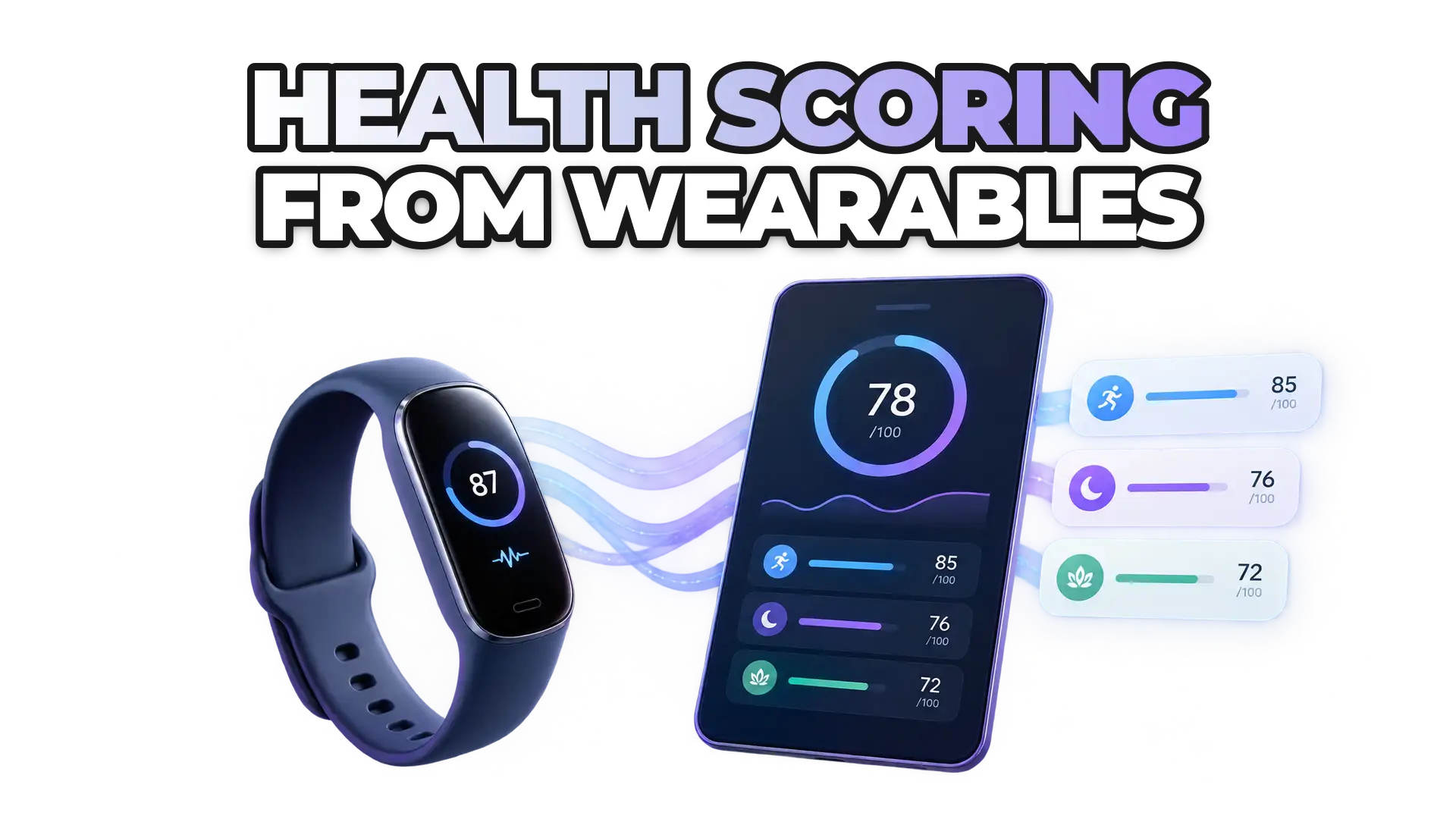
- What is ROOKScore and how does it score health from 0 to 100?ROOKScore turns activity, sleep and readiness data from ROOKConnect into a 0–100 score, adjusted for age, gender, weight and height.Read more
- Build or Buy Wearable Integrations for Your App?Build wearable integrations in-house or use ROOK? Compare customization, cost, time to market, team needs, and data privacy before you decide.Read more

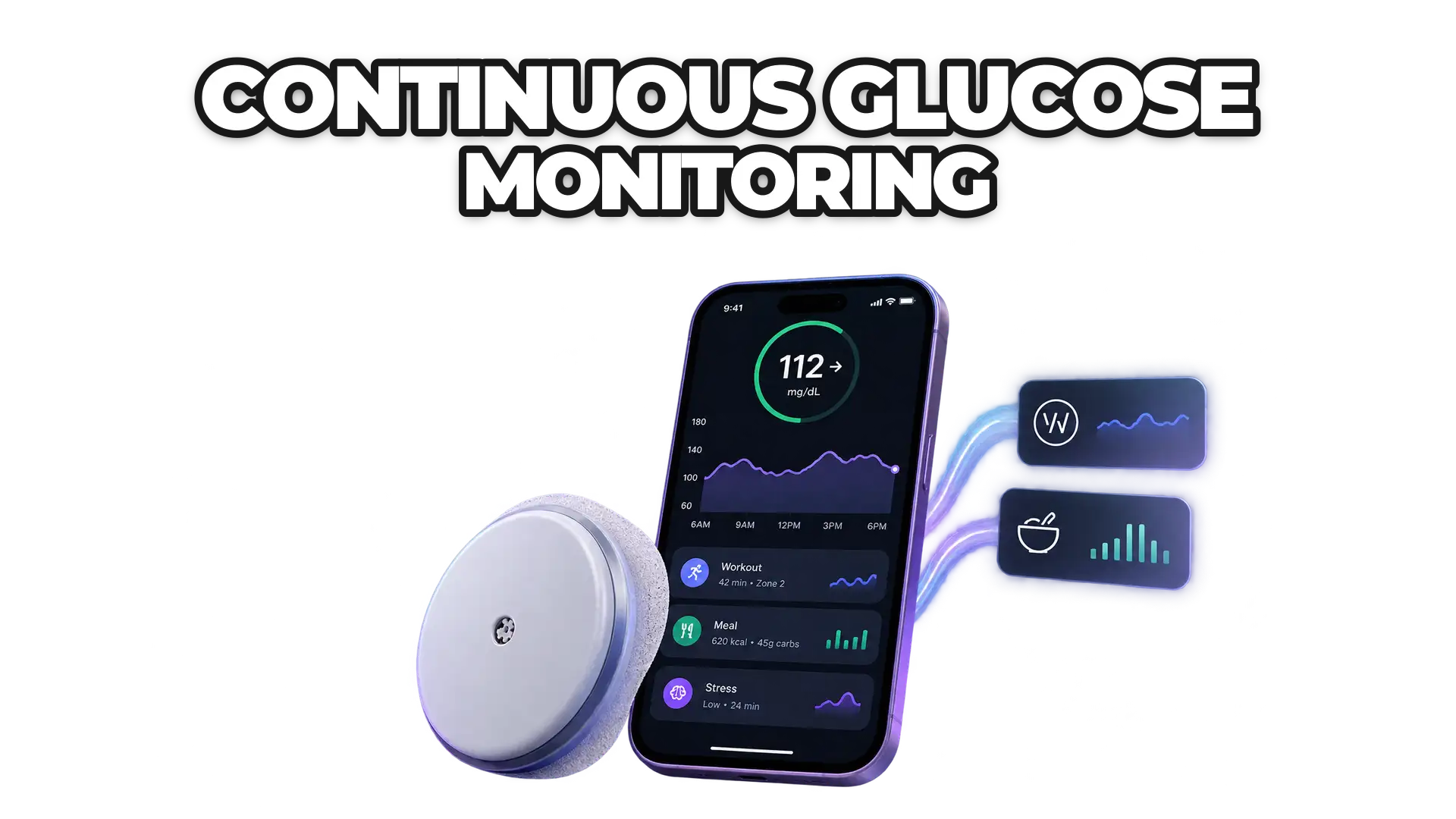
- What can a CGM show about exercise, food, and glucose? A Libre testA two-week personal test of the Abbott FreeStyle Libre with Supersapiens, WHOOP, and MyFitnessPal: what glucose data showed about training, food, and energy.Read more
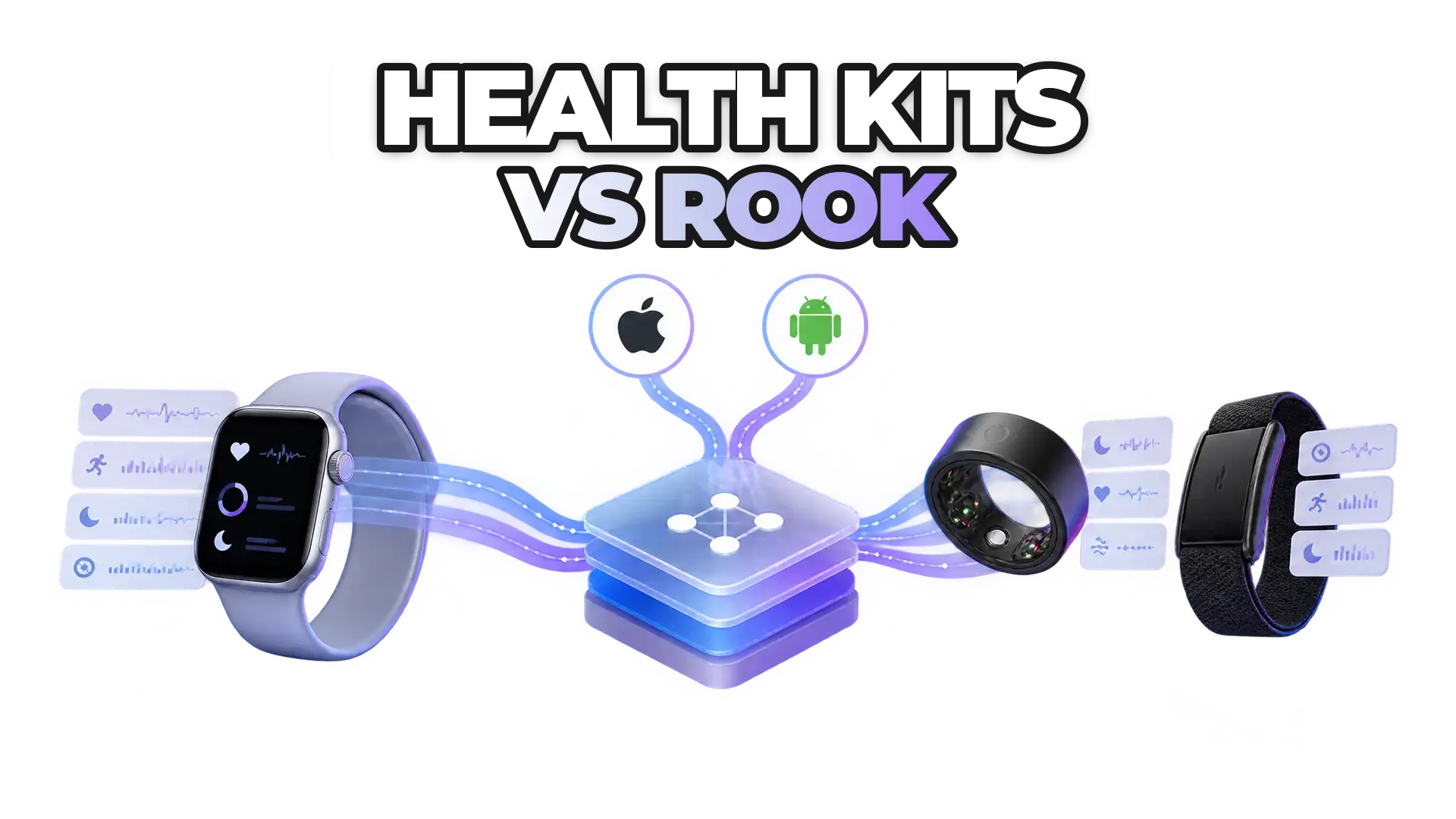
- Health Kits vs. ROOK: Do You Need More Than Apple Health?Apple Health and Google Fit are tied to one platform and store basic data. ROOK integrates with both, plus wearables directly, in one format.Read more
- Why Did RookMotion Rebrand to ROOK?In March 2023, RookMotion became ROOK: a new name, logo and website reflecting the shift from gym heart rate monitoring to a health data API.Read more
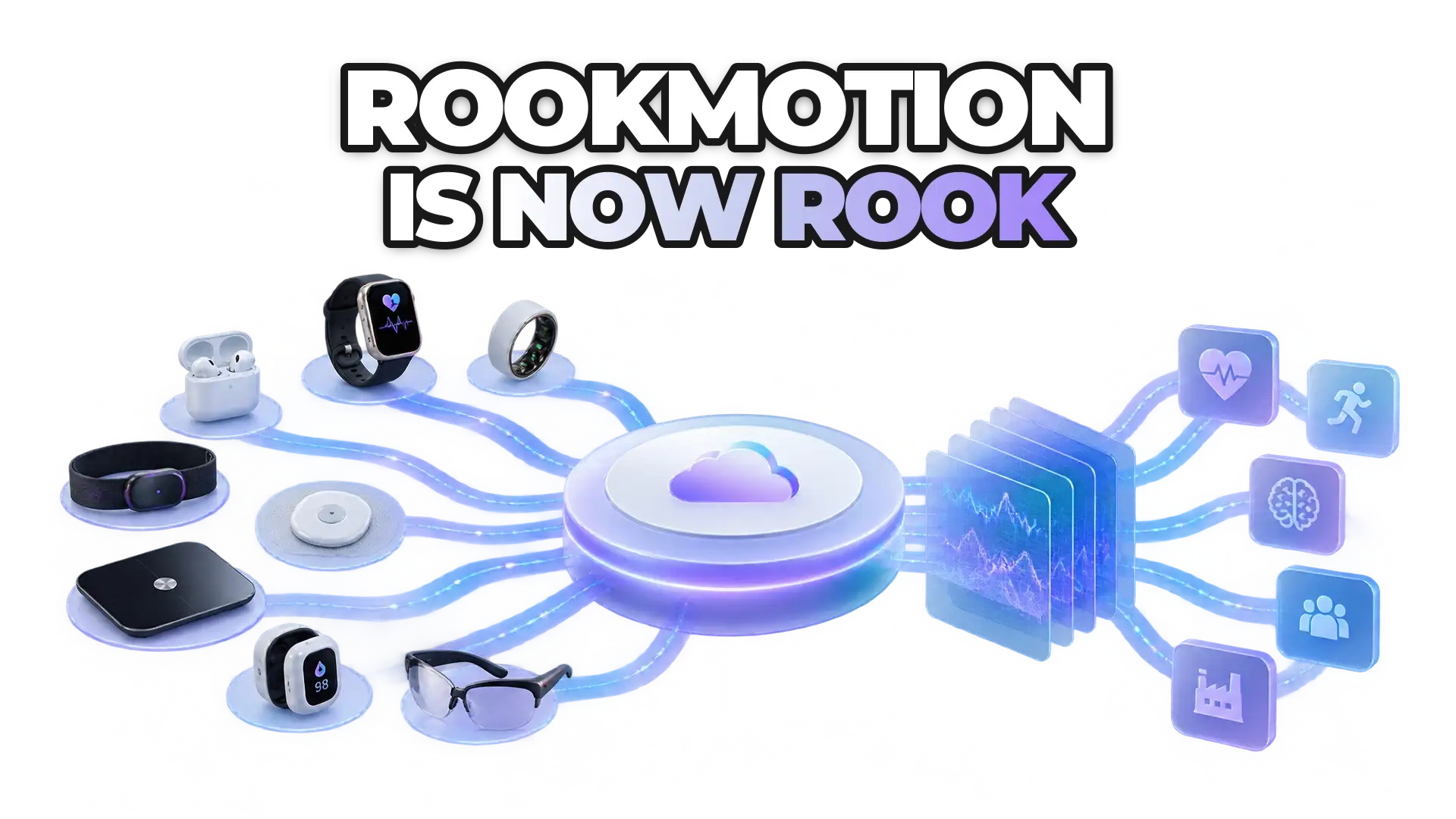
- RookMotion (now ROOK) Raises $1.7M Pre-Seed for Actionable Health DataOn March 20, 2023, ROOK (previously RookMotion) raised $1.7M in pre-seed funding led by NuFund Venture Group and rebranded around a B2B SaaS health data API.Read more
Nothing matches that search.