Blog
How can LATAM companies use wearable data without building hardware?
Companies in Latin America can use wearable data through one API instead of building devices or one integration per manufacturer. How ROOK makes that possible.
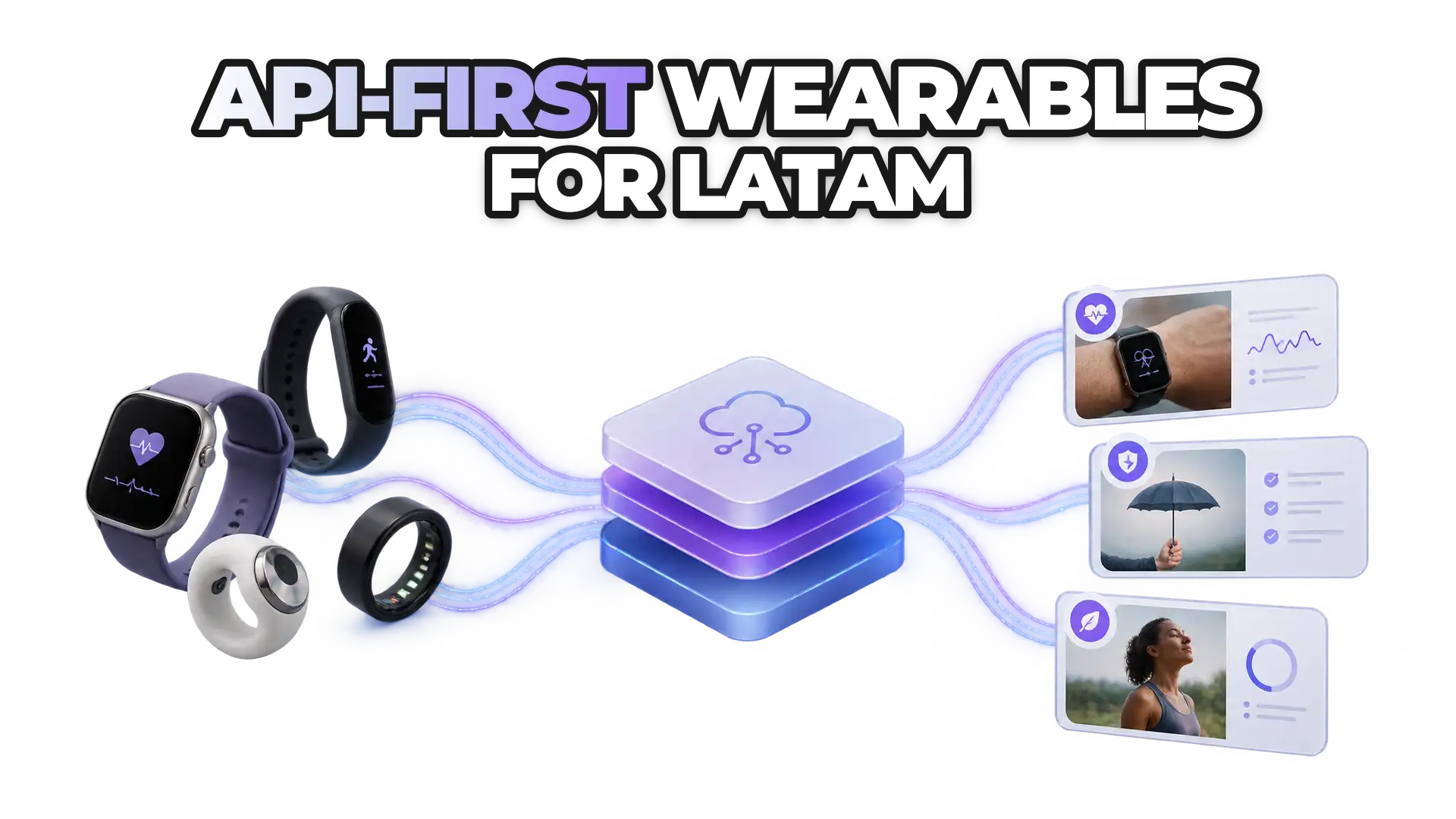
Companies in Latin America (LATAM) can build wearable products without manufacturing or importing devices by connecting to the wearables their users already own. ROOK Connect gives them data from different wearables through a single API instead of one integration per manufacturer. That lowers the cost, distribution and access barriers that make hardware hard to scale in LATAM, and lets one integration serve several countries.
Why is scaling wearable solutions through hardware hard in LATAM?
In LATAM, scaling wearable solutions through hardware alone is difficult because costs, distribution and accessibility create barriers that slow down innovation.
As a result, many LATAM companies are left out of the wearable ecosystem not because they lack ideas, but because they lack access.
How does ROOK remove the fragmentation barrier?
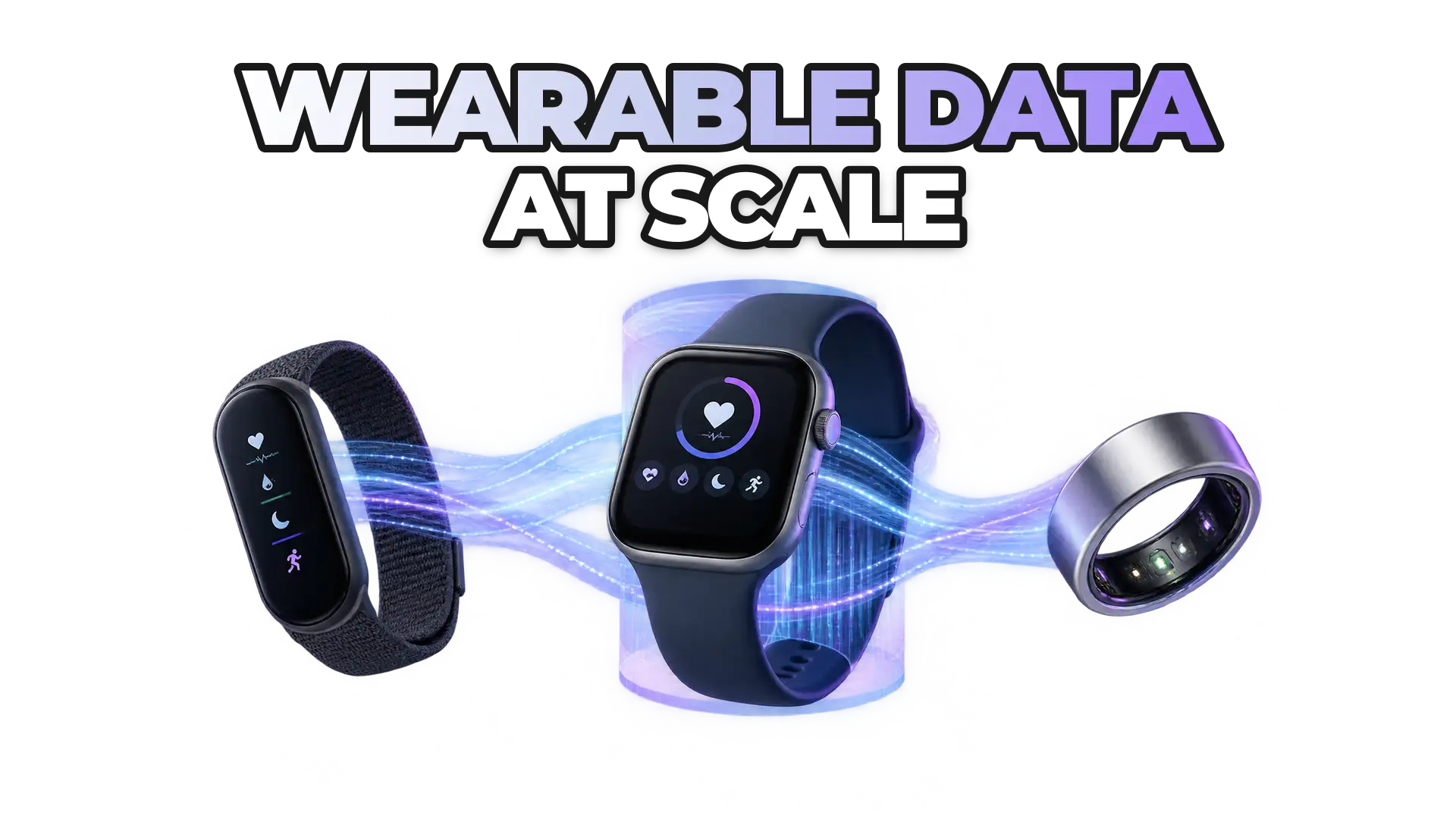
ROOK removes wearable data fragmentation by replacing many device-specific integrations with one API. Instead of integrating with multiple device manufacturers individually, companies use ROOK to access data from different wearables through a single API. ROOK supports 72 data sources and more than 500 devices; the explanation of wearable data chaos covers why fragmentation is the core problem.
For a LATAM company, a single wearable API means:
- No need to build hardware
- No need for multiple complex integrations
- Faster time to market
Why does a single wearable API matter specifically in LATAM?
The LATAM market does not need more devices; it needs smarter ways to use existing ones. ROOK enables LATAM companies to:
- Enter the wearable space without heavy investment. Startups and companies can build solutions without manufacturing or importing devices.
- Create localized solutions. Products can be tailored to regional needs in health, wellness and insurance.
- Scale faster across countries. One integration can serve multiple markets.
This shifts the focus from infrastructure to innovation.
Which business models does wearable data open up in LATAM?
Wearable data accessed through an API like ROOK makes these business models possible in LATAM:
- HealthTech: Remote patient monitoring using wearable data
- Insurance: Usage-based models driven by real user behavior
- Corporate wellness: Programs based on continuous activity data
- Fitness platforms: Personalized insights without owning hardware
These models are especially relevant in LATAM, where access and scalability are key. ROOK moves and standardizes the data; it does not diagnose or replace clinical judgment.
What advantage do early adopters of wearable APIs gain?
Companies that adopt wearable APIs like ROOK early are not just building products; they are building ecosystems. Early adopters can:
- Launch faster
- Iterate based on real data
- Focus on user experience instead of infrastructure
In a market like LATAM, this can be the difference between leading and lagging. For the build-versus-buy trade-off in detail, see in-house vs. third-party wearable data integration.
What will define the next wave of wearables in LATAM?
The next wave of wearables in LATAM will not be defined by who builds the best device, but by who can access and use the data effectively. ROOK makes wearable data more accessible, standardized and usable across the region.
To see the data for yourself, create a ROOK sandbox account.
 Written byJuana Carolina Ordoñez MerchanInternal Digital Marketing