Blog
What are the hidden costs of fragmented wearable data?
Fragmented wearable data costs retention, operations, insights and compliance effort. AI-assisted standardization can unify the streams.
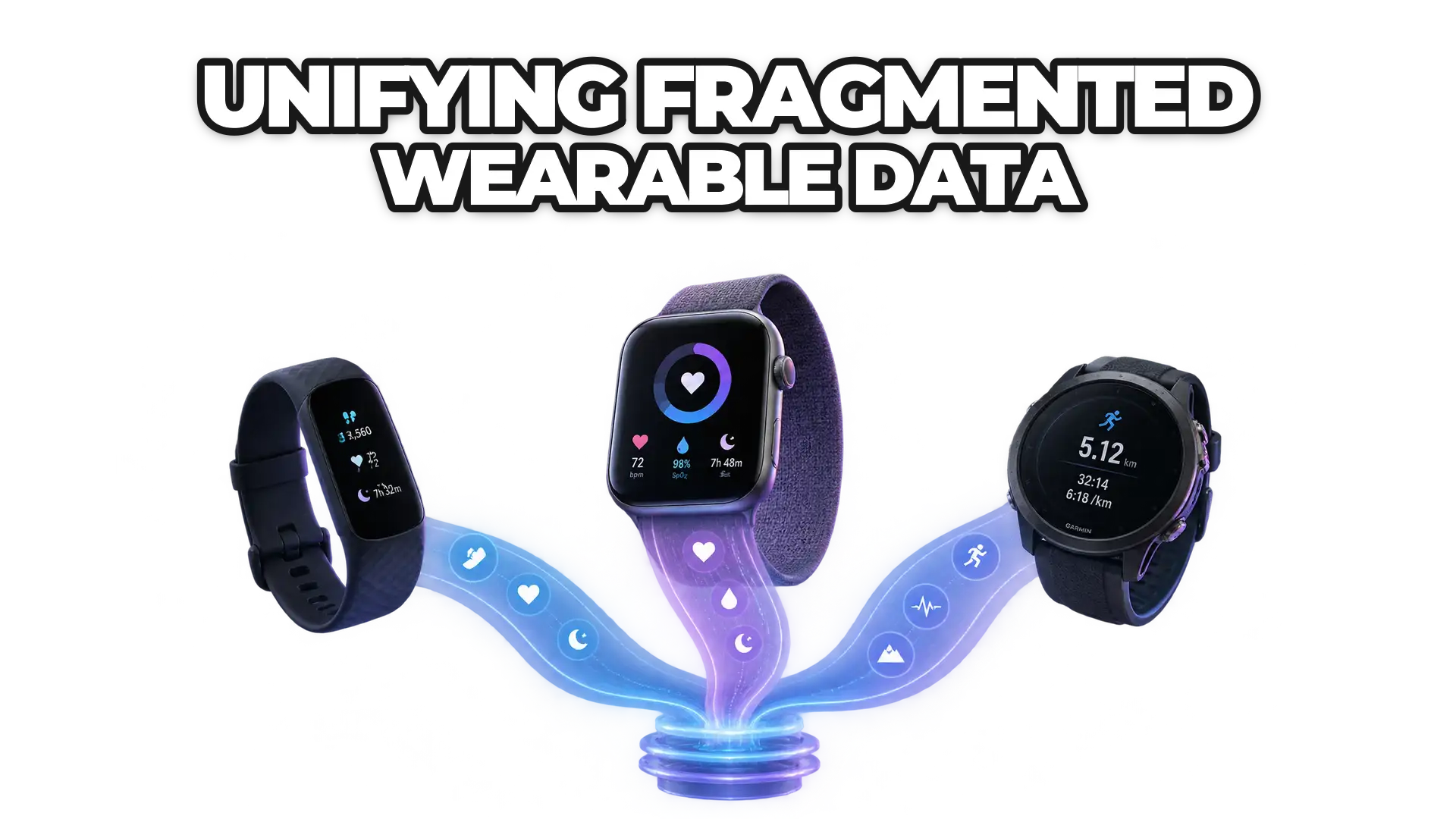
Fragmented wearable data has four hidden costs: lower customer retention when users juggle apps, higher operational costs to maintain one integration per device, limited insights because activity and sleep sit in separate places, and harder compliance work under regulations like HIPAA and GDPR. AI-assisted processing that standardizes data from devices such as Fitbit, Garmin and Apple Watch into one stream addresses each cost.
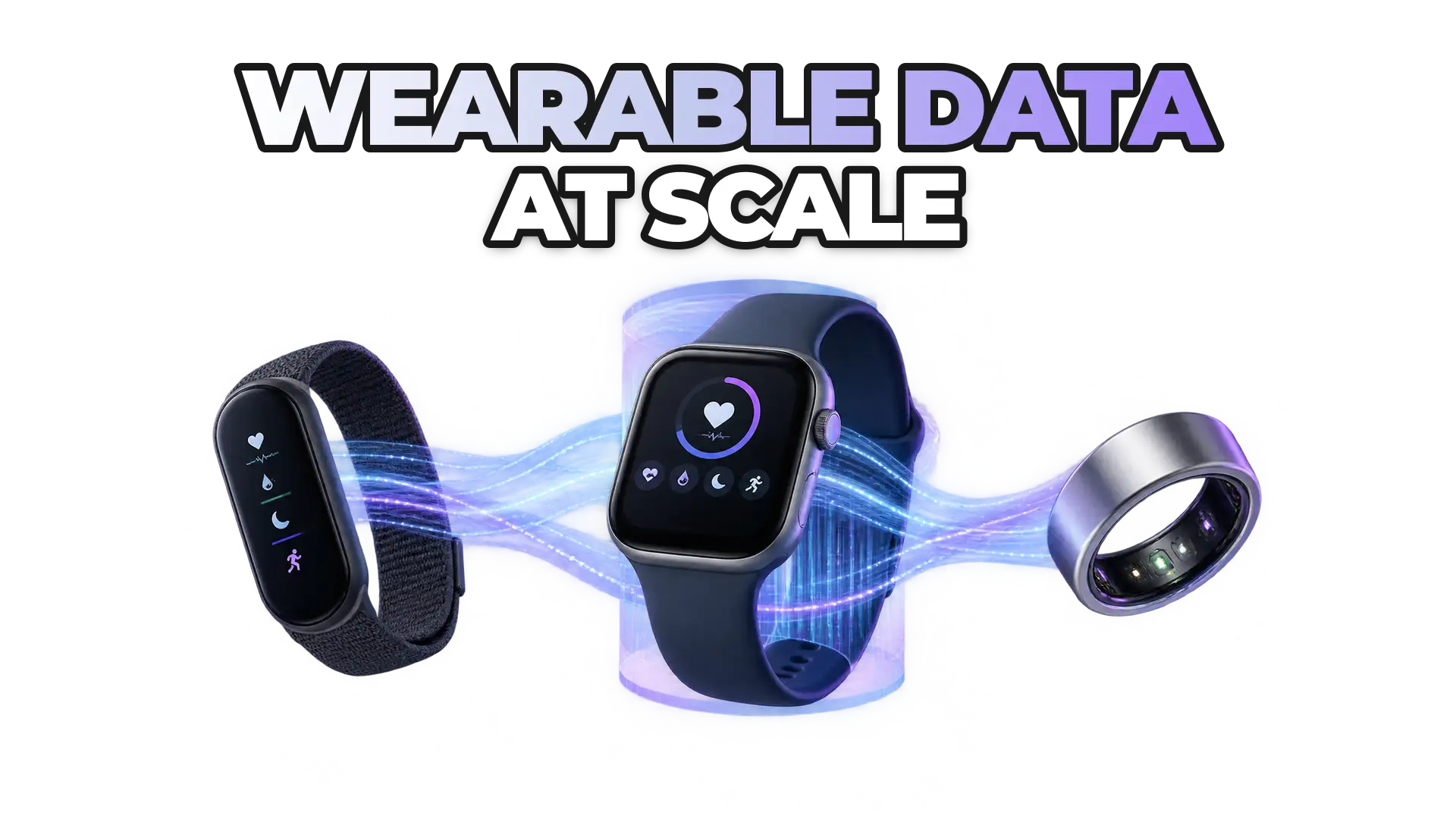
Wearable devices play an increasingly important role in tracking fitness, health metrics and wellness. From fitness trackers like Fitbit and Garmin to smartwatches such as the Apple Watch, wearables let users monitor everything from heart rate to sleep patterns. Their potential is often held back by fragmented integrations across platforms and devices, which create inefficiencies, poor user experiences and missed opportunities for businesses and healthcare providers.
What is wearable data fragmentation?
One of the main issues with the current wearable ecosystem is that users often find themselves juggling multiple devices and apps. While each wearable device is excellent at tracking specific metrics—whether it’s sleep, activity, or heart rate—these devices rarely share data with each other.
As a result, users are forced to manually input data into multiple apps or struggle with incompatible systems. Fragmentation causes four key issues:
Multiple Data Sources: Users are left with a fragmented view of their health. For example, one device tracks physical activity while another tracks sleep. Without a unified view of the data, it’s difficult to understand the overall impact on their health.
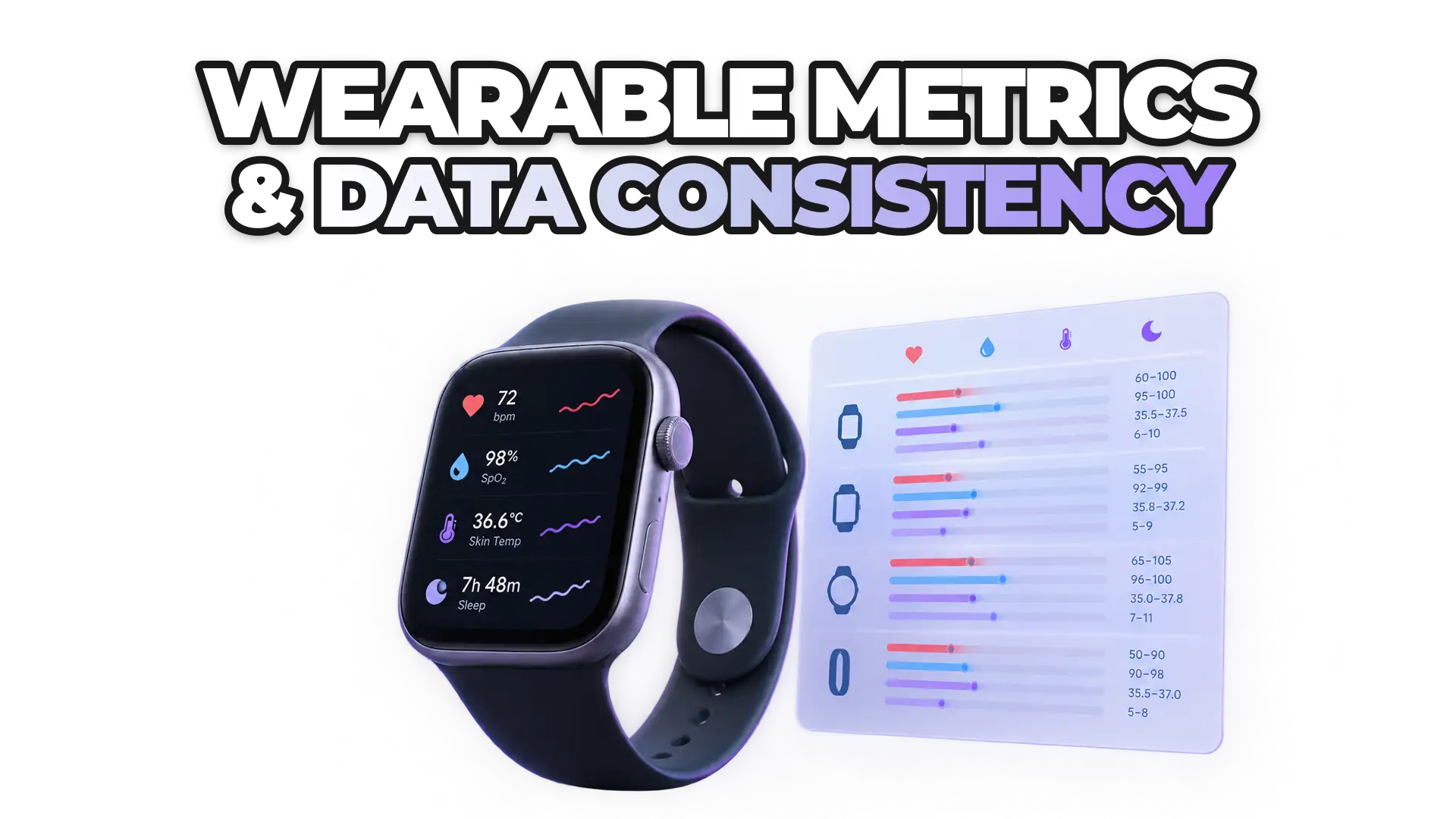
Inaccurate Data: Different devices often measure the same metrics in different ways, leading to discrepancies and inaccuracies in data. This can cause confusion for users who are trying to track their progress over time.
Inefficient User Experience: The need to switch between multiple apps and devices to view different health metrics creates a poor user experience. This fragmentation leads to disengagement, as users find it cumbersome to monitor and act on their health data.
Missed Business Opportunities: For companies in the health and fitness industry, fragmented integrations mean missed opportunities to offer valuable insights, personalized recommendations, or to engage users with an all-in-one experience.
What does fragmented wearable data cost businesses?
The consequences of fragmented wearable integrations extend beyond just frustration for users. Businesses and healthcare providers face four hidden costs when their systems aren’t integrated.
How does fragmentation hurt customer retention?
Fragmented data and poor user experience lead to lower customer retention rates. When users must manually manage different platforms, they are less likely to continue using those services. If they can’t easily see their progress or connect their health data, they’re more likely to abandon the app or switch to a competitor with a more unified experience.
How does fragmentation raise operational costs?
Businesses that rely on multiple integrations across different devices and platforms often face higher operational costs. They may need dedicated teams to manage these integrations, resolve data syncing issues, and maintain compatibility with various wearable manufacturers. This fragmentation makes it difficult to scale, adding to both financial and human resource strain.
How does fragmentation limit data insights?
Without proper data integration, businesses miss the opportunity to gain comprehensive insights into user behavior and health trends. Fragmented data limits the ability to analyze user behavior holistically, preventing companies from offering personalized recommendations that could drive engagement and improve outcomes.
How does fragmentation create compliance and security risks?
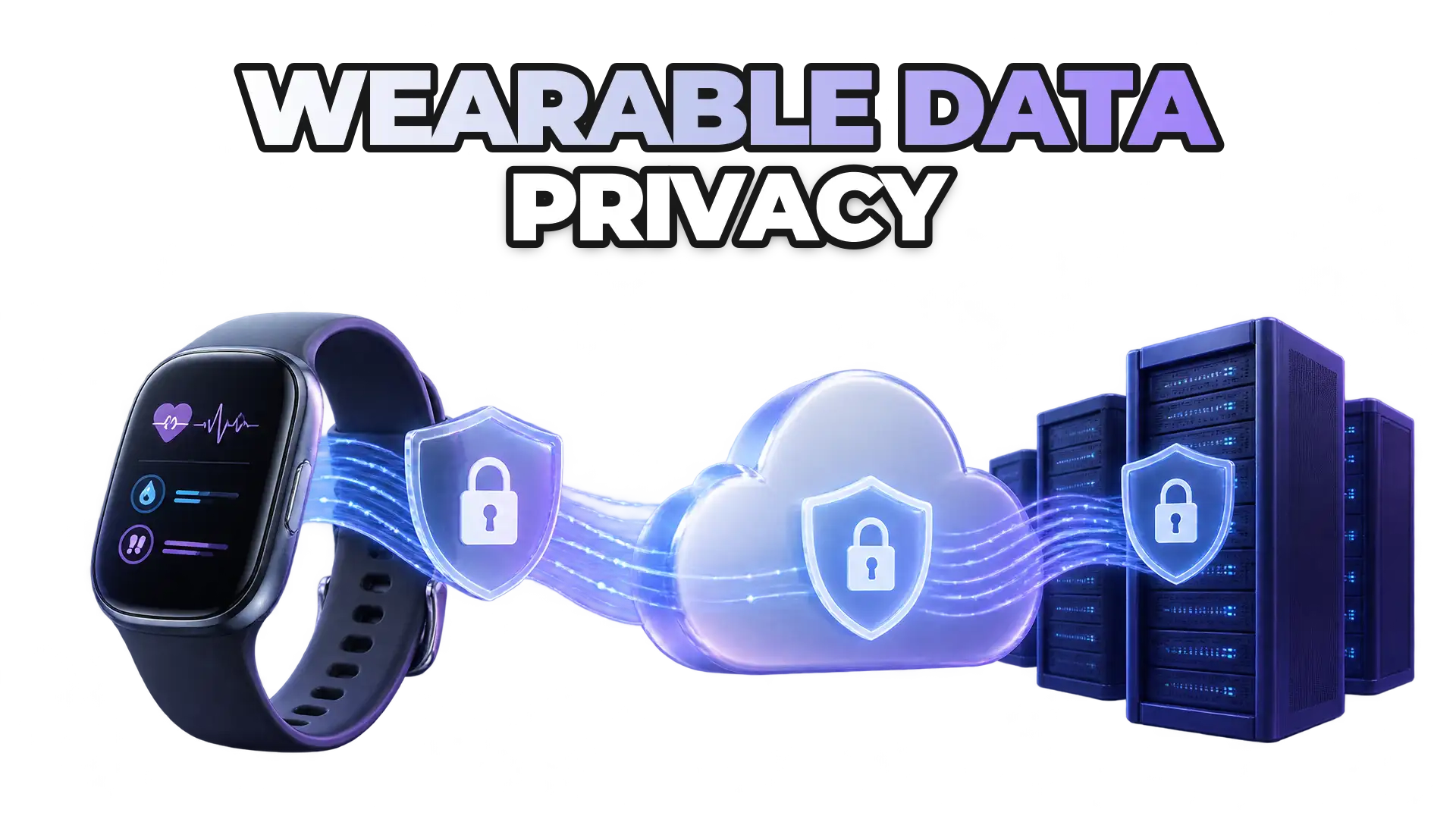
In healthcare, data fragmentation creates potential security and compliance risks. Managing multiple data sources without centralized oversight makes it harder to meet regulations like HIPAA or GDPR, which govern the security and privacy of health data. This lack of integration can increase the risk of data breaches or privacy violations, with severe legal and financial consequences.
How can AI reduce the costs of fragmented wearable data?
AI has the potential to solve many of the issues caused by fragmented wearable integrations. By using AI to unify data sources, businesses can streamline the user experience and improve the quality of health insights. AI helps in five ways.
How does AI unify wearable data?
AI-powered platforms can unify data from multiple devices into a single, consistent stream. For example, AI algorithms can process and standardize data from wearables like Fitbit, Apple Watch, and Oura Ring, merging them into a centralized platform. Harmonized data allows users to see a complete picture of their health without having to switch between apps or devices.
How does AI turn unified data into personalized insights?
AI doesn’t just unify data—it analyzes it as it arrives. By leveraging machine learning, AI can generate personalized recommendations based on users’ behavior, health trends, and goals. For example, AI could surface patterns in a user’s sleep and activity data that a product can use to suggest lifestyle changes. These insights can help users make smarter health decisions and stay engaged with the platform.
How does AI improve consistency across devices?
AI algorithms can automatically compare and standardize data from different wearables, improving the accuracy of health metrics. By eliminating discrepancies between devices, standardization makes the data users rely on more consistent. This improves the overall user experience and helps build trust in the platform.
How does AI lower integration costs?
AI-driven integrations reduce the operational burden on businesses. By automating data processing and integration, companies can cut down on manual work and focus on providing more valuable services. AI platforms can also scale more easily, allowing businesses to grow without facing the complexity and cost of managing fragmented systems.
How can AI support security and compliance?
AI systems can help manage and secure health data, but compliance depends on the overall security program, not the algorithm. ROOK operates under a HIPAA-aligned security program, signs BAAs with covered entities, and processes EU personal data under GDPR as a data processor.
Why should health and fitness companies unify wearable data?
The hidden cost of fragmented wearable integrations—whether it’s lost customer retention, increased operational costs, or limited insights—can significantly impact both businesses and users. However, AI-driven solutions offer a way forward, transforming how data is collected, analyzed, and presented. By leveraging AI to unify data from multiple devices, companies can create a unified user experience, offer personalized insights, and ultimately improve customer satisfaction and retention.
For businesses in health and fitness, adopting AI to solve the problem of fragmented integrations helps them stay competitive in digital health.
To see what unified data looks like in practice, read how to bring order to wearable data chaos and why most remote monitoring setups don't scale, or try standardized wearable data in the ROOK sandbox.
 Written byDaniel MasDigital Marketing Lead