Blog
How are wearables used in clinical trials and digital health?
How wearables support continuous data collection, remote participation and digital endpoints in clinical trials, and how a unified API helps.
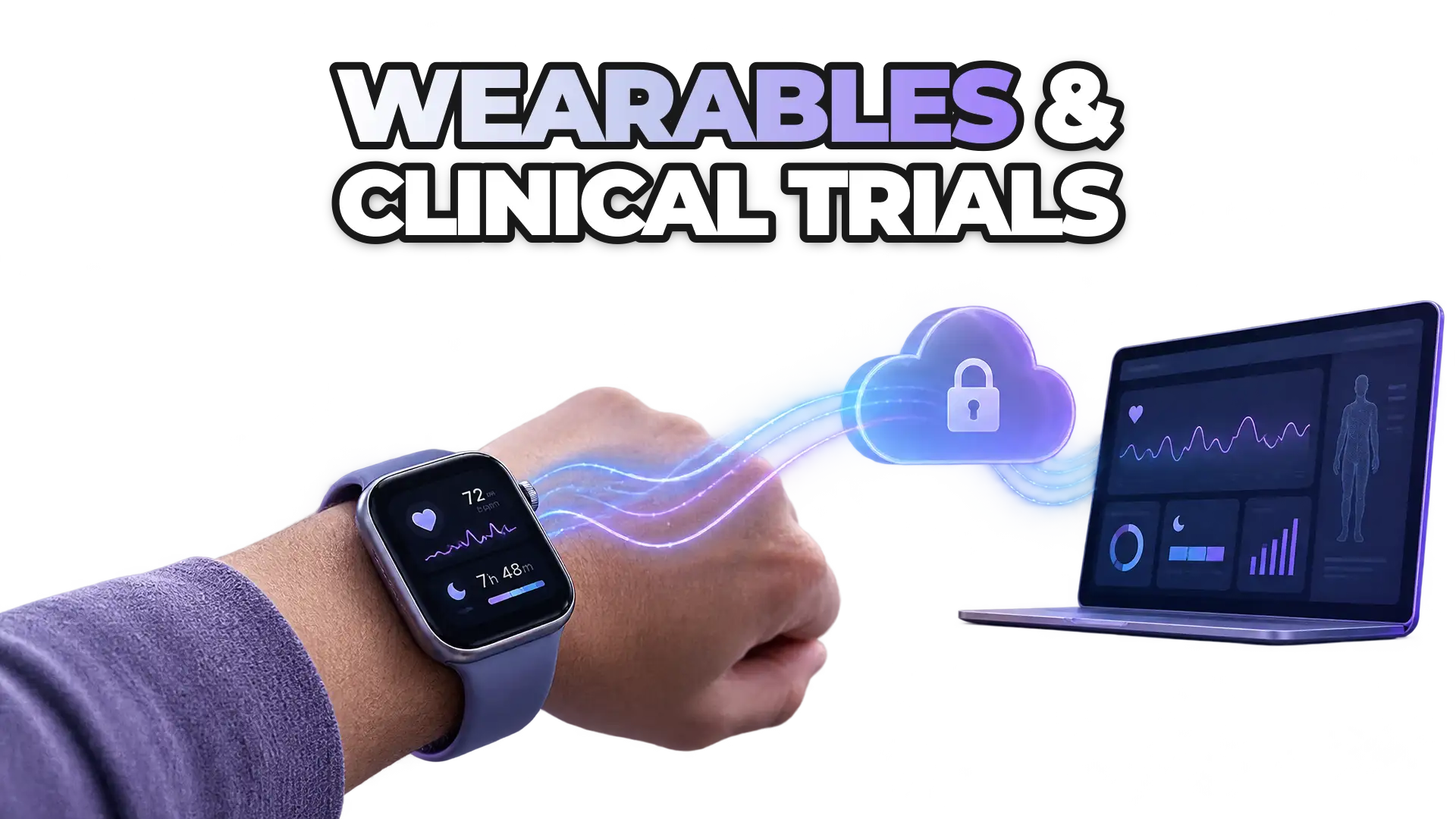
Wearables are used in clinical trials to collect continuous data on heart rate, sleep, physical activity and temperature outside site visits, to support remote participation, and to build digital endpoints from objective data. In digital health, the same data helps measure real-world usage and adherence. A unified API such as ROOK reduces the work of integrating each device by delivering standardized data from many sources.
Smartwatches, rings, activity bands and medical sensors have evolved beyond fitness tools. Today, wearables collect real-world health data continuously and support the development of new therapies and digital health products.
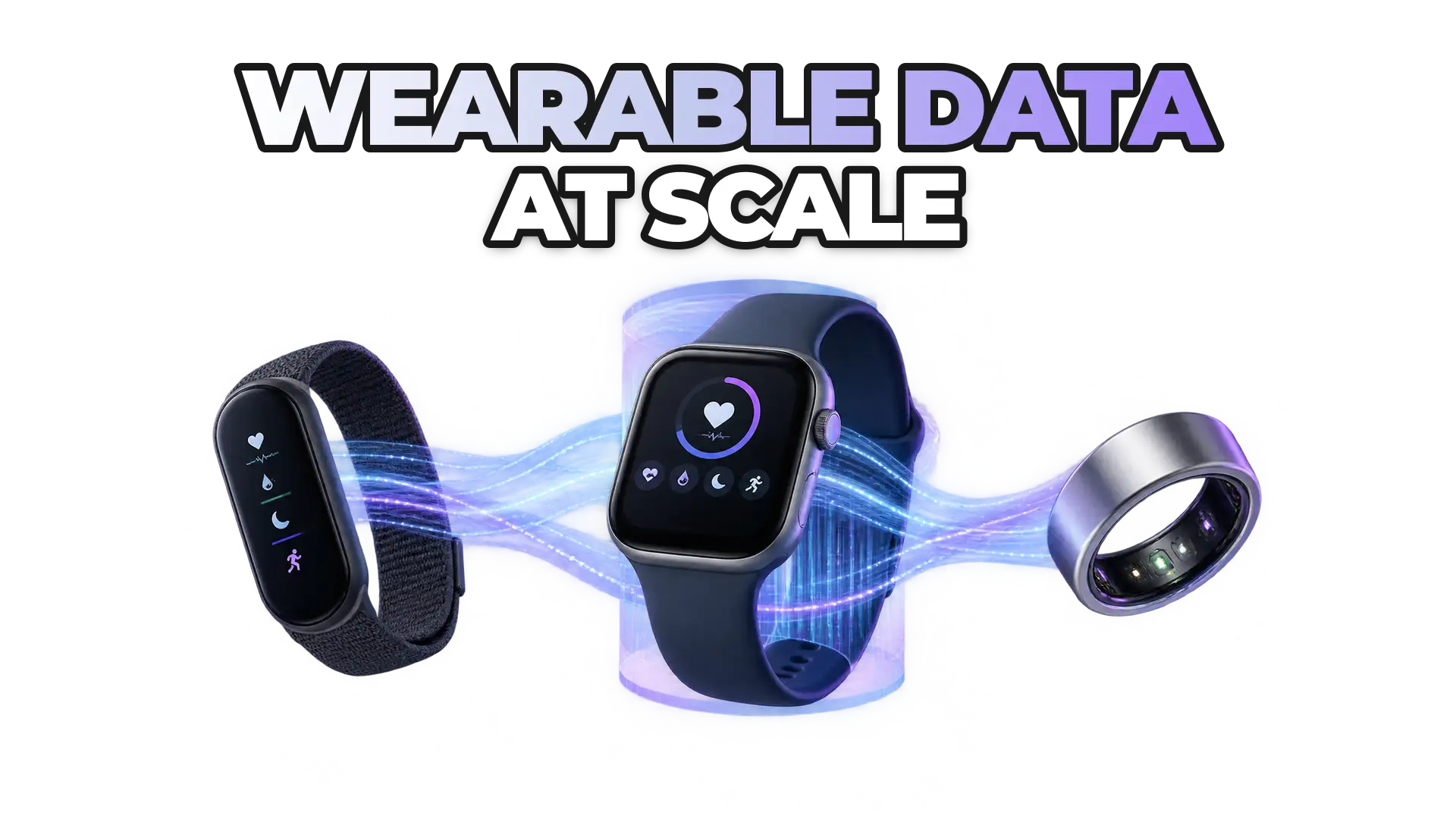
As healthcare shifts toward more connected and personalized models, wearables link clinical research and digital health products. Platforms like ROOK integrate data from 72 data sources and more than 500 devices through a single API, which makes wearable studies easier to set up and scale.
How do wearables change clinical research?
Wearables address limits of traditional clinical trials, which rely on in-person visits, self-reported data and episodic measurement that may not reflect how a person responds to treatment in daily life.
Wearables are reshaping how studies are designed and conducted, with advantages such as:
Continuous data collection: 24/7 tracking of metrics like heart rate, sleep, physical activity and temperature
Remote participation: less reliance on site visits, which can improve accessibility and participant retention
Digital endpoints: New ways to measure therapeutic efficacy based on objective data
Flexible, participant-centric protocols: Greater representativeness, convenience, and adaptation to real-world settings
Wearable data is being explored across cardiovascular, mental, neurological, metabolic and rare-disease research.
What makes integrating wearables into research hard?
Integrating wearables into research projects or digital products is hard because of technical and operational complexity, including:
- Fragmented device ecosystems with different SDKs, APIs, and authentication flows
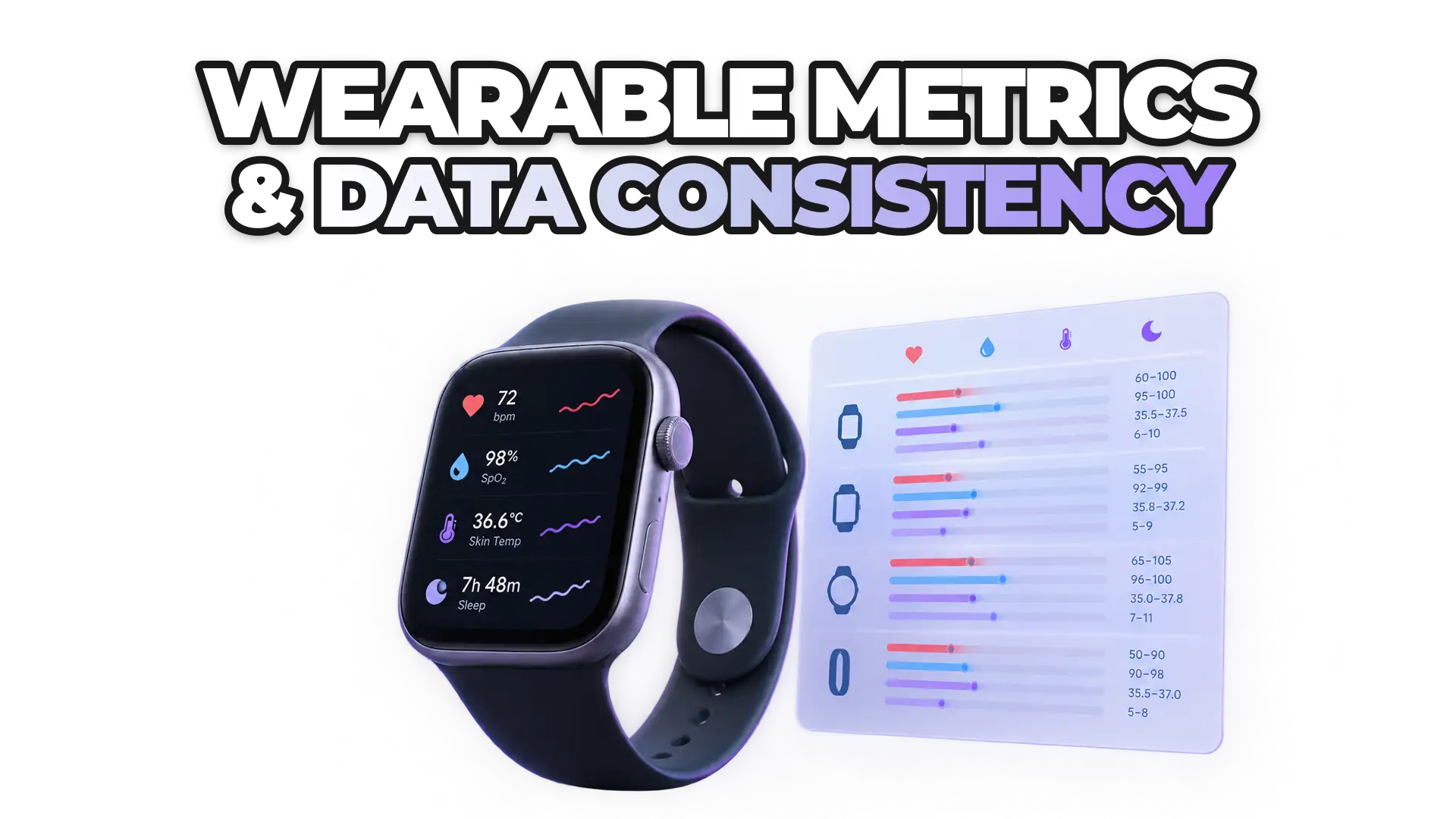
- Inconsistencies in data quality, sampling frequency, and formats
- Difficulties integrating data into existing clinical platforms or workflows
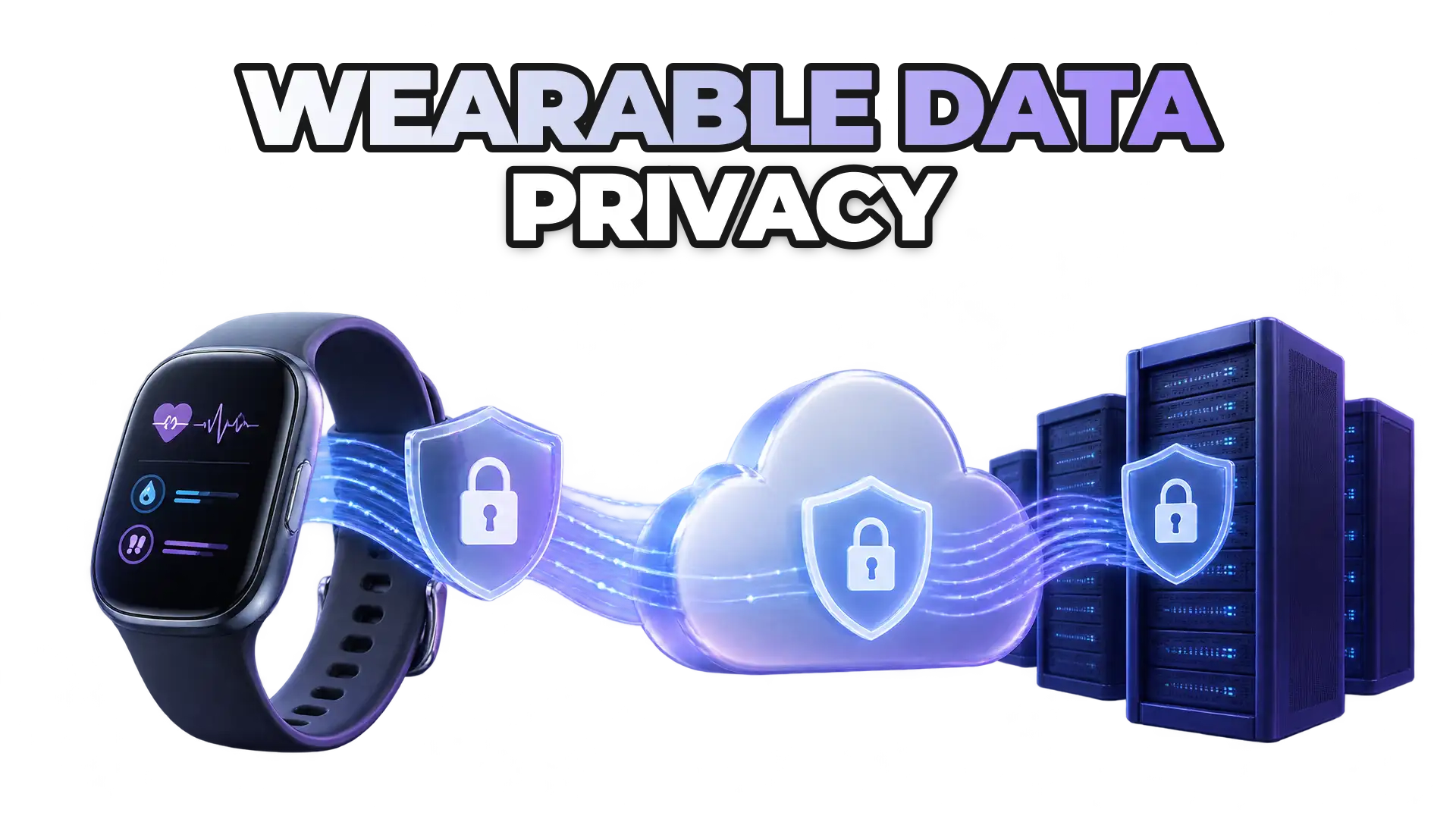
- Strict regulatory requirements around traceability, privacy, and standardization
Without the right infrastructure, these challenges consume significant time and resources and limit how far a study or product can scale.
How do APIs help integrate wearable data at scale?
APIs help by giving one standardized integration instead of one per device. With a single integration, ROOK lets organizations access normalized health data from 72 data sources and more than 500 devices without managing custom connections for each one.
Key benefits of a unified wearable API include:
- Standardized access to multiple health metrics
- Unified data formats, with consistent units and aligned timestamps
- Data sync and user management designed for scale
- Compatibility with analysis tools and digital health platforms
A unified API reduces operational complexity, shortens development timelines and keeps data formats consistent across a product or study lifecycle. ROOK moves and standardizes the data; it does not diagnose or replace clinical judgment.
How do wearables help digital health products beyond research?
Beyond research, wearables help validate digital therapeutics, wellness platforms and preventive health tools. Product teams can use wearable data to:
- Measure real-world usage and adherence
- Personalize user experiences based on physiological data
- Gather ongoing evidence for clinical claims and reimbursement strategies
- Build trust through transparent health metrics
Why does a connected ecosystem matter for wearable research?
The intersection of wearables, clinical research and digital health is a chance to rethink how health solutions are designed, evaluated and scaled, and the right data infrastructure is what makes that possible. For pharma-specific use, read how AI and wearable data support pharma evidence, and to start integrating, see the ROOK developer documentation.
 Written byDaniel MasDigital Marketing Lead