Blog
How Do Wellness Platforms Integrate Wearable Devices?
How wellness platforms connect Fitbit, Garmin, Apple Watch, Oura and WHOOP through APIs, what users gain, and the challenges of fragmentation, privacy and sync.
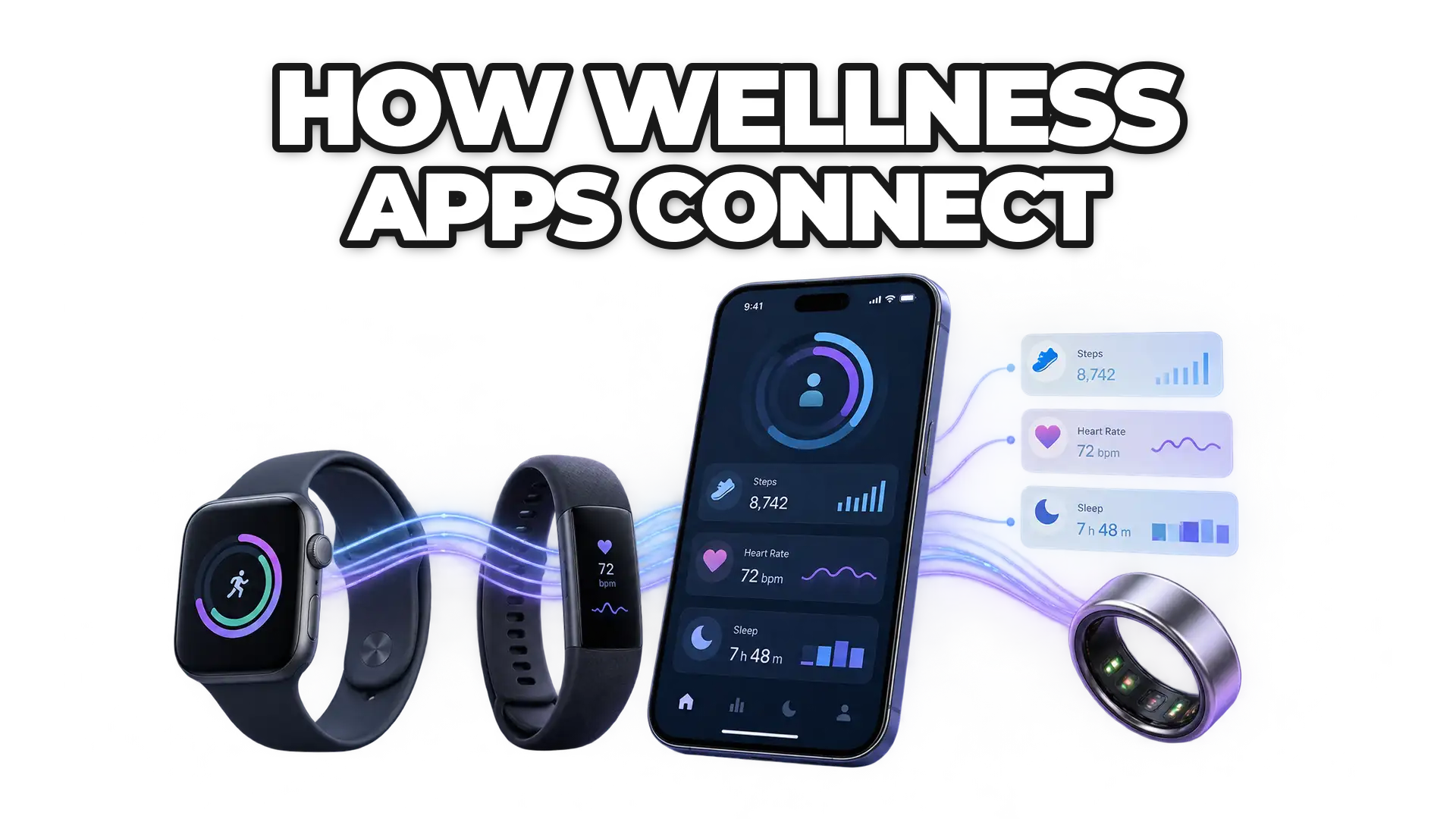
Wellness platforms integrate wearable devices through APIs: users connect their wearable accounts, the platform syncs metrics such as steps, heart rate and sleep in standardized formats like JSON, then analyzes and visualizes the data in dashboards. Integrations remove manual entry and personalize plans, but platforms must handle data fragmentation across brands, privacy regulations such as HIPAA, and unreliable syncing.
Why are wearable integrations important for wellness platforms?
Wearable integrations matter because wearables provide continuous data on physical activity, heart rate, sleep patterns, stress levels and more, which users rely on to track progress and make better lifestyle decisions. As fitness trackers and smartwatches become mainstream, users expect their wellness platforms to connect to them.
Without wearable integrations, users must enter data manually or rely on fragmented systems, which leads to inconsistent and inaccurate data. Integrating wearables gives users a more complete picture of their health in one centralized system.
What are the benefits of wearable integrations?
The main benefits of wearable integrations are continuous tracking, personalization, fewer manual errors, engagement and a single place for health data:
Continuous health tracking: Connected wearables let users follow their health data as it syncs, track progress, set goals and get prompt feedback.
Personalized wellness plans: With wearable data, wellness platforms can tailor recommendations, workout plans and diet advice to individual metrics. For instance, activity data can help a platform suggest personalized workouts or activity challenges.
Fewer manual errors: Integrating wearables removes manual input, which reduces human error and makes health insights more reliable.
Improved engagement: Users who see their progress and receive relevant insights are more likely to stay engaged with their wellness platform.
Health and fitness tracking in one place: Wearable integrations let a wellness platform show physical activity, sleep patterns and mental well-being in a single interface.
How does the wearable integration process work?
A wearable integration connects the device's data to the wellness platform through an API (application programming interface), in five steps:
Data syncing: Most wearables come with their own apps that collect user data. The wellness platform connects to those apps through APIs that sync metrics such as steps, calories burned, heart rate or sleep quality.
Standardized data formats: Wellness platforms rely on standardized formats such as JSON so data from Fitbit, Apple Watch, Garmin and other devices can be interpreted uniformly.
User authentication: Users connect their wearable accounts to the wellness platform and authorize access, which protects personal health information.
Data processing: Once data syncs, the wellness platform processes it and, depending on its capabilities, analyzes trends and generates insights for the user.
Visualization and feedback: Wellness platforms show the data in dashboards, charts and reports, for example a daily activity summary or a notification that sleep quality has declined.
Which wearables do wellness platforms integrate most often?
The wearables wellness platforms integrate most often include Fitbit, Apple Watch, Garmin, Oura and WHOOP:
Fitbit: A major fitness tracker brand, Fitbit integrates with many wellness platforms to share steps, heart rate, sleep and other metrics.
Apple Watch: Apple Watch shares data with wellness platforms through Apple Health, including physical activity and sleep.
Garmin: Garmin's GPS-enabled fitness trackers and smartwatches are popular for outdoor activities, and their data supports activity tracking, heart rate and sleep analysis.
Oura Ring: Oura's sleep-tracking ring provides sleep data that wellness platforms use for personalized sleep insights.
WHOOP: Designed for athletes and fitness enthusiasts, WHOOP continuously records heart rate, sleep and recovery data.
What are the challenges of wearable integrations?
The main challenges of wearable integrations are data fragmentation, privacy and security, and continuous syncing:
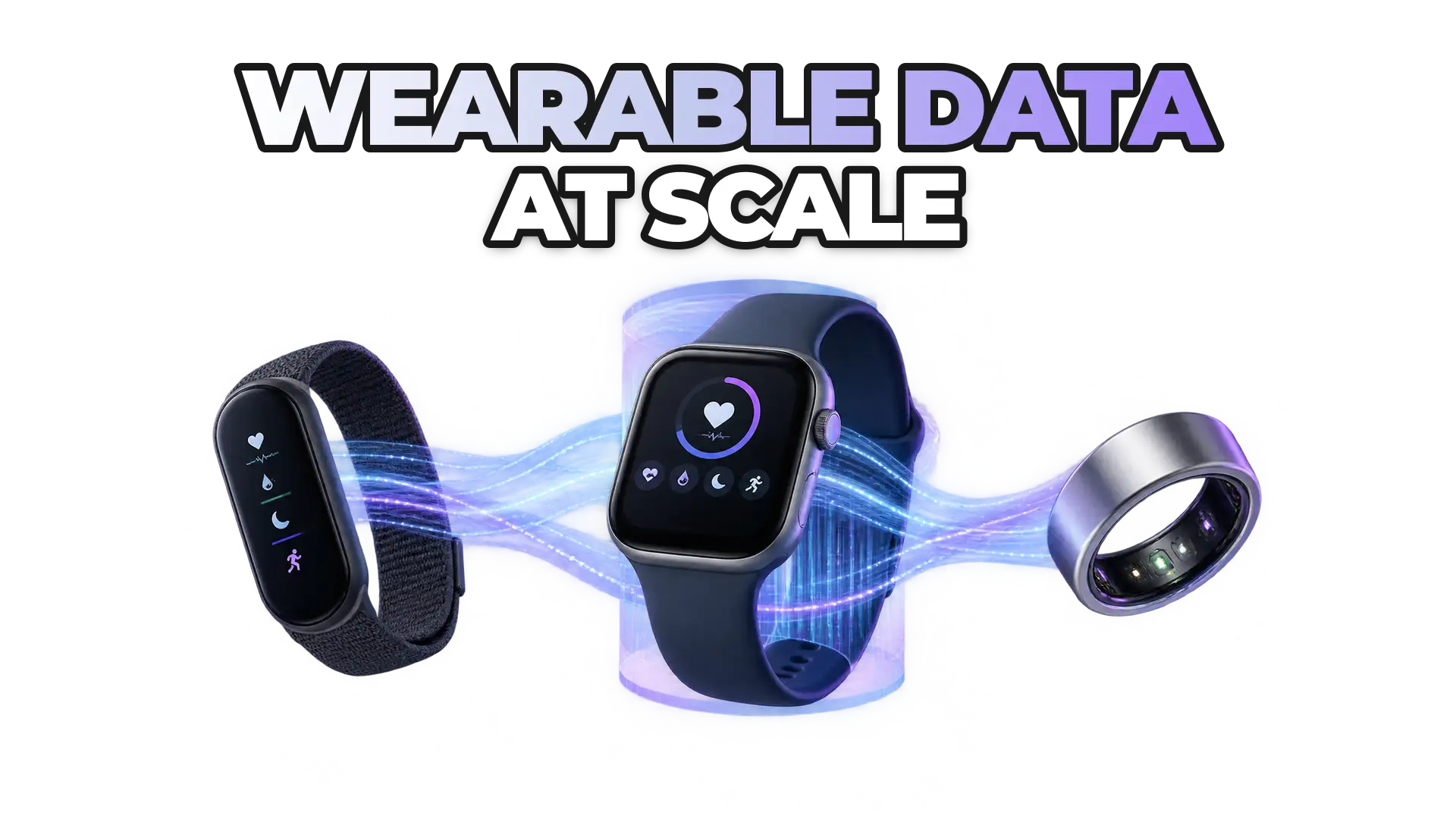
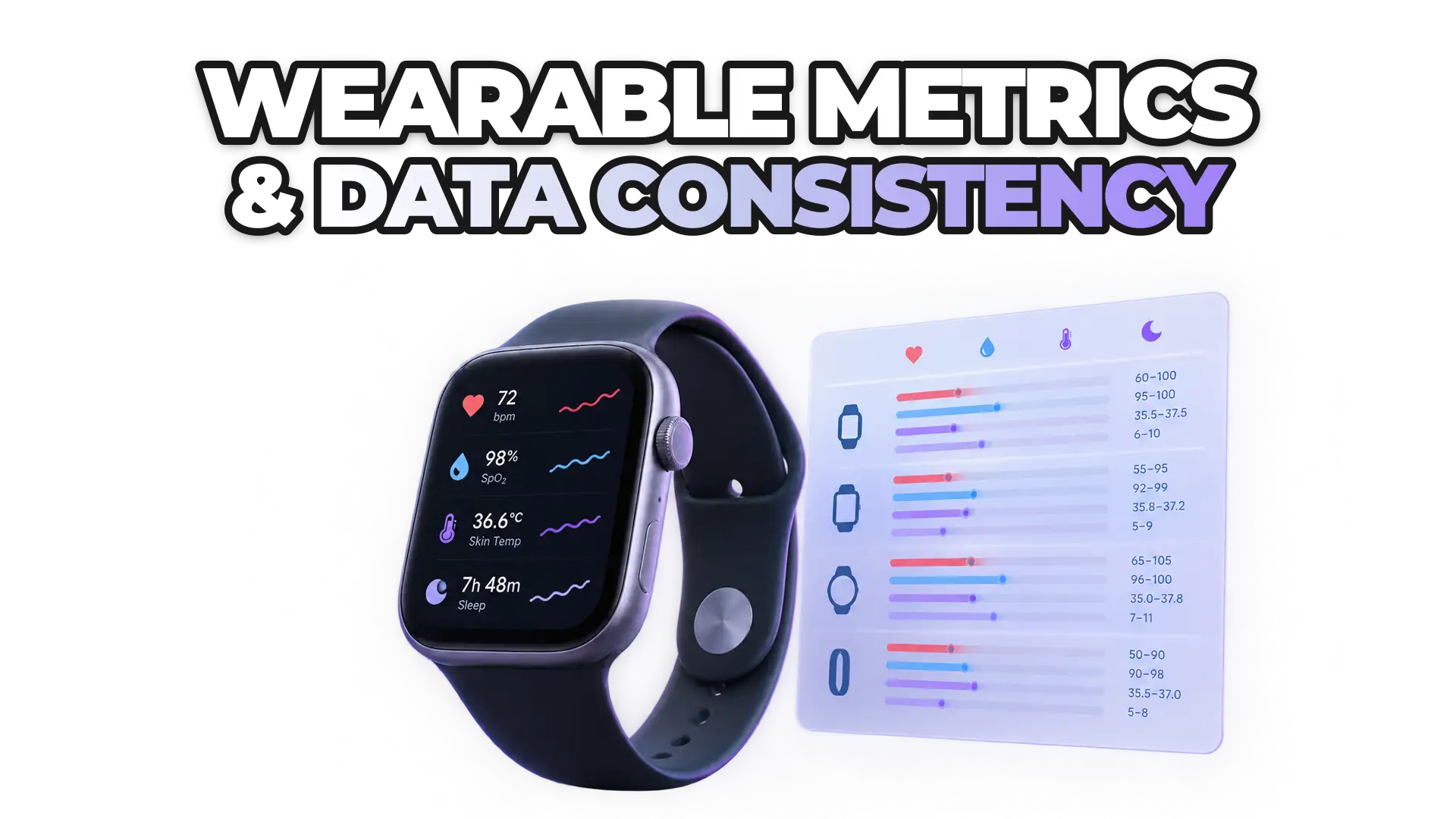
Data fragmentation: Wearables from different brands use different data structures, which makes combining them in one platform difficult. An API that normalizes and structures the data addresses this; ROOK, for example, standardizes data from 72 data sources and more than 500 devices. See how to standardize wearable data from Fitbit, Apple Watch and Garmin.
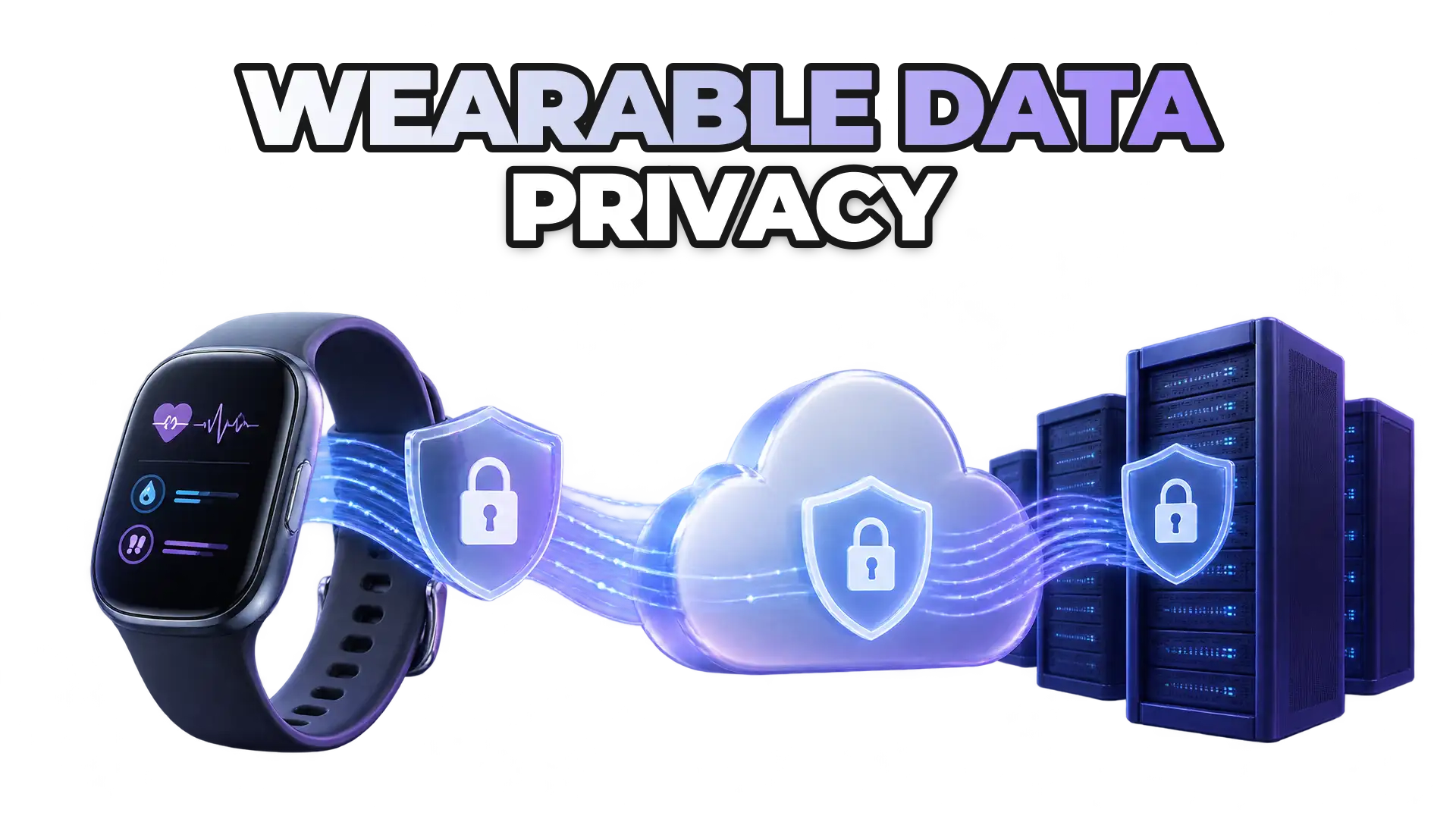
Privacy and security: Health data is sensitive, and wellness platforms must follow data privacy regulations such as HIPAA to protect users' personal health information during integration. ROOK operates under a HIPAA-aligned security program, signs BAAs with covered entities, and processes EU personal data under GDPR as a data processor.
Continuous data syncing: Keeping wearable data consistently synced is tricky, because syncing depends on users' internet connections, device settings and permissions.
How will wearable integrations in wellness platforms evolve?
Wearable integrations in wellness platforms will keep evolving as demand grows for continuous health data and personalized experiences. Advances in wearable technology and integration tools will let platforms offer more personalized, actionable insights and drive user engagement.
What is the bottom line on wearable integrations for wellness platforms?
Integrating wearables lets wellness platforms track users' health continuously, personalize recommendations and give users more useful insight into their well-being, and more platforms are expected to adopt them. ROOK moves and standardizes the data; it does not diagnose or replace clinical judgment.
Next step: read how to integrate data from multiple wearables into one system, or try the ROOK sandbox.
 Written byDaniel MasDigital Marketing Lead