Blog
Why is wearable data messy, and how do you normalize it with one API?
Wearable data varies in format, structure and accuracy across devices. A unified API translates it into one consistent format for health apps.
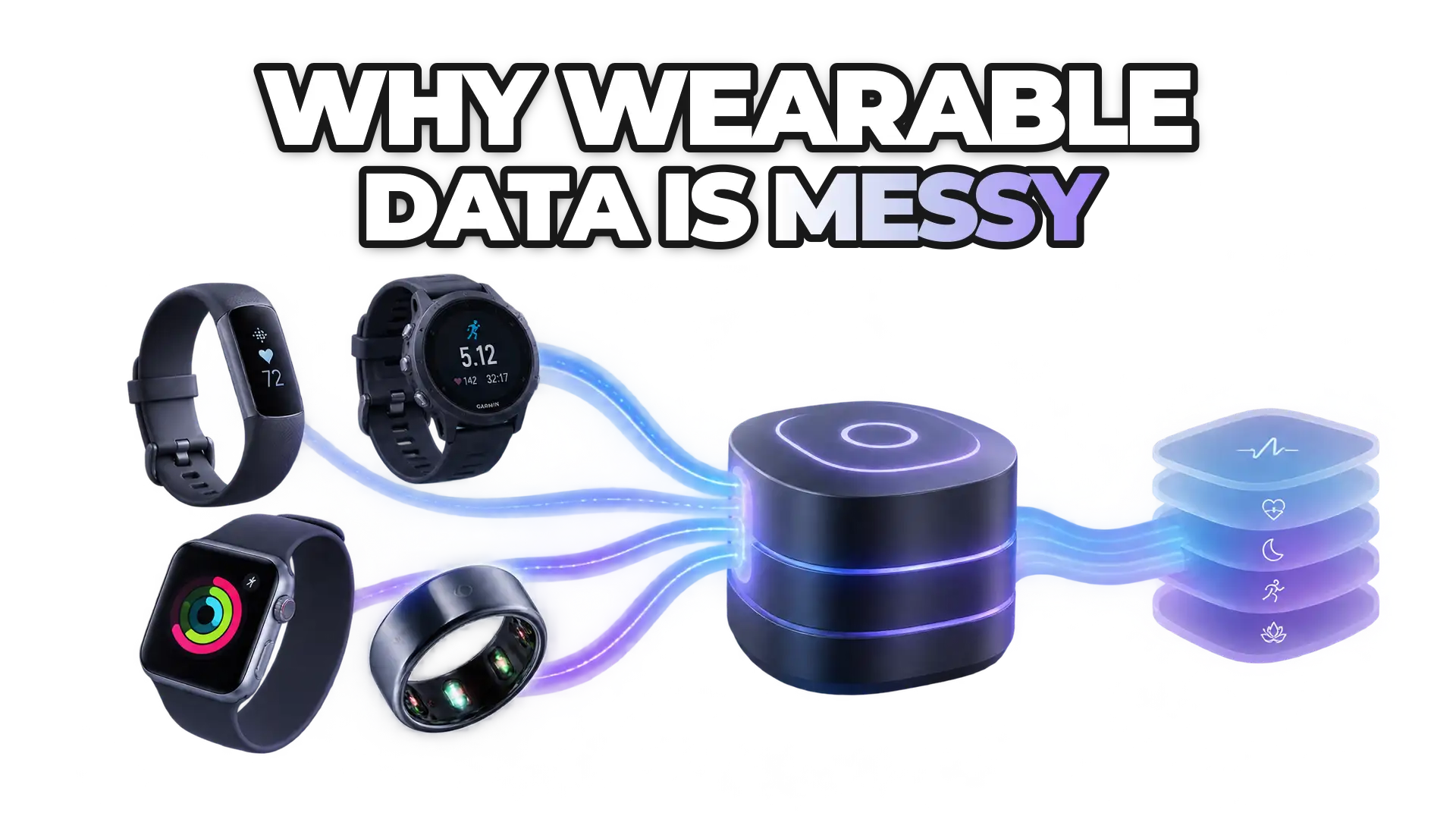
Wearable data is messy because each device, such as Fitbit, Garmin, Apple Watch, or Oura, collects and structures data its own way, much of it arrives raw, measurements are estimates that vary by calibration and wear location, and the volume is continuous. A unified API normalizes it by translating every device's format into one standardized data structure, reached through a single integration point.
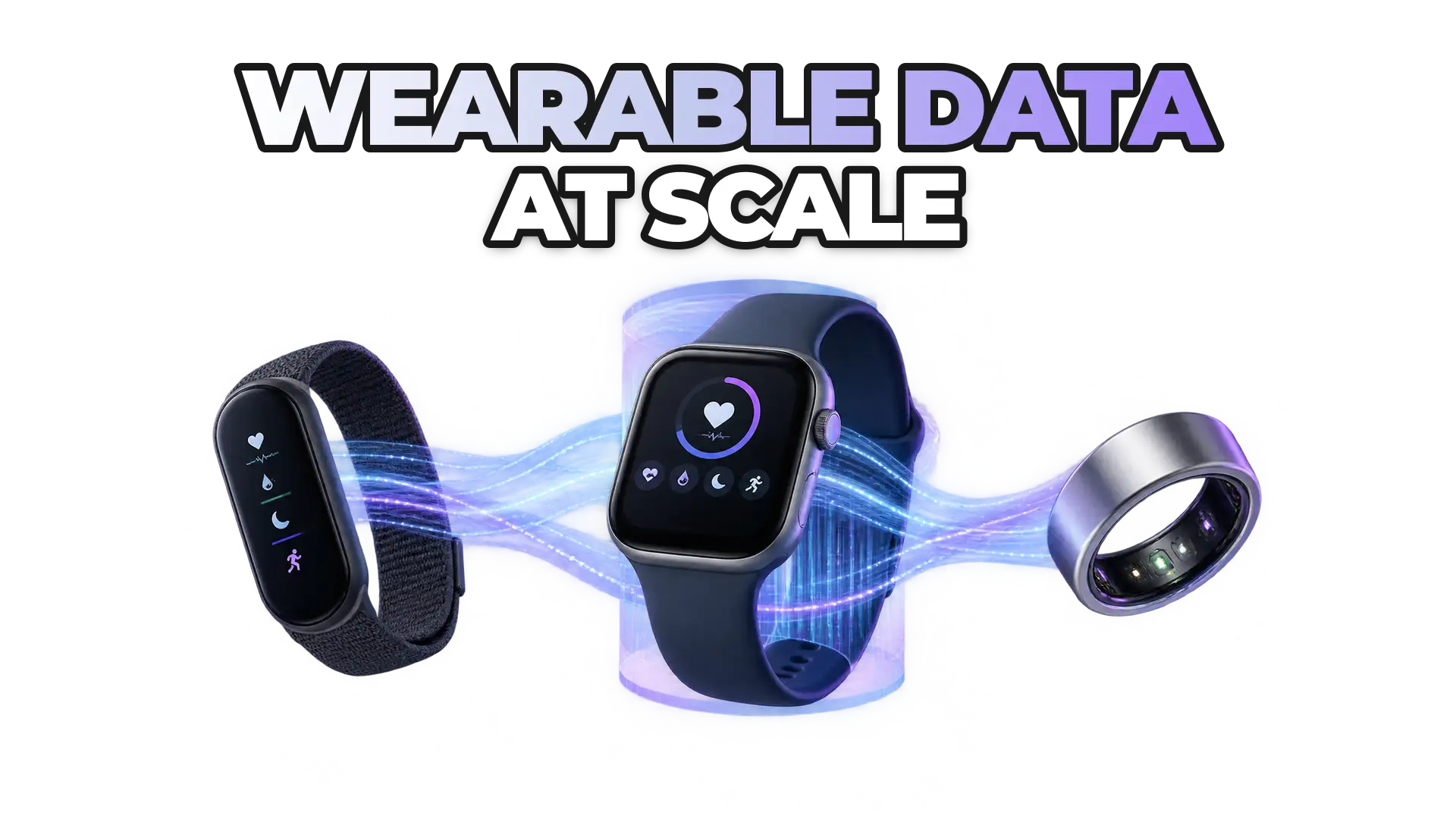
Devices like Fitbit, Garmin, Apple Watch, and Oura generate a staggering amount of personal data. These devices provide valuable insights into users’ health, but the data they generate often presents significant challenges. One of the biggest obstacles developers face is the messiness of the data itself: wearables collect a wide variety of data from various sensors, and this data is often unstructured, inconsistent, and fragmented. Developers integrating wearable data into apps spend a large share of their time cleaning and normalizing data before it can be used for analysis and actionable insights. This article covers why wearable data is messy, the challenges developers face, and how normalizing wearable data with one API simplifies the process.
Why is wearable data so messy?
Wearable data is messy for four reasons:
- Different devices, different formats: each wearable collects and stores data its own way. Fitbit might track heart rate differently than Garmin or Apple Watch, and the data structures vary significantly, so developers must handle multiple formats and conversions.
- Unstructured data: heart rate may arrive as continuous time-series data while sleep is segmented into deep, light, or REM intervals. Without a standardized approach, aggregating these across sources is difficult.
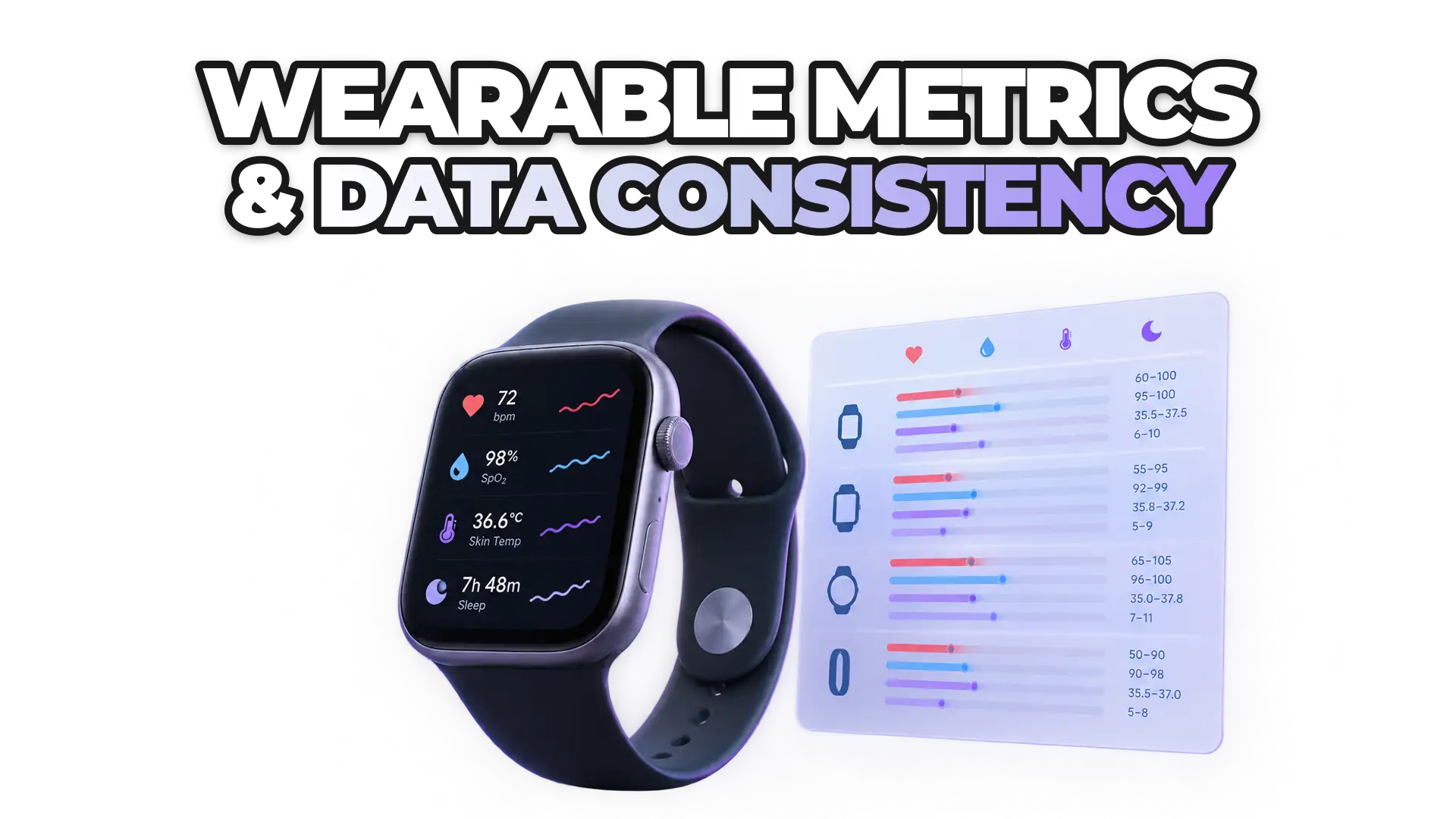
- Inconsistent measurements: wearables provide estimates and trends, not medical-grade measurements. Calories burned or distance traveled can vary with device calibration, wear location, and activity level, which complicates integration and can lead to inaccurate conclusions when comparing data across devices or users.
- Volume of data: wearables collect and transmit data continuously, and managing that volume is demanding when apps or clinical settings need it processed quickly.
For a deeper look, see why wearable data turns into chaos.
How does one API normalize wearable data?
One API normalizes wearable data by aggregating data from different devices and mapping it into a consistent format, so developers don't handle each device's format individually. A unified API helps in five ways:
- Unified data structure: one standardized structure replaces custom parsing code for each wearable.
- Simplified integration: one integration point replaces an integration per wearable API, which reduces the complexity of working with wearable data and speeds up the development process.
- Data aggregation: data from fitness trackers, smartwatches, and medical devices is consolidated into a holistic view of the user's health for easier analysis.
- Timely data delivery: data delivered as devices sync lets apps provide personalized feedback, from heart rate variability during exercise to sleep patterns.
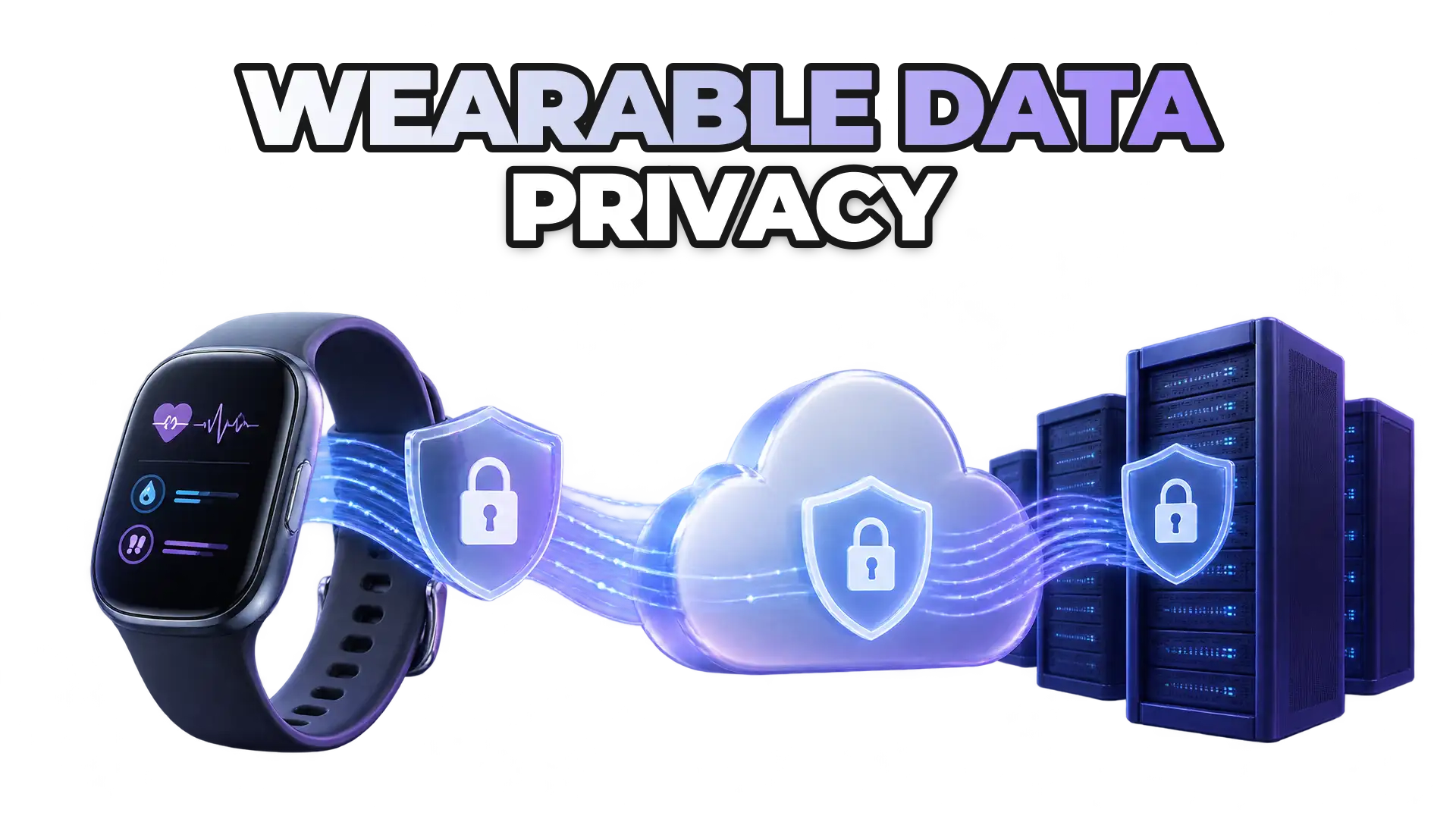
- Data privacy and security: for ROOK's unified API, ROOK operates under a HIPAA-aligned security program, signs BAAs with covered entities, and processes EU personal data under GDPR as a data processor.
ROOK's unified API covers 72 data sources and more than 500 devices; see how to standardize health data from devices.
What are the benefits of normalizing wearable data for health apps?
Normalizing wearable data gives health apps four benefits:
- Better user experience: consistent data lets developers build more intuitive, responsive apps with personalized feedback.
- Faster development: developers build features instead of cleaning raw data, which leads to faster development cycles and quicker time-to-market for health apps.
- More consistent analytics: standardized data across devices supports analytics for fitness, chronic condition programs, or wellness. With consistent data across multiple devices, developers can build algorithms that provide deeper insights into users’ health behaviors and needs. ROOK moves and standardizes the data; it does not diagnose or replace clinical judgment.
- Scalability: adding devices doesn't mean adding integrations, because the unified API absorbs new sources.
Should your health app use a unified API for wearable data?
Wearable data is a powerful tool for understanding health, but it can be messy and complex. A health app that integrates wearable data from more than one device should consider a unified API: normalizing wearable data with one API removes per-device complexity and gives the app a foundation for scalable, data-driven, personalized experiences.
To see the normalized data structure, read the ROOK developer documentation.
 Written byDaniel MasDigital Marketing Lead