Blog
What Are the Best Tools to Build AI Health Apps with Wearable Data?
Six tools for AI health apps built on wearable data: ROOK for integration, TensorFlow for models, Google Cloud and Azure for health data, Apple HealthKit and Fitbit.
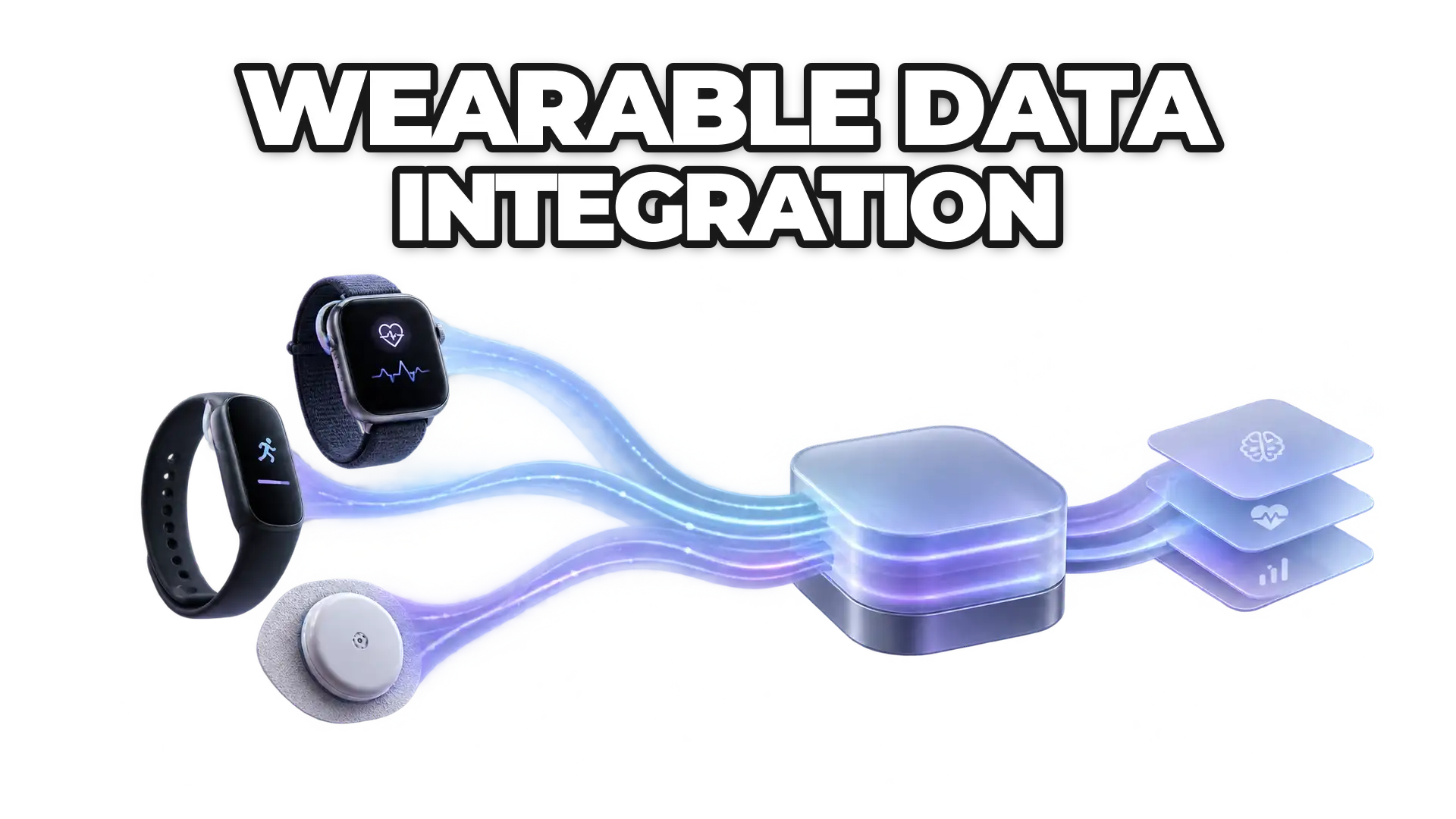
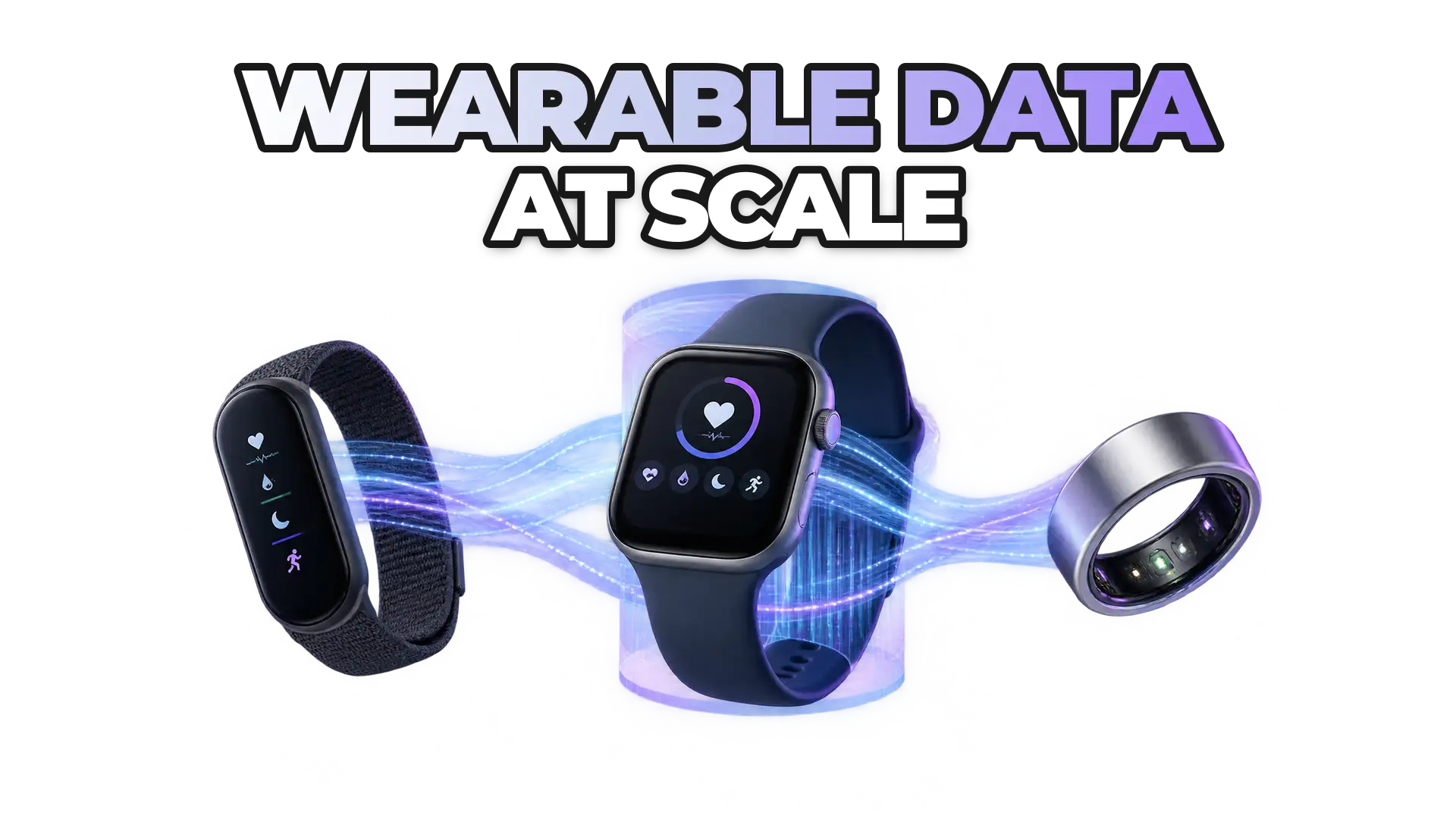
Building an AI health app on real-world wearable data takes two kinds of tools: one that collects and standardizes data from many devices, and one that trains and runs the models. Six common choices are ROOK for unified wearable data integration, TensorFlow for machine learning, Google Cloud Healthcare API and Microsoft Azure Health Data Services for health data infrastructure, and Apple HealthKit and the Fitbit Web API for single-ecosystem access.
Wearables collect physiological data such as heart rate, sleep patterns, physical activity and stress levels. Combined with artificial intelligence (AI), these data streams can support personalized insights and recommendations inside health and fitness apps.
How does ROOK unify wearable data for AI health apps?
ROOK gives developers one API to connect and standardize wearable data from devices like Fitbit, Garmin, Apple Watch, Dexcom and Oura, instead of building one integration per vendor. ROOK supports 72 data sources and more than 500 devices, so teams can focus on personalized experiences rather than on managing separate data sources.
Why developers choose ROOK for an AI health app:
- Data standardization: ROOK delivers wearable data in a standardized format, which makes it easier to analyze and use in AI algorithms.
- One integration for many devices: support for many wearable brands fits into existing health and fitness apps through a single integration.
- Scalability: the ROOK API scales from a few users to large user bases.
- Security: ROOK operates under a HIPAA-aligned security program, signs BAAs with covered entities, and processes EU personal data under GDPR as a data processor.
Why use TensorFlow for wearable data analysis?
TensorFlow, developed by Google, is an open-source platform for building AI and machine learning models, and it is useful for analyzing large volumes of wearable data. TensorFlow supports applications from deep learning models to deployed AI algorithms.
- Flexibility: TensorFlow lets developers create custom models for specific use cases, such as personalized health insights or behavior analysis.
- Pre-trained models: TensorFlow offers pre-trained models that can be fine-tuned for wearable data tasks such as activity recognition and sleep tracking.
- Streaming data: TensorFlow can process data as it arrives, which suits apps that receive frequent updates from wearable devices.
- Cross-platform support: TensorFlow runs on platforms from mobile to web.
What do Google Cloud AI and the Healthcare API offer for wearable data?
Google Cloud AI and the Cloud Healthcare API offer tools to store, manage and analyze health data, including data from wearables, and to apply machine learning models to it.
- FHIR compatibility: the Cloud Healthcare API stores Fast Healthcare Interoperability Resources (FHIR) data in FHIR stores, as described in Google's Cloud Healthcare API documentation, which helps connect wearable data with electronic health record (EHR) systems.
- AI models: Google's pre-trained models can be applied to health data for analytics and personalized recommendations.
- Scalable infrastructure: Google Cloud's infrastructure can scale health data analysis from a small clinic to a global user base.
- Security: Google Cloud provides security features for sensitive health data; teams should confirm the compliance scope for their own use case.
What does Microsoft Azure Health Data Services offer?
Microsoft Azure Health Data Services provides APIs for healthcare data management, integration and analytics, which helps bring wearable data into existing healthcare systems.
- Data integration: Azure Health Data Services combines wearable data with other health data sources for a fuller view of patient health.
- AI and machine learning: Azure's AI capabilities let developers build custom models on wearable data.
- Interoperability: Azure Health Data Services exchanges data with existing healthcare systems.
- Data security: Azure offers data encryption and support for healthcare regulations.
When should you use Apple HealthKit and ResearchKit?
Apple HealthKit and ResearchKit fit apps built specifically for the Apple ecosystem. HealthKit gives apps access to health data from Apple devices, including the Apple Watch, to deliver personalized health insights.
- Apple device integration: HealthKit brings data from Apple devices and the Apple Watch into an app.
- User-centric data: HealthKit lets developers focus on specific metrics, such as steps, heart rate and sleep.
- ResearchKit: ResearchKit helps research apps collect data from study participants for analysis.
- Privacy: Apple places a strong emphasis on user privacy and data protection in HealthKit and ResearchKit.
What does the Fitbit Web API provide?
The Fitbit Web API lets developers bring Fitbit health and fitness data into their apps. The Fitbit Web API reference lists activity, heart rate and sleep data, among other types.
- Data access: the Fitbit Web API exposes a wide variety of health data for personalized fitness apps.
- Developer-friendly endpoints: developers can integrate Fitbit data without a steep learning curve.
- Customization: developers choose which Fitbit data to collect and can analyze it with AI to build fitness plans and track progress.
How do you choose the right tools for an AI health app?
The right combination depends on the job: ROOK simplifies wearable data integration across devices, TensorFlow covers model building, and Google Cloud or Azure provide health data infrastructure. Apple HealthKit and the Fitbit Web API suit apps that target a single ecosystem.
Whichever tools you pick, AI output on wearable data describes signals, not health conclusions. ROOK moves and standardizes the data; it does not diagnose or replace clinical judgment. For model training specifics, see how to use wearable data in AI health models and SDK vs API in health tech. To try the data layer, create a ROOK sandbox account.
 Written byDaniel MasDigital Marketing Lead