Blog
Oura vs WHOOP: Which wearable is better for you?
Oura vs WHOOP compared on hardware, sleep, recovery, strain, pricing model, ideal users and data access, for consumers and digital health builders.
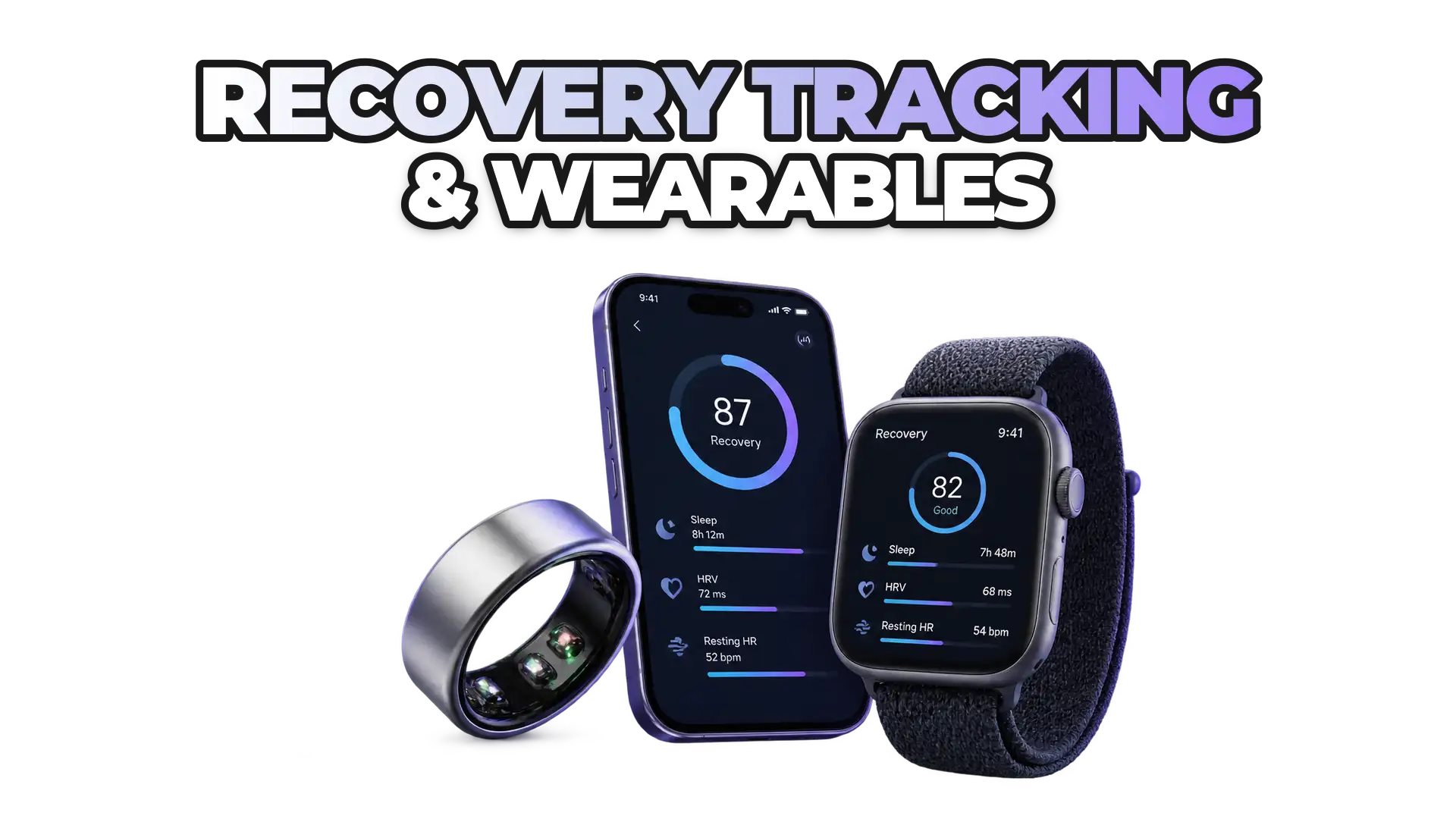
Oura and WHOOP both track sleep, heart rate variability and recovery, but they target different users. The Oura Ring is a discreet ring focused on sleep, readiness and lifestyle insights. WHOOP is a screenless wrist strap focused on training strain, recovery and performance, sold through a membership. Choose Oura if sleep and discretion matter most; choose WHOOP if strain and training decisions are the priority.
Wearable technology continues to evolve beyond step counting. Devices like Oura Ring and WHOOP focus on recovery, sleep, readiness, and long-term performance optimization.
If you are evaluating Oura vs WHOOP, whether as a consumer, athlete, researcher, or digital health builder, understanding how these platforms differ is essential.
This comparison breaks down hardware, metrics, data access, pricing models, and ideal use cases.
What is the Oura Ring?
The Oura Ring is a smart ring designed to track sleep, recovery, activity, and overall health trends in a compact, discreet format.
Key characteristics
Ring form factor
Strong focus on sleep tracking
Daily Readiness Score
Long battery life (typically up to seven days)
Mobile app with trend visualization
Oura positions itself as a lifestyle and longevity-focused wearable.
What is WHOOP?
WHOOP is a wrist-worn wearable designed primarily for performance optimization and recovery tracking.
Wrist strap design
No screen
Continuous strain and recovery tracking
Emphasis on athletes and high performers
Subscription-based model
WHOOP positions itself as a performance and training optimization platform.
How do Oura and WHOOP compare feature by feature?
How does the hardware design differ?
Oura hardware:
Minimalist ring
Lightweight and discreet
Comfortable for sleep tracking
WHOOP hardware:
Wrist strap
Sport-oriented design
Designed for 24/7 wear, including workouts
If discretion and comfort during sleep are priorities, Oura’s ring form factor may be appealing. If workout tracking is the focus, WHOOP’s wrist-based design may feel more natural.
Which tracks sleep better, Oura or WHOOP?
Oura and WHOOP both emphasize sleep, but they present it differently. Oura offers:
Detailed sleep stages
Sleep Score
Sleep timing insights
Long-term sleep trend tracking
Oura is known for the depth of its sleep analysis and its user-friendly summaries. WHOOP offers:
Sleep performance percentage
Sleep need calculation
Strain-based sleep recommendations
Focus on performance recovery
WHOOP integrates sleep more tightly into training strain and recovery logic.
How do Oura and WHOOP measure recovery and readiness?
Oura measures readiness with a Readiness Score
HRV (heart rate variability)
Resting heart rate
Body temperature trends
Oura focuses on general wellness and on showing changes in physiological signals over time. WHOOP measures recovery with:
Recovery score (color-coded)
HRV
Strain-recovery balance
WHOOP emphasizes performance optimization and daily training decisions.
How do Oura and WHOOP track activity and strain?
Oura tracks activity with an Activity Score
Step count
Active calorie burn
Automatic workout detection
Oura tracks movement but is less training-centric than WHOOP. WHOOP tracks:
Strain score (0–21 scale)
Real-time heart rate tracking
Training load analysis
Performance-focused metrics
WHOOP is more oriented toward athletes who want structured strain feedback.
What data do Oura and WHOOP measure?
Both devices measure:
- Heart rate
- Heart rate variability
- Sleep stages
- Activity levels
- Differences emerge in interpretation.
- Oura focuses on:
- Lifestyle optimization
- Stress and recovery awareness
- Long-term health trends
- WHOOP focuses on:
- Training intensity
- Recovery-driven performance
- Daily decision support for athletes
How do the Oura and WHOOP pricing models differ?
Oura: upfront hardware cost
Oura: monthly subscription required for full insights
WHOOP: device included with membership
The total cost depends on membership duration and upgrade cycles.
Who should choose Oura and who should choose WHOOP?
Oura may be better for:
- Individuals focused on sleep optimization
- Wellness-oriented users
- Longevity tracking
- Users who prefer discreet wearables
- WHOOP may be better for:
- Competitive athletes
- High-intensity trainers
- Users who prioritize strain tracking
- Performance-driven individuals
Oura vs WHOOP: side-by-side summary
Oura is a ring for sleep, readiness and lifestyle insights with an upfront hardware cost plus subscription; WHOOP is a screenless strap for strain, recovery and training decisions with the device included in a membership.
How can developers access Oura and WHOOP data?
Developers can access Oura and WHOOP data through each vendor’s API, which matters for digital health platforms, InsurTech products and research applications.
Oura and WHOOP both provide APIs, but:
- Data scope may vary
- Access models differ
- Historical depth can differ
- Integration complexity varies
If your product depends on multi-device support (Oura, WHOOP, Apple Watch, Garmin, etc.), building separate integrations increases engineering complexity.
A unified wearable data API can simplify:
- Cross-device normalization
- Consistent metric definitions
- Multi-device user handling
- Long-term scalability
Should you choose Oura or WHOOP?
Choosing between Oura and WHOOP depends on your priorities:
- Choose Oura if sleep, lifestyle insights, and discretion matter most.
- Choose WHOOP if training strain and performance optimization are your primary goals.
- Both devices represent the shift toward recovery-driven health tracking.
For organizations building digital products on top of wearable ecosystems, the bigger question may not be Oura vs WHOOP, but how to integrate both into a scalable, standardized data infrastructure. ROOK moves and standardizes the data; it does not diagnose or replace clinical judgment. To see how one API handles both, read how to integrate data from multiple wearables into one system or try the ROOK sandbox.
 Written byDaniel MasDigital Marketing Lead