{ "data_structure": "physical_summary", "user_id": "demo-user-01", "physical_health": { "summary": { "physical_summary": { "metadata": { "sources_of_data_array": ["Apple Health - Third Party"] }, "distance": { "steps_int": 8432, "active_steps_int": 6120, "walked_distance_meters_float": 6180.0 }, "activity": { "active_seconds_int": 3240 } } } }}Zwift integration
Connect Zwift data with ROOK to access workouts, cycling, running, heart rate, distance, and training metrics.
How it connects
ROOK reads Zwift data via Apple Health or Health Connect.
ROOK's SDK delivers workouts, cycling and running from Zwift as structured JSON, by webhook and API.
Leverage Zwift data to build more personalized cycling, running, training, and fitness experiences, improve user engagement, and support better workout analysis, performance tracking, and training progress.
Our Zwift integration delivers notifications within minutes after a user completes an event and syncs their app.
Read the Zwift docs{ "data_structure": "physical_summary", "user_id": "demo-user-01", "physical_health": { "summary": { "physical_summary": { "metadata": { "sources_of_data_array": ["Health Connect - Third Party"] }, "distance": { "steps_int": 8432, "active_steps_int": 6120, "walked_distance_meters_float": 6180.0 }, "activity": { "active_seconds_int": 3240 } } } }}Get started
Connect Zwift in three steps.
- Enable Zwift in the ROOK portalTurn Zwift on as a data source for your client in the ROOK portal.
- Let users connect Zwift on their phoneUsers sync Zwift with Apple Health or Health Connect once, then grant access in your app through the ROOK SDK or ROOK App.
- Receive standardized dataROOK turns Zwift data into the same JSON structure as every other data source and delivers it to your backend by webhook and API.
Use cases
What teams build with Zwift data.
From seamless wearable integrations to advanced health insights, ROOK empowers you to build personalized wellness apps, research platforms, fitness dashboards, chronic care solutions and many more great use cases.
Training
Zwift data
Zwift shares activity, workouts, heart rate, cycling, running, distance, and training metrics to personalize training plans and track performance effectively.
Explore fitness use casesFitness
Zwift data
Zwift provides activity, workouts, cycling, running, heart rate, distance, and training data to help fitness platforms track progress and improve engagement.
Explore fitness use cases
More data sources
More fitness apps connected to ROOK.
FAQ
Frequently asked questions about the Zwift integration
What teams ask before they connect Zwift through ROOK.
How quickly does Zwift data reach my backend?
Our Zwift integration delivers notifications within minutes after a user completes an event and syncs their app.
Do I need my own Zwift developer account?
No. ROOK handles the Zwift connection, so you only enable Zwift as a data source in the ROOK portal.
How does ROOK connect to Zwift?
Through Apple Health on iOS and Health Connect on Android. Zwift writes its data there and the ROOK SDK or ROOK App reads it.
Read the Zwift documentationNo questions match that yet. Try another word or topic.
Latest from the ROOK blog
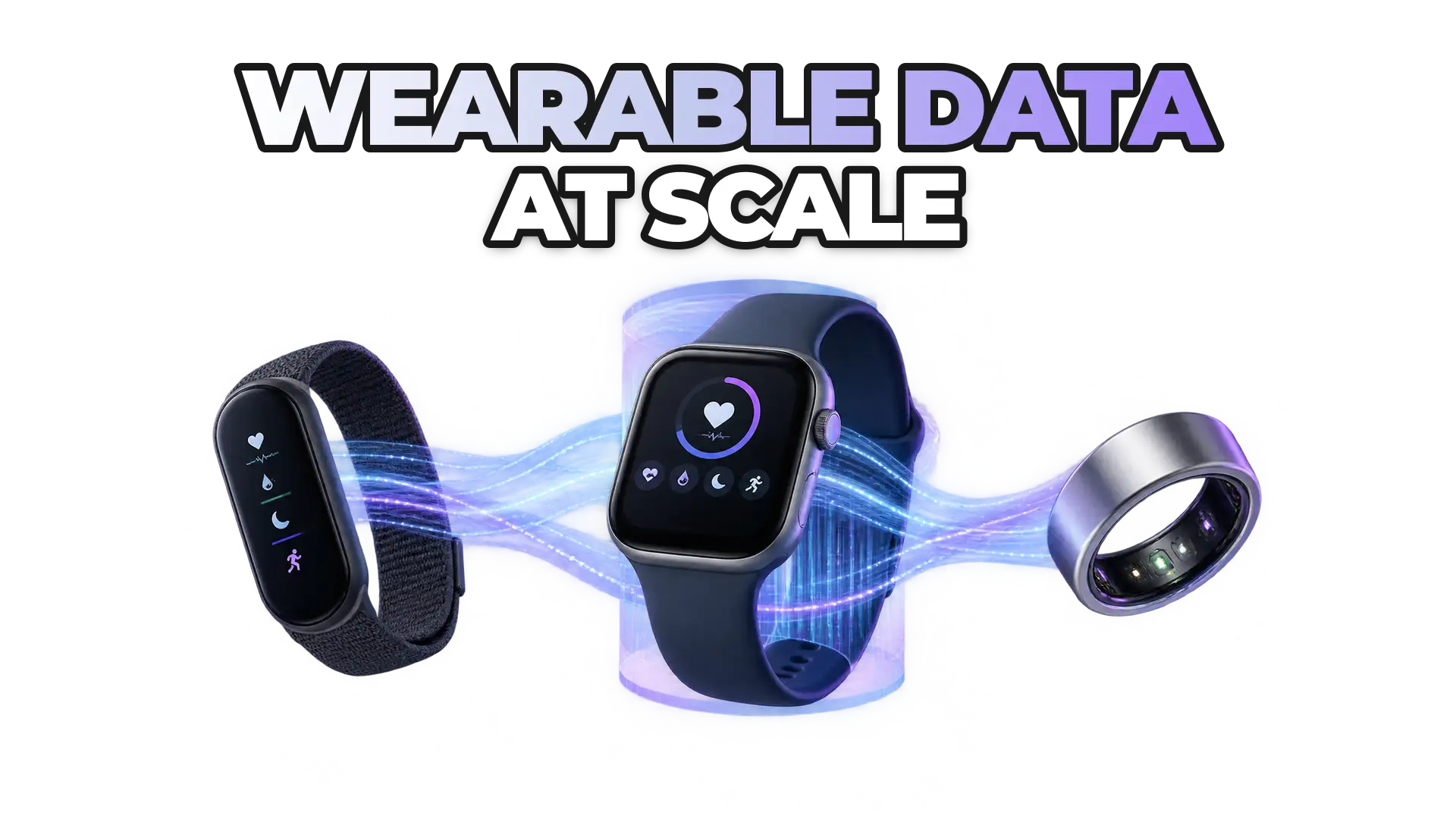
- Industry Use Cases for Wearable Data in 2026Wearable data is no longer limited to fitness tracking. In 2026, organizations across multiple industries use structured wearable data to improve decision-making, personalize services, and build data-driven products — a…Read more

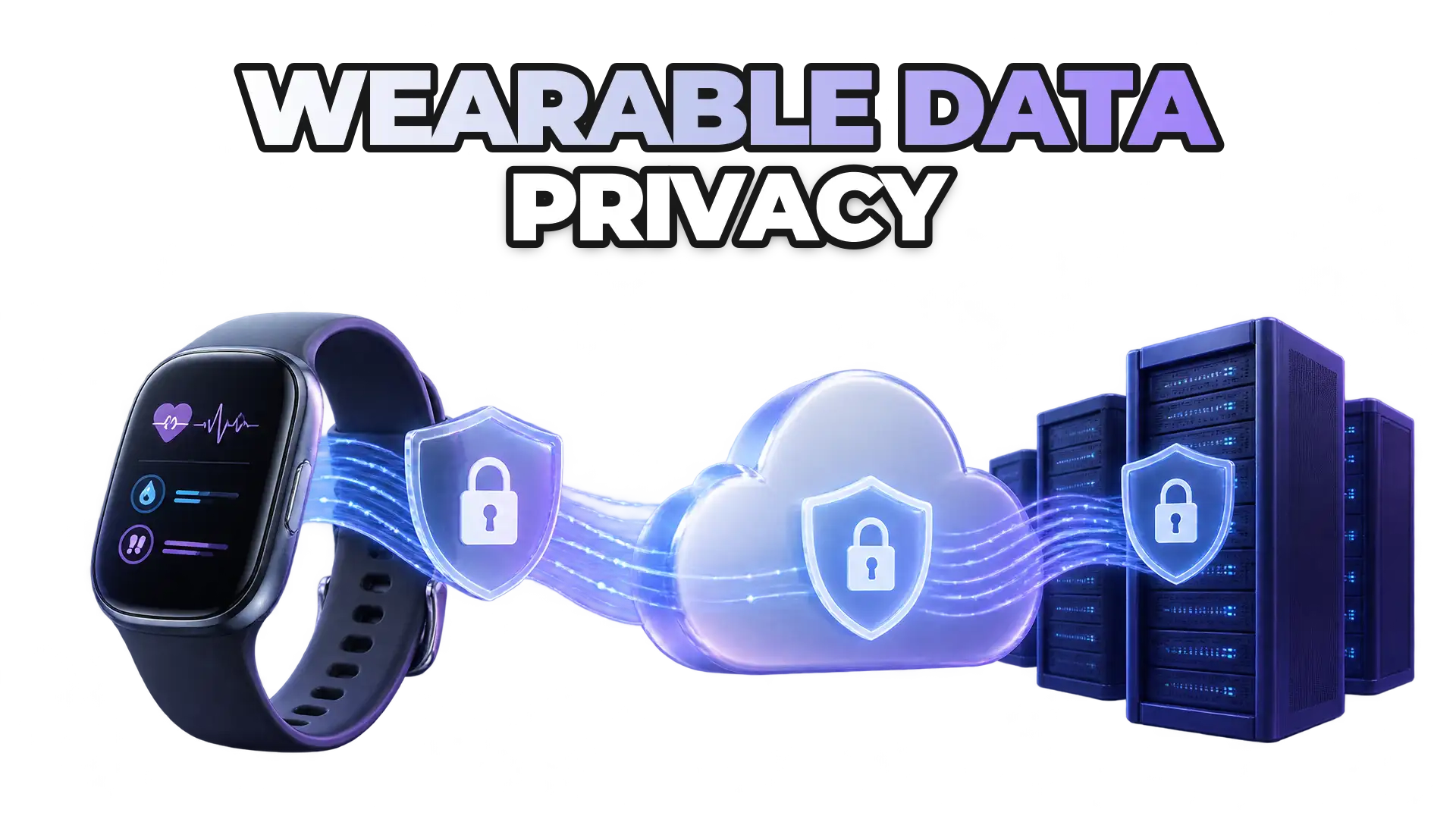
- Best Practices for Wearable Data Privacy and ComplianceWearable data often includes health-related and behavioral information. Organizations that integrate this data into their platforms must design privacy and compliance strategies from the beginning.Read more

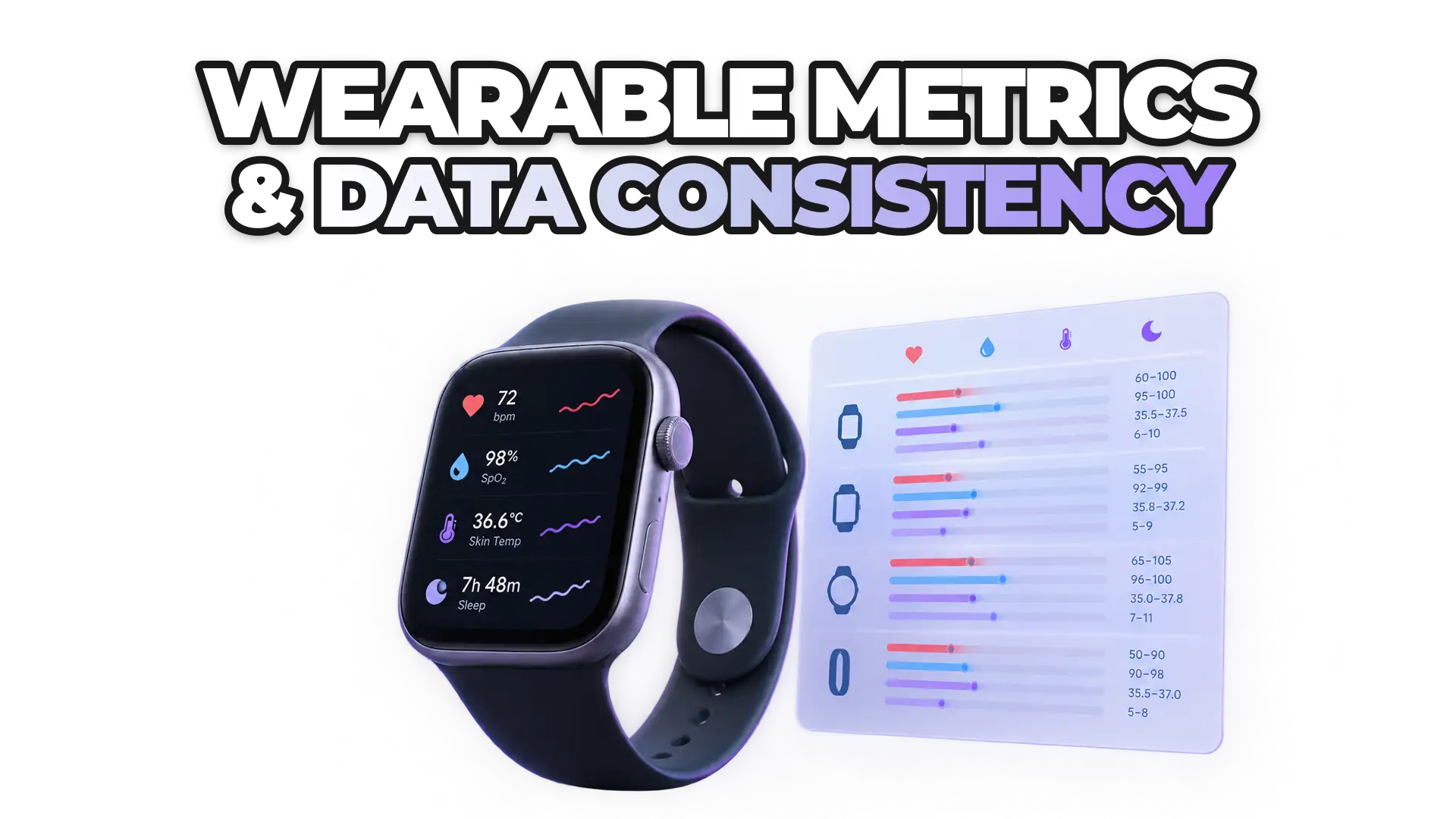
- Understanding wearable health metrics and data typesWearable devices generate a large volume of health and behavioral data. However, not all metrics are defined, calculated, or structured in the same way.Read more

Nothing matches that search.
Build on better health data
Turn fragmented health data into your next product advantage.
Connect the sources your users rely on, standardize what comes back, and build workflows that respond to change.