
The Real Challenges of Wearable Data: From Access to Trust
Wearables offer continuous health data, but integrating and scaling that data is more complex than simply connecting an API. From fragmented ecosystems and inconsistent metrics to data gaps, governance, and scalability challenges, turning wearable signals into reliable insights requires far more than raw access.
ROOK vs Terra API: Which Wearable Integration Platform Is Right for You?
ROOK and Terra API both offer wearable data integration, but serve different needs. Learn which platform fits your product, from fitness to healthcare and preventive care.
Lovable x ROOK Integration
Integrate any wearable to Lovable in minutes with ROOK’s Wearable API. Streamline your health, fitness, or wellness app development and avoid infrastructure headaches. Learn how to easily connect devices like Whoop, Fitbit, Garmin, and more to Lovable.
Training AI Models with ROOK Data for Health Insights
Learn how to use ROOK’s wearable health data to train AI models for personalized health insights. Discover the steps involved, from data collection and cleaning to model training and deployment, and explore how AI can provide actionable health recommendations in real-time.
Why Wearable Data is Messy and How to Normalize It
Wearable data is valuable, but it’s often messy and complex. Learn how a unified API can help normalize wearable data from multiple devices, making it easier to integrate, analyze, and build personalized health apps that empower users and drive better outcomes.
Best Tools to Build AI Health Apps with Real-World Wearable Data
Explore the best tools for building AI health apps with real-world wearable data. Learn about platforms like ROOK API, TensorFlow, and Google Cloud, which simplify integration, enhance data analysis, and provide powerful, personalized health insights for your app.
Wearables as continuous health monitoring systems
Wearables are no longer just fitness devices. This article explores how they are becoming continuous health monitoring systems and transforming digital health products.
What AI agents will need from health data
AI agents in health require more than raw data. This article explains the data foundations—standardization, context, and trust—needed to support reasoning and decision-making at scale.
The future of wearable data in 2026 and beyond
Wearable data is becoming core infrastructure for digital health. This article explores how standardization, AI, and trust will shape the future of wearable data in 2026 and beyond.
How to use wearable data in AI health models
Wearable data is a powerful input for AI in health, but only when handled correctly. This article explains how to prepare, standardize, enrich, and use wearable data to build reliable, scalable AI health models.
How to standardize health data from devices
Standardizing wearable data is key to building scalable health products. In this article, we explain how to unify data from Fitbit, Apple Watch, and Garmin, and avoid common pitfalls when working with connected health data.
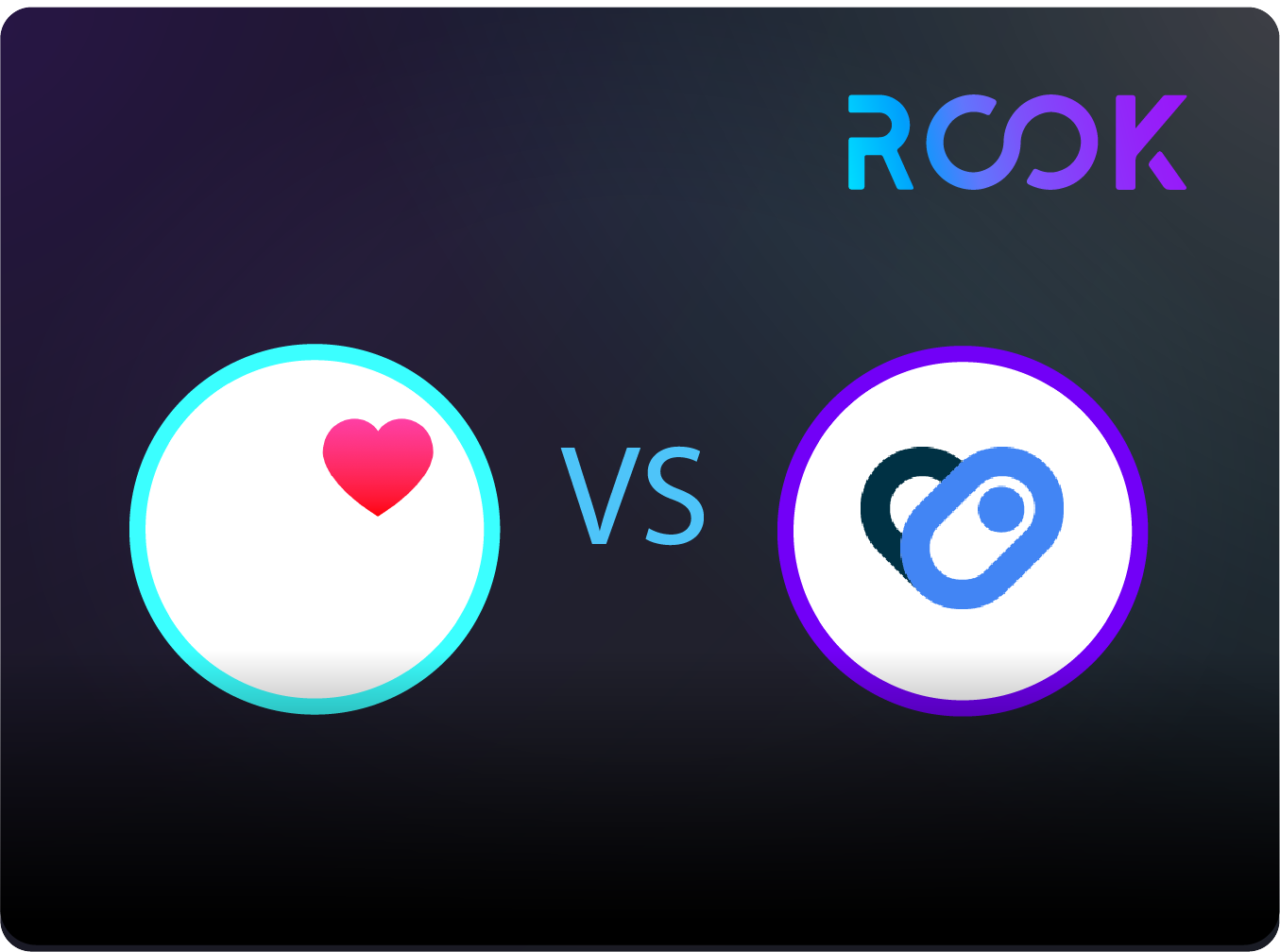
Apple Health vs Health Connect: pros, cons & integration
Apple Health and Health Connect are the two main platforms for accessing health data on iOS and Android. In this article, we analyze their pros, cons, and how to integrate with both when building cross-platform health and fitness applications.
Top 10 Wearable APIs of 2025
Discover the top 10 wearable APIs in 2025 and how they are transforming health and fitness data integration. A practical guide for developers and companies looking to build smarter, more personalized applications powered by real-time data.
AI and the future of wearable–EHR integration
Wearables generate continuous health data with enormous potential, yet they remain disconnected from electronic health records. This article explains how AI normalizes, contextualizes, and unifies these signals to create a more integrated ecosystem that supports prevention, personalization, and better clinical decision-making.
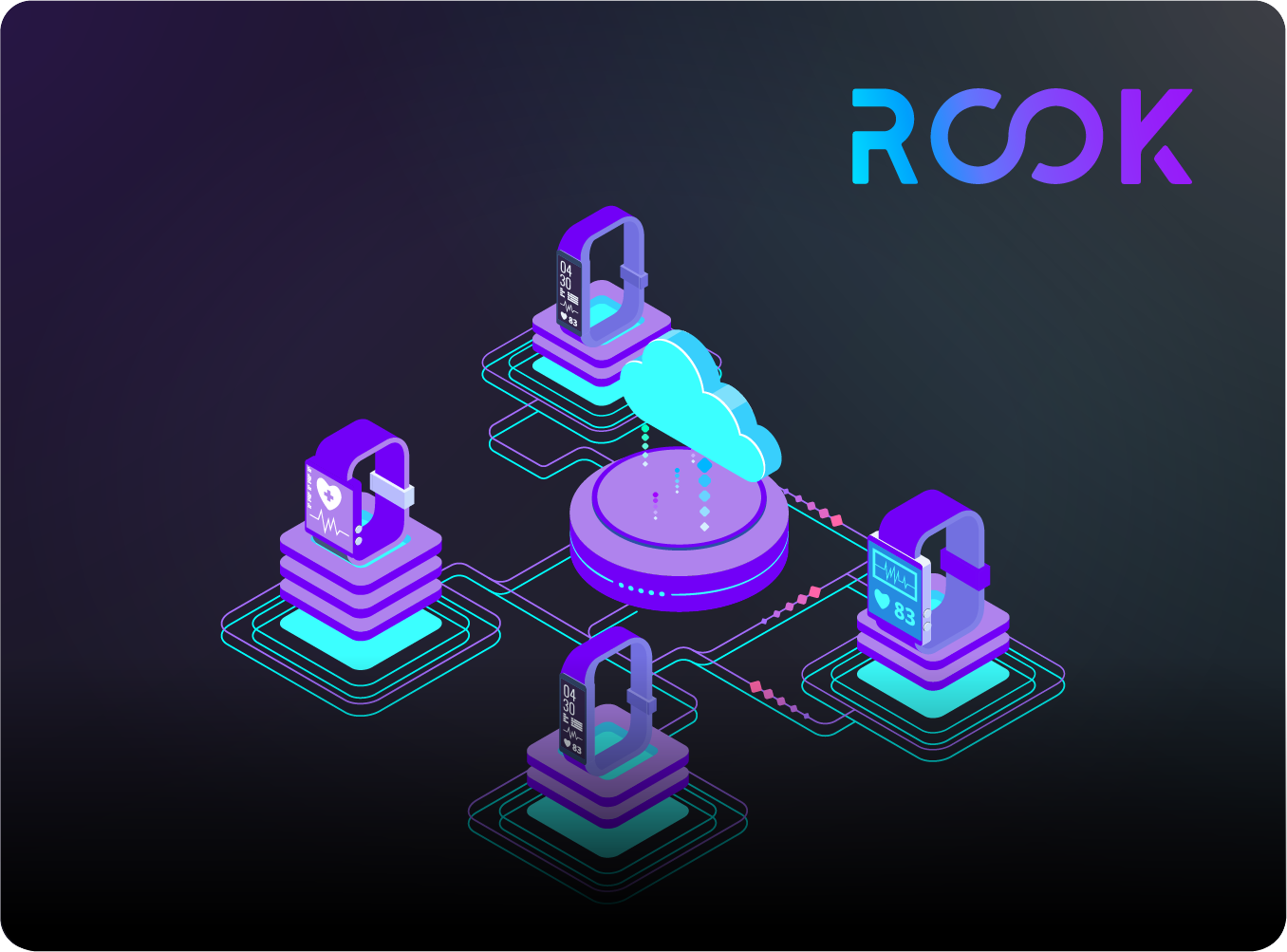
How do I integrate data from multiple wearables into one system?
Integrating data from multiple wearables into one system is challenging due to fragmented devices, formats, and APIs. This article explains the main approaches, key technical needs, and how a unified platform like ROOK enables normalized, analysis-ready, and AI-ready wearable data.
AI-ready wearable data: a new edge for health tech
Health-tech companies are adopting AI to deliver more personalized and predictive experiences. However, success depends on data that is reliable, structured, and continuous. This article explains why AI-ready wearable data is becoming a key competitive advantage and how it helps teams innovate faster.
Best wearable APIs for developers
Developers face growing complexity when integrating health and activity data from wearables. This guide highlights the best wearable APIs available today, compares their strengths, and explains how teams can choose the right solution for scalable, reliable data integration.
Top 10 EHRs and Why They Should Integrate Wearables
Discover the top 10 EHR (Electronic Health Record) systems and why integrating wearable devices into these systems can transform healthcare. Explore how real-time wearable data integration can improve patient monitoring, chronic disease management, and personalized care.
The Future of Digital Biomarkers: Wearables & AI in Chronic Care
The combination of wearables and artificial intelligence is transforming chronic disease management. These advances enable real-time monitoring, early detection, and more personalized care, creating new opportunities for both patients and healthcare providers.
AI and Wearable Data: Turning Sensor Signals into Regulatory-Grade Evidence for Pharma
AI is transforming raw wearable data into regulatory-grade evidence. By cleaning, standardizing, and validating biometric signals, AI turns fragmented sensor streams into reliable insights for clinical trials, digital biomarkers, and real-world evidence. This shift is redefining how pharma generates and uses data for innovation.